
Boost Your Aquarium’s Health with Beneficial Bacteria
 Millie Douglas
Updated on: December 1, 2025 .
13 min read
Millie Douglas
Updated on: December 1, 2025 .
13 min read
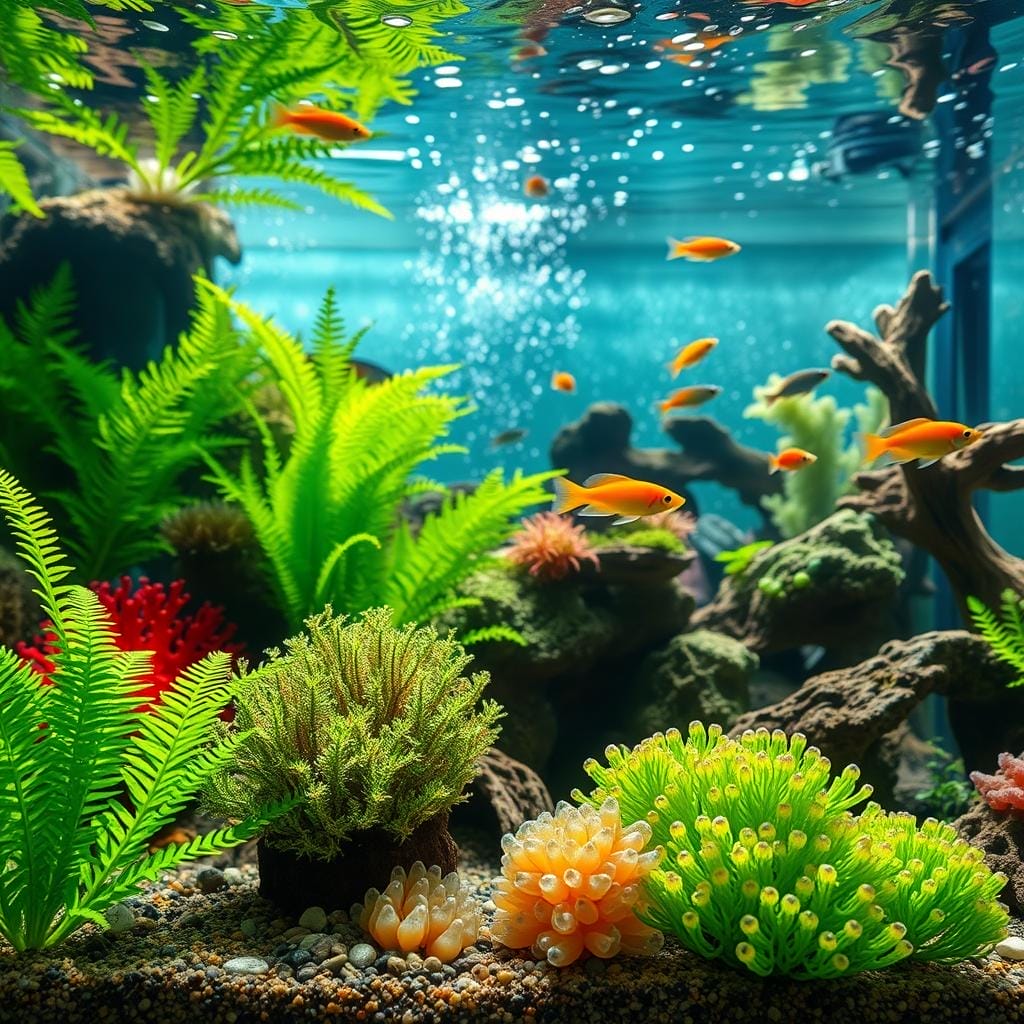
What if the key to a crystal-clear, thriving aquarium wasn’t a complex chemical, but a tiny, invisible army working for you?
Many aquarists worry about germs in their tank. But the truth is, not all microscopic organisms are bad. In fact, some are your most important partners.
These helpful beneficial bacteria are the unsung heroes of your underwater world. They work constantly to create a stable, safe environment. Think of them as your aquarium’s natural cleaning crew.
Their job is simple but vital. They break down fish waste, leftover food, and other toxins. This process, called the nitrogen cycle, is the foundation of your tank’s health.
By understanding these powerful microorganisms, you gain control. You can stop fearing bacteria and start using them to your advantage. This guide will show you exactly how to harness their power.
You’ll learn to create the healthiest possible home for your fish. Let’s explore how these tiny allies can transform your aquarium into a vibrant, balanced ecosystem.
Understanding Beneficial Bacteria in Aquariums
The secret to a balanced aquarium lies in understanding the microscopic world working behind the scenes. These tiny organisms form the foundation of your tank’s ecosystem.
What Are Beneficial Bacteria?
These helpful microorganisms are single-celled life forms that naturally establish themselves in your aquarium. They colonize your filter media, gravel, and decorations to create what’s known as your biofilter.
The main species you want in your tank include Nitrosomonas and Nitrobacter. These specific strains handle the vital nitrogen cycle process. They work constantly to break down fish waste and leftover food.
Distinguishing Friendly Microbes from Harmful Pathogens
It’s important to know that not all microscopic organisms pose a threat. While some can cause disease, the beneficial types actually protect your fish.
Harmful pathogens reproduce quickly and release toxins. But your aquarium’s friendly microorganisms neutralize dangerous substances before they affect your aquatic pets. Understanding this difference helps you make better maintenance decisions.
These helpful bacteria are essential for preventing ammonia and nitrite poisoning. They create balance in your underwater world, working 24/7 to keep your fish healthy and your water clean.
The Role of Bacteria in Water Quality and Fish Health
Your aquarium’s water quality depends on a microscopic workforce that processes waste and maintains balance. These tiny organisms form your tank’s natural filtration system, working constantly to protect your fish’s health.
Breaking Down Waste and Stabilizing pH Levels
Your aquarium’s helpful microorganisms perform a critical three-stage process. First, they convert toxic ammonia from fish waste into nitrite. Then they transform nitrite into nitrate, which is much safer for your aquatic pets.
These microbial workers also help stabilize your water’s pH levels. They process organic acids that form naturally from fish waste and uneaten food. This prevents dangerous pH swings that can stress your fish.
As these microorganisms break down waste, they release essential nutrients. These support the growth of beneficial algae and live plants. Your tank becomes a more natural, balanced ecosystem.
Without enough of these helpful bacteria, your fish would face serious risks. They’d be vulnerable to infections and other health problems from poor water conditions. Different types of these microscopic helpers work together like a natural water treatment plant.
Harnessing Beneficial Bacteria for a Balanced Aquatic Environment
The clarity of your aquarium water reveals the health of the microscopic community living within it. When you create the right conditions, these tiny workers establish themselves throughout your tank’s environment.
Natural Processes That Enhance Water Clarity
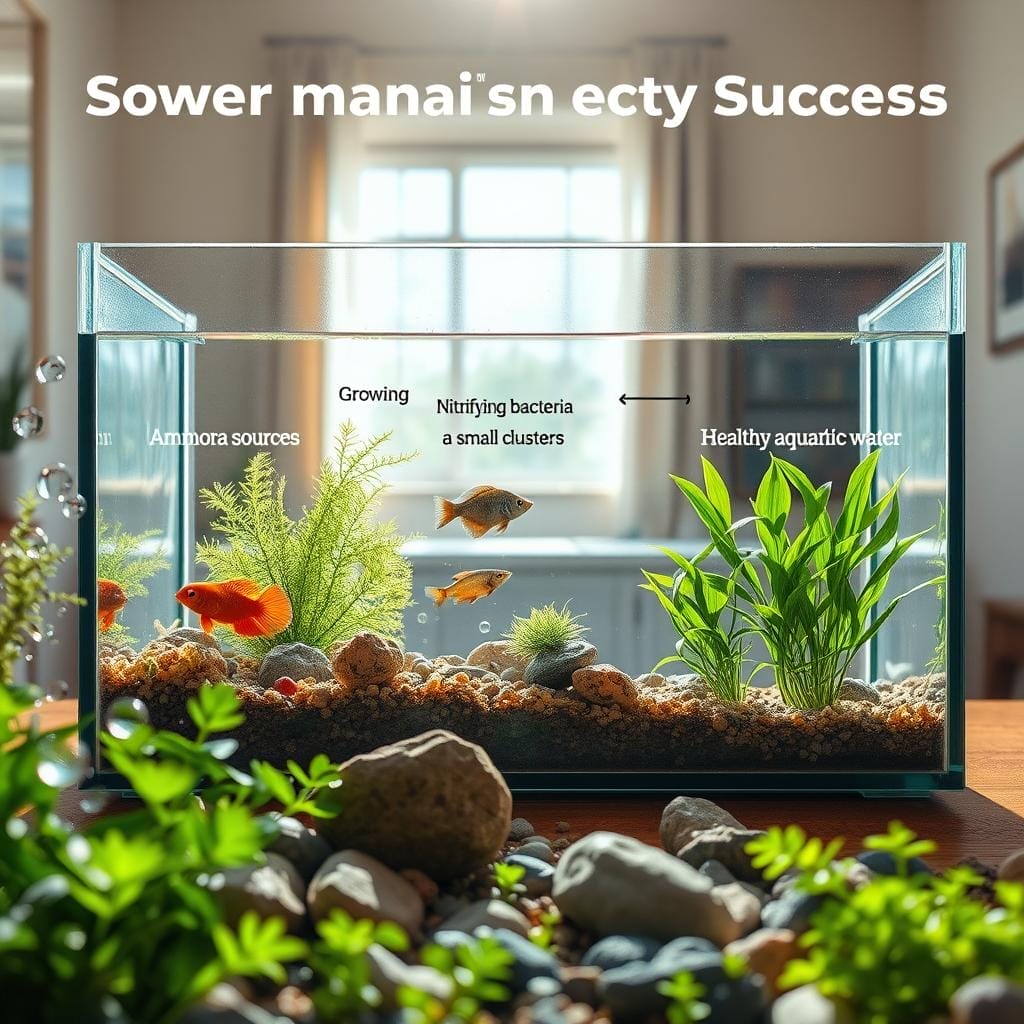
Your aquarium’s helpful microorganisms naturally colonize surfaces where water flow provides oxygen and food. They settle in your filter media, gravel, and decorations, forming a biological filtration system.
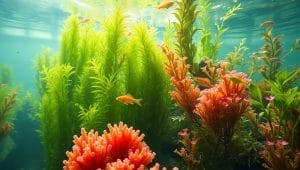
As these microorganisms establish colonies, you’ll notice remarkable benefits. Your water stays crystal-clear for longer periods between cleanings. Algae growth slows down significantly, and your fish appear more vibrant and active.
The natural processes these tiny helpers perform mirror what occurs in healthy lakes and rivers. They break down organic waste, releasing essential nutrients that your aquatic plants can absorb. This creates a balanced ecosystem where everything works together.
Supporting your tank’s microbial growth means working with nature rather than against it. Provide adequate surface area for colonization and ensure proper water circulation. Your bacteria will reward you with a beautifully maintained aquarium that thrives with minimal effort.
Maximizing the Benefits of Beneficial Bacteria in Your Aquarium
The true power of your aquarium’s ecosystem comes from nurturing the diverse community of microorganisms living within it. When you support these tiny workers properly, they reward you with cleaner water and healthier fish.
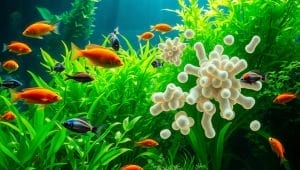
Your tank’s health depends on maintaining stable conditions for these microscopic helpers. Avoid practices that harm their colonies, like over-cleaning filter media or using medications unnecessarily. Proper filtration and good oxygen levels keep them thriving.
Different species work together as a team in your aquarium. Each strain targets specific waste products, creating comprehensive water treatment. Supporting this diversity gives you better results.
A robust colony acts as a safety net for your tank. It helps recover quickly from stress events like overfeeding or adding new fish. This buffer gives you more margin for error in your care routine.
To maximize these benefits, consider using bacterial supplements when starting new tanks or after treatments. The health improvements extend beyond water quality—your fish will show brighter colors, more active behavior, and stronger immune systems.
By working with nature’s filtration system, you create a balanced environment where everything supports each other. Your aquarium becomes more resilient and easier to maintain.
Exploring Aquarium Treatments Enriched with Beneficial Bacteria
Sometimes your aquarium’s natural microbial community needs a helping hand, and that’s where specialized treatments come in. A variety of products are designed to boost your tank’s microscopic workforce.
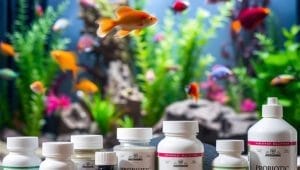
These solutions introduce live, helpful strains to create a more resilient environment for your fish.
Probiotic Supplements and Water Additives
You can find these helpful microorganisms in liquid supplements, water additives, and even pre-colonized filter media. They work like probiotics for people, adding specific strains directly to your aquatic system.
When selecting these supplements, check the label for the types of microorganisms included. Look for colony-forming units (CFU), which tells you the number of live cultures. A higher CFU count doesn’t always mean a better product.
Many quality probiotics contain proven strains like Nitrosomonas and Nitrobacter. These are essential for processing fish waste and leftover food.
Application Tips and Proper Dosage
For the best results, follow the instructions on your chosen treatment carefully. It’s important to use the correct amount—adding more won’t speed up the process.
These probiotics are perfect when starting a new tank or after using medications. Adding them during a water change helps them spread evenly. This practice is key to maintaining your aquarium fish health.
Most supplements suggest weekly use for the first month. After that, a monthly dose is often enough for maintenance. Remember, these are living bacteria, so store them properly and check expiration dates.
Essential Products and Supplements That Contain Bacterial Cultures
Not all bacterial supplements are created equal. Knowing what to look for ensures you get the best results for your tank. The right choice can dramatically boost your aquarium’s natural filtration.
Quality products contain specific microbial strains proven for aquarium use. These are not general-purpose blends. You want species like Nitrosomonas and Nitrobacter that thrive in water.
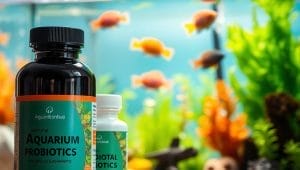
Top Aquarium Bacterial Products to Consider
Look for labels that state “live active cultures.” This means the microorganisms are alive and ready to work immediately. Check the potency listed in colony-forming units (CFU).
Higher CFU counts often mean a more powerful product. Proper storage is critical for these live active cultures. Many require refrigeration to maintain their strength until you use them.
The best supplements include multiple strains. This creates a team that handles different waste products. Some target ammonia, while others break down organic matter.
Utilizing Live Active Cultures for Optimal Health
Using high-quality probiotic supplements is a direct way to support your tank’s health. They are perfect for starting new aquariums or recovering after medication.
These probiotics introduce carefully selected species. The bacteria include types designed to colonize filter media effectively. This leads to a more stable and resilient aquatic environment for your fish.
Analyzing the Research Behind Probiotics and Aquatic Systems
Have you ever questioned whether aquarium probiotic claims have solid scientific backing? It’s smart to approach these products with both curiosity and caution. Current research shows promising results, but also reveals important limitations you should understand.
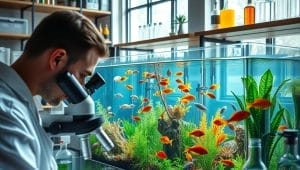
Recent Studies and Key Findings
Scientific review of aquatic probiotics demonstrates that benefits are highly strain-specific. What works for one type of bacteria in a study may not apply to different strains. This means you can’t assume all probiotic products will deliver the same health benefits.
Studies indicate that consistent, long-term use provides more significant results than one-time treatments. Probiotics work best as preventive measures rather than cures for existing disease conditions. Researchers found they’re most effective when combined with proper filtration and maintenance.
Current research suggests probiotics help through multiple mechanisms. They compete with harmful organisms, produce antimicrobial substances, and enhance water quality. However, effectiveness depends heavily on your tank’s specific environment.
The most valuable research finding for hobbyists? Probiotics work best as part of a comprehensive care program. Maintain realistic expectations and focus on establishing diverse microbial communities rather than seeking magic solutions.
Comparing Aquarium Bacterial Systems to Human and Soil Microbiomes
You might be surprised to learn that the principles governing your aquarium’s microscopic world have powerful parallels in human health and agriculture. The same scientific concepts that help people with digestive issues or farmers growing crops can improve your tank’s balance.
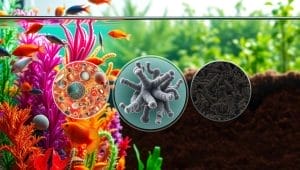
Insights from Clinical and Agricultural Research
Your body hosts trillions of microorganisms—outnumbering your human cells ten to one. Your gut microbiome breaks down food and prevents infections, much like your aquarium’s microbial community processes waste.
Research shows that diverse bacterial populations create better health outcomes in both people and aquariums. When you use antibiotics, they disrupt both harmful and helpful microorganisms in your system. This explains why medications can upset your tank’s balance too.
Agricultural studies teach us that consistent bacterial inoculation works better than one-time treatments. Soil microorganisms form symbiotic relationships with plants, similar to how your aquarium’s microscopic helpers support aquatic plants. According to a clinical review of probiotic research, specific strains matter for effective results.
Lessons Learned from Probiotic Foods and Biofertilizers
Fermented foods like yogurt contain live cultures that support human health. These probiotics may help with conditions like irritable bowel syndrome by creating competitive environments against harmful species.
Also Read: Common Aquarium Problems and How to Fix Them
In your aquarium, diverse microbial communities provide more robust benefits than single-strain products. The lactic acid in fermented foods creates environments hostile to pathogens, while balanced aquarium microorganisms help stabilize pH levels.
Just as people with weakened immune systems need caution with dietary supplements, fish with compromised health require careful probiotic use. The ways these microscopic helpers support different systems—from nutrient absorption to immune function—show us that working with nature’s design creates the healthiest environments.
Tips for Maintaining a Healthy Microbial Balance in Your Aquarium
Your aquarium’s invisible workforce needs consistent support to maintain the delicate balance of your underwater world. With the right approach, you can keep your microscopic helpers thriving while protecting your fish’s health.
Regular Maintenance and Monitoring Strategies
Your routine care directly impacts your tank’s microbial system. Never replace more than 30% of water at once to protect established colonies. Clean filter media in old tank water instead of tap water to preserve helpful strains.
Test ammonia, nitrite, and nitrate levels weekly. This helps you track whether your microscopic workforce processes waste effectively. Stable water parameters support consistent microbial growth.
Avoid overusing antibiotics and chemical treatments. These can wipe out helpful microorganisms along with harmful ones. When treatment becomes necessary, quarantine sick fish to protect your main tank’s ecosystem.
Best Practices for Long-Term Aquarium Health
Feed your fish carefully to prevent excess food from overwhelming your microbial community. Different types of these microscopic helpers require specific nutrients and conditions.
Use dechlorinated water for changes since chlorine kills bacteria indiscriminately. Provide plenty of surface area through quality filter media and porous decorations. This gives various species space to colonize.
Regular use of probiotic supplements during water changes maintains robust colonies. Your bacteria include diverse strains that handle different waste products. Supporting this diversity strengthens your entire system against disease and infections.
A Final Word on Embracing Natural Bacterial Support for Your Aquarium
Your journey into aquarium care transforms when you embrace the microscopic allies working tirelessly in your tank. These helpful microorganisms form the foundation of your aquatic ecosystem’s long-term success.
By supporting natural processes, you create conditions where fish thrive without constant health concerns. Different strains work together to process nutrients and prevent disease. This approach mirrors how people use probiotics for wellness.
Your commitment to microbial balance pays dividends in clearer water and fewer infections. Remember that quality matters more than marketing claims when choosing supplements. Proper storage and consistent use ensure optimal results.
Patience is essential as colonies establish, but the benefits outweigh any wait. These natural systems create resilience that chemicals cannot match. Understanding biofilm development helps you appreciate this living foundation.
You now possess the knowledge to create a balanced environment where both fish and microorganisms flourish together. This partnership represents the true art of aquarium keeping.
FAQ
How quickly do beneficial microbes start working in a new tank?
These helpful microorganisms begin colonizing immediately, but it typically takes 4 to 6 weeks to establish a fully functional colony. This process, known as cycling, is crucial for creating a safe environment for your fish.
Can I use probiotics or supplements to speed up the cycling process?
Yes, high-quality products like Seachem Stability or Tetra SafeStart contain live active cultures that can significantly reduce cycling time. They introduce established strains directly into your system to jump-start the biological filtration.
What happens to the microbial balance when I treat my fish with antibiotics?
A> Antibiotics can disrupt your aquarium’s delicate microbiome by eliminating both harmful pathogens and helpful strains. After treatment, it’s essential to replenish your tank using bacterial supplements to restore balance and prevent water quality issues.
Are the microorganisms in my aquarium similar to those in probiotic foods like yogurt?
While the core concept of supporting health with helpful microbes is similar, the specific species and strains differ. Aquarium products are formulated with microorganisms that thrive in aquatic environments and target waste breakdown, unlike those designed for human digestive health.
How often should I add bacterial supplements to my established aquarium?
For routine maintenance in a balanced tank, adding a supplement after weekly water changes is sufficient. Always follow the dosage instructions on products like Fluval Cycle or API Quick Start, as overuse can cause cloudiness without providing extra benefits.
What are the signs of an unhealthy or imbalanced microbial community in my tank?
Watch for symptoms like persistent cloudy water, unexplained fish illness, rising ammonia or nitrite levels, and algae blooms. These conditions often indicate that your biological filtration needs support to process nutrients effectively.
Aquarium maintenanceBeneficial bacteria in aquariumsFish Tank HealthNitrogen cycleWater quality in aquariums
Hi, I'm Millie a passionate fish enthusiast and blogger. I loves learning about all kinds of aquatic creatures, from tropical fish to stingrays.