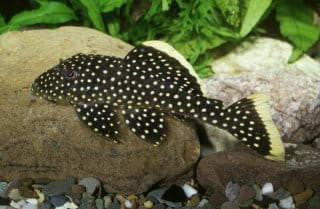

Blue Phantom Pleco Care Guide
 Millie Douglas
Updated on: July 26, 2024 .
13 min read
Millie Douglas
Updated on: July 26, 2024 .
13 min read
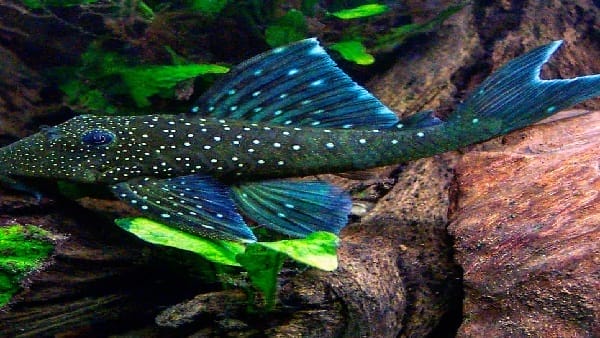
The Blue Phantom Pleco, known in the science world as Hemiancistrus sp. L128, is a real eye-catcher for anyone who loves having fish tanks.
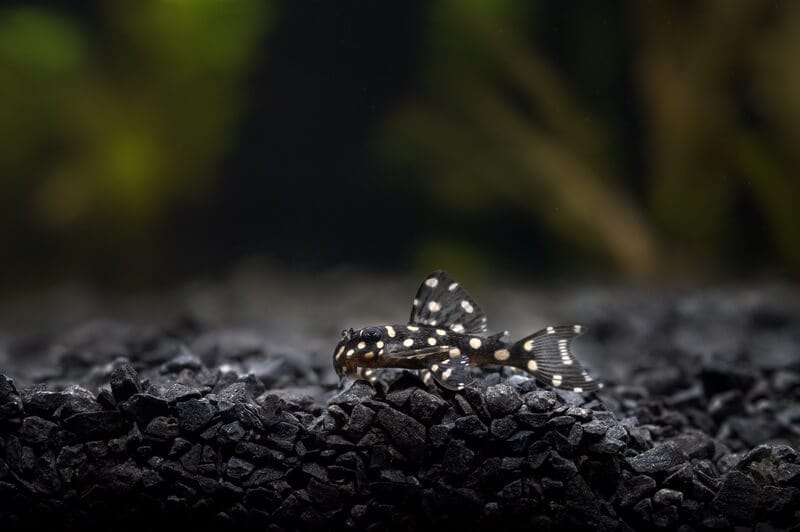
Its body shines with a beautiful blue and sparkles with iridescent spots that make it stand out like a precious stone among other freshwater fish. These plecos call Venezuela home, especially enjoying the warm and swift waters filled with rocks along the Orinoco River.
For those into their aquariums, this phantom of blue not only wins hearts with its stunning looks but also because it’s easy to get along with and doesn’t ask for much when it comes to taking care of them.
With just the right environment and some attention to their needs, these plecos will do more than just survive; they’ll flourish in your tank.
In our guide on how to take care of Blue Phantom Plecos, we’re going deep into what makes these beauties tick—from where they come from all the way to creating their perfect living space at your place. We’ve got everything covered: what they need food-wise, how they behave around others in the tank so everyone lives peacefully together.
So whether you’re pretty experienced or new at adding life under water inside glass walls wanting something elegant swimming around—this guide has got you sorted on keeping happy healthy Blue Phantoms.
Read More : https://realacas.com/types-of-pleco-for-aquarist/
Understanding Blue Phantom Pleco
The Blue Phantom Pleco, or Hemiancistrus sp. L128 for those who like the official names, is a kind of freshwater fish that’s really caught the eye of people who love setting up aquariums.
Coming from Venezuela, these plecos are in high demand because they have this cool blue color all over their bodies and even cooler blue spots to match.
Belonging to the catfish family means the Blue Phantom Pleco fits right into most groups of fish you might already have in your tank without causing any trouble.
Its chill vibe and stunning looks make it a top pick for anyone wanting to bring some extra flair and elegance into their aquarium setup with its unique body coloration and peaceful nature.
Also Read: How to Care for Your Adonis Pleco
Origin and Habitat
The Blue Phantom Pleco, a freshwater fish from Venezuela’s Orinoco River, loves the warm and swift waters filled with rocks. In its home environment, it often hides among rocks and debris to find food and shelter thanks to the river currents.
For these plecos to be happy in an aquarium setting, they need water conditions that mimic their natural habitat. This means creating a space where they feel safe and stress-free is crucial.
When setting up your tank for Blue Phantom Plecos, think about things like how big the tank should be, what kind of water you’ll use, and places for them to hide. A spacious and clean aquarium helps them stay healthy while letting them act as they would in the wild.
Species Overview
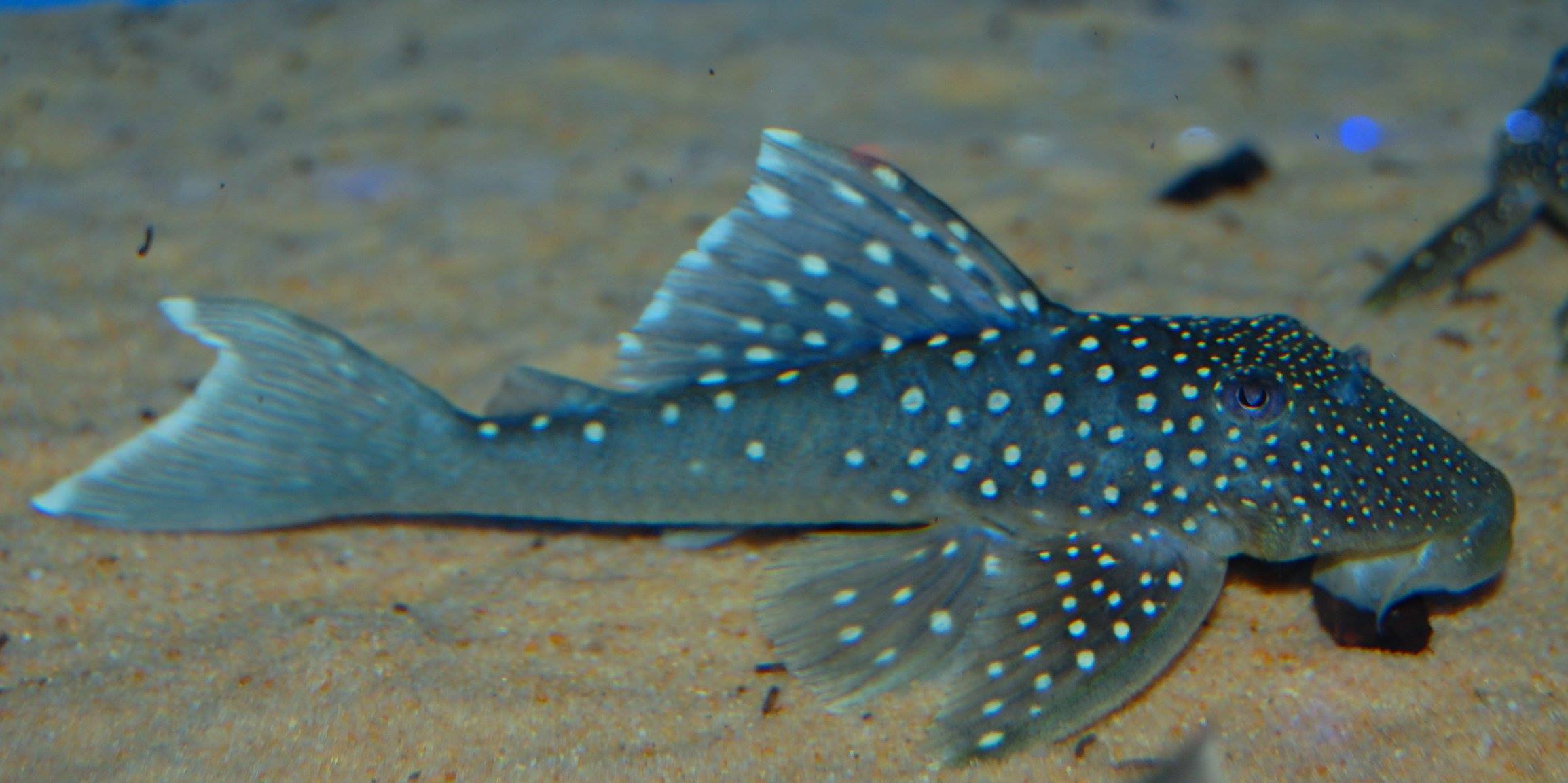
The Blue Phantom Pleco, or Hemiancistrus sp. L128 as the science folks call it, is a kind of catfish that really catches your eye. It’s got this cool blue color all over and these amazing blue spots that make you look twice.
With their long bodies, they’ve also got this special mouth setup with teeth-like things so they can munch on algae and biofilm sticking to stuff in the water. Their fins match their body with that same bright blue, making them pretty stunning to see.
These plecos are chill creatures who get along well with others in a tank as long as those other fish aren’t bullies or food hogs. With some care about who their neighbors are and setting up their home right in an aquarium, these guys can do more than just survive; they’ll be the stars of the show.
Setting Up the Perfect Environment
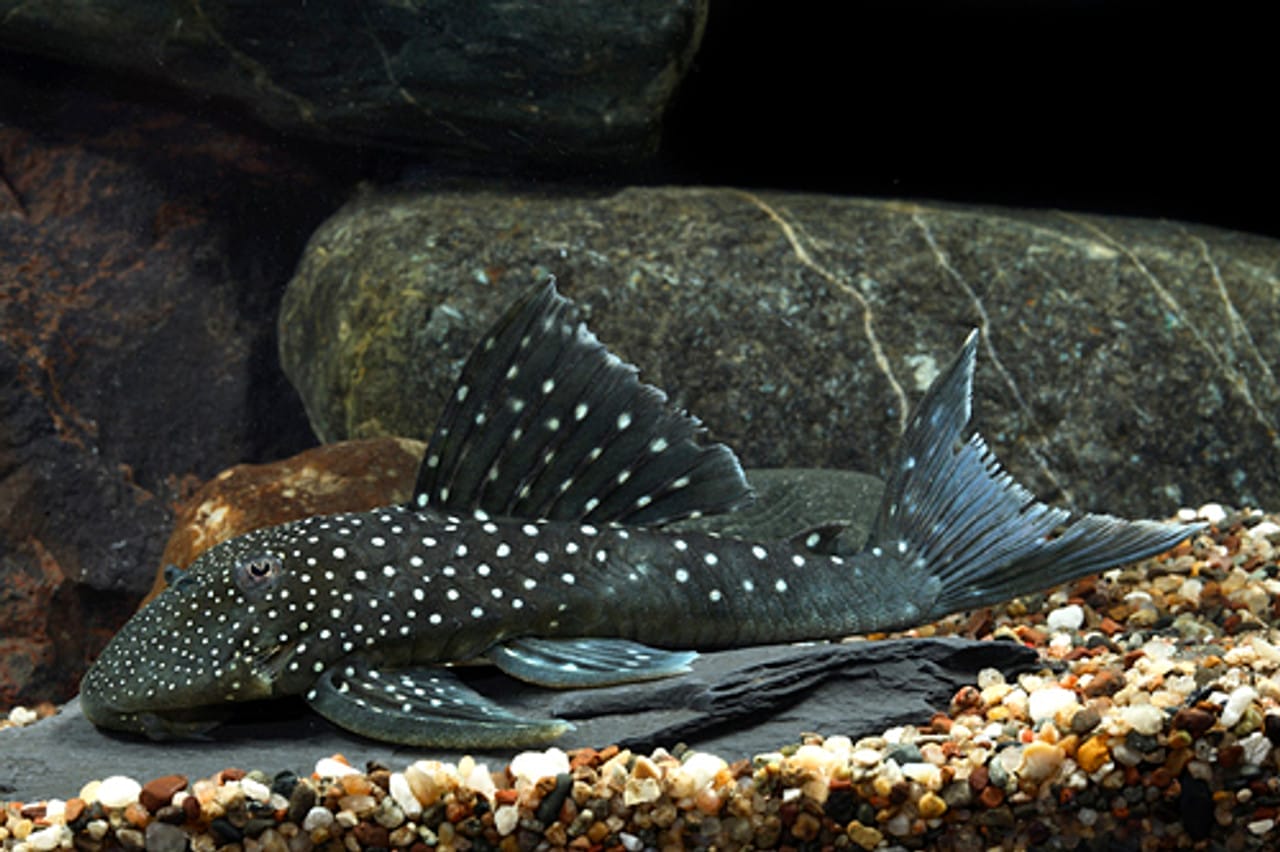
To make sure your Blue Phantom Plecos are happy and healthy for a long time, it’s important to set up their home just right. This means getting the tank size correct, choosing the best ground cover, adding plants, and picking out decorations that will make them feel at ease.
For these plecos, you should have at least a 75-gallon aquarium. With this much room, they’ll have plenty of space to move around and check things out. On top of that, your tank needs a good filter system to keep the water clean and a heater to keep the temperature steady.
Blue Phantom Plecos really like an environment that feels like their natural home with lots of spots where they can hide away when they want to—think caves or pieces of driftwood.
By setting up their living area this way, you’re giving them comfort and safety. Putting live plants in there not only makes everything look nicer but also grows biofilm which is great for them to snack on.
Also Read: How to Care for Hypostomus Plecostomus Fish
Tank Size Recommendations
The Blue Phantom Pleco, also known as Hemiancistrus sp. L128, requires a spacious tank to thrive and exhibit its natural behavior. A minimum tank size of 75 gallons is recommended, providing ample swimming space and territories for multiple plecos.
In order to better understand the tank size requirements for Blue Phantom Plecos, here is a breakdown of their ideal tank size based on their size:
| Blue Phantom Pleco Size | Recommended Tank Size |
| 1.5-2.5 inches | 75 gallons |
| 3.0-4.0 inches | 100 gallons |
| 4.0 inches and above | 125 gallons |
It is important to note that these recommendations are based on the needs and growth potential of Blue Phantom Plecos. Providing them with a larger tank will allow them to thrive and have enough space to establish their territories. Regular water changes and proper maintenance are also essential for the overall health of your plecos.
Tank Setup: Substrate, Plants, and Decor
To make the perfect home for your Blue Phantom Plecos, it’s all about getting the right mix of sand or fine gravel, plants, and decorations in your aquarium.
With the substrate, you want something that looks like what they have in nature. This lets them do their thing—digging around for food—which also makes your tank look more natural.
By putting live plants in there, not only does it make everything look nicer but it also gives these plecos places to hide and helps grow biofilm. Biofilm is this layer on top of surfaces like plants and decor where our omnivorous friends love to snack.
For decorations, think about adding pieces of driftwood or rocks that create little hiding spots and mark territories for them. These touches don’t just boost how cool your aquarium looks; they give a much better living space for your Blue Phantom Plecos by making things feel more like their natural habitat.
Water Parameters for Optimal Health
To keep your Blue Phantom Plecos healthy and happy, it’s really important to give them the right kind of water. They like their water a bit on the acidic side or just plain neutral, with a pH between 6.5 and 7.5. As for temperature, they’re most comfortable in warm water that’s between 78-82°F (25-28°C). Checking these levels often and tweaking things as needed helps create a perfect home for your plecos.
With regards to their living space, making sure there’s enough oxygen and the water is moving nicely matters a lot too. By setting up an effective filter system and maybe adding some devices like powerheads or airstones around the aquarium can make this happen. This setup mimics their natural habitat by providing well-oxygenated water with a good flow.
On top of all that, changing out some of the water regularly is key to keeping everything clean and safe for your Blue Phantom Plecos.
Aiming to swap out about one-fourth of the tank’s volume every week will help get rid of any harmful waste buildup while also bringing in fresh minerals they need.
Nutrition and Feeding Habits
To keep your Blue Phantom Plecos healthy and full of life, it’s important to feed them the right mix of foods. Since they eat both plants and meaty foods, you should give them a variety that covers both bases.
For these plecos, a good meal plan includes sinking pellets made just for them, along with some frozen or live treats like bloodworms, brine shrimp, and daphnia now and then. Also throwing in some veggies occasionally is a great idea.
The sinking pellets are key because they’re packed with nutrients needed for a balanced diet but remember to add those extra protein snacks too.
On top of what you feed them directly, Blue Phantom Plecos love munching on algae and biofilm that naturally grow in their home – the aquarium.
So by keeping their living space clean yet allowing these natural food sources to flourish here and there can really help boost their health.
Dietary Needs of Blue Phantom Pleco
Blue Phantom Plecos are fish that eat both plants and animals, so they need a mix of food to stay healthy. In the wild, they munch on algae, biofilm (a kind of slimy layer), and tiny water creatures for their meals.
When keeping them in an aquarium, it’s key to give them various foods just like they’d find in nature. The main part of what you feed them should be high-quality sinking pellets made especially for plecos. These pellets have plant stuff, proteins, plus important vitamins and minerals all mixed together.
For a treat now and then, adding some live or frozen snacks like bloodworms, brine shrimp or daphnia is a good idea. These extra protein sources help with their growth and keep them in top shape.
On top of this diet plan from us humans; Blue Phantom Plecos will also nibble on any algae or biofilm growing right there in your tank if you’ve got everything balanced well ecosystem-wise.
Feeding Schedule and Portions
To keep your Blue Phantom Plecos healthy, it’s crucial to feed them regularly and make sure they get the right kind of food. Sticking to a feeding schedule is really important for these fish.
For Blue Phantom Plecos, you can feed them once or twice a day based on how big or old they are. A good rule is to only give them as much food as they can eat in a few minutes.
Giving them too much food isn’t good because it can mess up the water and make the plecos sick, so watching how much you feed them is key.
These plecos like to munch on algae and biofilm that grow in their aquarium home which helps with their diet but shouldn’t be all they eat.
To ensure they’re getting everything needed nutrition-wise, include sinking pellets in their diet along with some live or frozen foods now and then.
Behavior and Social Compatibility
To really get how Blue Phantom Plecos behave and make sure they’re happy with their tank buddies, it’s key to know what makes them tick. These fish are chill by nature, meaning they play nice with other calm fish in the tank. But, picking friends for them that won’t bully or hog all the food is crucial.
With these plecos being night owls, active mostly when we’re asleep, they like spending daylight hours tucked away in snug spots like caves or nestled among aquarium plants and decorations. By setting up plenty of these cozy hideouts in their home, you help them feel safe and let them stick to their nighttime routine.
Understanding Their Temperament
The Blue Phantom Pleco is a chill and friendly fish, perfect for tanks with lots of different fish. They don’t really fight over space or bother other fish.
These plecos love to hunt for snacks all day long. With their special mouthparts that work like teeth, they’re great at cleaning up algae and biofilm from stuff in the tank.
Even though they’re pretty easygoing, it’s still key to make sure there are plenty of spots for them to hide out in the aquarium. This keeps them happy and stops any squabbles with their tank buddies.
Also Read: Ultimate Guide to Iquitos Tiger Pleco Care
Suitable Tank Mates for Peaceful Coexistence
When picking friends for your Blue Phantom Plecos in the aquarium, it’s key to look for fish that are chill like them and have similar eating habits. You want tank mates that will live peacefully together without causing any trouble for the Blue Phantom Plecos.
For these plecos, good buddies include calm community fish such as tetras, rasboras, gouramis, and dwarf cichlids. These types of fish get along well with the easy-going nature of the plecos and won’t fight over food or bother them.
On the other hand, you should steer clear of putting Blue Phantom Plecos with fish that are pushy or claim their space too much because they might hog all the food or pick fights.
It’s also smart to think about how big potential tank mates get and if there’s enough room for everyone to swim around easily in the same aquarium.
Health and Wellness
Looking after the health and wellness of Blue Phantom Plecos is key to making sure they live long and stay well. Just like other fish, they might run into some health problems.
But, if you take good care of them and follow preventive steps, you can keep these issues to a minimum. It’s crucial to know about the common health problems that may affect Blue Phantom Plecos and how to treat them. On top of this, using tips for preventive care will help your plecos stay in great shape and avoid any possible health troubles down the line.
Common Health Issues and Treatments
Blue Phantom Plecos, just like other catfish types, often face some health problems. With skin and gill parasites being a common trouble, these little guys can get pretty uncomfortable.
To help them out, it’s key to pick the right meds that won’t harm them or their home in the aquarium. On top of that, they might catch bacterial or fungal infections sometimes.
Luckily, there are special medications for those too. Keeping an eye on your plecos for any sickness signs is crucial so you can act fast with the treatments they need.
Preventive Care Tips
To keep Blue Phantom Plecos healthy, it’s really important to look after them properly. This means changing the water regularly and making sure the water conditions are just right for them.
Also Read: Discovering Baryancistrus Xanthellus Species
With their food, you’ve got to make sure they’re getting a good mix of things like sinking pellets, some fresh veggies now and then, and maybe even some live or frozen treats occasionally.
It helps a lot if they have lots of places where they can hide out and chill because that keeps them from getting too stressed out.
By keeping an eye on your plecos often, you can catch any signs that something might be wrong early on which lets you deal with problems before they get big.
Hi, I'm Millie a passionate fish enthusiast and blogger. I loves learning about all kinds of aquatic creatures, from tropical fish to stingrays.