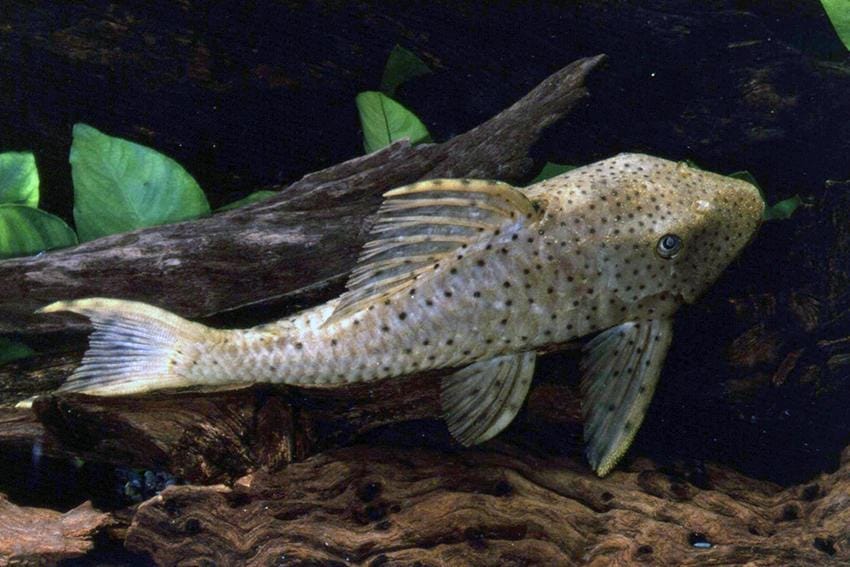

How to Care for Hypostomus Plecostomus Fish
 Millie Douglas
Updated on: July 12, 2024 .
13 min read
Millie Douglas
Updated on: July 12, 2024 .
13 min read
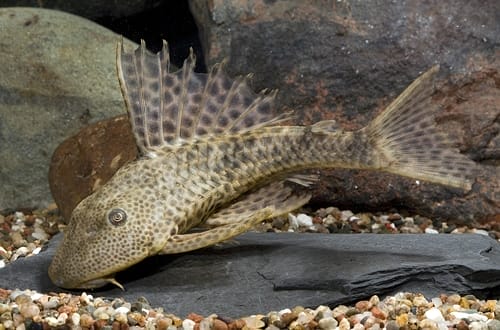
Originally from South America, the Hypostomus Plecostomus or suckermouth catfish is a favorite among aquarium enthusiasts. As members of the armored catfish family, these fish are known for their role in keeping tanks clean by eating algae. They stand out because of how they look and act.
To make sure these fish do well, it’s important to know what kind of care and environment they need. Let’s dive into more details about the world of Hypostomus Plecostomus and see why they’re such an asset in the aquarium trade.

Read More : https://realacas.com/types-of-pleco-for-aquarist/
Understanding Hypostomus Plecostomus
Plecos, also known as Hypostomus Plecostomus, come from South America and are part of the armored catfish family called Loricariidae. They’re well-known in the aquarium trade because they eat algae.
These fish have a few unique things about them like their suckermouth, dorsal fin, and big body size. In freshwater places where they live, Plecos are really important because they help clean up by eating algae and other stuff that shouldn’t be there. If you want to keep these fish happy in your home aquariums, it’s super important to learn about how they behave and what makes them tick.
The Origin and Natural Habitat of Plecostomus
The plecostomus, often just called a pleco, comes from South America and is usually seen in places like the San Antonio River. These fish are part of the loricariidae family and have tough skin that looks like armor.
They’re really good at eating algae in freshwater spots. You can find them hanging out in Val Verde County, along San Felipe Creek in Texas, and even as far away as Costa Rica.
Plecos stand out because they have these cool dorsal fins and they love munching on aquatic plants. Where they live is super important for their health and how they fit into the food chain, which scientists call trophic ecology.
Recognizing Different Species of Plecostomus
Plecostomus fish are a group with lots of different types, each looking pretty unique. The vermiculated sailfin catfish, also known as Pterygoplichthys anisitsi, comes from South America.
Then there’s the Orinoco sailfin catfish that likes living in water areas a lot. These fish, including ones called Pterygoplichthys disjunctivus and Pterygoplichthys pardalis, are often seen in aquariums because people like how they look.
They have cool features like tough bodies and fins that remind you of sails which make them really stand out among other freshwater fish. To tell them apart, you usually check out the special patterns on their skin and the way their fins are shaped.
Also Read: How to Care for Your Adonis Pleco

Preparing for Your Plecostomus
To make a good home for your Hypostomus Plecostomus, it’s important to get the setup just right. You’ll need a tank that’s big enough and some fish friends that get along well to keep things peaceful under the water.
With aquatic plants around, you can create a space where your fish feels at ease and has plenty of room to move about. By understanding the trophic ecology of Plecostomus, you’ll know exactly what kind of food keeps them happy and healthy.
Keeping their home clean is crucial too; this means making sure the water quality is up to par and that it stays at the right temperature for your armored catfish. When picking out gear for their tank, remember they’re bottom cleaners by nature so choose stuff that meets their special needs.
Essential Equipment and Setup for Housing Plecostomus
To make sure a Hypostomus Plecostomus feels at home, you need the right gear and setup. They’re pretty big fish, so they’ll need plenty of room in a tank that holds at least 75 gallons.
With these fish making quite the mess, it’s important to have good filtration to keep the water clean. For their comfort, add some hiding places and driftwood where they can chill out.
Adding aquatic plants will make their space even nicer by making it look more like where they come from naturally. It’s also a good idea to put sandy substrate on the bottom since these guys like digging around in it.
Selecting the Right Tank Size and Companions
To make sure your Hypostomus Plecostomus is happy and healthy, it’s important to pick a tank that holds at least 75 gallons. This gives them plenty of room to move around and stay fit, both in body and mind.
When choosing buddies for them, go with calm fish species like tetras or corydoras; this helps avoid any fights over territory.
Stay away from fish that are known to be pushy or bossy because they can make your Plecostomus feel stressed out. Keeping the peace in the tank is really important for all your aquatic friends’ well-being.
By thinking about the right tank size and which fish species get along best together, you’re setting up a great home for your Hypostomus Plecostomus.

Step-by-Step Guide to Caring for Hypostomus Plecostomus
Getting your aquarium ready for your Hypostomus Plecostomus is super important. Before you put the fish in, make sure to cycle the tank so they can get used to it. It’s key to keep the water clean and at the right temperature so they stay happy and healthy.
They need a good diet too, so be sure what you’re feeding them is spot on. Keeping their home clean with regular maintenance will make a big difference in making a great place for them to live. Stick closely to these steps if you want to take care of your Hypostomus Plecostomus well.
Step 1: Setting Up the Aquarium
To make sure your Hypostomus Plecostomus feels at home, you’ll need a big enough tank. Aim for something that holds about 75 gallons if they’re grown-ups.
With places to hide like driftwood and caves, they’ll feel more secure. For keeping the water clean, a good filtration system is key.
The temperature should be kept between 73-82°F to keep them comfortable. A sand substrate will help mimic their natural environment better. Adding aquatic plants can also provide some extra enrichment for them.
When you first introduce these fish into their new space, do it slowly to prevent stress and keep an eye on the water’s condition during this time of getting used to their new surroundings.
Step 2: Cycling the Tank Before Introduction
Before you bring your Hypostomus Plecostomus home, it’s important to get the tank ready by starting the nitrogen cycle.
You can do this by putting in something that creates ammonia, such as fish food or liquid ammonia. With test kits, keep an eye on how much ammonia, nitrite, and nitrate are in the water.
Over time, good bacteria will grow and change these harmful substances into safer ones. Usually, this whole setup takes between 2 to 6 weeks.
Make sure not to add any fish until there’s no more ammonia or nitrite left; this way you’ll know it’s a safe place for your Plecostomus.
Step 3: Maintaining Water Quality and Temperature
For your Hypostomus Plecostomus to thrive, it’s crucial to have a good filtration system that keeps their home clean. With regular changes of water, you can stop ammonia from building up too much.
These fish like their water warm, so aim for temperatures between 72-82°F (22-28°C). Keeping an eye on the pH levels is important too; they should be around 6.5-7.5 for these fish to be happy and healthy. By using a thermometer and testing the water often, you can make sure everything stays just right in their tank environment.
Step 4: Feeding Your Plecostomus Proper Diet
To keep your Hypostomus Plecostomus healthy and happy, make sure their diet includes a variety of foods. Start with sinking algae wafers, add in some fresh veggies like zucchini or cucumber slices, and every now and then, give them a special snack like bloodworms or brine shrimp.
Since they mainly eat plants, it’s better to focus on vegetables rather than food that’s high in protein. By setting up a feeding schedule, you can help prevent overfeeding because these fish digest their food slowly.
A well-balanced diet not only helps them grow but also brings out their best colors and keeps them feeling good in their home under the water.
Step 5: Regular Cleaning and Tank Maintenance
To keep your Hypostomus Plecostomus happy and healthy, it’s really important to clean their home regularly. Every week, you should change about 25% to 30% of the water in the tank. This helps get rid of any waste and keeps everything balanced.
With a gravel vacuum, make sure to clean the bottom part where they live, and also take some time to scrub off any algae that’s growing on the sides of their tank.
On top of this, always check if the filter is working right because it needs to be in tip-top shape. And don’t forget to keep an eye on both the water temperature and its cleanliness so your Plecostomus fish can thrive in a safe environment.

Health and Well-being of Your Plecostomus
To keep your Plecostomus fish healthy and happy, it’s really important to watch out for any signs of sickness or disease. Make sure you know how to take care of them before problems start, and always check on their health regularly.
If you see something wrong, acting quickly and getting the right treatment is crucial for keeping your aquatic buddy in good shape. By staying ahead with healthcare steps, you can make sure your Hypostomus Plecostomus stays lively and well.
Also Read: Ultimate Guide to Iquitos Tiger Pleco Care
Identifying Common Health Issues and Diseases
Looking after a Hypostomus plecostomus means you’ve got to be on the lookout for health problems and sicknesses they might get. Even though these fish are pretty tough, there are still some things that can bother them.
For starters, if the water in their tank isn’t clean, it could stress them out or make them sick with stuff like fin rot or ich. So, keeping an eye on the water quality and making sure their home is neat is key.
With these fish munching away at food and stuff in the tank using their mouths, sometimes their teeth or whisker-like barbels grow too much.
This can make eating hard for them and cause discomfort. By watching how they’re doing mouth-wise and giving them good food plus things to nibble on helps stop this problem.
On top of that, just like any other fish out there, Hypostomus plecostomus can catch parasites such as anchor worms or gill flukes which bug them a lot causing redness and health troubles. Keeping an eye out regularly then acting fast with the right treatment when needed is crucial.
In short by really paying attention to your Hypostomy’splecos’ behavior ensuring everything from water quality to oral hygiene checks off will help keep your scaly friend happy healthy long-term aquarium life
Preventive Care and Treatments
To keep your Hypostomus plecostomus healthy and happy, it’s crucial to give them the right care. Here’s a simple guide with steps on how to do just that:
- Tank setup: Start by setting up a big enough tank with good filtration, air supply, and control over the temperature. These fish like their water between 72 and 86 degrees Fahrenheit (~22.2 to 30 degrees Celsius) and prefer a pH level from 6.5 to 7.5.
- Diet: Make sure they get a well-rounded diet consisting of top-notch sinking pellets, algae wafers, plus some fresh veggies here and there. Don’t forget to throw in some protein-rich snacks like bloodworms or brine shrimp every now and then.
- Tank mates: When picking friends for them in the tank, be careful about size differences or if other fish might be too pushy or nibble at fins.
- Maintenance: Keep an eye on water conditions such as ammonia levels along with nitrite/nitrate concentrations regularly; also change out part of the water often so it stays clean.
- Disease prevention: Always quarantine any new arrivals before letting them join your main aquarium crew; watch out for signs that something might not be right health-wise among your fish family members early on—getting ahead of problems is key!
Following this straightforward care guide will help ensure you’re providing everything needed for your Hypostomus plecostomus’ welfare while reducing chances they’ll run into health troubles down the line.

Breeding Hypostomus Plecostomus
Getting Hypostomus plecostomus to breed isn’t easy. They need just the right setup and care to reproduce successfully. Here’s what you should keep in mind:
- For breeding conditions, set up a separate tank that has the kind of water they like: a bit warmer, soft, and acidic.
- When it comes to body size and maturity, these fish are ready to breed once they’re big enough and mature.
- As for spawning behavior, Hypostomus plecostomus lay eggs and take really good care of them. The dad watches over the eggs until they hatch.
- After hatching, you can feed the baby fish special fry food or tiny bits of flake food.
- These guys are part of the armored catfish family called Loricariidae which includes other similar types.
If you want your Hypostomus plecostomusto have babies successfully,you’ll need some know-how about how they do things when it comes time for reproduction.Consulting someone who knows a lot about breeding them or getting professional advice is smart too
Also Read: Discovering Baryancistrus Xanthellus Species
Understanding Breeding Conditions
If you want to breed Hypostomus plecostomus successfully, it’s all about getting the environment just right. Here are some key points:
- When it comes to body size, make sure both your male and female fish are big enough and mature before you try breeding them.
- For water parameters, set up their tank so it feels like their natural home. Think warmer water that’s soft and a bit acidic.
- These fish lay eggs and take good care of them afterward. The dad usually watches over the eggs until they hatch.
- It helps if they’re in a separate tank with other fish that get along well during this time. Stay away from any bullies or those who might snack on fins!
By paying attention to these details and keeping an eye on your breeding pair, you’ll have better odds at seeing baby fishes swimming around soon.
Caring for Plecostomus Fry
Looking after baby Hypostomus plecostomus, also known as armored catfish fry from the family Loricariidae, needs some special care. Here’s what you should remember:
- Separation: After the eggs hatch, it’s a good idea to move the little ones away from their parents and any other fish. This keeps them safe from being eaten or hurt.
- Feeding: You can feed these tiny guys with food made just for fry or finely crushed flakes. Making sure they get a mix of different foods is key to helping them grow up strong and healthy.
- Water parameters: For these babies’ home water, keeping things like temperature and pH right is super important. Changing the water often and checking on its condition helps keep your fry happy and healthy.
- Armored catfish family: Knowing that Hypostomus plecostomus are part of this big group of tough-skinned fishes can help you understand better how to take care of them properly.
With enough love in terms of good food, clean water, and a cozy spot away from danger, your armored catfish babies will have everything they need to thrive.
Hi, I'm Millie a passionate fish enthusiast and blogger. I loves learning about all kinds of aquatic creatures, from tropical fish to stingrays.