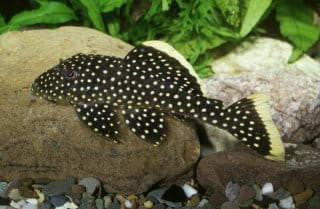

Cochliodon Pleco: A Guide to Loricariidae Catfish
 Millie Douglas
Updated on: July 9, 2024 .
13 min read
Millie Douglas
Updated on: July 9, 2024 .
13 min read
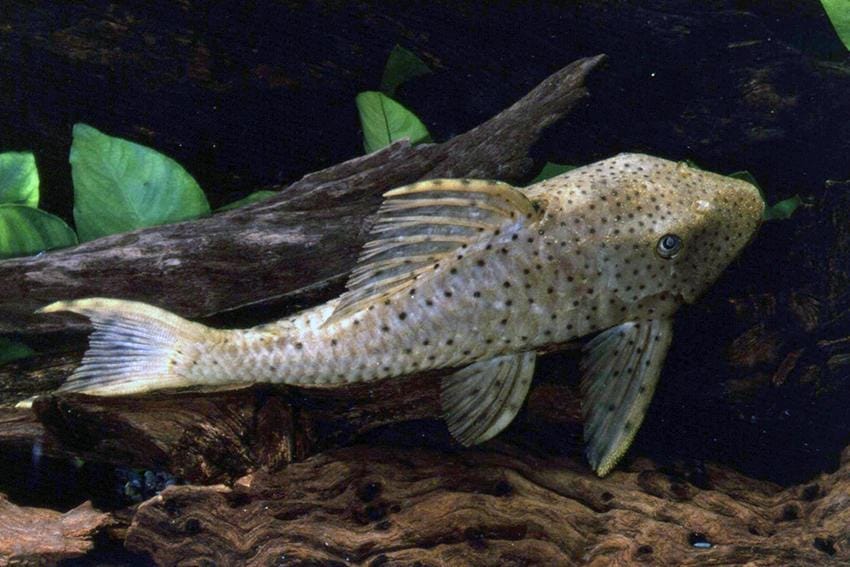
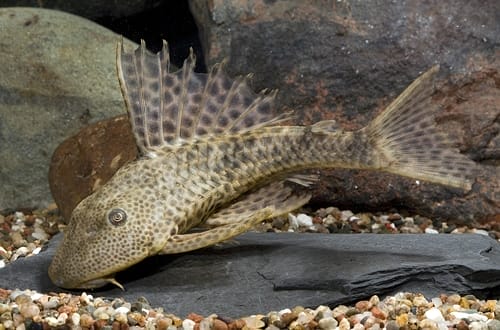
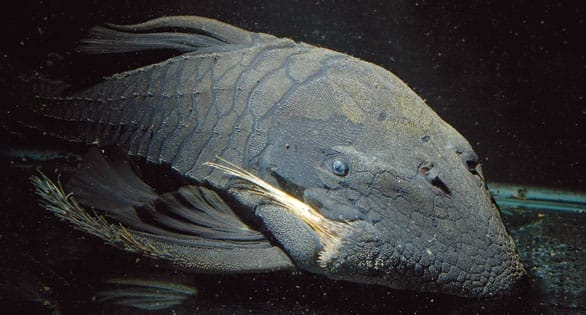
The Blue Eye Panaque, or Cochliodon Pleco as it’s also known, is a type of loricariid catfish that has caught the eye of many aquarium lovers. It comes from South America, with Colombia being its home. What makes this fish so special are its striking blue eyes and unique look.
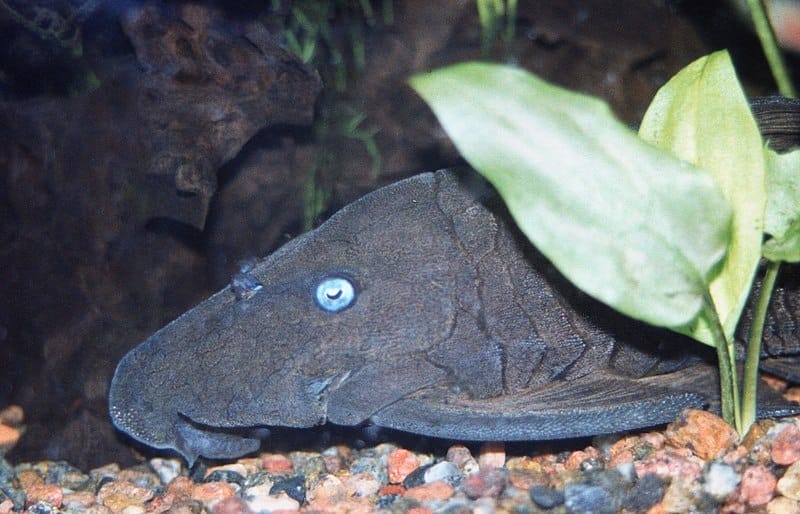
With their silver-gray bodies and bright blue eyes, these catfish stand out in any tank. They’re part of the Loricariidae family which includes a bunch of other plecos and catfish species too.
In their natural habitat in Colombia’s Rio Magdalena – where waters flow quickly – they thrive best. For those keeping them in an aquarium, creating an environment similar to their native one is key for happiness; think lots of hiding spots and water that moves at a good clip. Also very important is having driftwood around because these fish actually eat wood.
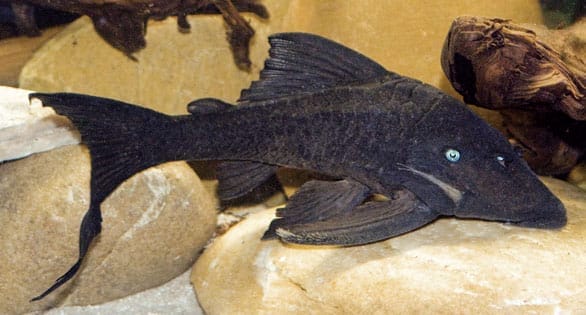
Read More : https://realacas.com/types-of-pleco-for-aquarist/
Understanding Cochliodon Pleco
Cochliodon Plecos, or Blue Eye Panaques as they’re often called, are a really interesting type of catfish. They come from the Loricariidae family, which is pretty famous for having all sorts of plecos and catfish in it.
These guys are originally from South America, more precisely Colombia. What makes them stand out is how they look – they’ve got this cool silver-gray color on their bodies and bright blue eyes that catch your eye right away.
If you want to keep Cochliodon Plecos in an aquarium at home, there’s quite a bit you need to know about taking care of them properly. It’s super important to get familiar with what kind of environment they like naturally, what food suits them best, and the specific things your tank needs to have so these fish can be healthy and feel good living there.
Characteristics and Appearance
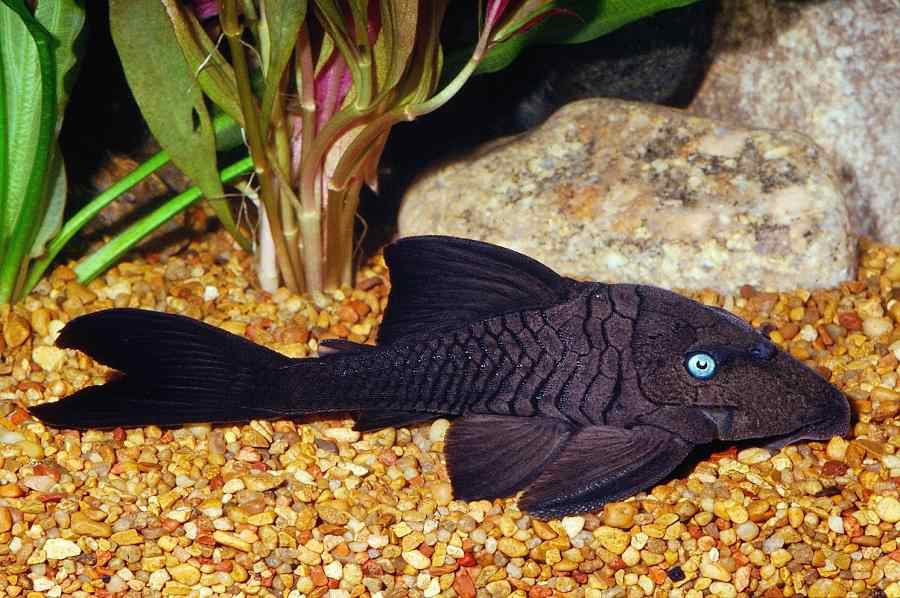
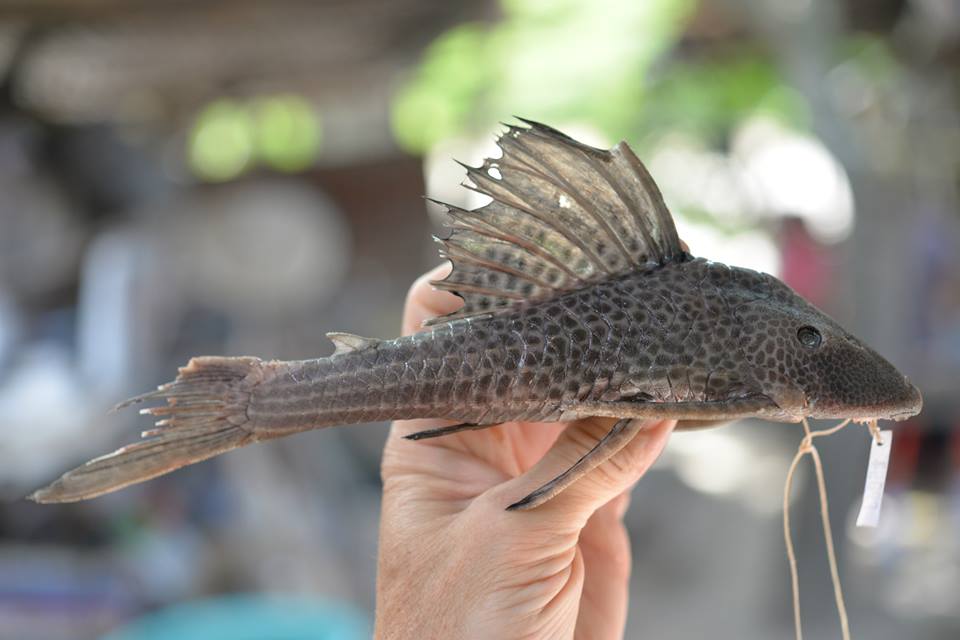
The Blue Eye Panaque, also known as the Blue Eyed Pleco or simply Cochliodon, is a fish that really catches your eye when you see it in an aquarium. These catfish can get pretty big, up to 12 inches (that’s about 30 cm) long.
With their silver-gray bodies and standout blue eyes – which is how they got their names – they make quite the statement piece in any tank. Their unique look and striking colors are why so many people who love aquariums want to have them around.
Natural Habitat and Distribution
Cochliodon Plecos, a type of catfish from the genus Panaque, call the rivers and streams of Colombia their home. They’re special because they eat wood and are often found in places like the Rio Magdalena in Colombia.
With rocky bottoms and lots of hiding spots, these fast-moving waters are perfect for them. Driftwood plays a big part in their lives; it’s where they find shelter and food. Because people love having them in aquariums, you can now find Cochliodon Plecos far beyond Colombia too.
Also Read: How to Care for Your Adonis Pleco
The Diet of Cochliodon Pleco
Cochliodon Plecos, a type of catfish, mainly munch on wood and algae. In their aquarium homes, they need driftwood not just for snacking but also because it’s packed with the good stuff they need to stay healthy. This driftwood is like a toothbrush for them; it helps keep their digestion running smoothly.
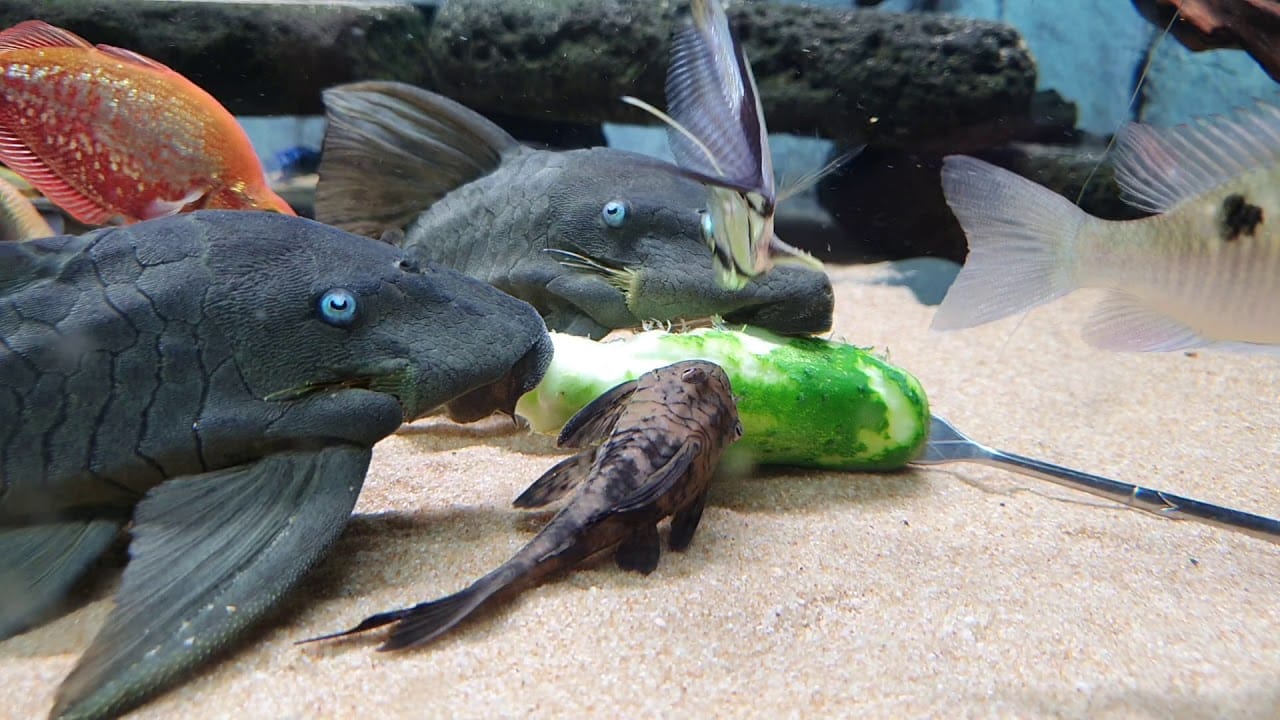
Besides chomping down on wood, these fish are pretty great at cleaning up algae too. To make sure they’re getting all the nutrients they need, tossing in some extras like algae wafers along with bits of cucumber, zucchini, and spinach can do wonders. These add-ons aren’t just tasty treats; they mimic what Cochliodon Plecos would find to eat out in nature and give them a well-rounded diet.
Ideal Foods and Nutrition
- For Cochliodon Plecos, algae wafers are a must-have. They pack the essential nutrients and mimic what these fish would munch on in the wild.
- With cucumber slices, you can give these catfish a fun snack that also keeps them hydrated and adds some variety to their meals.
- Zucchini is another good veggie choice. Just slice it up and give it a quick boil before tossing it into the aquarium for your Cochliodon Plecos.
- Spinach is loaded with vitamins and minerals, making it an excellent addition to their feeding routine for that extra nutritional boost.
- Having driftwood around is key because of their need to gnaw on wood. It’s vital for keeping them healthy and happy in your aquarium setup.
Feeding Schedule and Practices
To keep your Cochliodon Plecos healthy and happy, it’s key to have them on a steady feeding schedule. Since these catfish like to be active at night, the best time for their meals is in the evening or when your aquarium lights are low. Here’s what you should remember:
- Mix up their diet with algae wafers, veggies, and sometimes frozen treats.
- Instead of one big meal, go for smaller amounts more often throughout the day. This helps avoid overfeeding and keeps the water clean.
- Keep an eye on how much they eat to make sure they’re getting enough.
- If there’s food left after a couple of hours, take it out so it doesn’t dirty the water.
- -With hiding places around where you feed them can help lower stress by giving shy fish somewhere safe during meal times.
Setting Up the Perfect Tank
To make sure your Cochliodon Plecos are happy and healthy, it’s really important to set up their tank just right. Think about a few key things like how big the tank is, what the water is like, and which plants or decorations you can add that they’ll get along with. By focusing on creating an ideal home for these catfish, you’re helping them show off their natural ways of acting and making sure they live a long life.
Tank Size and Water Conditions
Cochliodon Plecos require a spacious tank to accommodate their size and provide ample swimming space. The tank size should be appropriate for their growth potential. Here is a text table outlining the recommended size and water conditions for these catfish:
| Tank Size | Water Conditions |
| 180 gallons | pH: 6.4 – 7.4 |
| Temperature: 75-80°F | |
| Ammonia: 0ppm | |
| Nitrite: 0ppm | |
| Nitrate: <30ppm |
Maintaining stable water conditions is crucial for the health of Cochliodon Plecos. Regular monitoring of water parameters and performing routine water changes will help provide a suitable environment for these catfish.
Compatible Plants and Decorations
When you’re getting your tank ready for Cochliodon Plecos, it’s key to pick out plants and decorations that they’ll get along with. This will make their home better. Here are some tips:
- Go for aquarium plants tough enough to deal with the catfish munching on wood but also good at offering spots to hide.
- Driftwood is great not just as a main attraction but also as a cozy hiding place for the catfish.
- Adding rocks and caves gives them extra places to sneak away and makes everything look more natural.
- Stay away from anything sharp or rough that could hurt their soft skin.
- Make sure there’s plenty of room left open so they can swim around and explore.
Health and Care
To keep Cochliodon Plecos healthy and happy, it’s important to give them regular care. By staying ahead of any health problems and making sure they have everything they need, these catfish will do really well in their aquarium home.
Common Health Issues and Prevention
Cochliodon Plecos are pretty tough fish, but they can still get sick from things like bacterial and infections. To keep them healthy, here’s what you should do:
- Keep an eye on the water to make sure it’s clean and use a good filter so there aren’t any sudden changes in ammonia or nitrite levels.
- When you get new fish or plants for your tank, keep them separate at first. This helps stop diseases from spreading.
- Make sure they’re eating right without giving them too much food; this keeps their stomachs happy.
- Change some of the water regularly to help everything stay nice and balanced for your catfish.
- Watch out for any weird behavior or if they look different than usual. If something seems off, it might be time to find out how to help them.
Regular Maintenance Tips
To keep your Cochliodon Plecos happy and healthy, it’s really important to look after their home properly. Here are some easy ways to do that:
Also Read: How to Care for Hypostomus Plecostomus Fish
- By changing the water often, you can make sure it stays clean and gets rid of any waste that shouldn’t be there.
- With regular cleaning of both the tank and its filter, you’ll stop too much junk from piling up and help keep the water flowing right.
- Cutting back aquarium plants every now and then helps stop them from taking over everything else while keeping your fish’s environment nice.
- Keeping an eye on things like temperature or cleanliness in the water makes sure your catfish have what they need to thrive.
- If you notice anything odd about how they’re acting or if they seem sick, figuring out what’s wrong sooner rather than later is super important.
By sticking with these steps, not only will your aquarium stay looking good but also provide a safe place for cochliodon plecos to live long lives.
Breeding Cochliodon Pleco
Raising cochliodon plecos in a tank isn’t easy because they need very specific things to breed. But, if you manage to get everything just right and take good care of them, you can definitely have success with breeding them.
Understanding Breeding Conditions
Getting the Cochliodon Pleco to breed might be tough, but it’s definitely doable if you set up their environment just right. These fish love to lay their eggs in cozy, dark spots like caves or inside hollow logs. So, for a start, make sure your aquarium has lots of these hiding places.
The water where they live needs special attention too; keep its pH levels between 6.5 and 7.5 and the temperature warm – somewhere from 70-85°F should do the trick. Don’t forget about feeding them well-balanced meals because healthy fish are more likely to reproduce successfully.
With some time and careful looking after your aquarium setup, you could get lucky enough to see how Cochliodon Plecos go about their breeding business.
Raising Fry: Tips and Tricks
Taking care of baby Cochliodon Pleco fish is quite a fulfilling task. After the eggs hatch, it’s crucial to set up the right living conditions for these little ones to flourish.
To keep them safe from bigger fish, you should either use a separate tank or a breeding net. By providing hiding places like tiny caves or pieces of PVC pipe, you’ll help them feel more at home.
Their diet should include top-notch foods that are rich in protein; think brine shrimp or very finely ground flakes. Keeping an eye on water quality and changing it regularly is key to their well-being. With enough dedication and proper maintenance, these fry will grow up into strong adult Cochliodons.
Behavioral Traits
The Cochliodon Pleco is a pretty cool fish with some unique ways of doing things. They’re usually calm but can get a bit protective over where they like to hang out and hide.
With a love for the night, they’re most active when it’s dark and tend to chill in caves or around driftwood during daylight hours.
When it comes to food, these guys are big on algae, munching away at whatever surfaces they can find it on like rocks or driftwood pieces.
To keep them happy and healthy, tossing in some algae wafers along with other foods will make sure they’re getting all the nutrients they need.
Social Behavior with Other Fish
The Cochliodon Pleco is usually a calm fish that gets along with other types in the aquarium. With enough room and hiding spots, they can avoid fighting over territory.
They tend to do well with big plecos, catfish, large South American cichlids, and big tetras. It’s best not to put them with fish that are mean or like to bite fins.
When you’re adding new fish into the tank, it’s a good idea to take your time so you don’t stress them out too much. By watching how they act and making changes when needed, you can keep everyone happy together in your community tank.
Activity Patterns
The Cochliodon Pleco shows unique ways of doing things that you can see in the aquarium. These fish mostly do their thing at night, staying active when it’s dark.
When the sun is up, they usually keep to themselves in caves or tucked away among driftwood. But sometimes, they’ll venture out to look around and munch on algae from different surfaces.
To make them feel at home and act naturally, having an aquarium with soft lighting and lots of spots for hiding is a good idea. Watching what they do can be really interesting and fun for people who love keeping fish.
Conclusion
Cochliodon Plecos make a really interesting choice for your aquarium because they have their own special needs and traits. It’s important to know what they eat, how their tank should be set up, what keeps them healthy, and the right conditions if you want them to breed. With the right environment and care, watching how they interact with others and go about their day can be pretty cool.
If you’re wondering about how long they live or if they play well with other fish types, just check out our FAQ section. Taking care of these Loricariidae Catfish in your aquatic space is not only fulfilling but also adds something special to it.
Frequently Asked Questions
How long do Cochliodon Plecos live?
Cochliodon Plecos have the potential to reach up to 12 years of age if they’re looked after well and live in a good home.
By taking proper care of them and making sure their surroundings are just right, these fish can be a source of joy for quite some time.
However, it’s worth mentioning that how long each one lives might differ. Things like the cleanliness of their water and what they eat play big roles in keeping them healthy and extending their lifespan.
Can Cochliodon Plecos coexist with other species?
Cochliodon Plecos usually get along well with other fish in the aquarium. They can share space with big plecos, catfish, hefty South American cichlids, and sizable tetras. To keep peace and avoid fights over territory, it’s crucial to have plenty of room and hiding spots for them.
It’s best not to put them together with fish that are known for being aggressive or like to nip at fins. By keeping an eye on how they act and making changes when needed, you can maintain a friendly atmosphere in your tank.
Hi, I'm Millie a passionate fish enthusiast and blogger. I loves learning about all kinds of aquatic creatures, from tropical fish to stingrays.