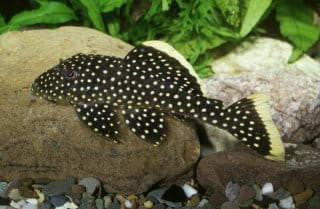

Top 22 Types of Pleco Varieties for Aquarist
 Millie Douglas
Updated on: July 15, 2024 .
26 min read
Millie Douglas
Updated on: July 15, 2024 .
26 min read
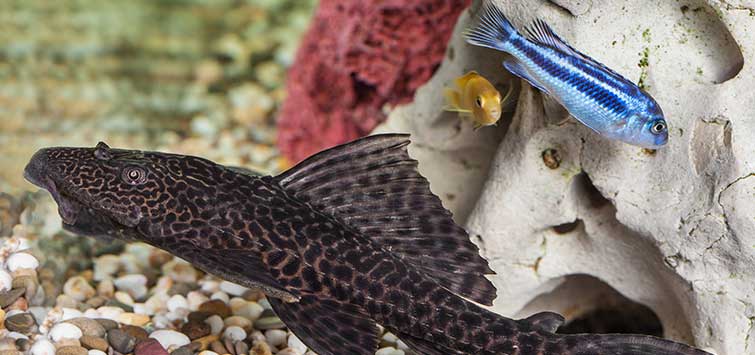
Plecos are a popular choice for aquarium enthusiasts due to their unique appearance and ability to help keep tanks clean. With over 22 different types of plecos available, it can be overwhelming to choose the right one for your tank.
In this article, we will introduce you to the top 24 varieties of plecos, their characteristics, and care requirements, helping you make an informed decision for your aquarium.
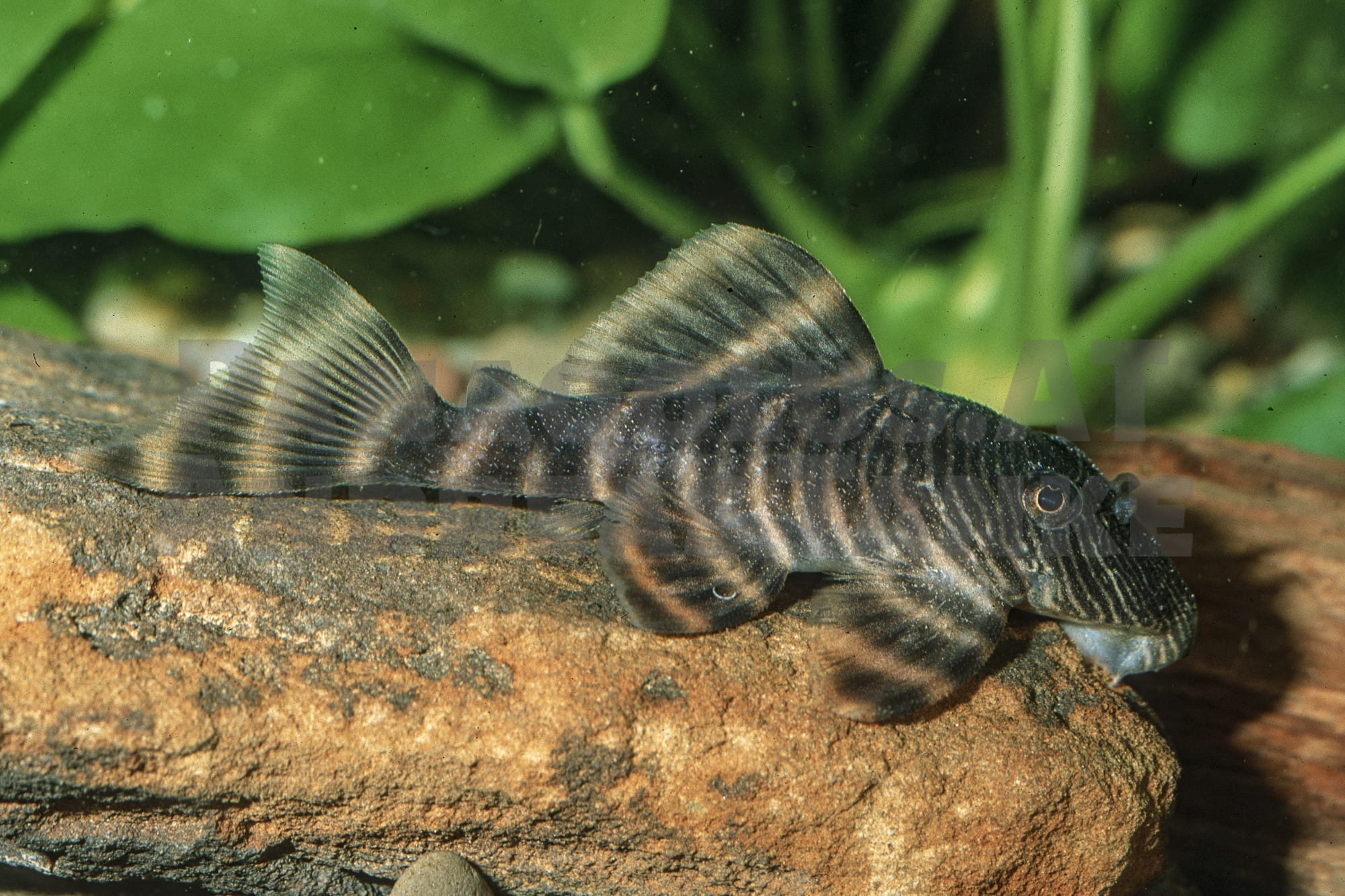
Panaqolus Maccus
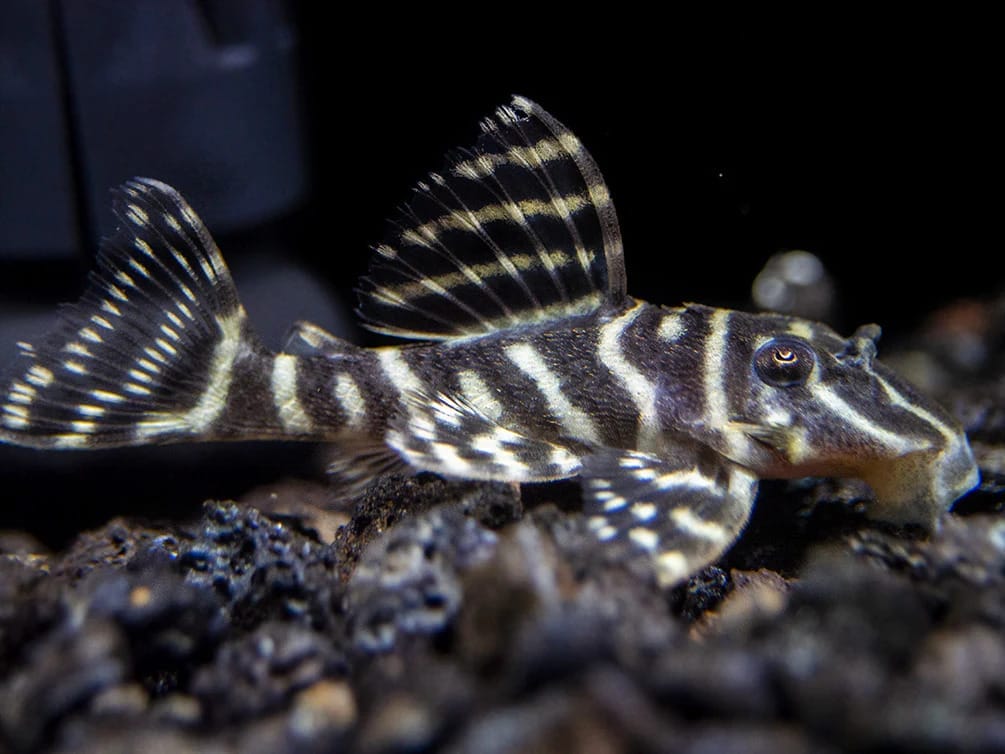
Panaqolus Maccus, also known as the clown pleco, is a species of tropical freshwater fish that belongs to the Loricariidae family. This unique and striking fish is native to South America, specifically found in the Amazon River basin and its tributaries.
The clown pleco is easily recognizable by its vibrant orange and black striped pattern, which resembles that of a clown. This distinctive coloration not only makes it a visually appealing addition to any aquarium, but also helps it to blend in with its natural surroundings in the wild.
In terms of size, Panaqolus Maccus typically grows to be around 3-4 inches in length, making it a relatively small species of pleco. This makes it suitable for most aquarium setups, as it does not require a large amount of space to thrive.
When it comes to care, the clown pleco is a hardy and adaptable fish that can tolerate a wide range of water parameters. However, it does prefer slightly acidic to neutral water with a temperature range of 75-82 degrees Fahrenheit. It is also important to provide plenty of hiding spots and caves for the clown pleco to feel secure in its environment.
Feeding the clown pleco is relatively easy, as it is primarily herbivorous and will readily consume algae and vegetable-based foods.
Supplementing its diet with sinking pellets or wafers specifically designed for plecos will help to ensure that it receives all the necessary nutrients for optimal health.
Leopard Frog Pleco
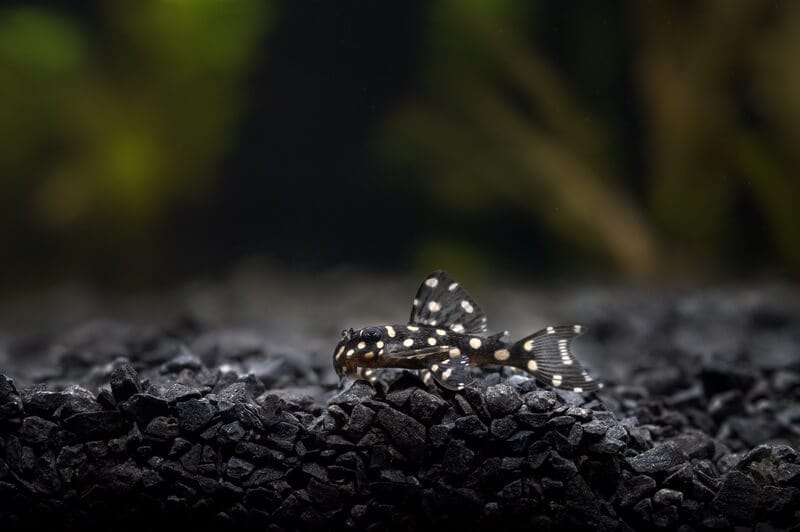
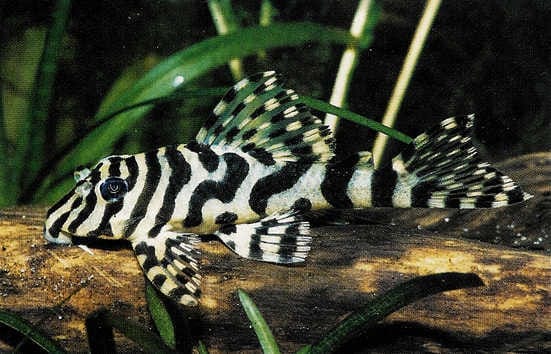
The Leopard Frog Pleco, also known as Peckoltia compta, is a beautifully patterned and unique species of pleco that is popular amongst aquarium enthusiasts.
Native to South America, specifically the Amazon River basin, these fish are known for their striking appearance and peaceful demeanor.
These plecos get their name from the distinct leopard-like spots that adorn their body, giving them a truly eye-catching appearance.
Also Read: How to Care for Your Adonis Pleco
Their coloration can range from a dark gray or black base with lighter spots to a lighter base with darker spots, depending on the specific species or individual.
In terms of size, Leopard Frog Plecos are relatively small, reaching an average length of around 4-5 inches when fully grown. They are bottom-dwelling fish, preferring to stick close to the substrate in the aquarium.
In order to thrive, they require a tank with plenty of hiding spots such as caves, driftwood, and plants, as well as smooth gravel or sand substrate.
In terms of diet, Leopard Frog Plecos are omnivores and will happily consume a varied diet consisting of algae wafers, sinking pellets, frozen or live foods such as bloodworms or brine shrimp, and even some fresh vegetables like zucchini or cucumber. It is important to provide a balanced diet to ensure their health and wellbeing.
When it comes to water parameters, these fish prefer slightly acidic to neutral water with a temperature range of 72-80 degrees Fahrenheit. Regular water changes and proper filtration are important for maintaining their habitat and keeping them healthy.
Blue Eyed Pleco
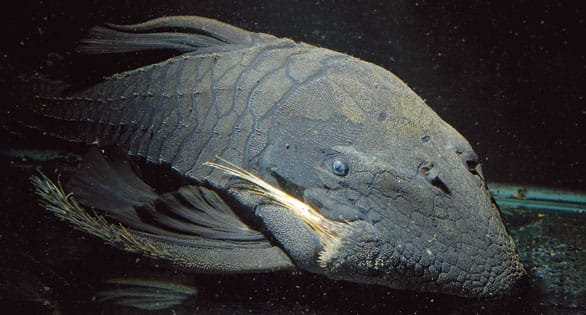
The Blue Eyed Pleco, also known as the Panaque cochliodon, is a popular freshwater species of fish that can be found in the rivers and streams of South America.
This unique fish gets its name from its striking blue eyes, which stand out against its dark brown or black body. Blue Eyed Plecos are known for their peaceful nature and are often kept in aquariums as a beautiful and interesting addition.
One of the most distinctive features of the Blue Eyed Pleco is its ability to consume wood as part of its diet. In the wild, these fish feed on driftwood and vegetation, helping to keep their teeth trimmed and healthy.
In captivity, Blue Eyed Plecos can be given sinking algae wafers, fresh vegetables, and even specially designed sinking wood sticks to ensure they are getting the proper nutrients to thrive.
Blue Eyed Plecos are relatively easy to care for, as they are not particularly picky eaters and are generally peaceful tank mates. They prefer a tank with plenty of hiding spots, such as caves or plants, and clean, well-oxygenated water. They also need a good filtration system to help keep their water quality high.
Also Read: How to Care for Hypostomus Plecostomus Fish
If you are considering adding a Blue Eyed Pleco to your aquarium, be sure to research their care requirements thoroughly and make sure you have the appropriate setup ready for them. With proper care, these beautiful fish can make a great addition to any freshwater aquarium.
Sunshine Pleco
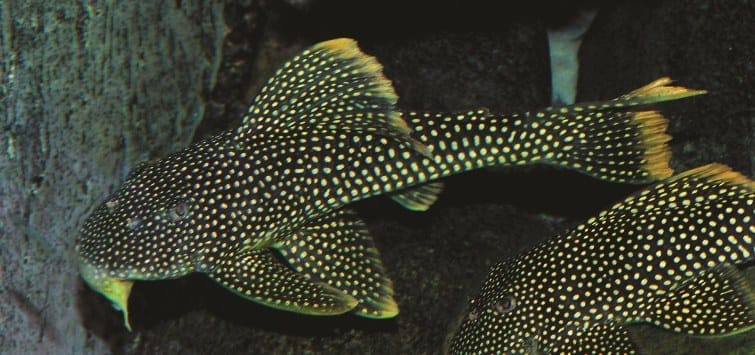
The Sunshine Pleco, also known as the L-14 or Goldy Pleco, is a stunning freshwater fish that is highly sought after by aquarium enthusiasts. This species originates from the Amazon River basin in South America and is known for its beautiful golden yellow coloration and striking black spots.
Sunshine Plecos are a peaceful and easy-to-care-for species, making them a great addition to any community tank. They are typically herbivores, so their diet should consist of algae wafers, sinking pellets, and fresh vegetables such as zucchini and cucumbers. It is important to provide plenty of hiding spots and caves for the Sunshine Pleco to retreat to as they are nocturnal creatures.
In terms of tank requirements, the Sunshine Pleco prefers a tank with lots of vegetation and hiding spots. A tank size of at least 30 gallons is recommended, as these fish can grow up to 5-6 inches in length. They prefer water that is slightly acidic to neutral and temperatures between 75-80°F.
Breeding the Sunshine Pleco in captivity can be challenging, as they require specific water conditions and a suitable breeding environment. However, with the right setup and patience, it is possible to breed these beautiful fish.
Red Lizard Whiptail
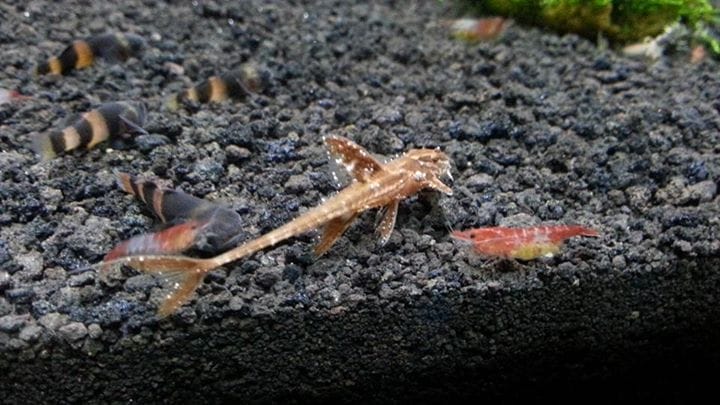
The Red Lizard Whiptail pleco, scientifically known as Rineloricaria red lizard, is a unique and visually stunning freshwater fish that is popular among aquarium enthusiasts.
This species is characterized by its elongated body and distinctive red and black coloration, which sets it apart from other Whiptail plecos.
Red Lizard Whiptails are native to South America, specifically found in the Amazon River basin. They prefer slow-moving, heavily planted waters with plenty of hiding spots and driftwood to mimic their natural habitat. In the aquarium, it is important to provide them with similar conditions to ensure their well-being and overall health.
These plecos are known for their peaceful nature, making them a great addition to community tanks. They are scavengers by nature, feeding on algae, plant matter, and leftover food at the bottom of the tank. It is important to provide them with a well-balanced diet to ensure their nutritional needs are met.
In terms of care, the Red Lizard Whiptail pleco requires a tank size of at least 30 gallons with plenty of hiding spots and plants to mimic their natural environment. They are sensitive to water quality, so regular water changes and maintenance are essential to keep them healthy.
Ancistrus Cirrhous
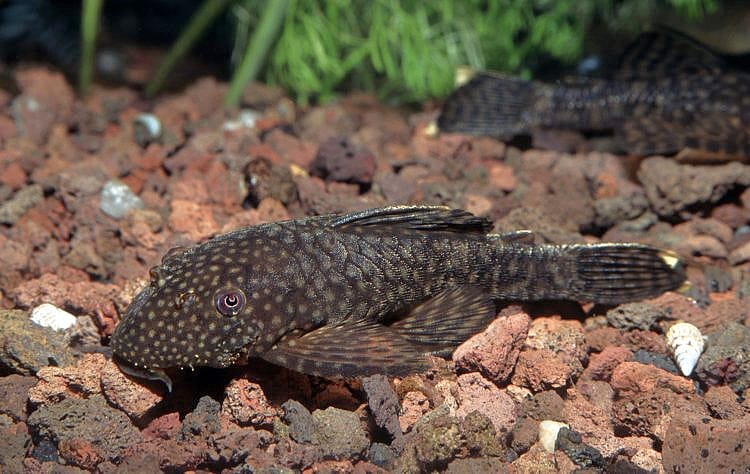
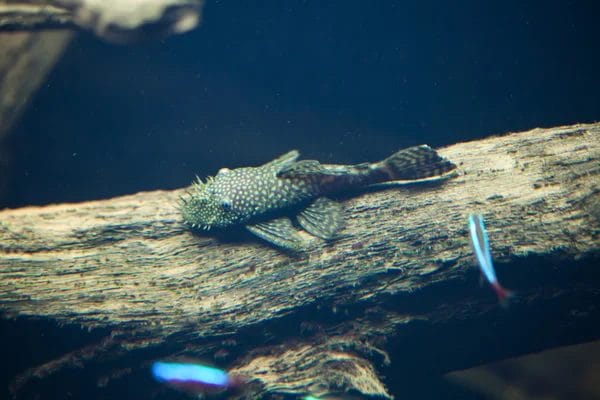
Ancistrus cirrhosus, also known as the bristlenose pleco, is a species of freshwater catfish that is commonly kept in aquariums. This species is native to South America, specifically found in the Amazon River basin.
The Ancistrus cirrhosus pleco is a popular choice among aquarists because of its small size, peaceful nature, and algae-eating habits.
They are typically dark brown or black in color, with a mottled pattern that helps them blend in with their surroundings. One of the most distinctive features of this species is the presence of tentacle-like structures (cirri) on their head, giving them the nickname “bristlenose.”
In terms of care, Ancistrus cirrhosus plecos are relatively easy to care for. They prefer well-oxygenated water with plenty of hiding spots and vegetation to explore.
They are omnivores, so their diet should include a mix of algae wafers, vegetables, and protein-rich foods like bloodworms or brine shrimp. It is important to provide them with a varied diet to ensure their health and well-being.
Ancistrus cirrhosus plecos are known for their algae-eating abilities, which makes them a valuable addition to any aquarium. They can help keep the tank clean and free of unsightly algae growth.
However, it is important to supplement their diet with other foods, as they may not be able to rely solely on algae for nutrition.
In terms of tank mates, Ancistrus cirrhosus plecos are peaceful and can coexist with a variety of fish species. However, it is best to avoid keeping them with aggressive or larger fish that may bully or harm them. They are also territorial, so providing them with plenty of hiding spots and caves will help them feel secure in their environment.
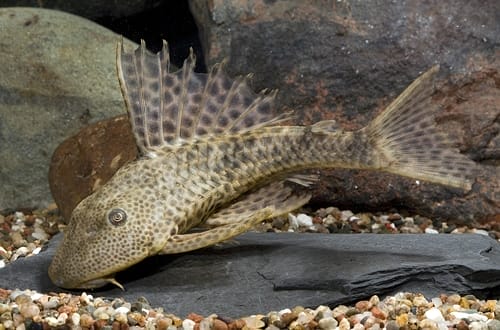
Pterygoplichthys Multiradiatus
Pterygoplichthys Multiradiatus, more commonly known as the Sailfin Pleco or Hypostomus Plecostomus, is a species of freshwater catfish that is popular among aquarium enthusiasts.
This species is native to South America, specifically the Amazon River basin, and is known for its striking appearance and ability to keep aquariums clean.
The Sailfin Pleco is easily recognizable by its unique sail-like dorsal fin, which can grow to be quite large and impressive. This fish has a flattened body and a mottled brown coloration with darker spots and stripes. It can reach lengths of up to 18 inches in captivity, making it a sizable addition to any aquarium.
In terms of care, the Sailfin Pleco is relatively low-maintenance. It is a hardy species that can tolerate a wide range of water conditions, although it prefers warmer water temperatures between 75-82 degrees Fahrenheit.
This fish is primarily herbivorous, so it will appreciate a diet that includes vegetables such as zucchini, cucumbers, and algae wafers.
One of the key benefits of keeping a Sailfin Pleco in your aquarium is its ability to help keep the tank clean. These fish are excellent algae eaters and will happily graze on any algae that accumulates on the surfaces of your tank.
This can help to reduce the need for manual cleaning and maintenance, making it easier to keep your aquarium looking pristine.
Candy Striped Pleco
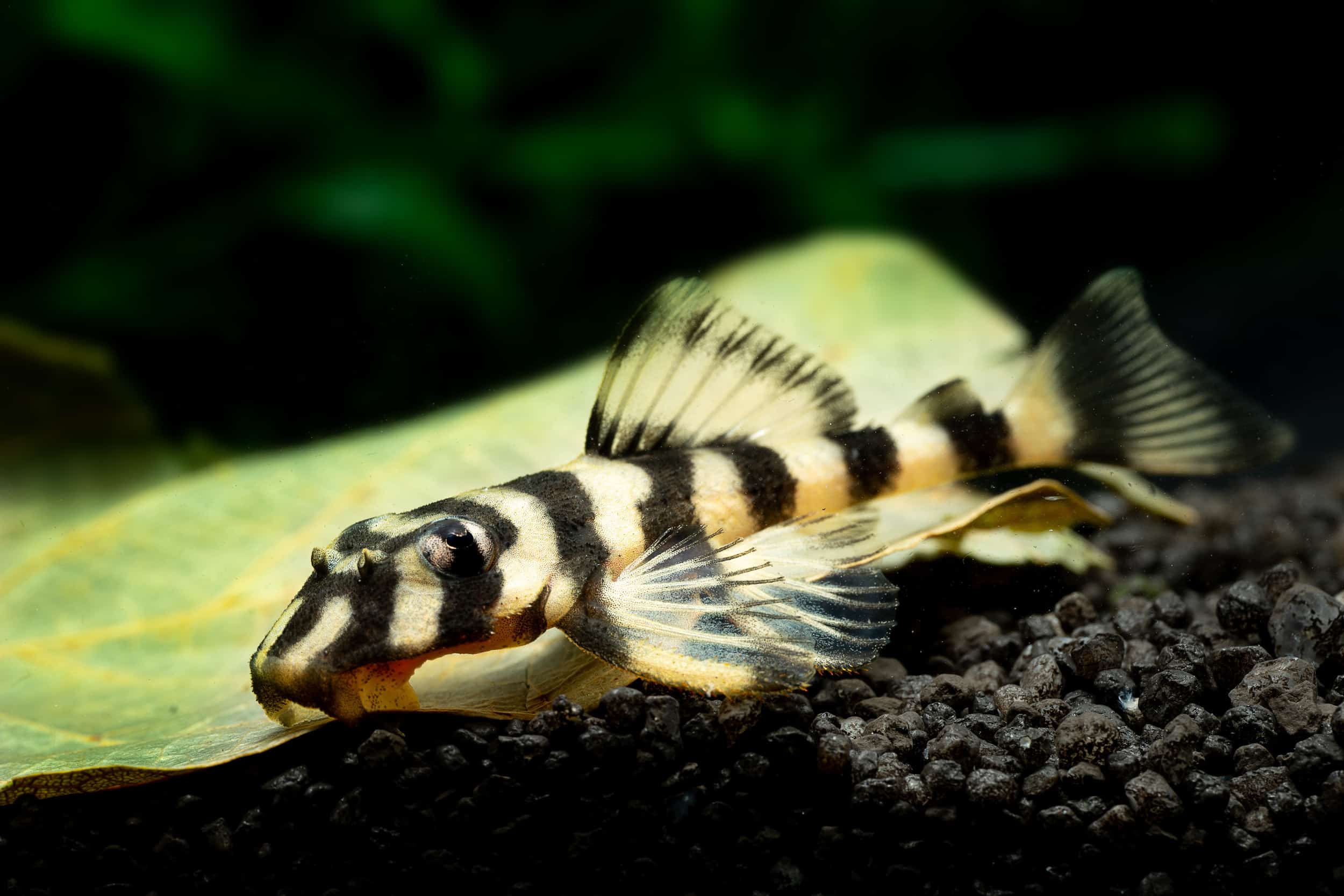
The Candy Striped Pleco, also known as the Peckoltia Vittata, is a popular freshwater fish species amongst aquarists. This small and peaceful fish is native to South America, particularly found in the Amazon River basin.
Known for its striking appearance, the Candy Striped Pleco has a unique pattern of vertical stripes across its body, varying in color from light brown to dark brown or black. These stripes give the fish its name and make it a visually appealing addition to any aquarium.
Candy Striped Plecos are relatively easy to care for, making them suitable for beginner aquarists. They require a well-maintained aquarium with plenty of hiding spaces such as caves, driftwood, and plants.
These fish are bottom-dwellers and spend most of their time scavenging for food, so it is essential to provide them with a balanced diet of algae wafers, sinking pellets, and occasional fresh vegetables.
These plecos are peaceful and can be kept with a variety of tank mates, as long as they are not aggressive or overly territorial. It is best to keep them in groups of at least 3 to reduce stress and provide social interaction.
Also Read: Ultimate Guide to Iquitos Tiger Pleco Care
Breeding the Candy Striped Pleco can be challenging, as they require specific breeding conditions such as caves for spawning and good water quality. However, with the right setup and care, breeding these fish can be a rewarding experience for dedicated aquarists.
Common Pleco
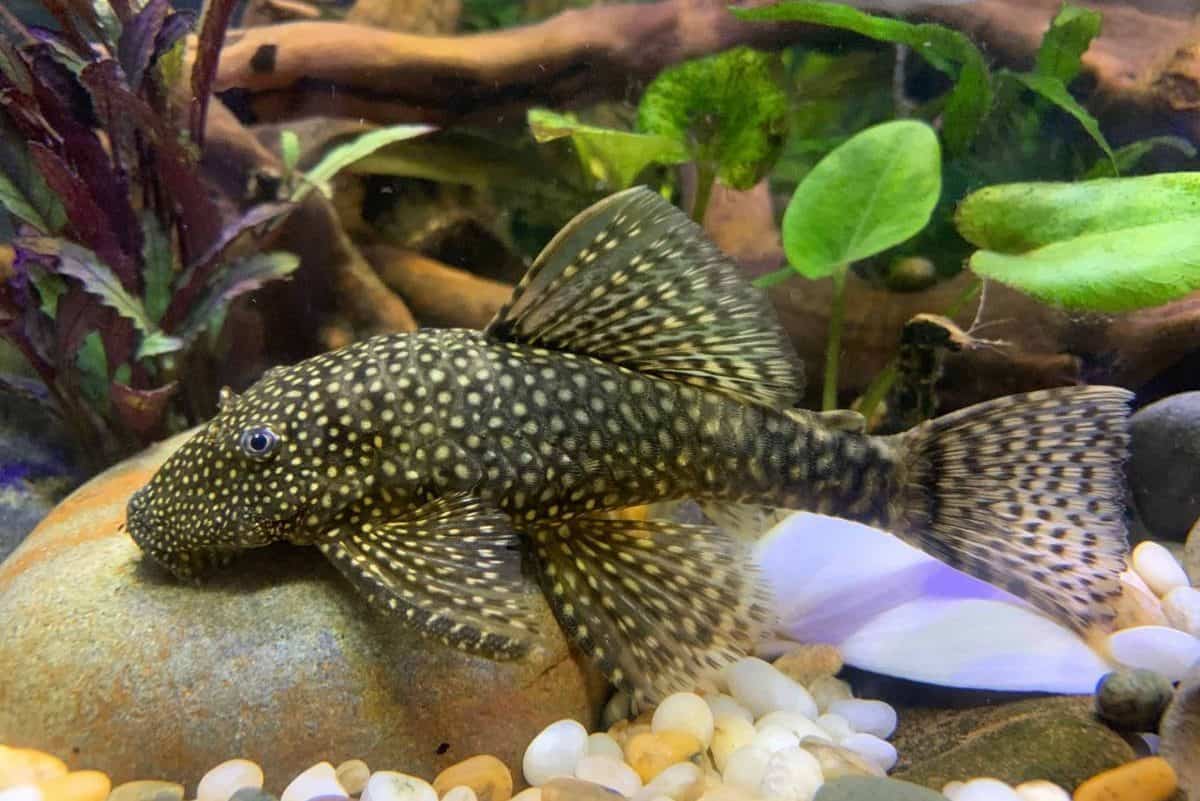
The Common Pleco, also known as the Common Plecostomus or Hypostomus plecostomus, is a popular freshwater fish that is often kept in aquariums. These fish are known for their unique appearance and their ability to help keep fish tanks clean by eating algae.
Common Plecos are typically dark brown or black in color with a spotted pattern on their bodies. They have a flat, wide body and a large mouth with suction cups that they use to attach themselves to surfaces in the tank.
They can grow quite large, reaching up to 24 inches in length in the wild, although they typically only grow to about 12-15 inches in the aquarium setting.
These fish are herbivores and mainly feed on algae, which makes them excellent tank cleaners. They will also eat leftover fish food and detritus, helping to keep the tank clean and free of debris.
However, it’s important to supplement their diet with algae wafers or fresh vegetables like zucchini or cucumber to ensure they are getting enough nutrients.
Common Plecos are generally peaceful fish and can be kept with a variety of other tank mates. However, they can become territorial as they grow larger, so it’s important to provide them with enough space and hiding spots in the tank. They prefer a tank with plenty of hiding places like rocks, driftwood, and plants.
In terms of tank requirements, Common Plecos are relatively hardy and can tolerate a wide range of water conditions. They prefer a tank temperature between 72-82°F and a pH level between 6.5-7.5.
It’s important to provide them with a well-filtered tank with plenty of oxygen and regular water changes to keep them healthy.
Blue Phantom Pleco
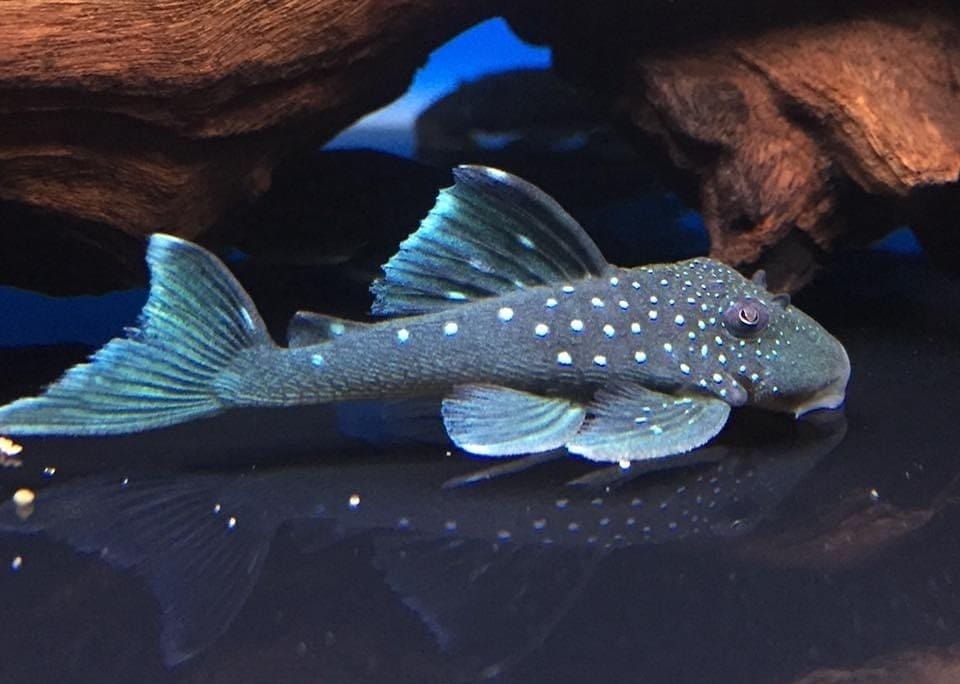
The Blue Phantom Pleco, also known as L128, is a stunning and popular freshwater fish among aquarium enthusiasts. This species is native to the rivers and streams of Brazil, specifically in the Rio Xingu region. Blue Phantom Plecos are named for their striking blue coloration, ranging from deep navy blue to lighter sky blue.
Also Read: Discovering Baryancistrus Xanthellus Species
They also have distinctive patterns of darker markings that run along their bodies, adding to their unique and eye-catching appearance.
In addition to their beautiful coloration, Blue Phantom Plecos are known for their peaceful nature and relatively easy care requirements, making them a great option for beginner and experienced aquarists alike. They typically grow to be around 6 inches in size and can live for several years with proper care.
When setting up a tank for Blue Phantom Plecos, it is important to provide plenty of hiding spots and caves for them to explore and hide in.
They are nocturnal creatures, so having places for them to retreat during the day is essential. A sandy substrate and driftwood are also recommended, as they will help mimic the natural environment of the Blue Phantom Pleco.
In terms of diet, Blue Phantom Plecos are omnivores and will eat various foods. They enjoy algae wafers, sinking pellets, and fresh vegetables like zucchini and cucumber. Providing a balanced diet to ensure their health and well-being is important.
Panaque Nigrolineatus
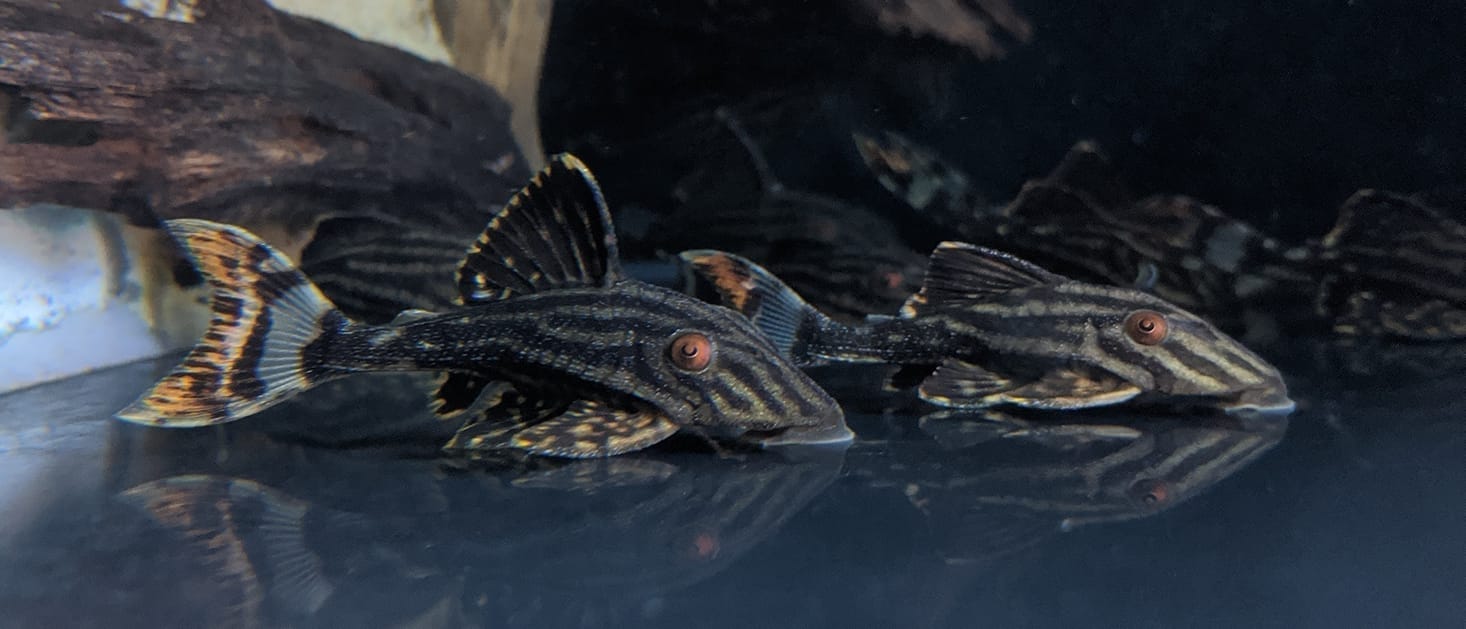
The Panaque Nigrolineatus, also known as the Royal Pleco, is a beautiful species of plecostomus that is native to the rivers and streams of South America. This fish is highly sought after by hobbyists for its striking black and white striped pattern, which gives it a regal appearance.
In terms of size, the Panaque Nigrolineatus can grow to be quite large, reaching lengths of up to 18 inches in captivity.
They have a unique suckermouth that they use to attach themselves to various surfaces in the aquarium, such as driftwood and rocks.
This behavior is not only aesthetically pleasing but also serves a functional purpose as the Royal Pleco is a herbivore and feeds primarily on algae and biofilm.
In terms of care, the Panaque Nigrolineatus requires a large aquarium with plenty of hiding spots and places to explore.
They prefer water that is clean, well-oxygenated, and slightly acidic. It is important to provide them with a balanced diet that includes algae wafers, fresh vegetables, and sinking pellets.
Bristlenose Pleco
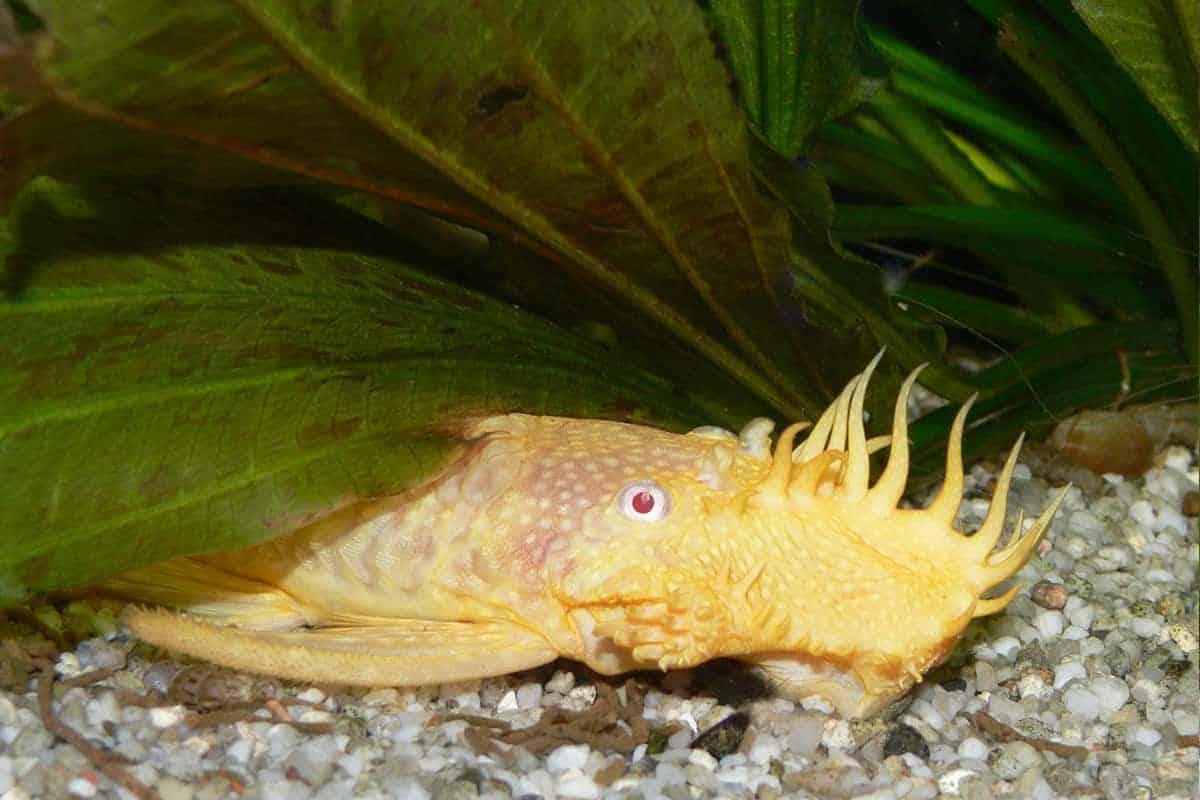
The Bristlenose Pleco, also known as the Ancistrus cirrhosus, is a popular and unique species of freshwater fish that is commonly kept in aquariums.
This fish gets its name from the bristle-like growths that adorn its head and face, giving it a distinctive appearance. These growths are more pronounced in males and are used for territorial displays and mating rituals.
Bristlenose Plecos are native to South America, where they can be found in slow-moving rivers and streams with plenty of vegetation.
They are herbivorous and primarily feed on algae, making them great natural cleaners for aquariums. In addition to algae, they can also be fed sinking algae wafers, zucchini slices, and blanched vegetables like cucumbers and spinach.
These fish are relatively small in size, growing to an average of around 4-6 inches in length. They are peaceful and non-aggressive fish, making them great tank mates for a variety of other species.
However, it’s important to provide them with plenty of hiding spots and shelters in the tank, as they are shy and nocturnal creatures.
Bristlenose Plecos are known for their hardy nature and adaptability, making them a great choice for beginner aquarists. They prefer water temperatures between 72-80 degrees Fahrenheit and a pH level of around 6.5-7.5. Regular water changes and a well-maintained tank are key to keeping these fish healthy and thriving.
In terms of breeding, Bristlenose Plecos are relatively easy to breed in a home aquarium. Males will defend their territory and seek out caves or other secure spots to build their nests for the eggs. Once the eggs are laid, the males will guard them until they hatch, and then continue to protect and care for the fry.
Rhino Pleco
Rhino Pleco, also known as Pterygoplichthys scrophus, is a popular freshwater fish among aquarium enthusiasts. This species of plecostomus is native to the Amazon River basin in South America and is characterized by its unique appearance and behavior.
Also Read: Discover the Fascinating Rhino Pleco Fish
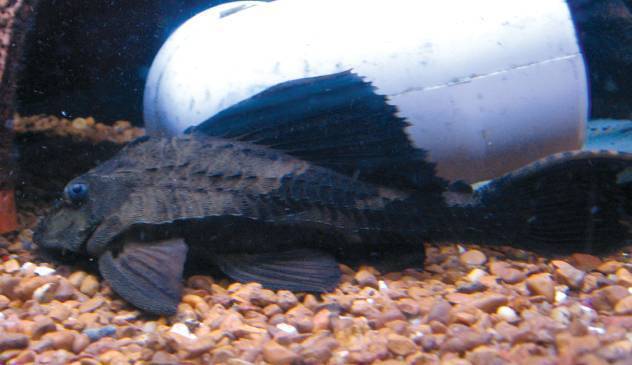
Rhino Plecos have a distinctive armor-like appearance, with a series of plates covering their body and a large bony head that resembles a rhinoceros horn.
They have a dark brown or black coloration with lighter spots or markings, which provide them with excellent camouflage in their natural habitat.
In terms of behavior, Rhino Plecos are peaceful and solitary fish that prefer to hide during the day and become active at night.
They are bottom-dwellers and spend most of their time scavenging for food in the substrate of the aquarium. Rhino Plecos are herbivores and primarily feed on algae, although they may also consume sinking pellets or vegetables such as zucchini or cucumbers.
When it comes to caring for Rhino Plecos, it is important to provide them with a well-maintained aquarium that has plenty of hiding spots and a sandy substrate.
They prefer water temperatures between 73-82°F and a pH level of 6.5-7.5. Additionally, Rhino Plecos require clean water with good filtration to prevent any health issues.
Butterfly Pleco
The Butterfly Pleco, also known as the Leporacanthicus galaxias, is a stunning and unique species of plecostomus fish that is highly sought after by aquarium enthusiasts.
Native to the Amazon River basin in South America, the Butterfly Pleco is known for its striking appearance and interesting behavioral traits.
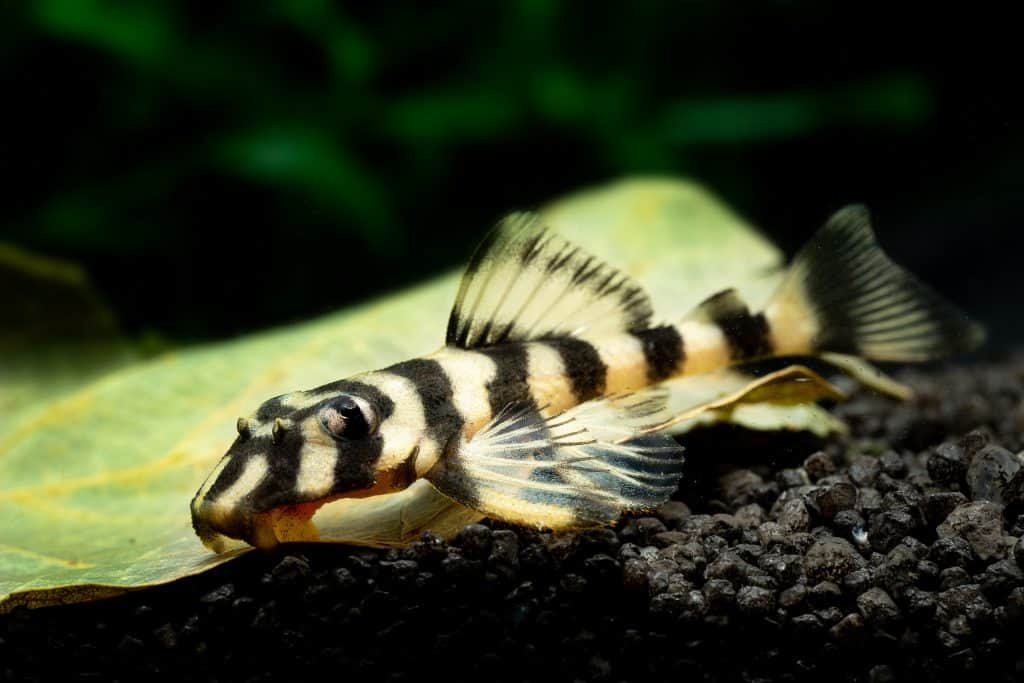
One of the most distinctive features of the Butterfly Pleco is its beautiful pattern of black and white stripes that resemble the wings of a butterfly.
This patterning makes them a visually striking addition to any aquarium. They also have a long and slender body with a flat underside, allowing them to easily attach themselves to flat surfaces such as driftwood or rocks.
In terms of care, Butterfly Plecos are relatively easy to care for as long as their basic requirements are met. They prefer water that is slightly acidic and well-oxygenated, with a temperature range of 75-82 degrees Fahrenheit.
They are also omnivorous fish, meaning they will eat a variety of foods including algae wafers, vegetables, and sinking pellets.
Butterfly Plecos are known to be peaceful fish and can be kept with a variety of tankmates as long as they are not aggressive or overly territorial.
They are also known to be shy and like to have plenty of hiding spots in their tank, so be sure to provide them with caves or driftwood.
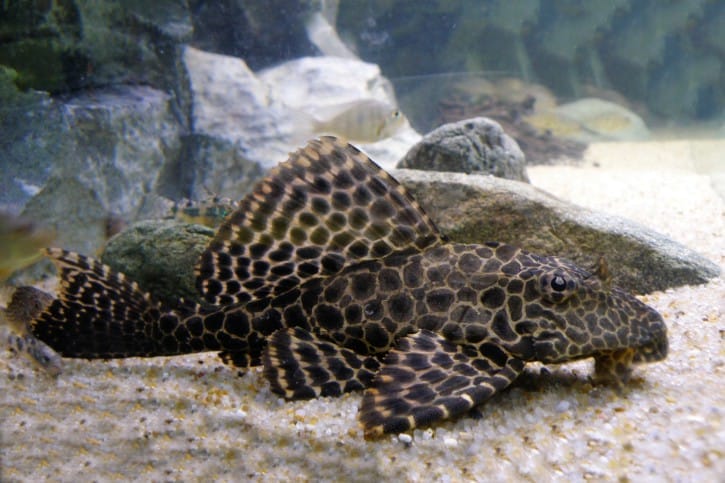
Pterygoplichthys Gibbiceps
Pterygoplichthys gibbiceps, also known as the sailfin pleco or the gibbiceps pleco, is a species of catfish that is native to South America.
They are commonly found in the Amazon River basin and other river systems in countries such as Brazil, Peru, and Colombia.
These catfish are known for their characteristic sail-like dorsal fin, which gives them their name “sailfin pleco.” They have a brownish-grey body with dark spots and stripes, and can grow up to 18 inches in length in captivity. Their body is covered in bony plates, giving them a armored appearance.
Pterygoplichthys gibbiceps are popular among aquarium hobbyists for their algae-eating abilities. They are known to consume algae in aquariums, helping to keep the tank clean and free of excess algae growth. However, they also require a varied diet that includes vegetables, sinking pellets, and occasional meaty foods.
In terms of care, these catfish require a large aquarium with plenty of hiding spots and a sandy substrate. They are peaceful fish that can be kept with a variety of tank mates, as long as the tank is large enough to accommodate their size. Water parameters should be kept stable, with a pH level of around 6.5 to 7.5 and a temperature of 72-79°F.
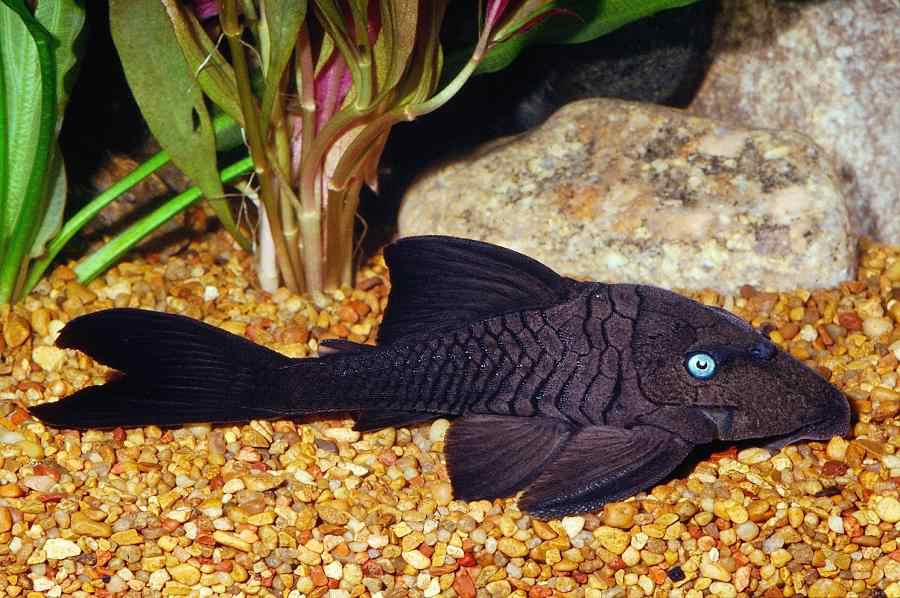
Cochliodon Pleco
Cochliodon Pleco, also known as the L191 Royal Pleco, is a beautiful and fascinating species of freshwater fish that is highly sought after by aquarium enthusiasts.
Native to South America, specifically the Amazon basin, Cochliodon Plecos are known for their striking appearance and unique characteristics.
These fish have a distinctive appearance, with a dark body covered in orange spots and stripes. They have a wide, flat head with large eyes and a mouth that is adapted for scraping algae off of rocks and other surfaces. They can grow up to 10 inches in length, making them a relatively large species of Pleco.
Cochliodon Plecos are peaceful and hardy fish, making them a great addition to a community aquarium. They are herbivores, feeding primarily on algae and other plant matter, so they can help keep your tank clean and free of algae growth. However, they will also accept sinking pellets or vegetable-based foods as part of their diet.
In terms of tank requirements, Cochliodon Plecos prefers a well-oxygenated aquarium with plenty of hiding spots and places to explore.
They do well in tanks with driftwood and rocks, as they enjoy grazing on the surfaces of these materials. They also appreciate a sandy substrate, as they may dig into it occasionally.
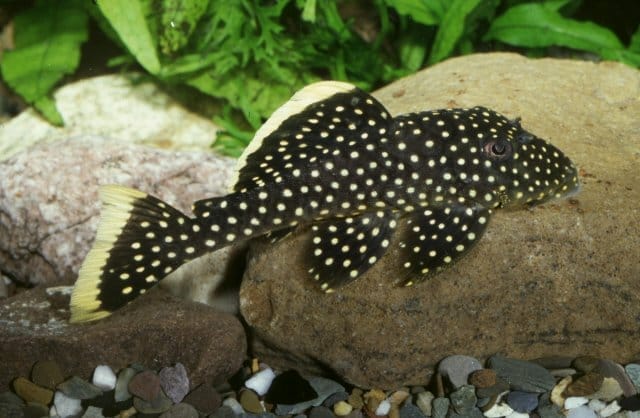
Baryancistrus Xanthellus
Baryancistrus Xanthellus, also known as the Golden Nugget Pleco, is a stunning and popular species of catfish that is highly sought after by aquarium enthusiasts. This fish is native to the Xingu River in Brazil and is known for its striking coloration and unique appearance.
The Golden Nugget Pleco has a golden-yellow body with black spots or speckles scattered throughout, giving it a beautiful and eye-catching appearance.
Its body is flat and wide, with a rounded head and a distinctive dorsal fin that resembles a sail. This fish can grow up to 6-7 inches in length and requires a spacious aquarium with plenty of hiding spots and caves to explore.
In terms of care, Baryancistrus Xanthellus can be somewhat challenging to keep in captivity. They require clean and well-oxygenated water, as well as a varied diet that includes algae wafers, sinking pellets, and fresh vegetables.
It is also important to provide them with a sandy substrate and driftwood for grazing and hiding. Additionally, regular water changes and maintenance are crucial to ensure the health and well-being of these fish.
Despite the challenges, many aquarists find the beauty and uniqueness of the Golden Nugget Pleco to be worth the effort. Their striking coloration and distinctive appearance make them a standout species in any aquarium.
However, it is important to do thorough research and be prepared for the specific care requirements of this species before bringing them into your home aquarium.
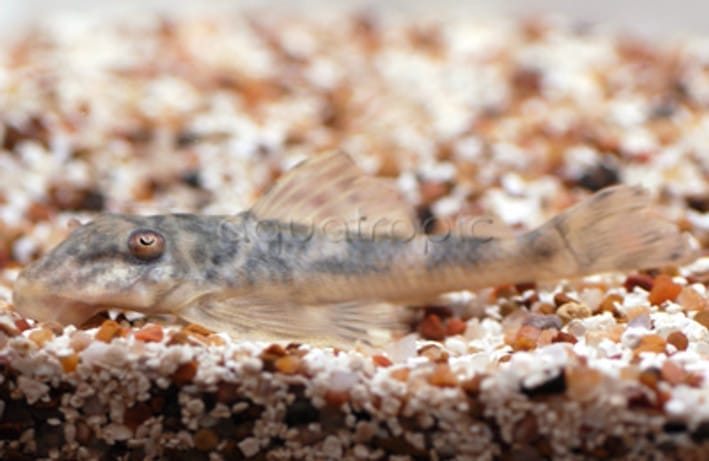
Iquitos Tiger Pleco
The Iquitos Tiger Pleco, also known as the L333 Pleco, is a stunning and popular freshwater aquarium fish that is highly sought after by hobbyists. This beautiful fish is named after the city of Iquitos in Peru, where it originates from in the Amazon River basin.
The Iquitos Tiger Pleco is known for its striking black and yellow striped pattern, which resembles the markings of a tiger.
Its unique coloration and sleek, elongated body make it a standout in any aquarium setting. This fish is relatively small, reaching only about 4-5 inches in length when fully grown, making it suitable for medium to large-sized tanks.
In terms of care, the Iquitos Tiger Pleco is a hardy and low-maintenance fish that can adapt well to a variety of water conditions.
It prefers warm water temperatures between 75-80 degrees Fahrenheit and slightly acidic to neutral water pH levels. Providing ample hiding spots in the form of caves and driftwood is essential for this fish, as it is a shy and nocturnal species that likes to retreat during the day.
When it comes to diet, the Iquitos Tiger Pleco is primarily herbivorous and will graze on algae and biofilm that grows on surfaces in the aquarium.
Supplementing its diet with high-quality sinking algae wafers, blanched vegetables, and occasional meaty foods like bloodworms or brine shrimp will help keep this fish healthy and thriving.
Snowball Pleco
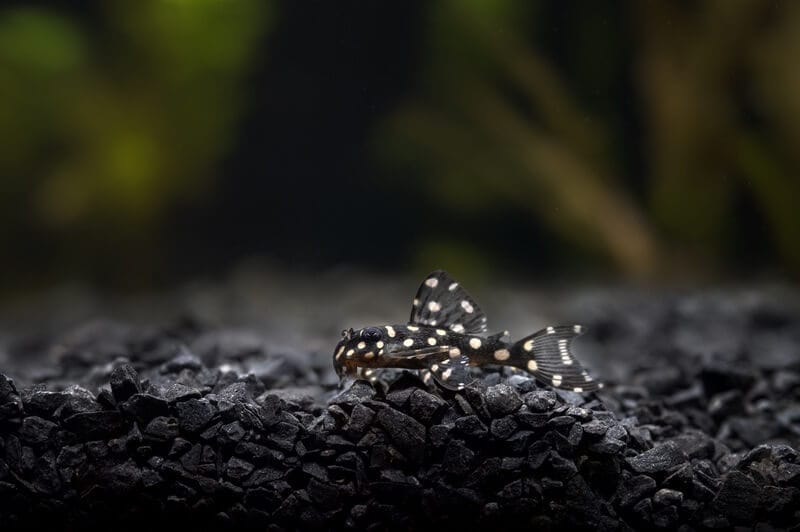
The Snowball Pleco, also known as the LDA33 Pleco, is a popular freshwater fish among aquarists due to its striking appearance and peaceful nature. This species originates from South America, particularly from the Rio Meta basin in Colombia.
Also Read: Ultimate Guide to Panaque Nigrolineatus Care
Snowball Plecos are named for their white spots that resemble snowflakes scattered across their dark body. They have a sleek, elongated body with a flat underside and a large, fan-like tail. Their unique appearance makes them a standout addition to any aquarium.
In terms of care, Snowball Plecos are relatively easy to maintain. They prefer a tank with plenty of hiding spaces, such as caves or driftwood, where they can retreat to when feeling stressed.
They also require clean, well-oxygenated water with a pH level between 6.5 and 7.5 and a water temperature between 75-82°F.
These fish are omnivores, meaning they eat a mix of plant matter and protein. In the wild, they feed on algae, biofilm, and small insects.
In captivity, they can be fed a diet of algae wafers, sinking pellets, and occasional treats such as blanched vegetables or live or frozen foods like bloodworms or brine shrimp.
Snowball Plecos are a peaceful species that can be kept with other peaceful community fish of similar size. They may exhibit some territorial behavior towards their own species, so it’s best to keep them in groups of 3 or more to minimize aggression.
Zebra Pleco
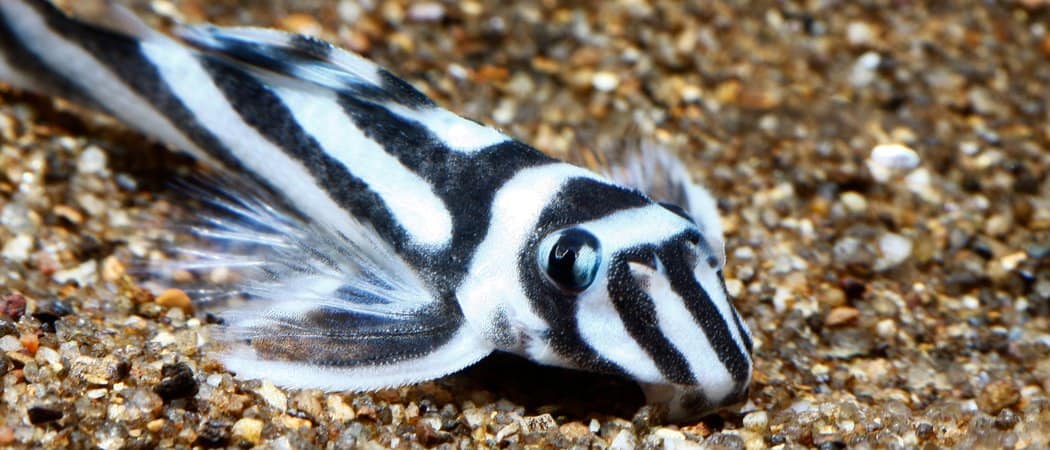
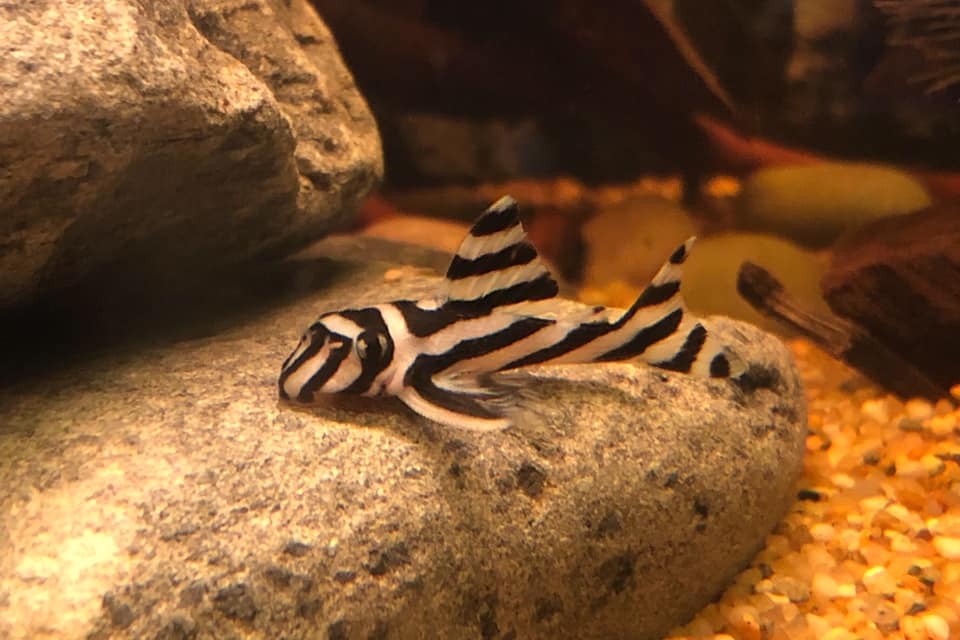
The Zebra Pleco, scientifically known as Hypancistrus zebra, is a striking and highly sought-after freshwater fish species that hails from the Rio Xingu in Brazil. This beautiful fish is known for its distinctive black and white striped pattern, which resembles a zebra, hence its name.
Zebra Plecos are relatively small in size, typically growing to about 3 to 4 inches in length. They have a unique body shape with large dorsal and pectoral fins, giving them a stylish and elegant appearance. These fish are nocturnal by nature, so they are most active during the night and tend to hide during the day.
In terms of care requirements, Zebra Plecos are considered moderately difficult to care for. They require a well-established aquarium with plenty of hiding spots such as caves or driftwood.
These fish prefer warm water temperatures around 78-84°F and slightly acidic water conditions. A well-rounded diet consisting of high-quality sinking pellets, frozen or live foods is recommended to keep them healthy and thriving.
Also Read: Blue Phantom Pleco Care Guide
Breeding Zebra Plecos can be challenging, as they are sensitive to water conditions and require specific breeding setups. However, for experienced aquarists, successfully breeding Zebra Plecos can be a rewarding experience.
Hypostomus Plecostomus
Hypostomus plecostomus, also known as the common pleco or suckerfish, is a species of freshwater fish belonging to the Loricariidae family. It is a popular aquarium fish known for its algae-eating habits and unique appearance.
The Hypostomus plecostomus is native to the rivers and streams of South America, particularly in the Amazon River basin.
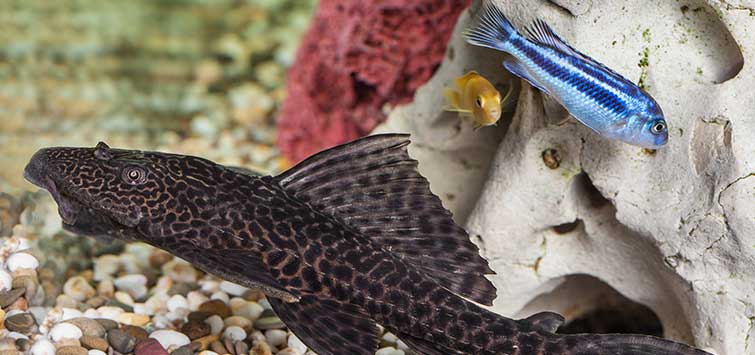
It has a distinctive appearance with its armor-like body covered in bony plates and large, puckered lips. The fish typically has a dark brown or black coloration with lighter spots or patterns.
One of the main reasons why the Hypostomus plecostomus is sought after by aquarists is its algae-eating behavior. These fish have specialized sucker mouths that they use to scrape algae off of surfaces in the aquarium, helping to keep the tank clean and reducing the need for manual maintenance.
In terms of care, the Hypostomus plecostomus requires a spacious aquarium with plenty of hiding spots and vegetation. They are generally peaceful fish but can become territorial towards other bottom-dwelling species. A balanced diet of algae wafers, vegetables, and sinking pellets is recommended to ensure their health and well-being.
Adonis Pleco
Adonis Pleco, also known as Adonis Panaque, is a beautiful and unique freshwater fish that is highly sought after by aquarium enthusiasts.
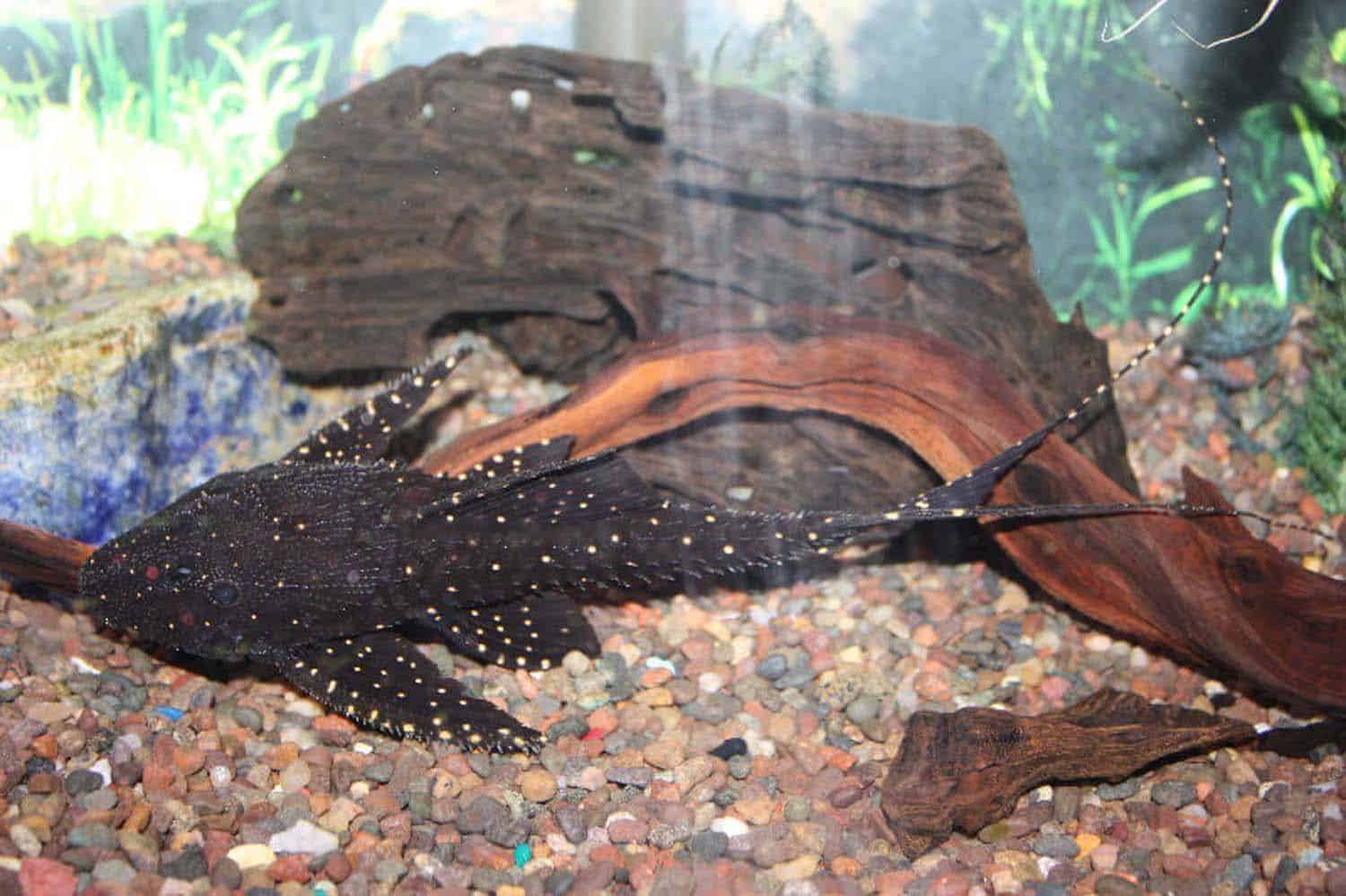
This stunning fish has a striking appearance, with its dark body adorned with bright yellow, orange, and white markings. The Adonis Pleco is a large fish, growing up to 18 inches in length, making it a show-stopping centerpiece in any aquarium.
In addition to its visual appeal, the Adonis Pleco is also known for its interesting behavior. This fish is a peaceful species that is generally compatible with other fish in a community tank. However, it can be territorial towards its own kind, so it is best to keep just one Adonis Pleco in your tank.
In terms of care, the Adonis Pleco requires a large aquarium with plenty of hiding places, as well as a sandy substrate to mimic its natural habitat.
Also Read: Essential Tips of Common Pleco Care
This fish is omnivorous, feeding on a diet of algae, vegetables, and sinking pellets. It is important to provide a varied diet to ensure the Adonis Pleco receives all the nutrients it needs to thrive.
One thing to note about the Adonis Pleco is its unique dietary requirement for wood. This fish is known as a “wood-eating” or “driftwood catfish,” as it requires wood in its diet to aid in digestion. Providing driftwood in the aquarium is essential for the health of the Adonis Pleco.
Hi, I'm Millie a passionate fish enthusiast and blogger. I loves learning about all kinds of aquatic creatures, from tropical fish to stingrays.