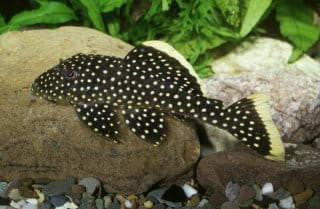

Essential Tips of Common Pleco Care
 Millie Douglas
Updated on: July 26, 2024 .
13 min read
Millie Douglas
Updated on: July 26, 2024 .
13 min read

Common plecos, also known as hypostomus plecostomus, are a favorite among aquarium enthusiasts for their algae-eating habits that help keep tanks clean. But caring for these fish in your home aquarium takes some know-how.
In this blog post, we’ll cover everything you need to know about taking care of common plecos—from where they come from to how big their tank should be and what they like to eat.
To make sure your common plecos are happy and healthy, it’s important to get familiar with what they need. By sticking with the advice we’re about to share, you can enjoy watching your common plecos do their thing in a well-maintained aquarium.

Read More : https://realacas.com/types-of-pleco-for-aquarist/
Understanding Common Plecos
Common plecos, also known as hypostomus plecostomus, call South America home, especially the Amazon basin. In these places, they live in rivers and streams filled with lots of plants and driftwood.
These fish like to stay at the bottom; they use their special mouths to stick onto rocks and underwater trees so they don’t get pushed away by moving water.
Knowing where they come from and how they act helps a lot when you’re trying to make them feel at home in an aquarium.
What Are Common Plecos?
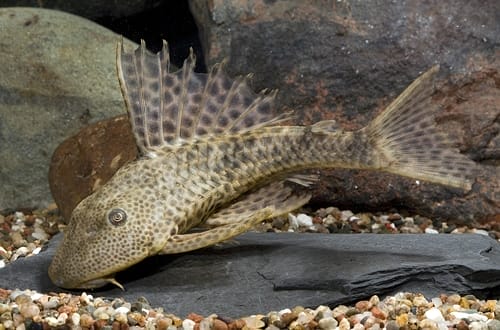
Common plecos, often seen in pet stores and known as suckermouth catfish, are picked up for their ability to clean tanks. But they grow really big, almost 2 feet long! That’s too large for a small tank at home.
It’s crucial not to let these fish go into rivers or lakes because they don’t belong there and can mess things up in the environment.
For smaller tanks, it’s better to look at other types of pleco like bristlenose, rubber lip, or clown plecos. These guys only reach about 4 to 6 inches and fit perfectly in home aquariums without causing trouble.
The Natural Habitat of Common Plecos
Common plecos come from South America, especially around the Amazon area. They like to hang out in rivers and streams where there’s lots of plants and driftwood floating around.
Also Read: How to Care for Your Adonis Pleco
This driftwood isn’t just for decoration; it gives them a spot to hide and something to munch on too. If you’re thinking about keeping common plecos in your home aquarium, it’s pretty important to know this stuff so you can make their tank feel like home.
By adding some driftwood and places for them to hide, you’ll help your common plecos settle in nicely into their new space.

Preparing for Your Common Pleco
Before you decide to get a common pleco, it’s crucial to set everything up properly for their happiness. Starting with the size of your fish tank is key because these guys grow pretty big.
For a common pleco, aim for at least 75 gallons; however, if you’re looking into smaller species, something between 20 and 29 gallons will do just fine.
On top of that, make sure you have all the necessary gear like an aquarium itself along with a filter, heater, and water conditioner so your pleco feels right at home.
Essential Equipment and Resources
To keep your common pleco happy and healthy, it’s really important to have the right gear. For starters, you need an aquarium that’s big enough for their adult size.
With a filter, you can make sure the water stays clean by getting rid of any junk floating around. Since they’re tropical fish, a heater is needed to keep the water between 74 and 80°F (23 to 27°C), which is just right for them.
Also, using a water conditioner helps take out bad stuff like harmful chemicals and chlorine from tap water so it’s safe for your pleco. All these pieces are key in making sure your common pleco has everything it needs to thrive.
Choosing the Right Tank Size
Picking the right tank size is super important for your common pleco’s happiness and health. Like we talked about before, these guys need at least 75 gallons of water when they’re all grown up.
It’s key to think about how big common plecos can get and make sure they’ve got plenty of room to move around and check things out. For the smaller types, a tank that holds between 20 to 29 gallons or even more will do just fine.
Also Read: How to Care for Hypostomus Plecostomus Fish
By choosing an appropriate tank size, you’re making sure your common pleco has enough space to be happy and healthy, which helps avoid any problems with them not growing properly or getting sick.

Step-by-Step Guide to Pleco Care
Taking good care of your common pleco is really important for their health and happiness. In this guide, we’ll walk you through everything you need to know about looking after them, from getting your aquarium ready and making sure the water’s just right, to introducing your pleco into its new home, what to feed them, and how to keep their tank clean. By sticking with these steps, you’re going to make a great environment for your common pleco in your home aquarium.
Step 1: Setting Up Your Aquarium
To start off with creating a good home for your pleco, the first thing you need to do is get your aquarium ready. Make sure that the fish tank is clean and set up just right for what your pleco needs.
For the ground of their new home, pick something like gravel or sand because it’s similar to where they come from naturally. On top of that, it’s important to give them spots where they can hide out and feel safe.
Things like driftwood, caves, or even hollow logs are perfect because not only do these hiding places make them comfortable but also let them act how they would in the wild.
Step 2: Optimizing Water Conditions
To keep your common pleco healthy, it’s really important to make sure the water they live in is just right. You should check the water often to see if everything’s okay for your pleco.
The pH level needs to be between 6.5 and 7.8, which is perfect for tropical fish like them, and you need to keep the water warm too – somewhere from 74°F (23°C) up to 80°F (27°C).
Sometimes, tap water isn’t great straight out of the faucet because it might have stuff in it that could hurt your fish; this is when a water conditioner can help by getting rid of those bad substances.
Making sure their home—meaning the tank—is clean and has all these conditions met makes a big difference in keeping your common pleco happy and healthy.
Step 3: Introducing Your Pleco to the Tank
When you’re getting your pleco used to its new tank, keeping stress low is key for a smooth start. By letting the bag float in the tank around 15 minutes, you help balance out the temperature, making it easier for your pleco.
Carefully let them into their new space without any quick moves that might scare or upset them. With plenty of hiding spots and a well-prepared tank that suits their love for hanging out at the bottom, watching how they settle in and keeping things calm will make sure your common pleco feels right at home.
Step 4: Feeding Your Pleco
To keep your common pleco healthy and happy, it’s crucial to feed them right. Even though they’re known as algae eaters, mixing up their diet with top-notch fish foods is a good idea.
Algae wafers are great for everyday meals, but don’t forget to throw in some zucchini and cooked veggies now and then. It’s smart to look into the specific needs of your type of pleco too.
Since these guys like eating at night, make sure to feed them after you turn off the lights. Be careful not to give them too much food and always take out any leftovers so the water stays clean. By sticking to a feeding routine, you’ll help ensure your pleco gets all the nutrients it needs.
Step 5: Routine Maintenance Tips
Taking good care of your pleco is key to keeping it happy and healthy for a long time. Here’s what you need to do:
- Change the water often: This helps get rid of harmful stuff in the water and keeps it fresh.
- With cleaning the filter, make sure you do it regularly so that the tank stays clean and the water moves around well.
- For algae problems, keep an eye on how much grows and use smart ways to deal with it like cutting down on light or using algae eaters.
- On top of everything, don’t forget about general tank upkeep by getting rid of any messes, dead plants, or food no one ate.
Stick to these maintenance steps for a great living space for your pleco.
Common Health Issues in Plecos
Just like other aquarium fish, plecos can run into health problems if we don’t take care of them the right way. It’s key to watch out for usual signs that a pleco is stressed or sick.
This could look like not wanting to eat, swimming in odd ways, or their color looking off. To stop these issues before they start, it’s crucial to keep the water just right, feed them well-balanced meals and make sure their home – the aquarium – stays clean and safe from harmful stuff.
By keeping an eye on your pleco regularly and acting fast if something seems wrong while taking steps to prevent trouble can help your aquarium buddy stay healthy.
Identifying Signs of Stress and Illness
Just like any other fish, plecos can get stressed or sick. It’s key to spot these signs early so you can help them out. When plecos are feeling off, they might act differently, such as being more aggressive or hiding more than usual.
A change in their color is another clue something isn’t right; they could look faded or just different in color. If your pleco seems tired and doesn’t move around much, that’s a sign too. Also, if it stops eating, you should keep an eye on it and maybe get some help for it if things don’t improve.
Preventing Common Diseases
Keeping your pleco healthy means making sure the water they live in is just right. By checking the water often and using a good filter, you can keep their home clean and safe from diseases.
It’s also key to feed them well with top-notch fish food like algae wafers and frozen bloodworms; this kind of diet helps strengthen their immune system against sickness.
Before adding any new fish to your tank, it’s smart to keep them separate at first. This way, you can watch for any illness signs early on and deal with them before they affect other fish.
On top of that, doing things like cleaning the tank regularly, not letting it get too crowded, keeping an eye on the water temperature and pH levels are all great ways to stop diseases before they start.
With these steps, including feeding your pleco algae wafers as part of a balanced diet,you’re setting up a strong defense against health issues.
Companion Species for Common Plecos
When picking friends for your common pleco in the tank, you’ve got to think about if they’ll get along. Plecos are pretty chill and do best with other peaceful fish that won’t bother them or try to eat them.
Some good choices for buddies include neon tetras, cichlids, and other smaller tropical fish. It’s key to steer clear of mean fish that might pick on or hurt your pleco.
By putting together a tank where everyone gets along well, you can make sure your plecos have a stress-free home which is great for their health.
Best Tank Mates
Neon tetras are often picked to live alongside common plecos in tanks. These tiny, calm fish get along well with plecos, making them great for a shared aquarium. With cichlids like angelfish and discus, they can be good tank mates too.
Also Read: Ultimate Guide to Iquitos Tiger Pleco Care
But it’s key to go for smaller species of cichlids and keep an eye on them so they don’t start picking on the pleco. Other small tropical fish such as guppies or platies work well with plecos as long as they’re not the type to cause trouble or bother the pleco.
Species to Avoid
When choosing buddies for your pleco in the tank, it’s wise to steer clear of fish that like to pick fights. These aggressive types might think your pleco is a snack or just bother and hurt them. With fish that guard their space fiercely, such as some cichlids, there could be trouble too. They might not play nice with your pleco and make life stressful for everyone in the tank.
For instance, oscars are one kind of fish you’d want to avoid adding into the mix. Known for picking fights easily, an oscar could really stress out or even injure your pleco.
So when looking for tank mates for your plec, putting in some time to learn about what kinds of fish they’ll get along with is key. Make sure their personalities won’t clash by doing good research on each potential buddy’s behavior and temperament.
Conclusion
To sum it up, looking after common plecos really means you’ve got to pay close attention and give them a loving space. It’s all about knowing where they come from, having the right gear for your aquarium, and keeping everything in the tank just perfect for them.
By sticking to a good care plan that covers everything from setting up their home to watching out for any sicknesses, you can make an awesome place for your plecos to live.
Don’t forget about picking friends that get along with them in the tank and keep an eye on what they eat and how they act. With some solid know-how and effort, common plecos will add lots of fun and beauty to your underwater scene.
Frequently Asked Questions
How often should I feed my pleco?
How often you feed your pleco really comes down to how big and old they are. If you’ve got an adult pleco, feeding them once a day does the trick. But for the younger ones, they’ll need a few small meals spread out over the day.
It’s crucial to give them a well-rounded diet that doesn’t just focus on one thing. Including algae wafers along with various other top-notch fish foods will help keep them healthy and happy.
Can common plecos cohabit with aggressive fish?
Usually, it’s not a good idea to put common plecos together with fish that like to pick fights. These aggressive types might think the pleco is something they can eat or just bother and hurt them for no reason.
Also Read: Discovering Baryancistrus Xanthellus Species
When picking friends for your tank, go for ones that are calm and get along well with how plecos do their thing.
Hi, I'm Millie a passionate fish enthusiast and blogger. I loves learning about all kinds of aquatic creatures, from tropical fish to stingrays.