
Bristlenose Pleco: Easy Algae Control Techniques
 Millie Douglas
Updated on: July 3, 2024 .
13 min read
Millie Douglas
Updated on: July 3, 2024 .
13 min read

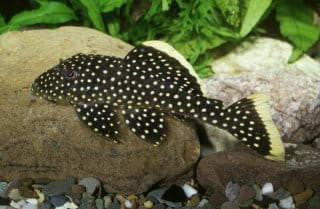
Bristlenose Plecos, often picked by aquarium lovers, are from South America and good at cleaning up algae. They’re also known as Ancistrus cirrhosus and live peacefully on the bottom of tanks with their cool armor-like bony plates and neat tentacles near their mouths.
These guys can handle different water conditions well, making them a perfect fit for tanks where lots of fish types live together. To keep your Bristlenose happy and healthy in an aquarium setting, knowing where they come from and how they act naturally is important. This guide will help you get skilled at caring for your Bristlenose Pleco.

Read More : https://realacas.com/types-of-pleco-for-aquarist/
Understanding Bristlenose Plecos
Bristlenose Plecos, which are a type of catfish, come from South America and live peacefully at the bottom of tanks. They’re known for their hard bony plates and cool tentacles around their mouth area.
These little guys are a perfect fit for community aquariums because they get along well with other fish. They can live up to 5-6 years and grow about 6 inches long.
What’s really handy is that they can handle different kinds of water conditions pretty easily and love eating algae, making them super helpful in keeping your tank clean by munching on algae growth.
Identifying Unique Features of Bristlenose Plecos
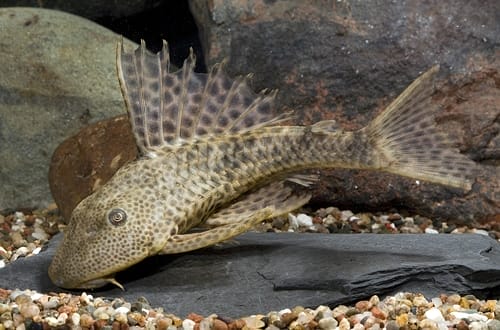
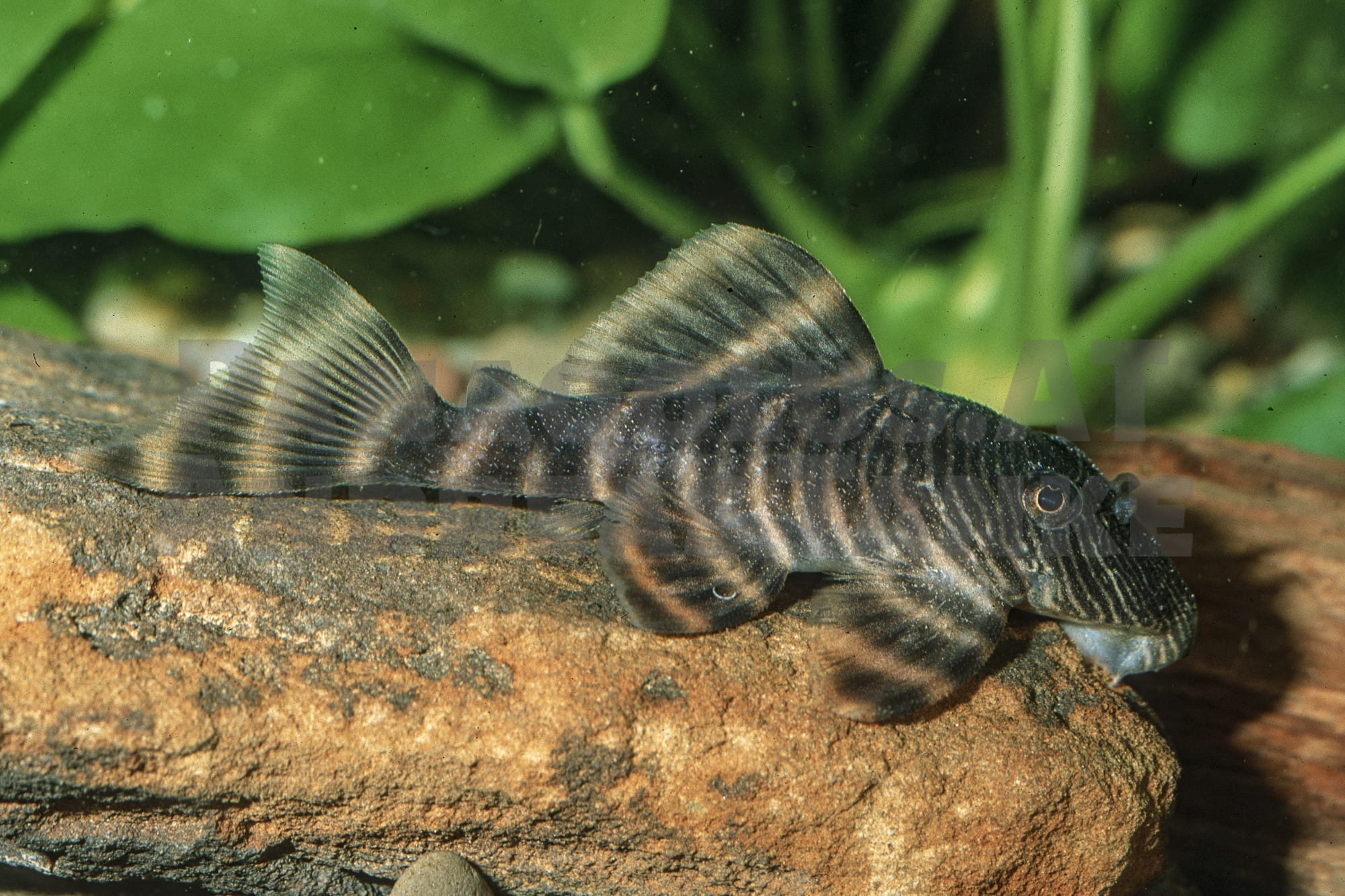
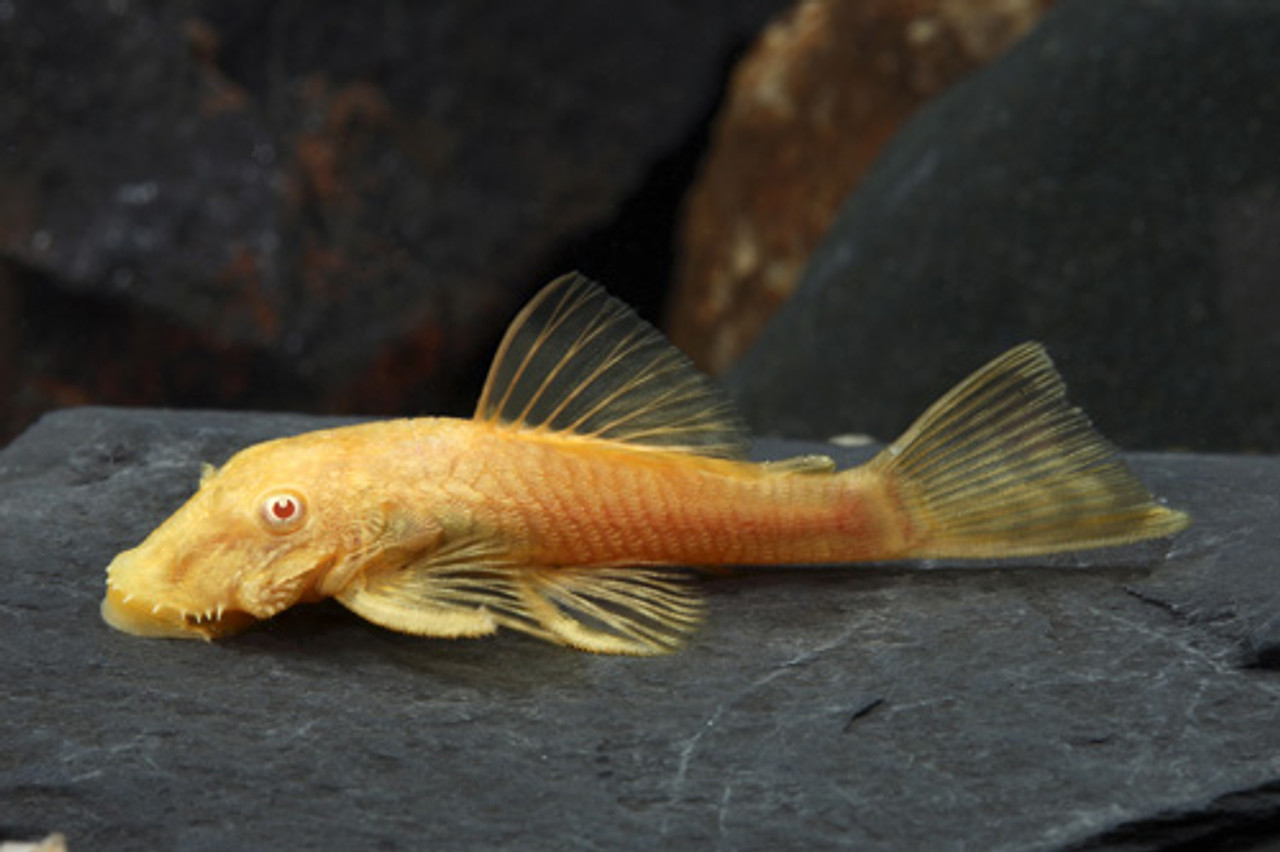
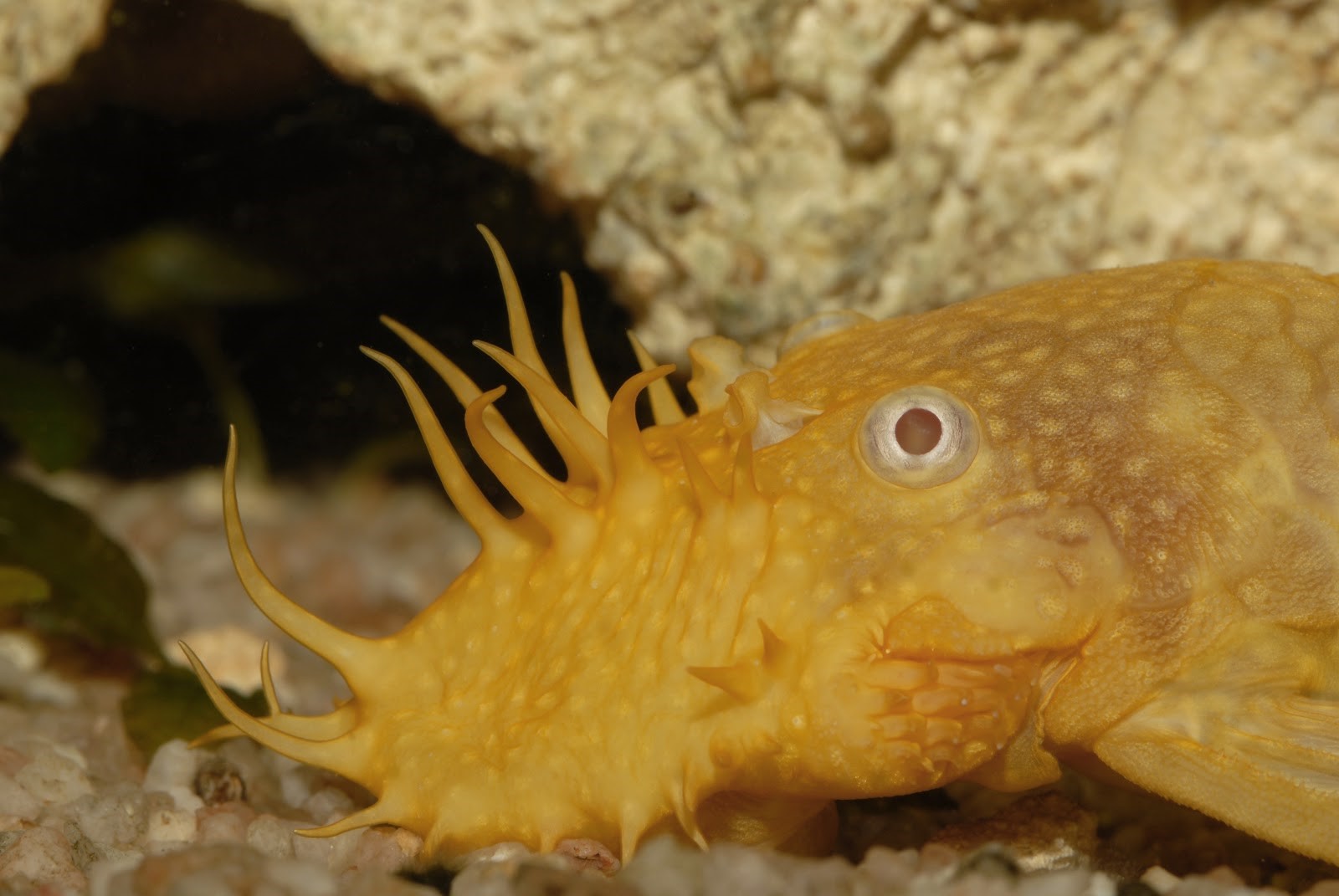
Bristlenose Plecos, who are part of the family Loricariidae, really stand out in the aquarium hobby because of their cool looks. They have these hard bony plates and interesting tentacles around their mouth area that make them look unique.
These catfish love hanging out at the bottom of freshwater tanks and they bring something special to any aquarium setup. What’s great about them is how well they adapt to different water conditions, making them a perfect fit for community aquariums with various fish types.
They’re known for being amazing at eating algae while also being super chill with other fish, which makes them a favorite among people who want to keep their tanks clean without causing any trouble among the tank inhabitants.
Exploring the Natural Habitat of Bristlenose Plecos
Bristlenose Plecos come from the Amazon Basin in South America. They do well in freshwater which has a lot of different water conditions. These calm fish, which live at the bottom, usually hang out around rocks and driftwood.
Algae is part of what they eat. Knowing where they’re from helps us make their homes in captivity feel right for them, ensuring these interesting catfish species stay healthy for a long time.
Also Read: How to Care for Your Adonis Pleco

Preparing for Your Bristlenose Pleco
Before you bring a Bristlenose Pleco home, make sure your aquarium is all set with the right gear. Think about how big the tank should be and what the water needs to be like because these catfish that love hanging out at the bottom have some pretty specific things they need to stay happy.
They really like their water clean and do great when there are live plants and driftwood around, just like where they come from in the Amazon basin.
It’s super important to give them plenty of places where they can hide away and choose the right kind of ground for them to feel at ease. By setting up their living space this way, you’re making a healthy environment where your Pleco can thrive.
Essential Equipment for Setting Up Your Aquarium
To create the perfect home for your Bristlenose Pleco, you’ll need a few key things. Start with a big enough tank, which should hold at least 25 gallons of water.
For keeping the water clean and safe, a good filter is essential. With temperature being crucial, aim to keep it warm between 74-80°F using a heater. The bottom of the tank should be covered in sand or smooth gravel as substrate that’s gentle on your pleco’s belly.
By adding pieces of driftwood, not only do you give them places to hide and chill out but also help their digestion process along. Including live plants can boost oxygen levels in the water while helping keep it clean naturally.
On top of all this, making sure the pH level stays between 6.5 and 7.5 will go a long way in ensuring your fishy friends are happy and healthy by maintaining excellent water quality.
Choosing the Right Tank Size and Conditions
When you’re picking out a tank for your Bristlenose Pleco, make sure it’s at least 25 gallons to fit their grown-up size. It’s important that the tank feels like home with plenty of hiding places and driftwood, just like where they come from in South America.
Keep the water pH level steady between 6.5 and 7.5, and the temperature should be cozy between 60-80°F. Throwing in some live plants not only helps keep the water clean but also gives your plecos extra food to munch on. Getting these conditions right is key for their happiness and keeping algae under control.
Step-by-Step Guide to Algae Control
When you add Bristlenose Plecos to your fish tank, you’re taking a great step towards getting rid of algae naturally. To make sure they do their job well, it’s important to keep the tank clean and have water that suits them just right since they like hanging out at the bottom.
Also Read: How to Care for Hypostomus Plecostomus Fish
Giving them regular care by checking on them often and feeding them algae wafers along with some fresh veggies will really help in keeping algae under control.
Making sure the water stays nice and consistent in quality, plus having some live plants around can also boost how well your tank filters itself out.
Keeping an eye on how happy your Bristlenose Pleco seems is key for making sure this natural way of dealing with algae works out.
Step 1: Introducing Bristlenose Plecos to Your Aquarium
Bristlenose Plecos, known for being awesome at eating algae, are a fantastic choice to add to your freshwater fish tank. When you bring them home, make sure your aquarium has plenty of places for them to hide like driftwood and live plants.
This helps it feel more like their original home in South America. It’s important to let them get used to the new water slowly so they can adjust without stress.
These calm creatures that hang out at the bottom love hanging around with friends such as neon tetras. Keeping everything in balance is key for these guys’ happiness and health.
Step 2: Maintaining Optimal Tank Conditions for Algae Control
To keep algae under control in your tank, it’s important to make sure the living conditions are just right for your Bristlenose Pleco. This means keeping the water clean and at a temperature that freshwater fish like.
Adding live plants helps too because they clean the water and give natural algae for your Pleco to munch on. Regularly cleaning out waste from the bottom of the tank is key to stopping too much algae from growing.
You might also want to throw in some algae wafers as an extra treat for their diet. By keeping an eye on all these things, you’ll help your Plecos thrive.
Step 3: Regular Care and Monitoring
To make sure your Bristlenose Pleco stays healthy, it’s important to watch them closely. Look out for how they act and look, making sure they’re moving around and eating properly.
Checking the water quality often and changing some of the water regularly are key steps in keeping their home just right. With algae growth under control, you’ll create a balanced space for your Plecos to live in.
Also, giving them different kinds of food will cover all their dietary needs, helping them stay in top shape. By keeping an eye on these things consistently, you can keep your aquarium full of life and thriving.

Feeding Your Bristlenose Pleco
When you’re looking after a Bristlenose Pleco, it’s really important to know what they like to eat. These fish are big on algae and do well when their meals include things like algae wafers, zucchini, and spirulina wafers too.
To give them an extra boost, throw in some bloodworms and veggies that have been lightly cooked until soft – spinach is a great choice. Making sure they get this mix of foods will help keep them healthy and happy living in your aquarium. Since they prefer nibbling throughout the day rather than having one big meal, remember to feed them little bits at various times.
Understanding the Dietary Needs
Bristlenose Plecos really need the right food to stay healthy. Since they’re herbivores, they mostly eat plants. Make sure you feed them algae wafers, zucchini, spinach, and have some live plants in your aquarium for them to munch on.
Now and then, it’s okay to give them a bit of protein like bloodworms as an extra treat. It’s super important to know what they need to eat so your Bristlenose Pleco can thrive in your aquarium.
Recommended Foods and Feeding Schedule
Bristlenose Plecos really like a mix of different foods to eat. You should give them algae wafers, zucchini, and spinach regularly. On top of that, it’s good to add in some extra treats like bloodworms, brine shrimp, and pellets made from vegetables that sink to the bottom of the tank.
It’s best to feed your Plecos once every evening because that’s when they usually look for food naturally. Make sure all the food gets down to where they hang out at the bottom so they can easily find it. Keeping up with this feeding routine helps keep them healthy and happy.

Common Health Issues and Solutions
Bristlenose Plecos are usually pretty tough fish, but they’re not invincible. Just like any other fish you might have in your aquarium, they can get sick. Watching how they act and look is key to catching signs that something’s wrong early on.
They often run into trouble with things like fin rot, fungal infections, and bacterial infections if the water quality drops or if they get too stressed out. To keep them healthy, it’s super important to keep their home – the tank – clean with good filtration and make sure their diet is right on point while giving them a chill environment without stressors.
Identifying Signs of Stress and Illness
Knowing how to spot when your Bristlenose Plecos are stressed or sick is key to keeping them healthy. When they’re not feeling well, you might see their fins looking torn or held tight against their body.
They could also turn a pale shade, seem tired all the time, not want to eat much, and hide more than usual. If these things start happening, it’s crucial to check on the water quality and fix anything that’s off.
Sometimes they might act meaner than normal or swim in odd ways which can be another clue that something’s wrong. Keeping an eye on your Bristlenose Plecos often and getting help from a vet if things don’t look right is really important.
Preventive Measures and Treatments
Keeping your Bristlenose Plecos healthy and avoiding common health problems means making sure their tank is clean and well looked after. This involves changing the water regularly to keep the water quality high, along with using proper filters.
It’s also key to feed them a mix of foods like algae wafers, spirulina flakes, and fresh veggies. By giving them lots of places to hide and making sure their home has the right temperature and pH levels, you can help keep stress away and make sure they’re feeling good.
Conclusion
To wrap things up, getting a handle on algae problems by using Bristlenose Plecos means you’ve got to really get what makes them tick, set up the right kind of home for them, and make sure they’re well looked after and fed.
If you stick to a detailed plan step by step and keep an eye on their health, your aquarium will stay looking great without any algae trouble.
It’s important to remember that when your Bristlenose Pleco is happy and healthy, it does more than just help with the algae – it plays a big part in making sure everything in your tank works together well.
So always be ready to learn new things, take action when needed, and put in the effort to create the best possible space for these fishy friends.

Frequently Asked Questions
How often should I feed my Bristlenose Pleco?
To make sure your Bristlenose Pleco stays healthy, it’s a good idea to feed them regularly. You should aim to give them food once or twice daily based on what they need.
Also Read: Ultimate Guide to Iquitos Tiger Pleco Care
Their meals should be a mix of different things including algae wafers, spirulina flakes, and some fresh veggies like zucchini. It’s key for their well-being to have varied foods in their diet. Now and then, adding some protein-rich snacks such as bloodworms can also do them good.
Can Bristlenose Plecos coexist with other fish species?
Bristlenose Plecos are known for being peaceful fish, making them great tank mates for a bunch of different fish types in a community aquarium. With other calm buddies like neon tetras, platys, and guppies around, they do quite well.
But it’s crucial to think about what the other species in the tank need and whether they’ll all get along nicely to keep things friendly and stress-free.
By adding plenty of spots for hiding and keeping the water conditions just right, you can cut down on any chances of fights or anyone claiming too much space as their own.
What are the signs of a healthy Bristlenose Pleco?
When you have a healthy Bristlenose Pleco, there are some clear signs to look out for. For starters, they’ll be on the move a lot and always seem hungry, looking around for something to eat and doing so often.
Their colors will pop – really bright and full of life without any fading or weird spots. Looking at their eyes can tell you a lot too; they should be crystal clear without anything mucking them up. And when it comes to their fins, make sure they’re all good – no tearing or looking like they’ve been squished together. Keeping an eye on these things regularly is key in making sure your pleco stays happy and healthy.
How long does it take for Bristlenose Plecos to significantly reduce algae?
Bristlenose Plecos are great at eating algae and can really help keep your tank clean by reducing the amount of natural algae. But, how quickly you’ll see a difference in algae control depends on things like how your tank is set up and how much natural algae you’ve got growing there to begin with.
With the right care and good conditions in their tank, Bristlenose Plecos can be a long-term solution for keeping your aquarium free from unwanted algae, making it a better place for all the other creatures living there.
Hi, I'm Millie a passionate fish enthusiast and blogger. I loves learning about all kinds of aquatic creatures, from tropical fish to stingrays.