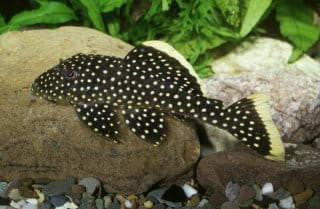

Butterfly Pleco Care Guide for Fish Tank Owners
 Millie Douglas
Updated on: July 8, 2024 .
14 min read
Millie Douglas
Updated on: July 8, 2024 .
14 min read
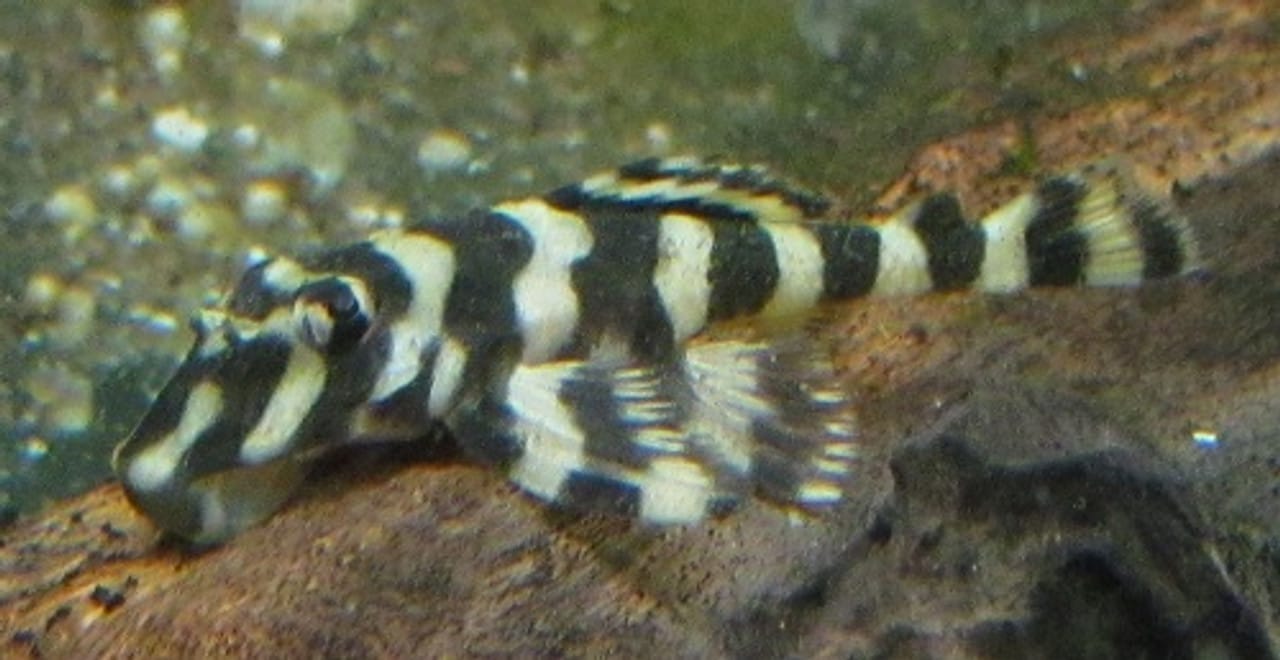
Butterfly Plecos, also known as Dekeyseria brachyura, come from the rivers and streams of South America, especially around Rio Negro in Brazil. These eye-catching fish are a favorite among aquarium lovers because they look so different and are very calm.
They mainly eat algae and bits of vegetables. To keep them happy, you need to have a clean tank with lots of places for them to hide and pick friends for them that will get along well. Knowing where they’re from and what makes them tick is key to making sure they do well in your aquarium.
Read More : https://realacas.com/types-of-pleco-for-aquarist/
Understanding Butterfly Plecos
Butterfly Plecos, also known by their scientific name Dekeyseria brachyura, come from South America. To be more specific, they’re found in the Rio Negro basin in Brazil.
These catfish are really eye-catching because of their special colors and patterns that stand out. They’re part of the Bristlenose Pleco family and grow to be about 12-15 cm when fully grown.
In their natural home, Butterfly Plecos live in areas with lots of plants and strong water flow where they munch on algae and bits of vegetables. Knowing all about where they come from is super important if you want to make them feel at home in an aquarium.
The Origin and Species Overview
The Butterfly Pleco, or Dekeyseria Brachyura as the scientists call it, comes from South America and loves living in the Rio Negro’s waters. This fish is part of the Bristlenose Pleco family and can grow up to about 10-12 cm when fully grown.
They stand out because of their special colors and unique snout shape. As herbivores, they like eating stuff that comes from plants.
Their home is usually among waterways where you’ll find live plants and pieces of driftwood floating around; this makes them a cool addition to any aquarium where different kinds of fish are kept together.
Recognizing the Unique Features of Butterfly Plecos
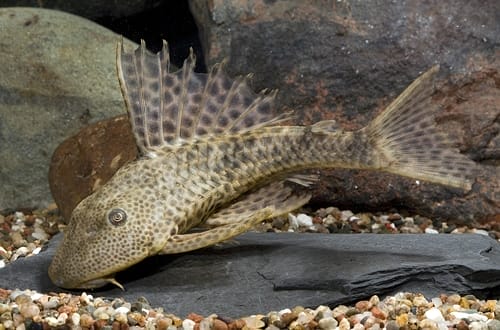
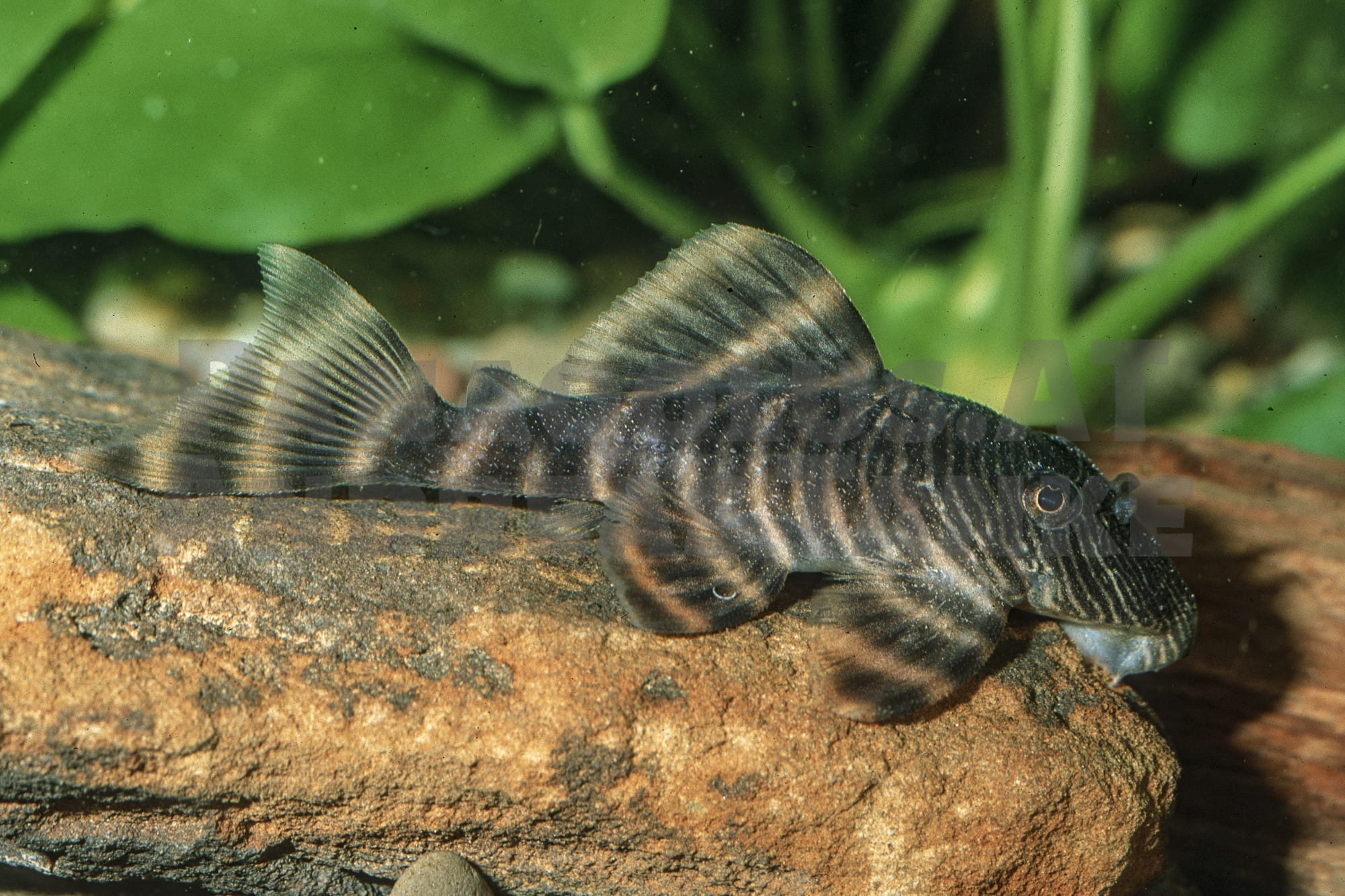
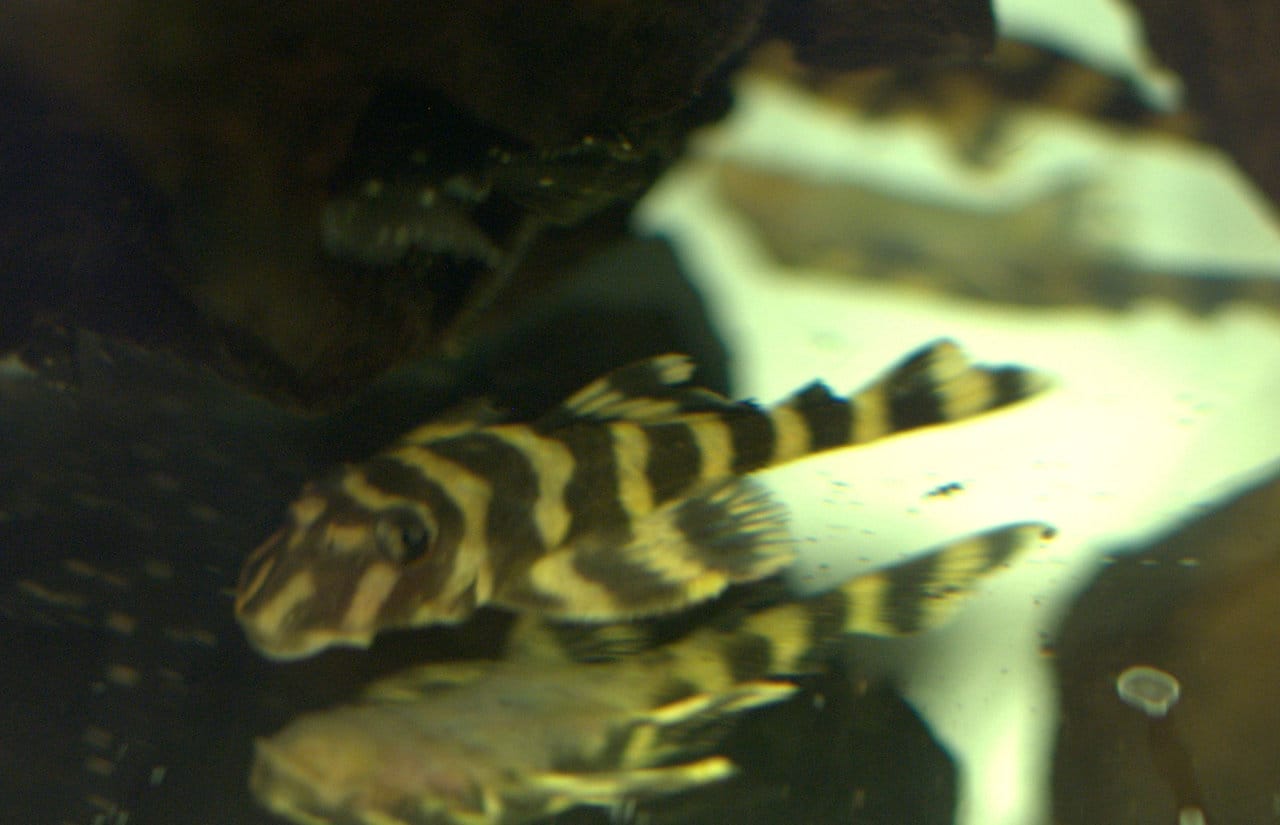
Butterfly Plecos, or Dekeyseria brachyura as they’re scientifically known, stand out in the fish world. They have this unique body that looks a lot like what you’d see on a chameleon’s face – their snout.
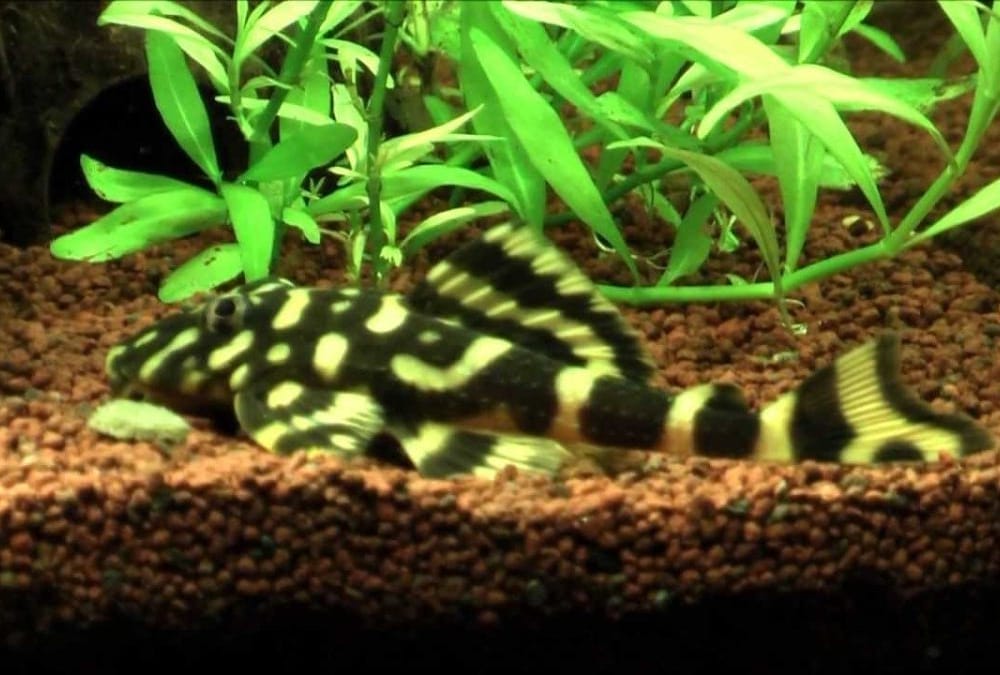
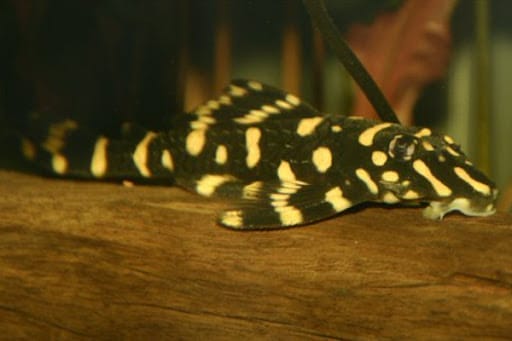
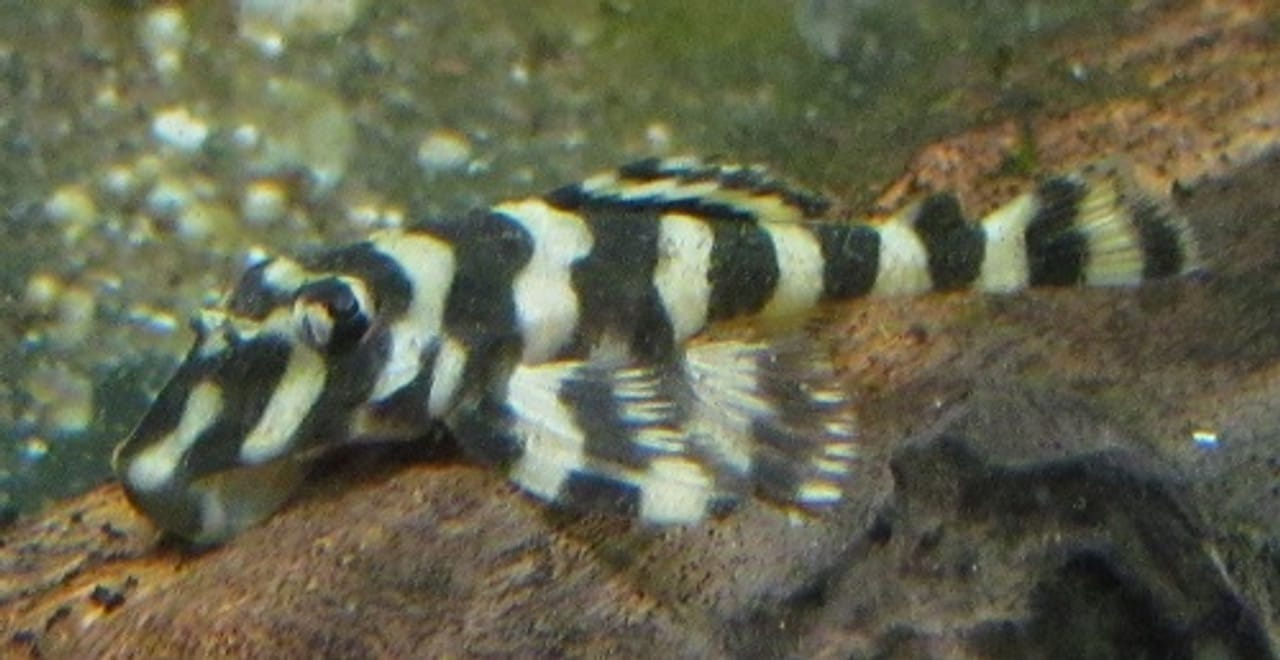
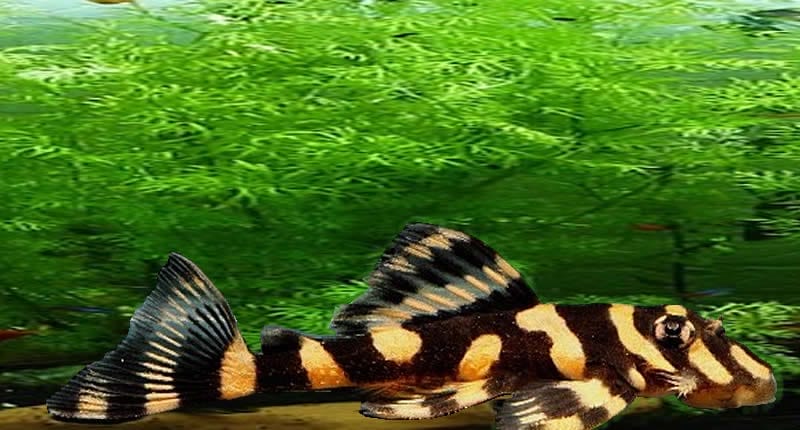
Their skin color goes from dark brown to almost black and is decorated with cool patterns that remind you of butterfly wings. These catfish aren’t very big; when fully grown, they reach about 12 cm, making them perfect for not-too-big tanks.
Also Read: How to Care for Your Adonis Pleco
They love to eat vegetable matter, which helps keep algae under control in the aquarium. This makes Butterfly Plecos not just pretty to look at but also super helpful for keeping your tank clean.
Setting Up the Perfect Habitat
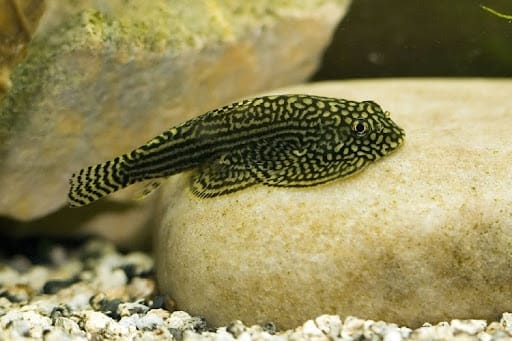
To set up the perfect home for Butterfly Plecos, you’ll need a big aquarium that holds at least 30 gallons. With a focus on recreating their natural surroundings, use a lighter substrate and provide plenty of spots to hide like driftwood and live plants.
It’s important to keep the water temperature steady between 75-82°F and change the water regularly. Make sure your filtration system is top-notch to ensure the water quality stays clean, which is vital for their health. When picking tank mates, go for peaceful fish such as tetras or cichlids to create a friendly community aquarium atmosphere.
Tank Size and Conditions
To keep your Butterfly Pleco healthy and happy, make sure they have a big enough home. They need at least 30 gallons of water because they grow pretty large.
Try to make their tank feel like South America where they come from by choosing the right kind of bottom layer for them to live comfortably on.
It’s important to keep the water between 24-27°C and clean it regularly so it stays fresh. Give them plenty of spots to hide in and add some driftwood too, as these things really help create the perfect living space for your Pleco.
Water Parameters for Optimal Health
To keep Butterfly Plecos healthy, it’s really important to get the water just right. These fish come from South America, especially a place called the Rio Negro where the water is super clean.
To make them feel at home, you should keep the water temperature warm but not hot, between 24°C and 28°C works best. The pH level needs to be a bit on the acidic side too – think about keeping it between 6.5 and 7.5.
With their natural habitat in mind, using a lighter substrate can make all the difference as well as changing out some of the water regularly to keep things fresh and clean for them.
Making sure your tank has lots of places for these fish to hide away when they want some quiet time also helps in making sure they’re happy and healthy.
Also Read: How to Care for Hypostomus Plecostomus Fish
Diet and Nutrition Essentials
For your Butterfly Pleco to stay healthy, it’s important they eat a mix of different foods like algae wafers, zucchini, and bloodworms. These herbivores love eating plants just like they do in their home in South America.
To help them digest their food better, add some cucumber and other green veggies to their meals. Keeping the water clean is super important too; make sure their diet has plenty of proteins and fibers.
By changing the water regularly and giving them a balanced diet full of vegetable matter, you’ll keep your Pleco happy in its aquarium home.
Daily Feeding Guide
Butterfly Plecos do well when they eat a mix of different foods, like algae wafers, zucchini, cucumber, and bloodworms. It’s best to feed them once every day and make sure they finish their food in a few hours.
By adding vegetable matter to their meals, you’re making it more like what they’d find in South America where they come from. To keep them healthy and growing right without stomach problems, don’t give them too much food.
Watching how they eat can help you figure out the best amount to feed them for good health. A balanced diet is key for meeting their special needs for nutrients.
Recommended Foods and Supplements
Butterfly Plecos do really well when they eat different kinds of food, like algae wafers, zucchini, cucumber, and bloodworms. It’s a good idea to add some veggies and top-notch store-bought foods to their meals for the best health.
You should also think about giving them sinking pellets and tablets that are made just for fish that feed at the bottom. Now and then, you can treat them with steamed spinach or kale for extra nutrients. Keeping their diet varied is key to helping their digestion stay on track and keeping them healthy all around.
Health and Wellness
Butterfly Plecos really need us to keep an eye on their health. They can run into trouble if the water they live in isn’t kept clean, so it’s super important to take care of that regularly.
By checking on the water quality often, making sure they get a good mix of food including lots of veggies and algae, and giving them spots to hide away when they want some quiet time, we’re doing a lot for their happiness.
These catfish are pretty tough but don’t do well if things aren’t just right at home with enough algae and vegetable matter around them.
To help them stay healthy, changing some of the water every day is a smart move and picking tank mates that won’t stress them out matters too. Keeping up with these steps means you’re looking out for your fish friends properly.
Common Health Issues and Prevention
Butterfly Plecos are pretty tough fish, but sometimes they can run into health problems. Watch for signs that the water isn’t great, such as fin rot or ich. To keep the water clean, change it regularly.
By adding spots for them to hide in the tank, you help them feel less stressed out. Feeding them a varied diet is key to keeping their immune system strong.
It’s also important not to have too many fish in one space because it could lead to fighting among them. If you’re worried about your pleco’s health, talking to a vet who knows about fish might be a good idea sooner rather than later. Always pay attention to your Butterfly Pleco if you want it stay healthy and add beauty to your aquarium.
Regular Care and Maintenance Tips
Taking good care of Butterfly Plecos is really important. Make sure their water is clean, with the right pH levels and a steady temperature that matches where they come from naturally. It’s crucial to change the water often to keep it in top shape, which helps them stay healthy and happy.
Keep their home free from too much waste and food leftovers to avoid bad water conditions. They also need plenty of spots to hide out and feel safe, so make sure their environment doesn’t stress them out.
Watching how they act, checking on their health, and seeing if they’re eating well should be done regularly to catch any problems early on.
Doing these things all the time will help your Butterfly Plecos live a long and bright life by maintaining high-quality water standards similar to those found in natural habitats while preventing poor environmental conditions.
Breeding Butterfly Plecos
To get Butterfly Plecos to breed successfully, it’s crucial to know how they do things in the wild. These catfish come from South America, specifically the Rio Negro and its tributaries.
To start off, you need to tell males and females apart which is key for breeding. Set up a special tank just for them with plenty of spots where they can hide and use a lighter kind of ground covering or substrate.
Keeping an eye on the water temperature and making sure it’s clean will help make them feel like they’re back in their natural habitat by the Rio Negro riverbanks or among its tributaries.
Feeding them different kinds of food including greens and algae wafers helps get them ready to have babies. Also, think about who else lives in your aquarium because having friends that get along makes everything less stressful for these South American natives trying to start families far from home.
Understanding Sex Differences
When it comes to telling male and female Butterfly Plecos apart, there are a few clear signs. Males tend to be more on the slim side and have these bigger bony spines, called odontodes, right on their noses compared to females. On the other hand, grown-up females usually show off a broader middle than males do.
Knowing these differences is key if you’re looking into breeding Butterfly Plecos. It’s smart to start with a small bunch of young fish so that you end up with at least one pair that can breed as they get older. The guys will begin showing things like those larger odontodes when they’re ready.
For breeding them successfully, setting up the right kind of home is crucial – think caves or pipes for spawning sites where all the magic happens.
Here’s how it goes: The male gets the female’s attention and brings her over to his chosen spot; if she agrees, then spawning takes place inside this hideout.
Once she lays her eggs there, he turns into guard mode – keeping an eye out and making sure air flows around those eggs until they hatch about 7-10 days later.
The baby fish or fry, stay put in their birthplace under dad’s watchful eye till they’re strong enough to venture out safely on their own.
Creating a Conducive Breeding Environment
To create a conducive breeding environment for Butterfly Plecos, it is important to set up the breeding tank with the following considerations:
Also Read: Ultimate Guide to Iquitos Tiger Pleco Care
- Spawning Site: Provide suitable caves or pipes as spawning sites. Tight-fitting rectangular caves are ideal for Butterfly Plecos.
- Water Parameters: The water in the breeding tank should be soft and acidic, simulating the natural conditions of the rainy season. A significant water change with cool water can help encourage spawning.
- Hiding Places: Include plenty of hiding places in the breeding tank. Use flat, rounded rocks, driftwood, and caves to create hiding spots for the plecos.
Here is a text table summarizing the essential elements for a conducive breeding environment:
| Element | Description |
| Spawning Site | Provide tight-fitting rectangular caves or pipes for spawning |
| Water Parameters | Maintain soft and acidic water to simulate the rainy season |
| Hiding Places | Use flat, rounded rocks, driftwood, and caves to create hiding spots for the Butterfly Plecos |
Creating an environment that mimics their natural habitat will not only provide them with a comfortable home but also increase the chances of successful breeding.
Behavioral Insights
Butterfly Plecos have some pretty cool behaviors that anyone with a fish tank should know about. Getting to grips with how they act can make your aquarium a much nicer place for all the fish.
These plecos are chill and fit in well in a community aquarium. But, they might get into it with others of their own species now and then. To keep the peace, it’s smart to set up lots of hiding spots and areas where each one can claim its space.
When it comes to sharing an aquarium, Butterfly Plecos do great with other calm fish around their size. They’re buddies with cichlids like Retroculus or African Steatocranus as well as other Loricariids who dig similar water vibes.
General community fish are also good pals, just so long as there’s plenty of oxygen in the water for everyone. Still, you’ve got to steer clear of any rough-and-tumble types that could pick on your plecos.
Watching them hang out is super interesting—they’re really good at blending into their surroundings thanks to being able to change colors fast! Plus, those gold stripes against brownish-black look amazing on them.
So by setting up an ample space filled with friendly tank mates and enough hideouts within the aquarium environment ensures these Butterfly Plecs will be living their best life alongside fellow aquatic friends.
Social Behavior and Tank Mates
Butterfly Plecos can live happily with a bunch of different fish in a community aquarium, as long as those fish are calm and about the same size. They get along well with cichlids like Retroculus or African Steatocranus, and also other Loricariids that need water conditions similar to theirs.
On top of that, Butterfly Plecos can share their space with more common community fish if the aquarium has plenty of oxygen in the water. Peace-loving fishes such as tetras, rasboras, and non-aggressive barbs make good tank mates too.
Also Read: Discovering Baryancistrus Xanthellus Species
However, it’s crucial to steer clear from any aggressive or territorial types of fish which might pick on or stress out your Butterfly Plecos.
Making sure everyone in the tank is compatible is key to keeping things peaceful and making sure all your aquatic friends are happy together.
Handling Aggression and Territorial Issues
When you have Butterfly Plecos in your aquarium, sometimes they don’t get along with each other. To keep things calm and everyone happy, there are a few steps you can follow.
- For starters, it’s really important to give them plenty of places where they can hide or claim as their own spot. You can do this by putting stuff like smooth rocks, pieces of driftwood, and little caves into the tank. This way, each pleco has its own place to hang out without stepping on another’s toes.
- Keeping an eye on how these fish act around one another is key too. Watch for any signs that show they’re not getting along well—like if one starts picking on others a lot. If things seem to be heating up too much between them, you might need to put the troublemaker in time-out by moving it away from the rest so everyone else gets some peace.
- Adding even more hiding spots could also cool down tensions since there’ll be more options for every fish to find its perfect nook.
By staying vigilant and making sure your aquarium is set up right with lots of hiding places for tank mates like driftwood and cozy corners,own species aggression should drop off significantly among Butterfly Plecos . Creating such a stress-free home will let both you and your aquatic friends enjoy life under water together peacefully.
Hi, I'm Millie a passionate fish enthusiast and blogger. I loves learning about all kinds of aquatic creatures, from tropical fish to stingrays.