
Discover the Fascinating Rhino Pleco Fish
 Millie Douglas
Updated on: July 8, 2024 .
14 min read

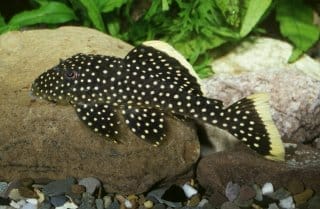
The Rhino Pleco, also known as Pterygoplichthys scrophus, comes from South America and makes a really interesting pet for your fish tank. This type of catfish likes to stay at the bottom and does best when it’s around live plants, driftwood, and lots of places where it can hide.
People who like fish tanks often choose Rhino Plecos because they help keep the tank clean by eating algae. It’s important to know about where they come from, what they eat, and how they act so you can take good care of them in your aquarium.

Read More : https://realacas.com/types-of-pleco-for-aquarist/
Introduction to Rhino Pleco
The Rhino Pleco, or pterygoplichthys scrophus as the scientists call it, is a really cool type of catfish that comes from South America. Places like the Amazon and Peru are where you can find them in nature.
They have this unique look with something on their head that kind of makes you think of a rhino’s horn. These fish do great in big aquariums where things feel more natural for them.
Because they’re so chill and get along well with others, Rhino Plecos make perfect pets to hang out at the bottom of your tank. It’s super important to keep their water clean and just right if you want these algae-eating buddies to be happy.
Origin and Habitat of Rhino Pleco
The Rhino Pleco, a type of catfish that loves to hang out at the bottom, originally comes from South America, especially places like Peru and Brazil.
They’re really into living in slow-moving waters where there’s plenty of driftwood and live plants around, just like their home in the Amazon.
When it comes to their tank conditions, they’re happiest with temperatures ranging from 73-82°F and a pH level between 6.5-7.5. It’s super important to give them lots of room and some good hiding spots so they can feel safe and sound.
By knowing where these cool creatures come from and what their natural surroundings are like helps us create the perfect spot for them to thrive.
Physical Characteristics of Rhino Pleco
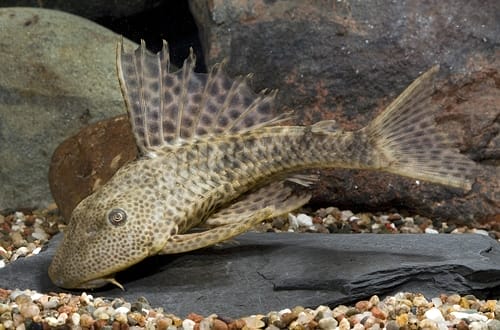
The Rhino Pleco, or Pterygoplichthys scrophus as the scientists call it, really stands out because of how it looks. It’s got this cool rhino vibe going on with a body that’s flat and wide, all armored up in bony plates.
Also Read: How to Care for Your Adonis Pleco
On top of its back is this unique sail-like fin, and it uses strong sucker mouths to move around the riverbeds down in South America.
These fish are pretty big for tank mates; they usually grow between 10 to 15 inches long so they need plenty of room to roam at the bottom of their tanks. What makes them even more special is their calm nature which adds a peaceful charm to any aquarium setup they’re part of.

Caring for Your Rhino Pleco
To keep your Rhino Pleco happy and healthy, it’s important to get the water just right. Aim for a pH level from 6.5 to 7.5 and keep the temperature cozy between 72-79°F, just like their Amazon home. They love a menu that includes lots of algae-based stuff with some veggies thrown in now and then.
Keep an eye out for signs they might not be feeling great, like if their fins start looking bad or they catch bugs (not the good kind).
Making sure you change the water often and keeping their tank clean is super important too. Since these guys prefer hanging out at the bottom, understanding this bit about their temperament can make everyone more comfortable.
Ideal Water Conditions for Rhino Pleco
To take good care of your Rhino Pleco, it’s really important to keep the water just right. These fish from South America love hanging out at the bottom and do best in water that’s a bit on the acidic side or just plain neutral, with a pH level somewhere between 6.5 and 7.5.
For them to be happy and healthy, you should aim for a water temperature that stays between 75°F and 82°F. Make sure their tank has plenty of air moving through it and not too strong but steady flowing water, so they feel like they’re back in their home rivers in the Amazon. By keeping these conditions stable, your Rhino Pleco will stay lively and well.
Diet and Nutrition Needs of Rhino Pleco
Rhino Plecos, those fascinating bottom dwellers, need a special kind of food to stay healthy. Algae should be the main thing they eat every day. To make sure they get all the nutrients they need, you can also give them sinking pellets or wafers.
Adding driftwood to their aquarium helps with their digestion and is something good for them. Every now and then, it’s nice to treat them with some veggies like zucchini or cucumber. Keeping their diet balanced is really important for keeping these rhinos in top shape.
Common Health Issues and Prevention in Rhino Pleco
Rhino Plecos are pretty tough fish, but they can still get sick with things like Ich, which shows up as white spots, and fin rot. To keep them healthy, it’s important to have the water just right—with a pH level between 6.5 and 7.5 and the temperature from 75 to 82 degrees Fahrenheit.
Also Read: How to Care for Hypostomus Plecostomus Fish
By making sure their tank is well-filtered and changing the water often, you can help prevent ammonia from building up too much.
Giving them good food and keeping their home clean also plays a big part in stopping these health problems before they start.

Setting Up the Perfect Habitat
To make a great home for your Rhino Pleco, start with a big tank because they like to stay at the bottom. Add some driftwood and live plants to make it feel like their original home in South America.
Make sure the water is clean and moves well to keep them healthy. They love warm water and do best when the pH level is around 7.0. With careful attention to creating this kind of setup, you’ll give your Rhino Pleco a cozy and exciting place to live.
Tank Size Requirements for Rhino Pleco
Rhino Plecos, those big catfish that love to hang out at the bottom of your aquarium, really need a lot of space to feel happy and healthy. You should aim for a tank size of at least 75 gallons if you want them to grow properly and show off their natural behaviors.
With more room in their tanks, these rhinos can explore freely without bumping into things all the time. Plus, having a bigger aquarium helps keep the water clean by cutting down on waste buildup.
So when setting up your tank, always remember how large Rhino Plecos can get as adults; it’s key for making sure they have enough space to thrive.
Substrate and Decoration: Creating a Natural Environment
To make a cozy home for your Rhino Pleco that feels like their South American roots, go for smooth sandy bottoms or tiny pebbles similar to the riverbeds they come from.
With driftwood, stones, and little hideouts, you create spots where they can chill out and not always be in sight within the aquarium.
Adding live plants such as Anubias or Java Fern not only makes things look nice but also gives them places to nibble on. Just make sure there’s enough room so these bottom dwellers have plenty of space to wander around without bumping into everything.
Filtration and Water Movement for Rhino Pleco’s Health
To keep your Rhino Pleco healthy, it’s really important to have good filtration and make sure the water keeps moving. These fish live at the bottom and need clean water with a powerful filter system to do well.
By making sure the water circulates properly, you can avoid any still spots that might be bad for your plecos. Adding things like driftwood and live plants helps keep the water quality up, just like in their home in the Amazon. A tank that’s well taken care of with lots of flowing water is great for keeping your Rhino Pleco happy and healthy.

Breeding Rhino Pleco
Breeding Rhino Plecos, those catfish from South America like Peru and the Amazon area, can be both fun and a bit tough for people who love aquariums.
To get these bottom-dwellers to breed successfully, it’s super important to know how they behave when breeding and to set up their tank just right.
This means getting the water temperature perfect and making sure the pH levels are spot on. By creating a friendly space in your tank with other fish that get along well with them and lots of places for them to hide, you’re more likely to see some baby Rhinos soon! Doing your homework well ahead of time is crucial if you want everything to go smoothly in creating a good home where they can breed.
Understanding Rhino Pleco Breeding Behavior
Rhino Plecos, also known as Pterygoplichthys scrophus, have a special way of breeding that’s pretty interesting. They’re from South America and love to keep their spawning activities private, choosing hidden spots like caves for this purpose.
These catfish are bottom-dwellers and feel most at home in an aquarium set up with lots of hiding places such as driftwood and caves. This setup is key because it makes them comfortable enough to start their unique breeding process.
By creating an environment that feels like their natural habitat in South America, fish enthusiasts can really help these Rhino Plecos do their thing when it comes to reproduction.
Conditions for Successful Breeding of Rhino Pleco
Breeding Rhino Plecos might seem tough, but it’s definitely doable if you get the conditions just right. By keeping the water temperature cozy between 72-82°F and adjusting the pH level to a comfy 6.0-7.6, you’re basically rolling out the red carpet for them to breed since these settings are like their home in nature.
To make them feel even more at ease, throw in lots of spots where they can hide away from prying eyes—think caves or hollow logs because that’s where they love hanging out when it’s time to spawn.
With breeding, though, there’s a bit more to think about than just setting up their space nicely. The quality of water plays a big role as does what you feed them and how healthy they are overall; so keep that tank clean and stick with nutritious food options if you want those eggs appearing sooner rather than later.
When everything clicks into place and breeding happens successfully, expect the female to lay her eggs somewhere safe which then becomes dad’s job to guard until his little ones hatch ready for some tiny-sized meals like specially made fry food or finely crushed flakes.

Social Behavior and Compatibility
Rhino Plecos are pretty chill and can get along with lots of different fish types. But, when picking friends for them in the tank, it’s key to think about how big they get and their personality.
With livebearers, other plecos, rainbowfish, catfish, and fish that like to hang out together in groups (schooling fish), they do well because these buddies often need the same kind of water conditions and aren’t looking to start any trouble.
On the flip side, you’ll want to steer clear from putting them with bossy or territory-loving fish like cichlids since those guys might pick fights with your Rhino Plecos.
To keep everyone happy and reduce chances of squabbles over space, make sure there’s plenty of spots where a fish can hide away or just swim around freely.
All in all,Rhino Pleco are social creatures who really shine in community tanks as long as you choose their tank mates wisely considering temperament among others factors
Tank Mates for Rhino Pleco: Dos and Don’ts
When picking friends for your Rhino Plecos in the aquarium, it’s key to think about how well they’ll get along. Here’s a simple guide:
- Go with calm fish like livebearers, other plecos, rainbowfish, and catfish. They usually play nice with Rhino Plecos and can share a tank without fuss.
- Make sure there are plenty of hiding spots so every fish can have its own space. This helps keep the peace and lowers stress.
- Choose fish that are happy in similar water temperature and pH levels to make sure everyone is comfortable.
But remember:
- Steer clear of bully fish like cichlids; their mean streak could upset or hurt your plecos.
- Don’t cram too many fish into one tank. Too many neighbors means more fights over who gets what.
By choosing the right tank mates and setting up a friendly environment, you’re on track to create a great home where your Rhino Pleco buddies will thrive.
Also Read: Ultimate Guide to Iquitos Tiger Pleco Care
Understanding the Social Dynamics of Rhino Pleco
Rhino Plecos are the kind of fish that like to hang out at the bottom of their tanks, always busy looking for food or just exploring around. They’re pretty chill and usually don’t start trouble with other fish in the tank.
But if they feel like their space is getting too crowded or someone’s trying to mess with their babies, they might get a bit protective over their area.
To keep everyone happy and avoid any squabbles over territory, it’s a good idea to make sure there are plenty of hiding spots for all the fish.
Rhino Plecos are gentle by nature and aren’t known to bother other species, making them perfect buddies for community tanks where all the tank mates get along well.
Watching how these bottom dwellers interact with others in the aquarium can be really interesting—they’ve got some cool social habits as they go about their day scavenging on the tank floor.

Rhino Pleco Varieties and Similar Species
Rhino Plecos are part of the Pterygoplichthys family and stand out as a special kind within this category. Even though they haven’t been given an official L-number, their looks and traits set them apart. Yet, it’s worth noting that there are other plecos which share some similarities with them.
Exploring Different Varieties of Rhino Pleco
Rhino Plecos might not come in different types, but there are plecos out there that look a lot like them. For instance, the Sailfin Pleco (Pterygoplichthys gibbiceps) often gets mixed up with Rhino Plecos because it has this cool sail-like dorsal fin and looks pretty similar. However, Sailfin Plecos can get bigger than Rhinos and need a big tank to live happily.
On another note, the Alligator Pleco (Pterygoplichthys joselimaianus) is also quite similar but stands out because of its thick scales that remind you of an alligator’s skin.
These fish have care needs like Rhino Plecos do and can share a tank with them as long as you make sure the tank size is right and they get along well together.
How to Differentiate Between Rhino Pleco and Other Plecos
Telling Rhino Plecos apart from other plecos might seem tough since they look a lot alike at first glance. But, if you know what to watch for, it gets easier.
Also Read: Discovering Baryancistrus Xanthellus Species
- When it comes to their scientific name, Rhino Plecos are called Pterygoplichthys scrophus. Other plecos have different names in the science world.
- Looking at how they appear, Rhino Plecos sport a dark brown or black color with white armor-like plates covering their body. They can get pretty big too, reaching up to 28 cm long. The colors and shapes of other plecs can vary quite a bit.
- As for the shape of their fins, that’s another area where Rhinos stand out. Their fins don’t stretch out as much or look as pronounced compared to those on other types.
By keeping an eye on these specific traits – scientific name (Pterygoplichthys scrophus), appearance details like color and size (cm), plus fin design – you’ll be better equipped to spot the differences between Rhino Plecs and others in your aquarium setup
Hi, I'm Millie a passionate fish enthusiast and blogger. I loves learning about all kinds of aquatic creatures, from tropical fish to stingrays.