
Your Guide to Budget Fish Species: Affordable Aquarium Options
 Millie Douglas
Updated on: December 1, 2025 .
12 min read
Millie Douglas
Updated on: December 1, 2025 .
12 min read
What if the cheapest part of starting an aquarium isn’t the animals you bring home? Many new hobbyists are surprised to learn that the initial price tag on a pet is just the beginning.
The real investment comes from the tank, heater, filter, and decorations. This makes your initial choices incredibly important. Selecting the right aquatic life from the start sets you up for success.
You want hardy, long-lasting companions that thrive in a community setting. Choosing fragile animals often leads to heartache and extra costs. This guide is here to help you make smart, rewarding decisions.
We will show you how affordable options can be some of the most beautiful and engaging pets. You will learn which choices are easy to care for, breed readily, and play well with others. Let’s build a thriving underwater world you will love for years to come.
Understanding the Aquarium Hobby on a Budget
Starting your underwater world can be wallet-friendly when you prioritize essential equipment over fancy extras. The aquarium hobby becomes much more accessible when you focus on what truly matters for your aquatic friends’ health and happiness.
Essentials and Starter Tips
Beginners often wonder what they really need. Focus on a reliable filter, proper lighting, and a quality heater if your chosen animals require warm water. Some species like goldfish thrive without heaters, saving you money.
Look for energy-efficient models that reduce electricity costs over time. Consider buying used equipment after careful inspection. Wait for sales on quality products with good warranties.
Budget vs. High-End Equipment
You don’t need the most expensive gear to create a beautiful tank. The real difference often comes down to features you may not need. A basic filter cleans water just as well as a premium one.
Spend where it counts—on reliable equipment that won’t fail. Save on decorative items that don’t affect water quality. Your animals will thrive in a well-maintained environment with smart choices.
Choosing the Right Equipment for Your Budget Fish Tank
Your aquarium’s success hinges on selecting the proper setup from day one. The right gear creates a stable, healthy world for your new pets. Let’s explore the essentials that make maintenance easy and keep your animals thriving.
Selecting the Perfect Tank and Filter
Start with a sturdy glass or acrylic tank that includes a secure hood. This lid is vital, as many aquatic pets are surprisingly strong jumpers. It prevents heartbreaking escapes.
Your filter is the heart of the ecosystem. Choose one rated for the number of gallons in your fish tank. An oversized filter is better than an undersized one. It keeps the water crystal clear.
A reliable heater is crucial for tropical varieties. Match its wattage to your tank size for consistent temperature. This protects your pets from harmful swings.

Affordable Décor and Accessories
Aquarium-safe gravel and decorations provide hiding spots and reduce stress for your fish. Always choose items designed for underwater use. This ensures they won’t leak harmful chemicals.
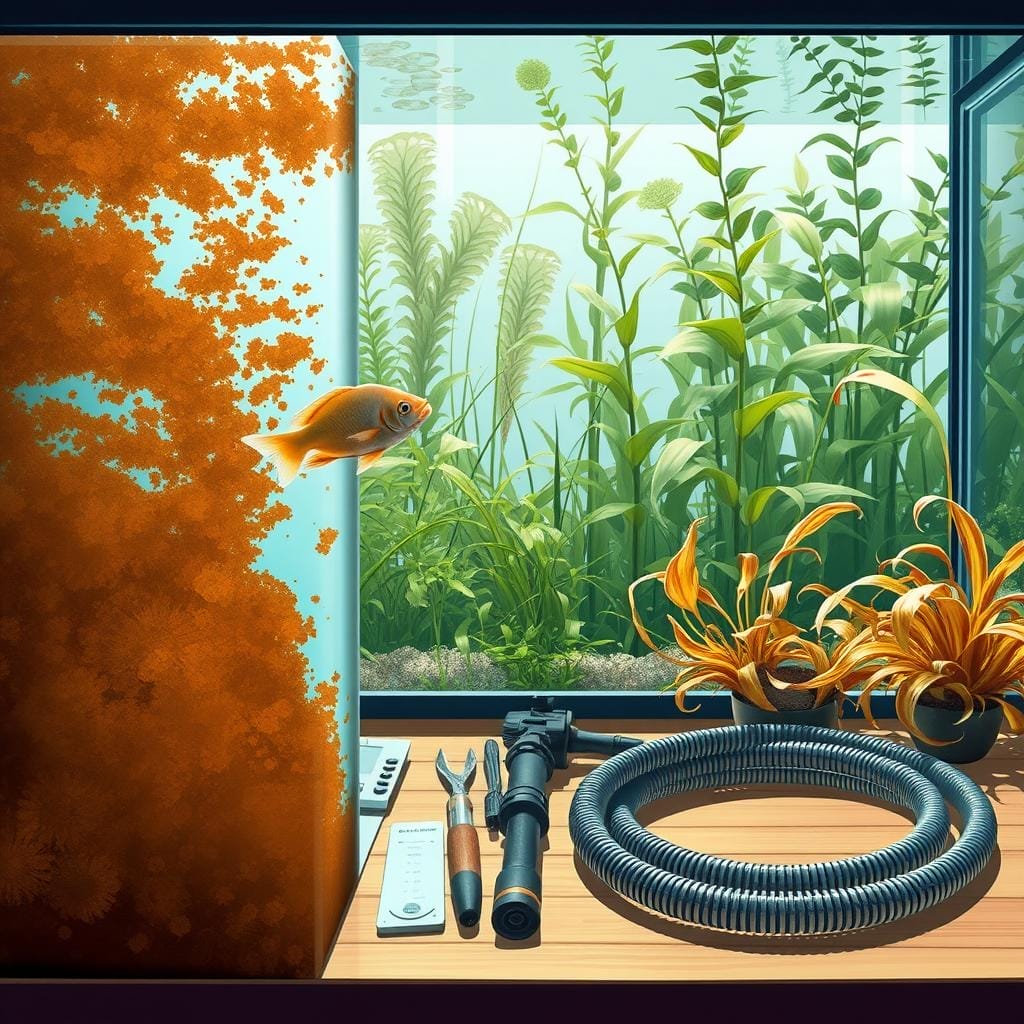
Your maintenance kit is just as important. A water test kit, gravel vacuum, and water conditioner are non-negotiable. They help you monitor quality and perform safe water changes. This equipment protects your entire investment.
By matching each piece of equipment to your specific fish tank, you ensure everything runs efficiently. This saves energy and keeps your aquatic friends happy for years.
Budget Fish Species: A Closer Look
When selecting your underwater companions, understanding what makes some options more economical can lead to smarter choices. The price difference often comes down to breeding habits and availability rather than beauty or personality.

Highlights from Top Species
Many affordable aquatic pets reproduce readily in home aquariums. This keeps their costs low while offering you the joy of watching new life develop. These hardy fish typically adapt well to various water conditions.
Their easy care requirements make them perfect for beginners. You’ll find they thrive with basic attention and regular maintenance. This reliability saves you from unexpected veterinary expenses.
Key Characteristics to Consider
Look for vibrant color and active swimming when choosing your pets. Healthy animals display clear eyes and intact fins. Avoid any that appear lethargic or have visible spots.
Consider the adult size measured in inches to ensure your tank can accommodate them. Some species grow significantly larger than their juvenile forms. Planning for their full growth prevents overcrowding issues.
Research whether your chosen name requires companionship or prefers solitude. Many affordable options are schooling varieties that need groups to feel secure. This social aspect affects your total investment in these wonderful pets.
Top Freshwater Fish Options for First-Time Hobbyists
Your first freshwater aquarium adventure begins with choosing the right aquatic companions. These selections will bring color and movement to your underwater world without demanding expert-level attention.

Popular Beginner-Friendly Species
Guppies are fantastic starter pets that thrive in community setups. They adapt well to various conditions and bring vibrant energy to any freshwater aquarium.
Betta fish remain one popular choice for smaller tanks. These stunning creatures need at least five gallons to flourish. Their reputation for easy care comes from proper housing.
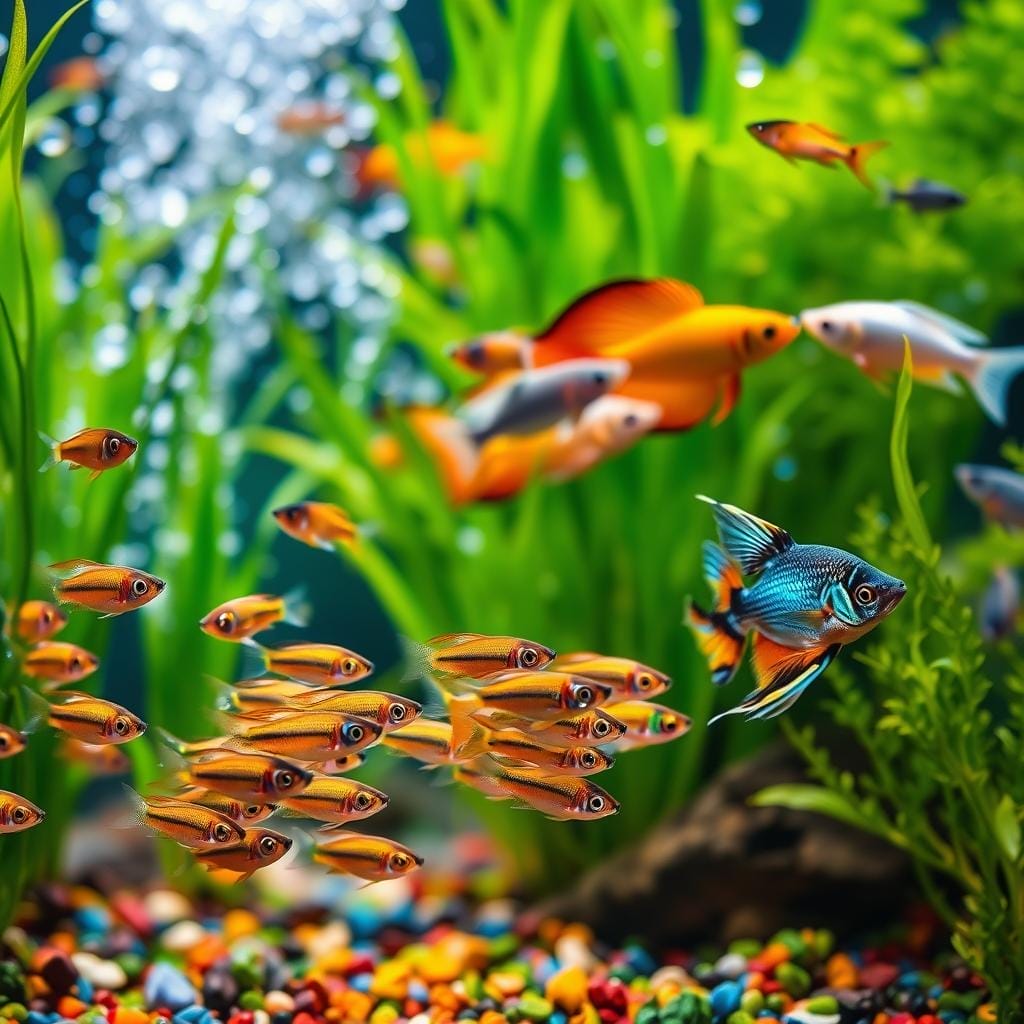
Neon tetras create spectacular displays when kept in groups. Their schooling behavior rivals expensive saltwater setups. These hardy fish work beautifully in community environments.
Goldfish offer years of enjoyment without heater requirements. This saves equipment costs while providing reliable companionship. They’re perfect for beginners seeking low-maintenance options.
Each species has specific needs for tank size and temperature ranges. Research ensures your choices match your first freshwater aquarium experience. You’ll create a thriving underwater community that brings daily joy.
Exploring Livebearers and Small Community Fish
The magic of a thriving aquarium often comes from the dynamic interactions between different types of aquatic life. Understanding how various creatures occupy different spaces creates a balanced, fascinating underwater world.
Platies, Guppies, and Mollies Spotlight
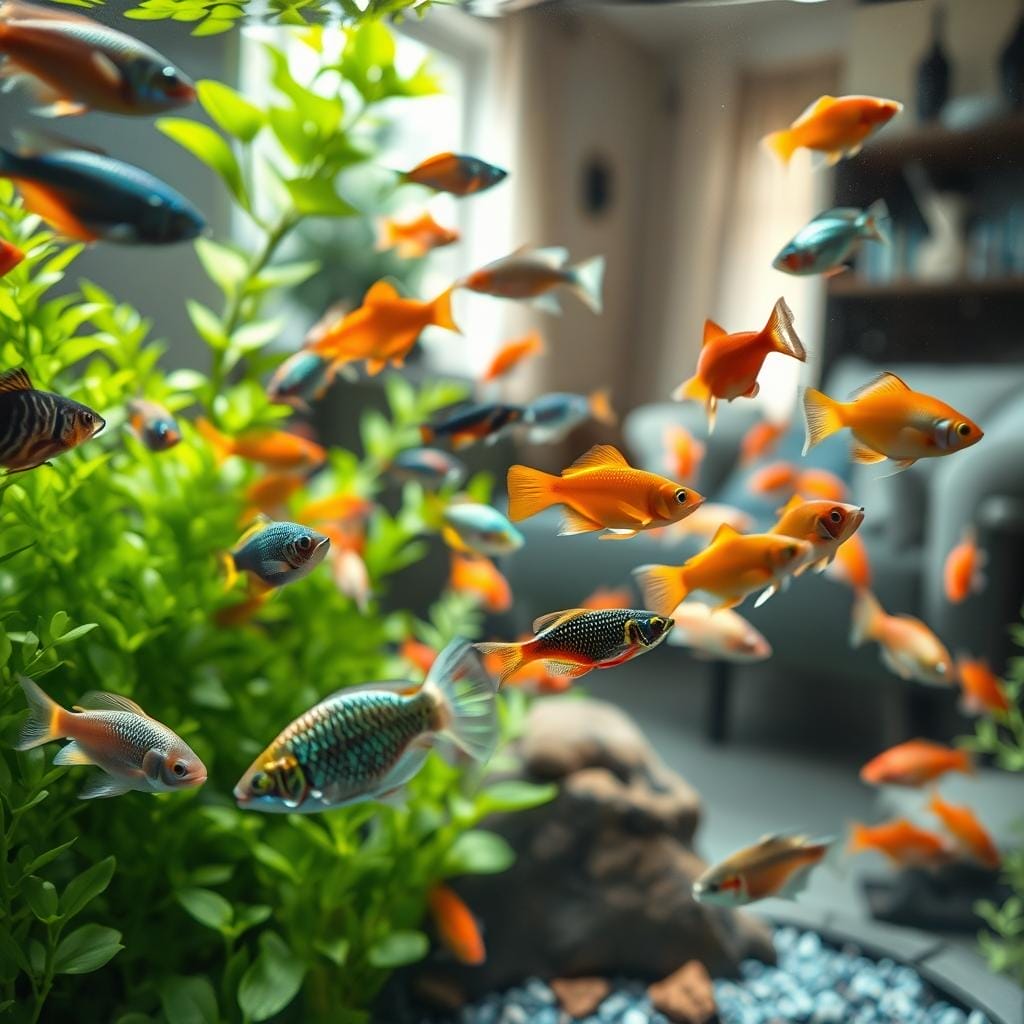
Livebearers like platies, guppies, and mollies bring constant excitement to your community tank. They reproduce readily, giving you a steady supply of colorful new additions without extra purchases.
The Sunset Variatus Platy grows to 2-3 inches and displays stunning yellow-to-red body colors. This robust animal thrives in groups with one male and several females. They enjoy cooler temperatures and adapt well to various water conditions.

Other Inexpensive Schooling Varieties
Small schooling fish create spectacular movement in the upper water column. Their coordinated swimming adds visual drama to any setup. These peaceful companions work beautifully with other community fish.
Bottom dwellers like kuhli loaches add unique behaviors while staying out of others’ way. They pair perfectly with betta fish that prefer different tank levels. This creates a harmonious multi-level environment.
You’ll notice males often display more intense colors and distinctive fin shapes. This makes them easy to identify by name. Understanding these differences helps you create a balanced, visually stunning community.
Designing the Perfect Aquarium Environment
Building a healthy aquatic environment requires careful attention to the invisible factors that keep your companions thriving. While decorations and equipment create the visible structure, the true foundation lies in water chemistry and thermal stability.

Water Quality and Temperature Tips
Your aquarium’s success depends on maintaining consistent parameters. Different pets have specific needs—bettas prefer 78-82°F while platies thrive at 65-78°F. A larger volume in gallons helps your heater maintain stable temperature.
Always use reliable thermometers instead of stick-on types. This ensures accurate monitoring of your tank conditions. Proper water quality involves balancing pH and hardness levels.
Some animals like cherry barbs adapt well to broad parameter ranges. Others need specific conditions. Research your chosen pets’ requirements before creating your community tank.
Understanding these differences helps you build a harmonious freshwater aquarium. For those interested in cooler water options, many fascinating choices exist that require less heating equipment.
Regular testing and gradual adjustments prevent stress. Your attention to these details creates an environment where your aquatic friends can flourish for years.
Proper Feeding, Health, and Care Tips
Keeping your aquatic pets healthy and vibrant starts with understanding their unique nutritional needs and daily care requirements. Different creatures have specific feeding habits that match their natural behaviors in the wild.
Feeding Guidelines and Portion Control
Surface feeders like black neon tetras thrive on floating flakes, while bottom dwellers need sinking wafers. Nocturnal animals such as kuhli loaches appreciate evening feedings when lights are off.
Portion control is crucial for all your pets. A betta’s stomach is only eyeball-sized, so feed only what they consume in three minutes. Overfeeding creates more problems than underfeeding.

Specialized foods bring out brilliant colors. Cherry barbs benefit from krill flakes and baby brine shrimp. Consider adding freshwater aquarium shrimp to your cleanup crew for natural algae control.
Common Health Concerns and Remedies
Torn fins often result from sharp decorations or strong water flow. Choose smooth, pet-safe decor and adjust filter currents to prevent damage. Good water quality prevents many health issues.
Aquarium salt effectively treats various illnesses when used properly. Selecting naturally resilient companions reduces care challenges. Regular observation helps you spot problems early.
Expert Advice from Trusted Aquarium Sources
Professional advice from seasoned hobbyists ensures you start with robust animals that will thrive in your care. Learning where to find reliable guidance makes all the difference in your aquarium journey.
Insights from Pet Store Professionals
Choosing the right pet store matters tremendously for your success. Reputable shops maintain clean tanks and stock healthy companions. Cory from Aquarium Co-op discovered sunset variatus platies at his local pet store and still recommends them years later.
Look for active swimming and bright colors when selecting your new pets. Check for intact fins and alert behavior. These signs indicate proper care before purchase.

Understanding variety names helps you make smart choices. Standard guppies cost much less than fancy breeds. Betta fish come in many fin types like half-moon and crown tail. Some varieties carry premium prices.
One popular choice like neon tetras has multiple color morphs. The same applies to many freshwater species. Knowing these differences prevents surprise costs.
When local options are limited, trusted online retailers offer quality livestock. Look for shipping guarantees and excellent packaging. For deeper aquarium science insights, consult reliable resources that explain what makes certain animals thrive.
Avoiding Common Pitfalls in Aquarium Setup
Many aquarium enthusiasts learn important lessons through trial and error, but you can skip the common pitfalls with proper planning. Understanding these mistakes helps you create a thriving environment from the start.
Also Read: Common Aquarium Problems and How to Fix Them
Mistakes to Steer Clear Of
One major error involves choosing tanks that are too small. Your pets need room to grow and swim comfortably. Always consider the adult size when selecting your aquarium.
The “one fish per gallon” rule doesn’t work for many fish. Some species need more space than others. Research each animal’s requirements by name before purchasing.

Adding too many fish at once overwhelms your filtration system. This creates water quality issues that even expensive equipment can’t solve. Introduce new companions gradually.
Proper temperature control is essential for sensitive animals. Bettas need heated tanks of at least five gallons. Avoid bowls and tiny containers that guarantee failure.
Schooling requirements are often overlooked. Many animals need groups to feel secure in your community. Ignoring this leads to stressed pets and additional costs.
Research compatibility before building your community. Mismatched animals cause aggression and stress. For more guidance, check out these common aquarium problems and solutions.
Proper planning helps you fish keep successfully. Invest in the right setup from the beginning to avoid costly corrections later.
Wrapping Up Your Affordable Aquarium Journey
Embarking on your aquarium adventure brings the joy of creating a living ecosystem right in your home. You’ve discovered that beautiful underwater worlds don’t require huge investments—just smart planning and the right companions.
Choosing hardy, colorful fish that thrive in community settings ensures years of enjoyment. These easy care pets often live long lives or reproduce naturally, reducing ongoing costs. Your success comes from matching the right animals to your tank size and maintaining stable water conditions.
Remember that proper care and stable temperature matter more than expensive equipment. For those interested in expanding their hobby, consider a saltwater aquarium setup as your next challenge.
You’re now equipped to visit your local store with confidence. Your freshwater aquarium journey begins with the knowledge to create a thriving environment where your aquatic friends will flourish.
FAQ
What is the best size for a beginner’s freshwater aquarium?
A 10 to 20-gallon tank is often ideal for starting out. Larger volumes are more stable, making water quality easier to manage for your new aquatic pets. This size provides ample space for a small community while keeping initial costs reasonable.
Can I keep a Betta with other animals in my community tank?
You must be cautious. While male Bettas can be territorial, they sometimes coexist peacefully with calm, small tank mates like neon tetras or shrimp. Always monitor their behavior closely after introduction to ensure harmony.
How often should I feed my new aquatic pets?
A good rule is to offer small amounts of food once or twice daily, providing only what they can consume in about two minutes. This prevents overfeeding, which can cloud the water and harm your animals’ health. High-quality flakes or brine shrimp are excellent choices.
Do I absolutely need a heater for my setup?
For most tropical varieties, yes. A reliable heater maintains a consistent temperature, which is crucial for the well-being of your animals. Stable, warm water supports their immune system and vibrant colors, making it a vital piece of equipment.
What are some hardy, colorful options for a first-time community?
Platies, guppies, and mollies are fantastic livebearers known for their bright colors and easy care. Neon tetras are another popular, inexpensive schooling choice that adds dazzling color and active movement to your aquatic environment.
Where can I get trustworthy advice for my aquarium hobby?
A> Your local pet store professionals are a great resource. Additionally, reputable online forums and guides from established brands like Tetra or API offer valuable insights on care, equipment, and creating a thriving underwater world.
Affordable aquarium optionsBeginner fish speciesBudget-friendly fishCheap fish speciesEasy-care fishFish for small budgetsInexpensive aquarium fishLow-cost aquarium fishThrifty fish optionsValue fish species
Hi, I'm Millie a passionate fish enthusiast and blogger. I loves learning about all kinds of aquatic creatures, from tropical fish to stingrays.