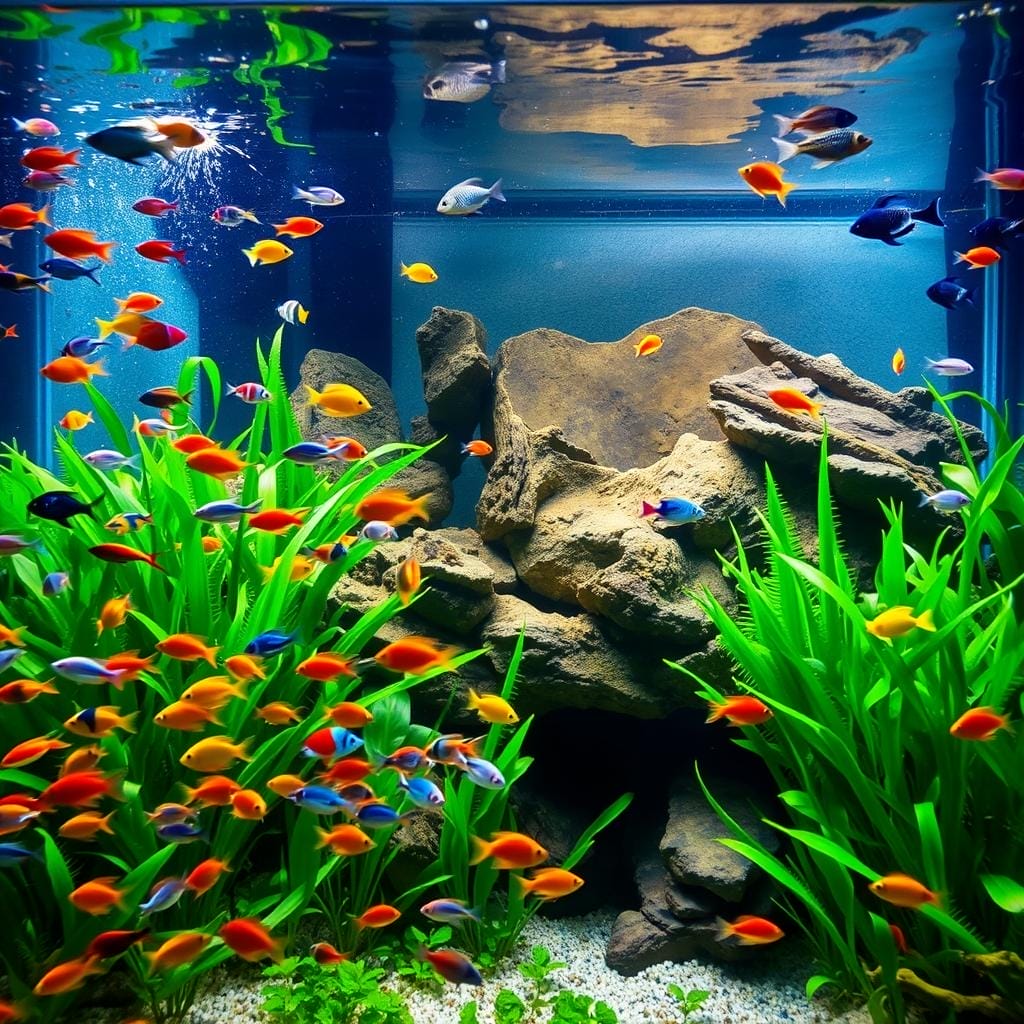

Understanding Fish Behavior: Tips for Your Aquarium
 Millie Douglas
Updated on: December 1, 2025 .
13 min read
Millie Douglas
Updated on: December 1, 2025 .
13 min read
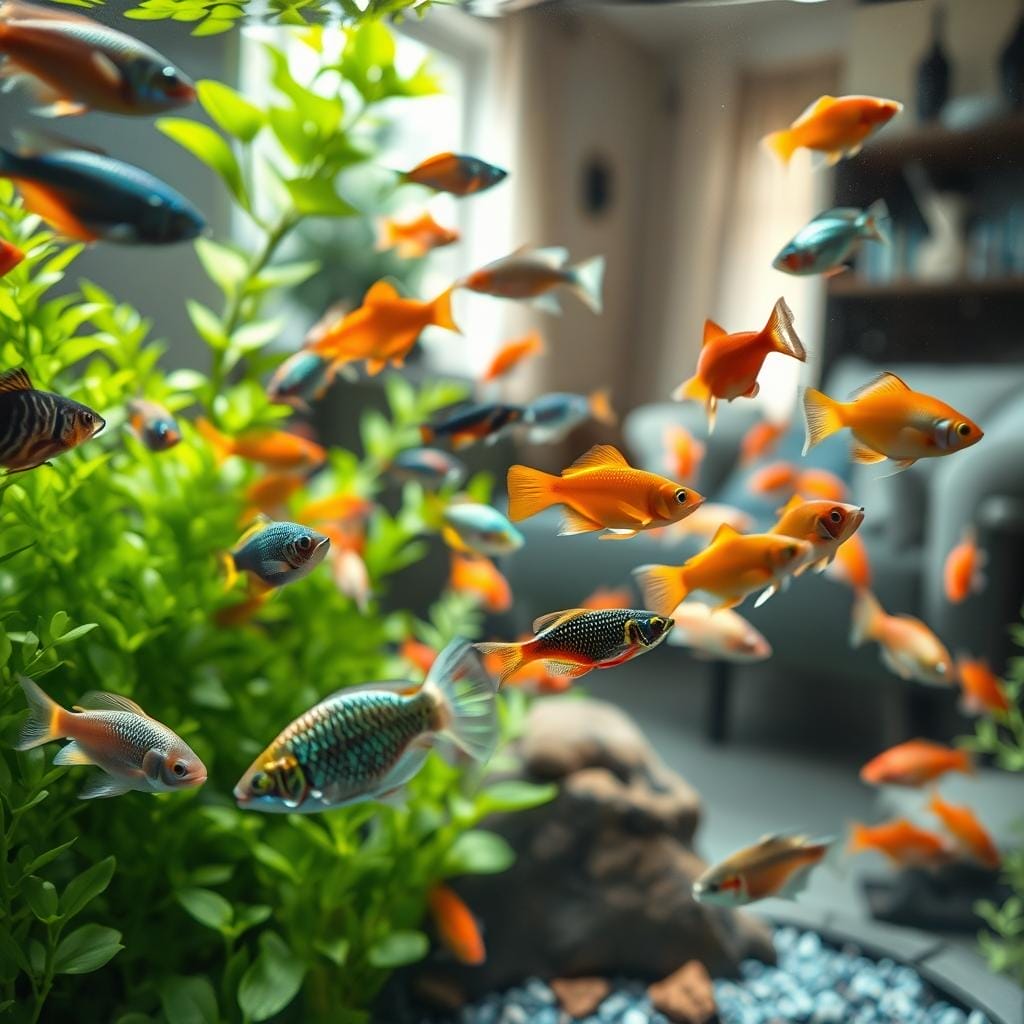
Have you ever looked into your tank and wondered what your aquatic pets are really trying to tell you?
Their every movement, from a quick dart to a gentle glide, is a form of communication. These actions are complex responses to their world. They change as your pets grow and react to everything around them.
Learning to interpret these signals is the key to creating a thriving underwater world. It transforms a simple glass box into a vibrant ecosystem where your companions can truly flourish.
This guide will help you see your aquarium through their eyes. You will learn to spot subtle signs of well-being or potential stress. We will walk you through simple steps to support their natural instincts.
Get ready to build a healthier, happier home for your underwater family. Your journey to becoming an expert observer starts right here.
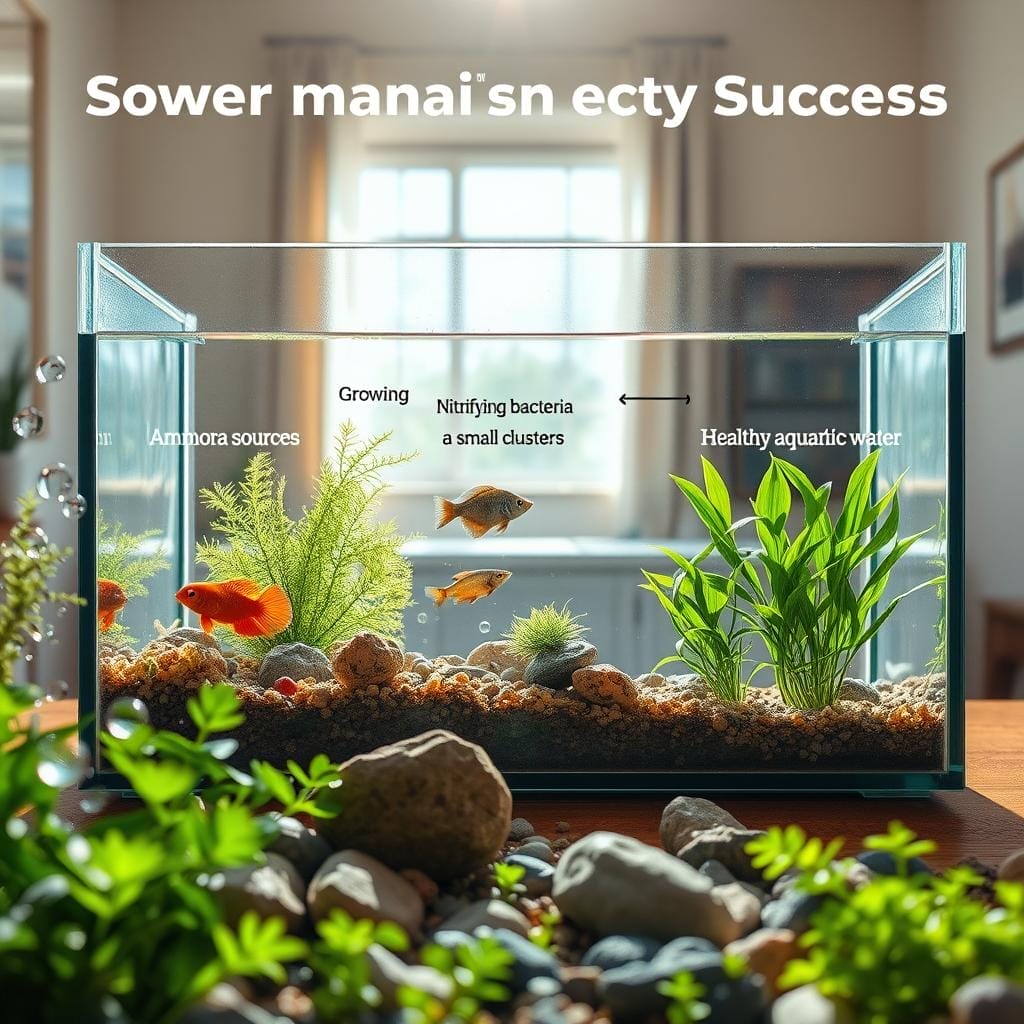
Introduction to Aquarium Success with Fish Behavior
The secret to a truly successful aquarium lies in understanding the natural instincts that drive your aquatic companions. Every movement and interaction tells a story about their well-being and needs.
Why Understanding Behavior Matters
Your success as an aquarium keeper depends on recognizing why your pets do what they do. This knowledge starts with their three basic urges: safe territory, ready food supply, and reproduction opportunities.
When you grasp how environment shapes actions, you’ll make better decisions about tank setup and species selection. Different types have unique patterns, and knowing these differences helps create harmony among tank mates.
Benefits of a Well-Managed Aquarium
A well-managed setup isn’t just about clean water and proper feeding. It’s about creating an environment where your companions express their natural behaviors comfortably.
Paying attention to actions gives you valuable information about your aquarium’s health. You’ll catch issues with water quality or stress early. The benefits extend beyond problem-solving—you’ll enjoy watching your pets more as you recognize meaning behind their movements.
Your aquatic world becomes a peaceful, balanced ecosystem when you work with natural instincts rather than against them.
Species Insights: Recognizing Unique Fish Behaviors
Each type of aquatic creature in your tank brings its own special way of moving and interacting with the environment. Learning these distinct patterns helps you create the perfect home for every inhabitant.
Behavioral Patterns in Different Species
Your aquarium residents fall into two main categories based on where they prefer to live. Some species thrive in open water, constantly swimming and exploring. Others feel safest near the bottom or hidden among decorations.
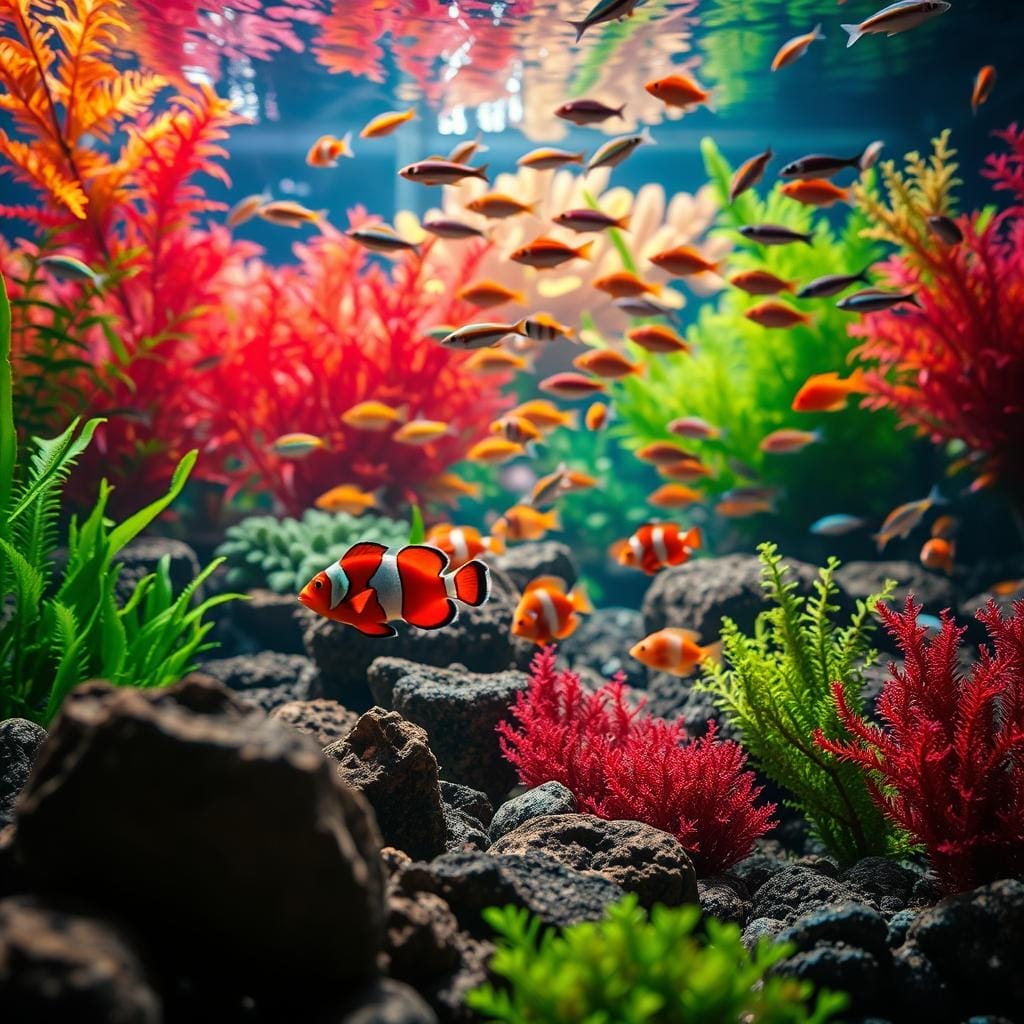
For example, danios are active swimmers who use the entire water column. Clownfish prefer staying close to structures like anemones. Recognizing these preferences helps you design the right environment for each animal.
Observing Movement and Schooling
Watch how your aquatic friends move together. Schooling species like tetras naturally bunch up for safety. They orient in one direction and maintain equal spacing.
Within each group, you might notice a pecking order. Dominant individuals often guide the behaviors of others. This social structure is normal, but watching it helps you spot when aggression becomes problematic.
Feeding patterns also reveal personality differences. Some species are active hunters while others graze peacefully. Understanding these behaviors ensures everyone gets their food and feels secure.
Setting Up the Perfect Aquarium Environment
The physical environment you create in your aquarium directly shapes how your underwater residents live and interact. Getting the basics right makes everything else fall into place naturally. Your setup becomes the foundation for healthy, content aquatic life.
Water Quality and Temperature
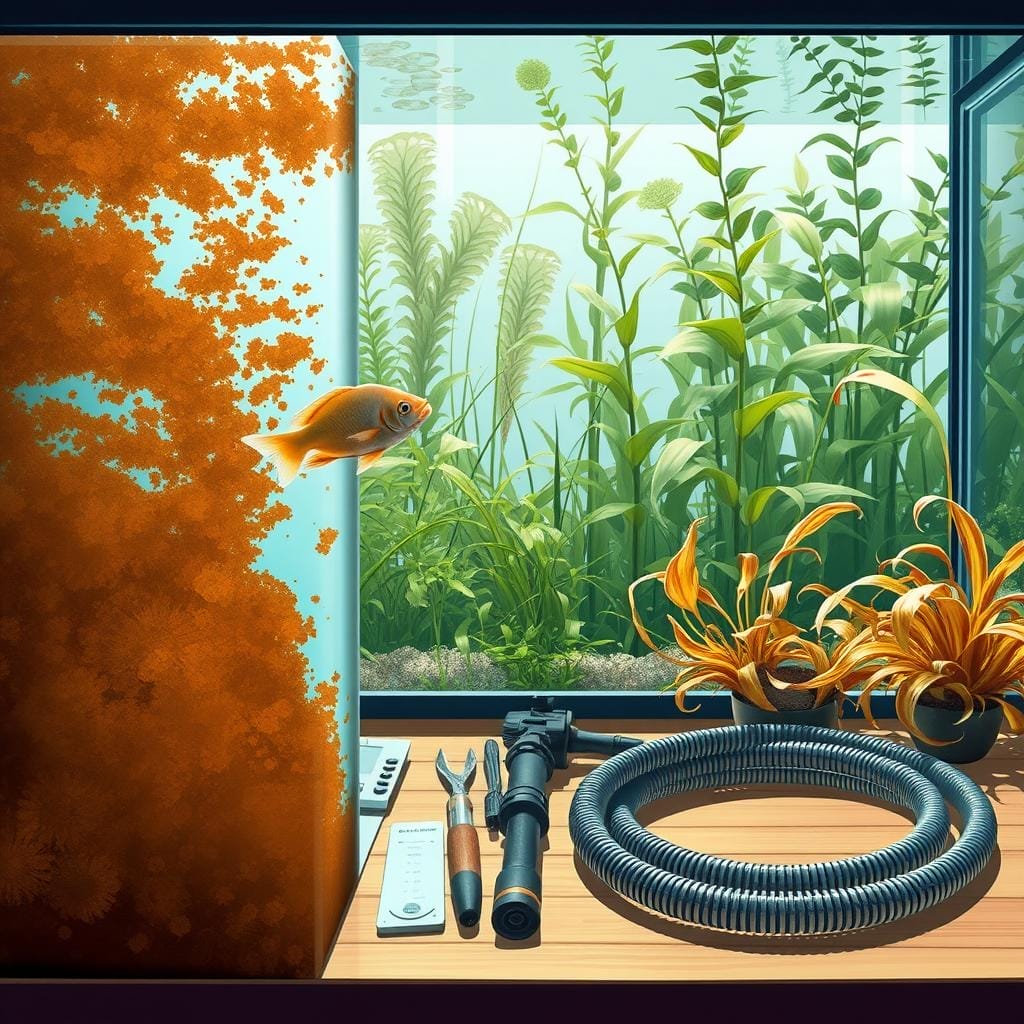
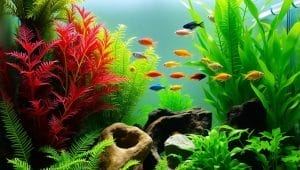
Your water conditions need to match your aquatic friends’ natural habitat requirements. Even small deviations in temperature or chemistry can stress your animals. Regular testing ensures ammonia and nitrite stay at zero.
Temperature stability matters just as much as the right range. Sudden changes can shock your residents. A reliable heater and thermometer help maintain consistent conditions.
Proper water clarity influences where your aquatic life positions itself. In clear conditions, they may prefer deeper areas. Cloudier water might bring them to shallower zones.
Optimal Substrate and Structure
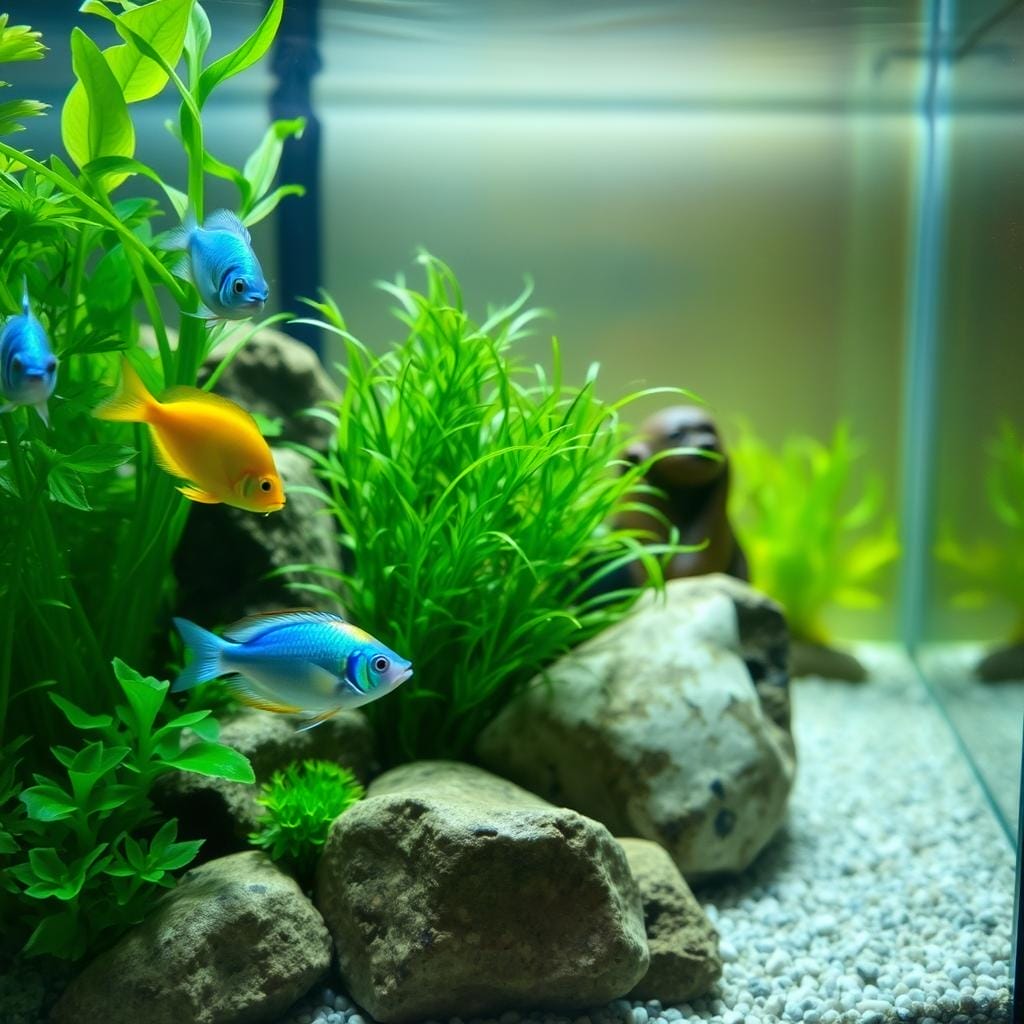
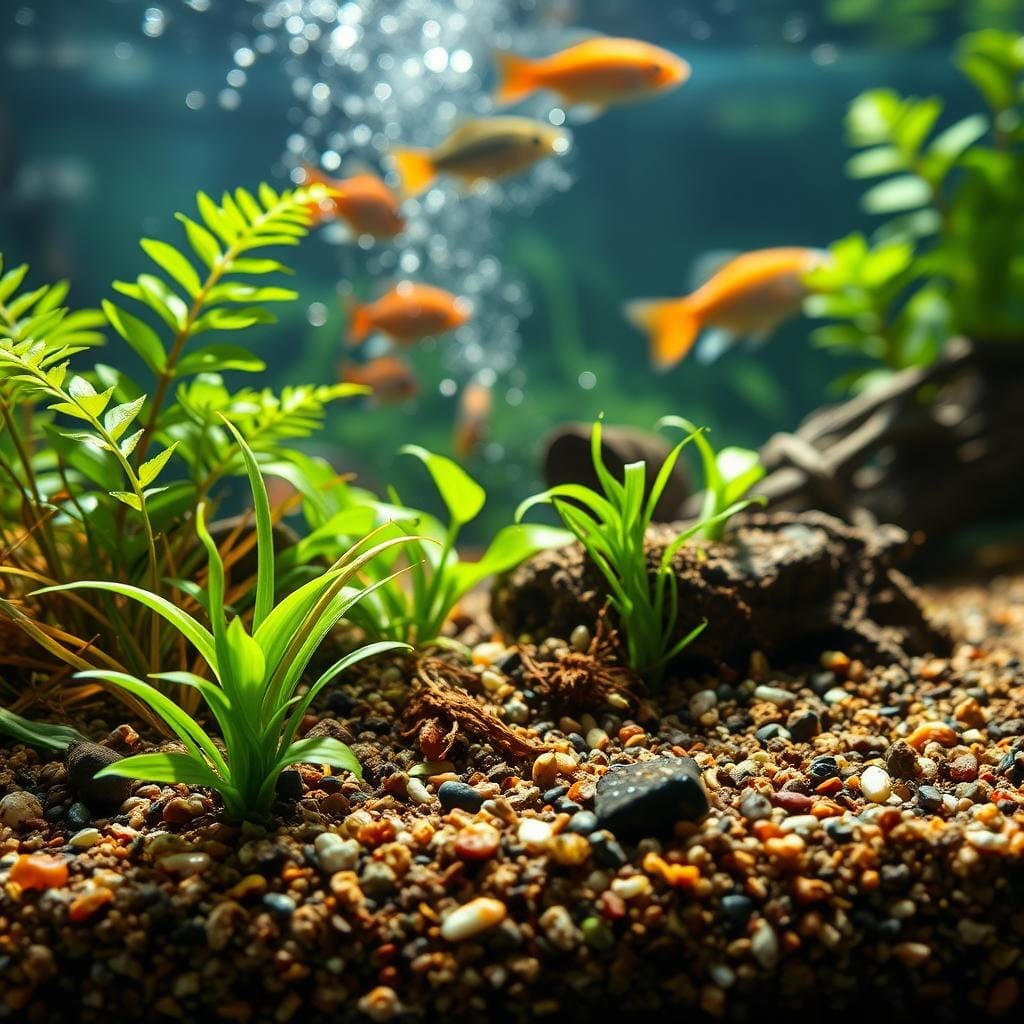
The substrate you choose affects bottom-dwelling species who naturally forage for food. Select materials that match their needs. Sand or gravel should suit their natural behaviors.
Structure like rocks, driftwood, and plants gives security. Your residents behave more naturally when they have hiding spots. They’ll claim territories and feel safer.
Creating different zones with varied structure and lighting reduces stress. Each animal can find preferred conditions. Over time, you’ll learn how your environment affects their daily activities.
Observation Techniques for Daily Fish Activities
Your daily observations become a window into the underwater world of your aquarium residents. Spending just a few minutes each day watching your aquatic companions builds your understanding of their unique personalities and needs.
Identifying Natural Movements
Watch how your tank inhabitants move through their environment. Some species swim constantly while others prefer resting periods. Knowing what’s normal for each type prevents unnecessary worry.
Pay attention to different movement patterns like active swimming, hovering in place, or resting on the bottom. Each style gives you valuable information about their current state. These natural rhythms vary by species.

Using Visual Cues and Signals
Your aquatic friends communicate through body language. Watch for visual signals like fin position and swimming speed. These cues tell you whether they’re relaxed, excited, or stressed.
Notice how your tank mates group together or separate during different times. Schooling species that suddenly scatter may be frightened. Bottom-dwellers venturing into open water might be seeking food.
Feeding time reveals important social dynamics. The way your animals interact shows individual personalities and group hierarchy. This helps ensure everyone gets adequate nutrition.
Managing Fish Behavior Through Environmental Tweaks
Your aquarium’s lighting and water conditions are powerful tools for guiding your aquatic pets’ daily routines. Small adjustments to their environment can create big improvements in their well-being. These changes help your tank inhabitants feel more secure and active.
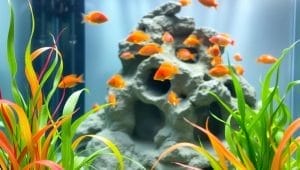
When you notice your aquatic companions acting differently over time, environmental factors are often the cause. Simple modifications to light, structure, or water can solve many common issues. This approach is usually more effective than medication or drastic measures.
Adjusting Light and Water Clarity
Light levels significantly influence where your tank residents spend their time. Most species prefer some shaded areas where they can retreat from bright light. Creating a mix of lit and shaded zones makes everyone more comfortable.
Water clarity affects how your aquatic animals perceive their surroundings. In very clear water, they may feel exposed and stay deeper or closer to hiding spots. Slightly tinted water can make them feel more secure and willing to explore.
Adjust lighting intensity and duration to match your pets’ natural habitat. Most species do best with 8-10 hours of light daily. A gradual transition to darkness mimics natural sunset conditions.
Creating Safe and Stimulating Habitats
Changes to your tank’s habitat provide mental stimulation and reduce boredom. Adding new plants or rearranging decorations gives your aquatic friends new areas to explore. This can decrease aggression and listlessness.
Each animal in your aquarium may have different environmental preferences. Creating varied conditions within your tank allows everyone to find their comfort zone. This variety reduces stress and supports natural behaviors.
Monitor how your pets respond to environmental changes. Give them time to adjust before making additional modifications. Too many changes at once can be stressful for your underwater community.
Effective Techniques to Improve Fish Behavior
Your ability to read the subtle signals from your aquatic companions is key to maintaining a peaceful aquarium environment. When you understand what triggers different responses, you can create a home where your animals feel secure and content.
Recognizing Stress and Aggression
Watch for changes in your tank residents’ normal patterns. Stress responses often include rapid breathing, faded colors, or constant hiding. Your animals might refuse food when they feel threatened.
Aggressive behavior shows up as raised fins, flared gills, or chasing other tank mates. While some territorial displays are natural, excessive fighting indicates a problem. Early recognition helps you intervene before issues escalate.
Implementing Targeted Adjustments
When you spot aggression, first check your tank setup. Overcrowding or insufficient hiding spots often trigger territorial disputes. Adding more structures gives animals their own safe spaces.
Simple changes to feeding strategies can reduce competition. Try offering food in multiple locations or using both sinking and floating varieties. This ensures all your aquatic friends get proper nutrition without conflict.
Consistency in your care routine reduces stress responses. Regular feeding times and maintenance schedules help your animals feel more secure. Targeted adjustments create an environment where natural behavior can flourish peacefully.
Optimizing Fish Behavior in Your Aquarium
Feeding time and mating rituals offer the clearest window into your aquarium’s health and happiness. When you understand these natural patterns, you can create conditions where your aquatic companions thrive naturally.
Also Read: Common Aquarium Problems and How to Fix Them
Interpreting Feeding and Courtship Cues
Watch how your tank residents search for food. Some actively hunt while others wait patiently. Territorial species guard their feeding spots from others in the group.
Understanding these different strategies helps you choose the right food and feeding methods. Active hunters need moving meals, while bottom feeders prefer sinking options.
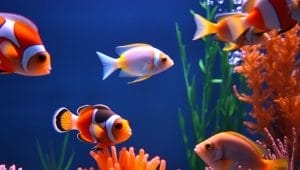
Courtship displays signal that your aquarium conditions are excellent. When your animals show breeding colors and elaborate rituals, they feel secure and healthy.
During mating season, you might notice color changes and territory guarding. Recognizing these patterns helps you decide whether to encourage breeding or separate pairs.
Incorporating Scientific Research for Better Results
Recent studies provide valuable information about aquatic behavior. Research shows that fishes have individual personalities, with some being bold and others shy.
Environmental enrichment improves foraging behaviors and mental performance. Creating complex habitats with varied structures benefits your aquatic companions cognitively.
You can apply these findings practically by offering diverse food types and respecting individual differences. This approach transforms your understanding of fish behavior into successful aquarium management.
Interpreting Behavioral Signals for Better Tank Management
Every shift in color and movement pattern tells a story about your aquarium’s overall health and harmony. Your aquatic companions communicate through visual cues that reveal their comfort level and environmental needs.
Decoding Color Changes and Movement Patterns
When your tank inhabitants suddenly fade or darken their colors, they’re sending important signals. These changes often indicate stress from poor water quality or aggression from tank mates. Bright, vibrant colors typically mean your animals feel secure and healthy.
Movement patterns offer equally valuable insights. Species that normally stay near the bottom suddenly swimming actively might signal oxygen issues. Groups gathering at the surface could indicate they need more food or better water conditions.
Responding to Signs of Predation and Camouflage
Some fishes naturally use camouflage to blend with decorations or substrate. This protective behavior helps them feel safe from perceived threats. It’s a normal instinct, not usually a concern.
In mixed-species tanks, watch for predation signals. Larger animal showing intense interest in smaller companions need careful monitoring. Recognizing these behaviors early helps maintain compatible tank communities.
Warning coloration on certain species serves as nature’s caution sign. These bright patterns tell other animals—and you—to handle them with care during maintenance.
Integrating Scientific Insights with Practical Tips
The latest research on aquatic cognition helps explain why your tank residents behave as they do. Scientific studies reveal fascinating information about how these animals process their surroundings.
Lessons from Marine Research
Your aquarium inhabitants have surprisingly complex brain structures. Research shows their nervous system controls everything from memory to muscle coordination. The olfactory bulbs play a dominant role, explaining why smell detection often comes before visual recognition.
Studies demonstrate that environmental enrichment improves cognitive performance. Different species show varied learning abilities and social responses. For example, bold individuals often lead groups while cautious ones excel in different tasks.

Applying Academic Findings to Daily Maintenance
You can use these insights in a practical way. Understanding that your aquatic companions can learn and remember means your daily interactions matter significantly. Their behavior reflects their ability to adapt to their environment.
When you notice specific behaviors, consider the biological basis behind them. This knowledge helps you make informed decisions about tank setup and species selection. Academic research serves as a valuable source for understanding why your fish react to food and social situations as they do.
Modern technology enhances our understanding of aquatic life. Combining scientific findings with hands-on care creates the best results. This approach bridges the gap between laboratory research and everyday aquarium management.
Sustaining a Thriving Aquarium: Final Reflections
Your journey as an aquarium keeper is a rewarding path of continuous learning. The time you spend observing your aquatic companions builds a deeper connection and a healthier environment.
Remember, a successful tank is a living ecosystem. Every decision, from water conditions to grouping, supports the natural instincts of your habitat‘s residents. Providing safe space, adequate food, and opportunities for natural activities like mating is fundamental.
Your aquarium will evolve over time. Be ready to adapt your care as your companions grow and their needs change. If you notice shifts in activity or social responses, view it as a chance to learn.
Stay curious and keep learning from trusted sources. For example, you can find excellent tips for creating a balanced ecosystem that supports every inhabitant. With patience, you will create a home where your aquatic family doesn’t just survive—they truly thrive.
FAQ
How does the aquarium setup influence my fishes’ actions?
Your tank environment plays a huge role. Water quality, temperature, and having places to hide directly affect how your aquatic pets act. A comfortable habitat reduces stress and encourages natural, healthy activities like exploring and grouping.
What are some common signs of aggression I should watch for?
Look for chasing, nipping at fins, or one individual constantly hiding. These are clear signals of bullying or territorial disputes. Addressing this quickly by rearranging decorations or checking your group size can restore peace.
Can the way I feed my aquarium pets change their behavior?
Absolutely! Feeding routines are powerful. Consistent timing and using food as a source of enrichment can reduce competition and anxiety. It can even stimulate natural foraging instincts, making your tank a more dynamic and engaging place.
Why is it important to understand species-specific mating rituals?
Recognizing courtship cues helps you create the right conditions for breeding if that’s your goal. It also allows you to identify when certain actions are perfectly normal, preventing you from misinterpreting them as signs of illness or distress.
How can scientific research help me with daily tank management?
Insights from marine biology give you a deeper understanding of why your aquatic animals behave the way they do. Applying these findings, like providing optimal substrate for bottom-dwellers, helps you make smarter, more effective choices for their well-being.
Aquarium tipsAquatic HabitatBehavioral PatternsEnvironmental EnrichmentFish BehaviorFish CommunicationFish PsychologyFish StressorsSpecies Interaction
Hi, I'm Millie a passionate fish enthusiast and blogger. I loves learning about all kinds of aquatic creatures, from tropical fish to stingrays.