
Guppy Care Guide: Simple Steps to a Happy Aquarium
 Millie Douglas
Updated on: December 1, 2025 .
12 min read
Millie Douglas
Updated on: December 1, 2025 .
12 min read
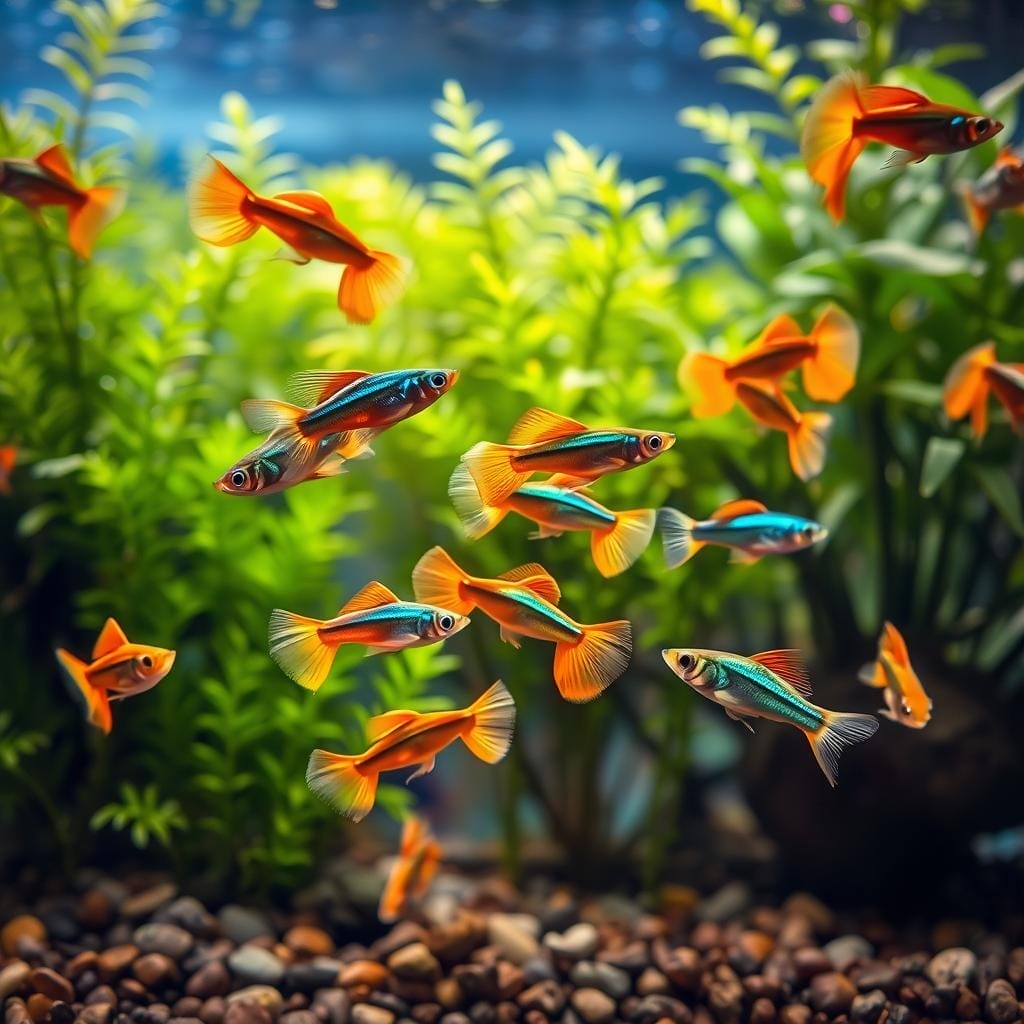
What if the most common fish in the pet store is also one of the most misunderstood? Many people think of these colorful swimmers as beginner pets that require little attention, but thriving in your tank takes a bit more know-how.
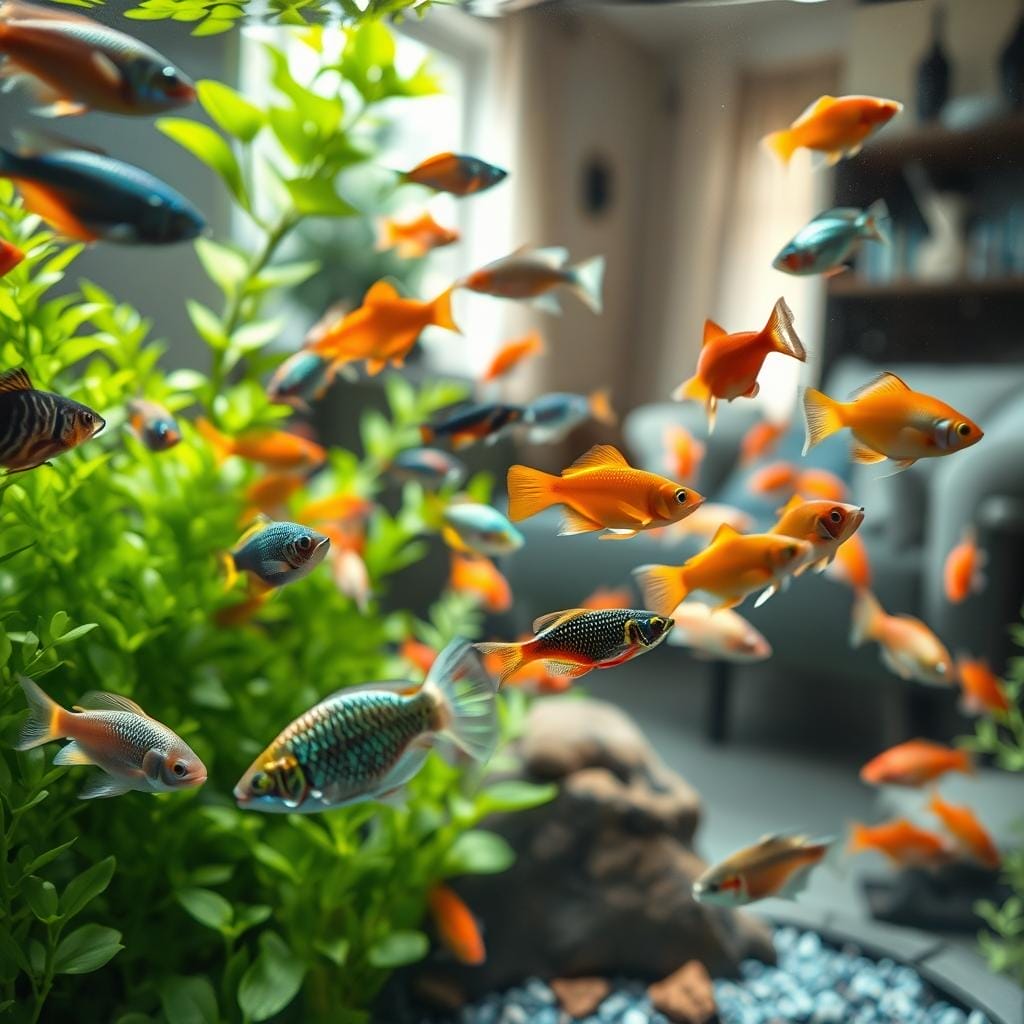
Meet the dazzling guppies (Poecilia reticulata). Discovered in South America over 150 years ago, they were once used for mosquito control. Today, they are celebrated for their incredible variety of colors and patterns.
Their hardy nature and small size (around 2 inches) make them a fantastic choice for newcomers. They are also a wonderful option if you’re looking for the best aquarium fish for small. Even experienced hobbyists love them for their vibrant energy.
This guide is here to walk you through the essentials. We’ll break down everything into simple, manageable steps. You’ll learn how to create a beautiful, healthy home for your new aquatic friends.
Our goal is to make your journey into fishkeeping both successful and enjoyable. With the right care, your underwater world will be a source of joy for years to come.
Introduction to the World of Guppy Keeping
Have you ever wondered how a small fish from South America became a global aquarium superstar? Their story begins in the 1860s, when they were first discovered in tropical streams. Interestingly, these colorful swimmers were originally used for mosquito control before becoming beloved pets.
History and Popularity of Guppies
Through decades of selective breeding, guppies have transformed into living artwork. They now showcase virtually every color combination and fin variation imaginable. This incredible diversity makes them one popular choice among aquarium enthusiasts worldwide.
Their hardy nature played a key role in their global spread. These resilient fish adapt well to various water conditions, which helped them thrive when introduced to new environments. Today, they’re celebrated as ideal beginner fish that can handle learning curves.
Benefits of Keeping Guppies in a Home Aquarium
You’ll love how these active swimmers bring dynamic energy to your tank. Their peaceful temperament makes them excellent community members, compatible with many other species. They’re truly low-maintenance champions that forgive minor mistakes.
Another wonderful advantage is their breeding behavior. Your freshwater aquarium can become a constantly evolving ecosystem as new generations appear. This creates endless fascination whether you’re new to fishkeeping or an experienced hobbyist.
These small but mighty fish offer both visual beauty and practical benefits. Their adaptability and cheerful presence make them one popular species that continues to captivate aquarium lovers everywhere.
Essential Guppy Care Guide: Tips for a Successful Setup
The secret to happy guppies lies in recognizing their social nature and daily rhythms. These vibrant swimmers are truly group-oriented creatures that thrive when kept together.
You’ll notice they’re most confident in groups of three or more. Watching them interact creates a fascinating display of natural behavior.
Understanding Guppy Behavior and Needs
Your aquatic friends prefer swimming in the upper and middle areas of your aquarium. This is where they feel most secure and active throughout the day.
Healthy specimens display bright colors and eager feeding responses. They’ll swim energetically when conditions are right.
These omnivorous fish enjoy varied diets and may even nibble on algae. Their adaptable eating habits make them wonderful beginner-friendly aquarium fish.
With proper attention from the start, your aquatic pets can live two to three years. Their lively personalities and constant movement create an engaging display.
You’ll love how they respond to your presence and interact with tank mates. This makes them incredibly rewarding to keep in your home aquarium.
Selecting the Perfect Tank and Equipment
Creating the perfect home for your aquatic friends starts with choosing the right environment. The equipment you select forms the foundation for their health and happiness. Getting these basics right makes everything else easier.
Tank Size and Filtration Options
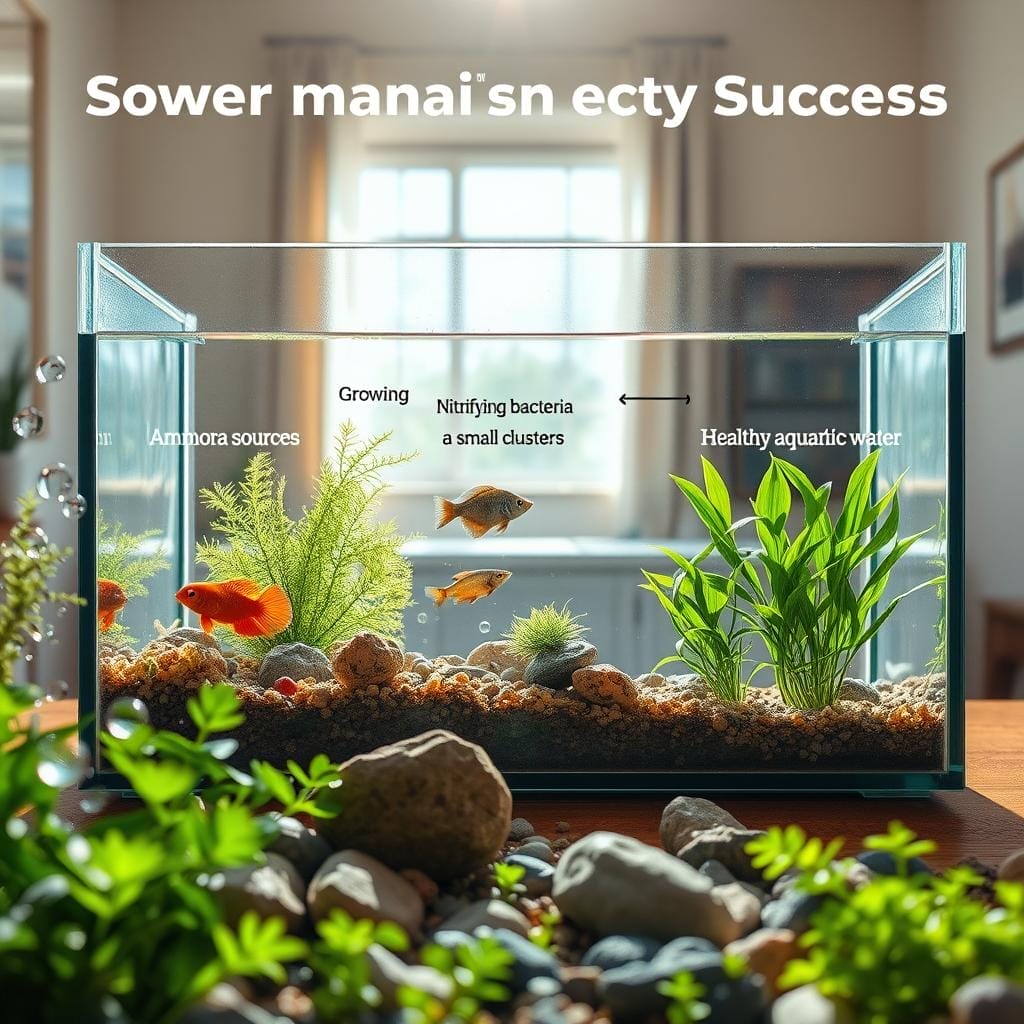
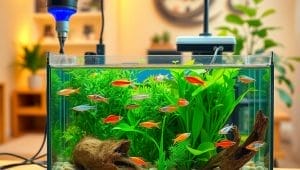
Start with the proper tank size for your group. A 10-gallon aquarium works well for six fish. Larger tanks provide more stability and swimming room.
For each additional fish, add two gallons of space. This prevents overcrowding and maintains water quality. Your active swimmers will appreciate the extra room.
Choose a filter that matches your aquarium’s needs. Sponge filters protect tiny fry while providing gentle filtration. Hang-on-back models offer powerful cleaning for established tanks.
Always use a secure lid on your setup. These energetic jumpers can leap surprising distances. Safety comes first in any aquatic home.
Decor, Hiding Spots, and Live Plants
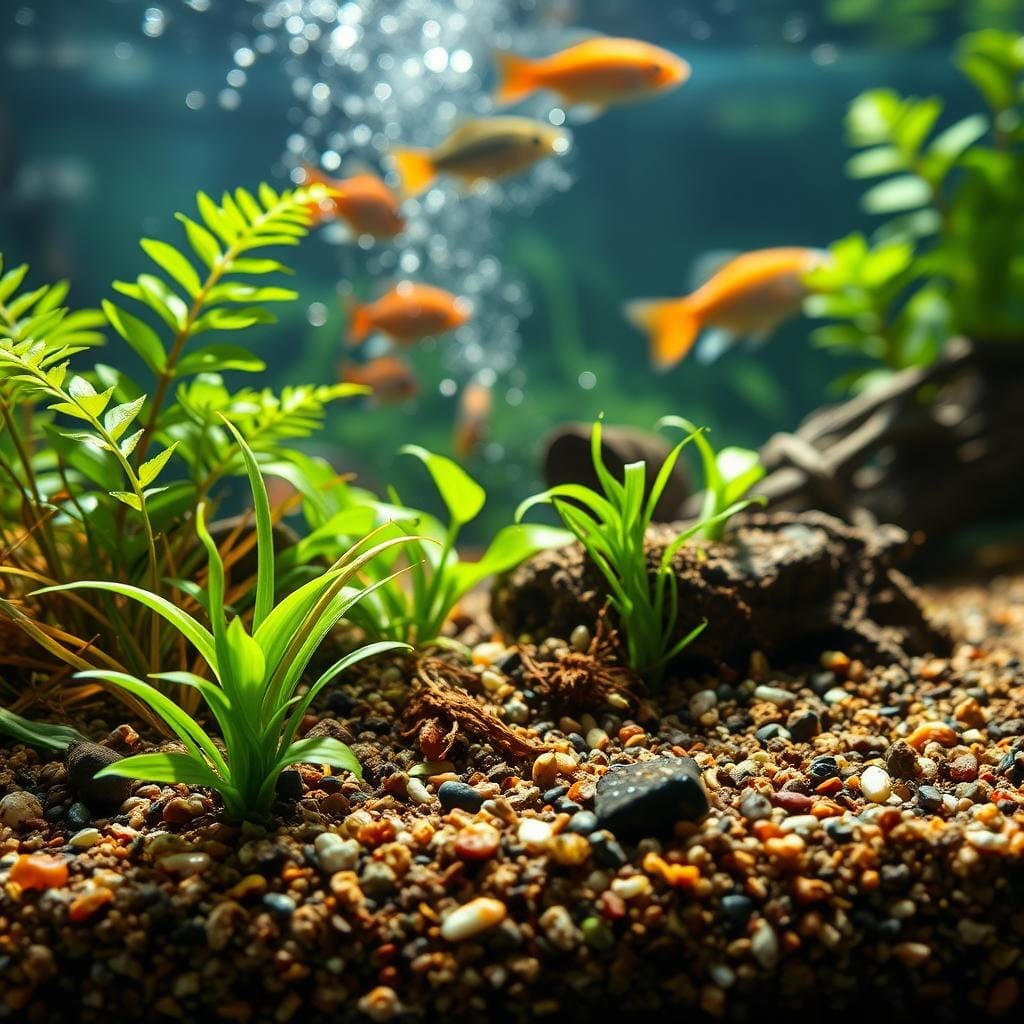
The bottom of your tank needs proper substrate. Use one to two inches of sand or gravel. This creates a natural look while supporting beneficial bacteria.
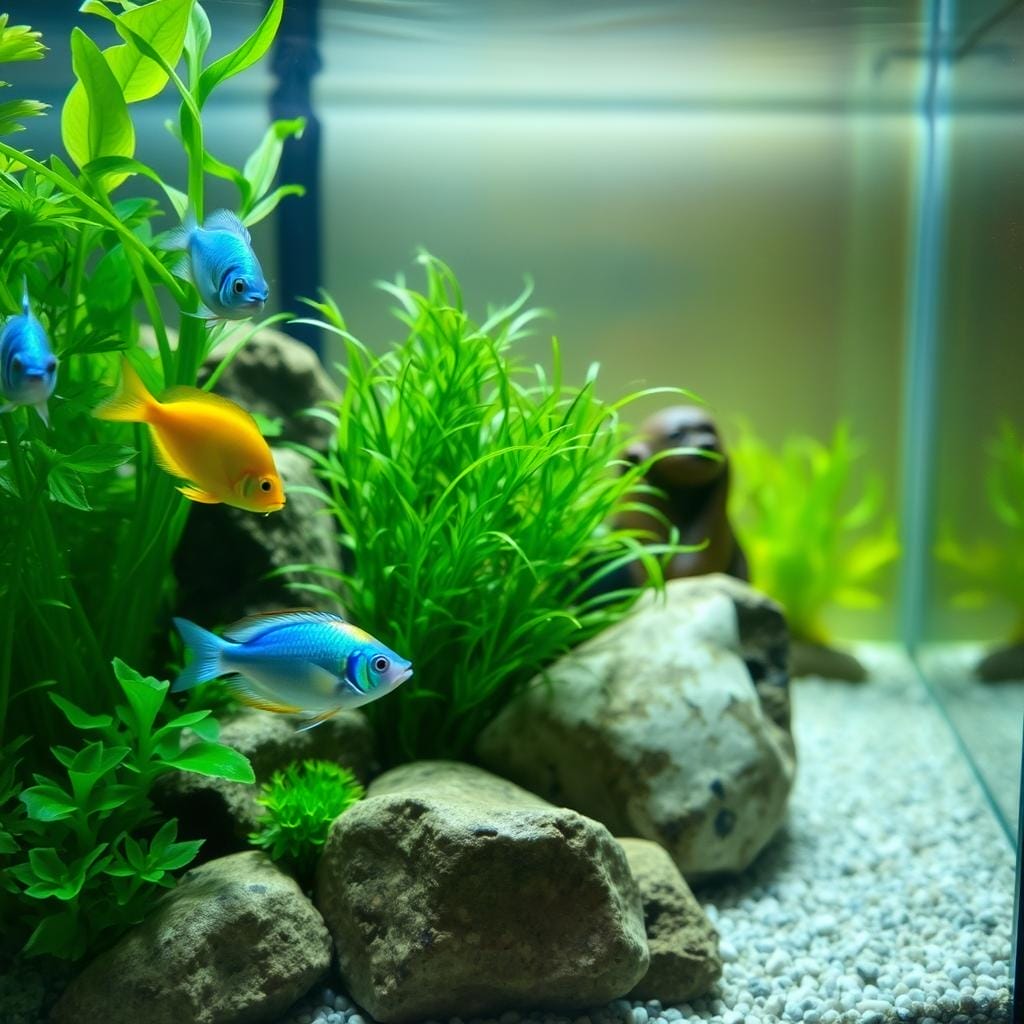
Plants provide essential hiding spots and visual appeal. Java moss and guppy grass work beautifully in these setups. Arrange them around the edges to leave open swimming areas.
Your complete setup includes all necessary supplies before adding fish. Proper planning ensures a smooth transition for your new arrivals. You’ll create a beautiful, functional space they’ll love.
Mastering Water Quality, Temperature, and pH Balance
The key to vibrant, active fish lies in mastering the unseen elements of their environment. While your aquarium setup looks beautiful, the real magic happens in the water chemistry that supports your aquatic friends.
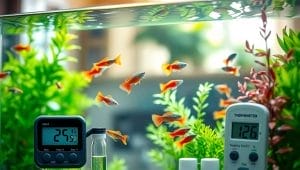
Think of your tank’s water as the foundation of your fish’s world. Maintaining stable conditions prevents stress and keeps your swimmers healthy. Regular monitoring makes this process simple and effective.
Optimal Water Conditions for Guppies
Your fish thrive in slightly alkaline water with a pH between 7.0 and 8.0. Test your tap water to see if it falls within this ideal range. If needed, products are available to adjust the pH safely.
Water hardness matters too! These colorful swimmers need minerals like calcium and magnesium. Aim for a hardness level between 8-12 dGH for brilliant colors and strong immune systems.
Temperature control is crucial for longevity. Keep your aquarium at 76-78°F using a properly sized heater. Choose 2.5-5 watts per gallon – a 10-gallon tank needs 25-50 watts.
Warmer water around 82°F speeds growth but shortens lifespan. Cooler temperatures around 72°F extend life but slow development. Avoid fluctuations greater than 2 degrees daily.
Regular water changes maintain excellent quality. Replace 10-25% of the volume every 2-4 weeks. This prevents harmful ammonia and nitrate buildup while keeping conditions stable.
Test your water weekly using aquarium test kits. Monitor pH, ammonia, nitrite, and nitrate levels. Catching changes early protects your fish from potential health issues.
Guppy Nutrition: From Feeding to Diet Variety
Feeding your fish correctly is about more than just dropping food in the water. It’s the foundation of their health, coloration, and energy levels. A proper diet keeps your aquatic friends thriving for years.
Your fish need variety in their meals to stay healthy. Feeding the same food every day can lead to nutritional gaps. A mixed diet ensures they get all the essential nutrients.
Choosing the Right Foods for Adults and Fry
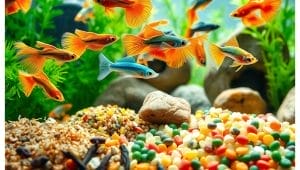
Start with high-quality flakes or micro-pellets as your staple fish food. These provide balanced nutrition for daily meals. Supplement with protein-rich treats like bloodworms and brine shrimp.
Don’t forget vegetables! Occasionally offer blanched spinach or peas. These aid digestion and provide nutrients missing from protein-heavy foods.
Baby fish have different needs. Newborn fry need tiny infusoria for their first few days. As they grow, transition to powdered fry food and eventually baby brine shrimp.
Feeding Frequency and Portion Control
Feed adults once or twice per day, offering only what they can consume in one minute. This prevents overfeeding and maintains water quality. Watch their behavior to ensure you’re giving the right amount.
For growing fry, increase feedings to three to five times daily. Give smaller portions to support rapid growth without fouling the water. They need frequent meals to develop properly.
Remember that these omnivorous swimmers will also graze on algae naturally. This makes them easy to feed and helps control tank growth. For more detailed feeding strategies, check out this comprehensive guppy care guide.
A varied diet keeps your fish vibrant and healthy. Rotate between different foods to provide complete nutrition. Your attention to their feeding needs will be rewarded with active, colorful pets.
Understanding Guppy Social Behavior and Tank Mates
Building a harmonious community aquarium begins with understanding how your fish interact with potential tank mates. Your colorful swimmers thrive when paired with compatible freshwater species that share their peaceful temperament.
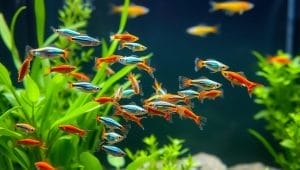
You’ll love creating a vibrant community with ideal companions like neon tetras, cory catfish, and peaceful mollies. These species coexist beautifully in your freshwater setup without causing stress.
It’s important to avoid aggressive fish that might nip fins or see your smaller pets as food. Steer clear of tiger barbs, bala sharks, and goldfish that require different water temperatures.
Maintaining the right balance is key. Keep two to three females for every male to prevent constant chasing. If you notice harassment, add more plants to create safe hiding spots.
When introducing new tank mates, take it slow. Gradual additions help maintain your aquarium’s established balance. Monitor water parameters closely as new fish affect ammonia and nitrate levels.
Remember that your energetic swimmers will outcompete slow-moving species for food. Choose companions with similar activity levels for everyone to thrive. For more detailed advice, this complete guppy care guide offers excellent community tank strategies.
With careful selection, your freshwater aquarium becomes a peaceful, thriving ecosystem. Your fish will display their brightest colors and most natural behaviors in this supportive environment.
Breeding and Raising Healthy Guppy Fry
Witnessing new life emerge in your aquarium is one of the most rewarding experiences in fishkeeping. Your colorful swimmers are naturally prolific breeders, often earning the nickname “million fish” for their reproductive success.
Sexing Guppies and Identifying Pregnancy
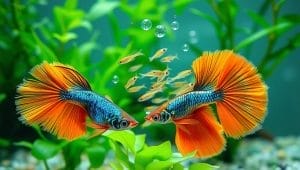
Distinguishing between males and females is straightforward. Males display vibrant colors with a pointed gonopodium fin. Females are larger with subdued coloring and a fan-shaped anal fin.
When pregnancy occurs, you’ll notice significant changes. The female’s abdomen becomes rounded and boxy as fry develop inside. A dark gravid spot near her anal fin grows more pronounced.
Pregnant females often seek hiding spots as birth approaches. They may become less active and more reclusive. This natural behavior helps protect both mother and unborn fry.
Also Read: Common Aquarium Problems and How to Fix Them
Effective Breeding Tips and Initial Fry Care
Maintain a proper ratio of one male for every two three females. This prevents stress while ensuring successful breeding. Provide plenty of live plants like java moss for fry protection.
Adult fish will eat their young without adequate hiding places. Dense plants create safe zones where baby fish can thrive. Sponge filters prevent tiny fry from being sucked into filtration systems.
Newborn fry rely on yolk sacs initially. After absorption, feed them infusoria or powdered food several times daily. Gradually introduce baby brine shrimp as they grow.
With proper setup and attention, your breeding efforts will yield healthy generations. Each new batch of fry brings fresh excitement to your aquatic world.
Common Health Challenges and Preventative Measures
Even the hardiest aquatic pets can face health issues, and knowing what to watch for makes all the difference. Many store-bought guppies arrive weakened from intensive breeding and stressful shipping conditions. They may need extra attention when they first join your aquarium.
Recognizing Common Illnesses in Guppies
Watch for white spots on fins and bodies, which signal ich. Other concerns include fin rot, dropsy, and bacterial infections. Your fish might show clamped fins or swim erratically.
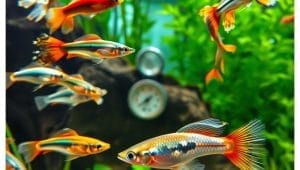
Healthy guppies display vibrant colors and active swimming patterns. They school together and eat eagerly. Sick fish often lose appetite and their colors fade.
Prevention starts with excellent water quality and proper nutrition. Quarantine new arrivals before adding them to your main tank. This simple step protects your established community.
Regular observation helps you catch problems early. For comprehensive health guidance, consult this detailed guppy fish care sheet. Quick action can save your aquatic friends when issues arise.
Final Reflections on Creating a Happy Aquarium Environment
As you reflect on everything you’ve learned about aquarium keeping, remember that the real magic happens through consistent, loving attention. Your dedication to proper care transforms a simple tank into a thriving ecosystem.
You’ll discover that your planted freshwater setup becomes more than just glass and water. It becomes a living canvas where your colorful guppies display their most vibrant behaviors. The effort you invest pays off with daily moments of wonder.
This journey of learning continues as you gain experience. Connect with other enthusiasts through online communities where passionate hobbyists share advice. For comprehensive support, explore this detailed aquarium care guide.
Take pride in the beautiful home you’ve created. Your commitment ensures these delightful fish will thrive for years to come.
FAQ
What is the ideal tank size for a small group of these fish?
A 10-gallon tank is a great starting point for a small community. This size provides enough space for swimming and helps maintain stable water quality, which is crucial for their health.
How often should I perform water changes in my freshwater aquarium?
We recommend changing about 25% of the water every week. This routine helps remove waste, keeps nitrate levels low, and replenishes essential minerals, ensuring a healthy environment.
What is the best male-to-female ratio to maintain harmony?
A good ratio is one male for every two or three females. This balance helps reduce stress on the females by spreading out the male’s attention, creating a more peaceful aquarium.
Can I keep live plants like java moss with my fish?
A> Absolutely! Live plants are highly beneficial. Java moss is one popular choice that provides excellent hiding spots for fry and helps improve overall water quality by absorbing excess nutrients.
What water temperature and hardness should I aim for?
These tropical fish thrive in a temperature range of 72-82°F. Use a reliable heater to maintain stability. They also prefer moderately hard water, which supports their vibrant health.
What are some good food options beyond basic flakes?
For a varied diet, you can offer brine shrimp, daphnia, or high-quality micro pellets. This variety ensures they receive all the necessary nutrients for optimal color and vitality.
How can I tell if a female is pregnant?
A pregnant female will develop a noticeably large, boxy abdomen and a dark gravid spot near her anal fin. Providing plenty of plants gives her a quiet place to release her fry.
Aquarium maintenanceBeginner Fish KeepingFish healthFreshwater FishGuppy CareGuppy Tank SetupTropical Fish SpeciesWater quality management
Hi, I'm Millie a passionate fish enthusiast and blogger. I loves learning about all kinds of aquatic creatures, from tropical fish to stingrays.