
Molly Fish Care: Tips for Healthy Aquarium
 Millie Douglas
Updated on: December 1, 2025 .
12 min read
Millie Douglas
Updated on: December 1, 2025 .
12 min read
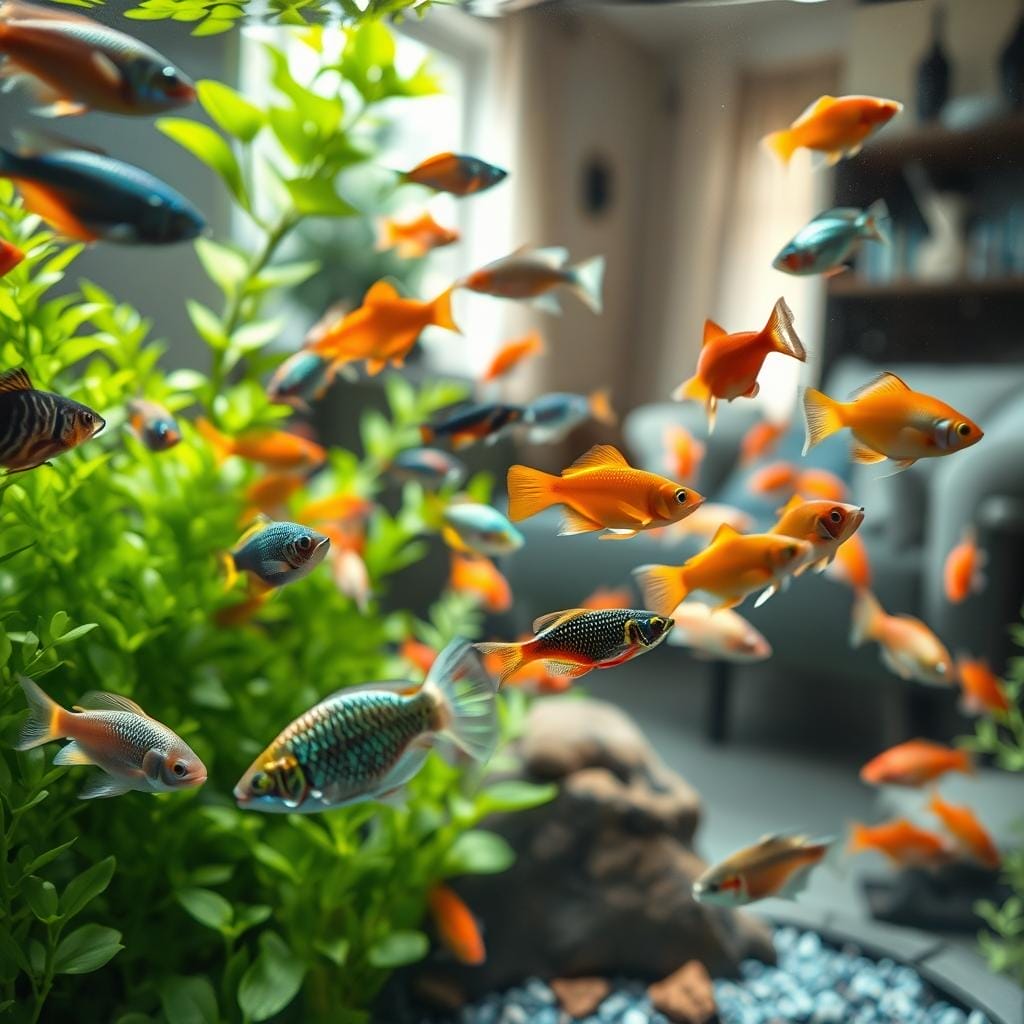
Have you ever wondered why some aquarists have thriving, colorful tanks while others struggle to keep their aquatic pets healthy? The secret often lies in understanding the specific needs of your chosen species.
Many beginners are drawn to certain popular freshwater species for their bright colors and active nature. These livebearers are a fantastic choice, striking a perfect balance in size. They are larger than some common varieties but smaller than others, making them ideal for many home setups.
While generally considered hardy, success with these swimmers depends on a solid foundation of knowledge. This guide is your first step toward creating a beautiful, sustainable underwater world.
We will walk you through the essentials of a proper habitat. You’ll learn about water conditions, nutrition, and tank maintenance. Our goal is to make the process simple and rewarding for you.
Your journey to a vibrant, healthy aquatic community starts right here. With the right guidance, you can avoid common pitfalls and enjoy the rewarding experience of a flourishing tank.
Discovering the World of Molly Fish
The journey into understanding these popular aquarium residents begins with their natural habitats and unique characteristics. These fascinating creatures originate from warm waters across the Americas, thriving in diverse environments from tropical rivers to coastal areas.
You’ll find these remarkable livebearers belong to the Poecilia genus, which includes about 39 different species. Their adaptability is truly impressive—they can flourish in freshwater, brackish, and even saltwater conditions. This versatility makes them excellent choices for various aquarium setups.
Their physical appearance is equally distinctive. Mollies feature a streamlined body that typically grows to 4-5 inches in length. You’ll notice their triangular-shaped heads and unique pointed lower jaws, which help them efficiently forage along surfaces.
The most common varieties you’ll encounter include the short-fin and sailfin species. These active fish contribute positively to your tank’s ecosystem by scavenging leftover food and grazing on algae. For comprehensive details about different molly fish varieties, you can explore our dedicated resource.
Comprehensive molly fish care Essentials
When you welcome these active swimmers into your home aquarium, establishing consistent routines becomes your key to success. The foundation of excellent molly fish care revolves around understanding their basic needs and maintaining stable environmental conditions.
Core Care Principles for Livebearers
Your success with these vibrant creatures depends on creating a clean, well-filtered environment. Stable water parameters prevent stress that can lead to health issues. Consistent maintenance routines reward you with healthy, active mollies displaying their best colors.
These adaptable livebearers thrive when you maintain proper tank conditions. Your commitment to regular monitoring ensures they remain vibrant throughout their lives.
Adapting to Your Aquarium’s Unique Needs
Every aquarium presents unique challenges based on your local water chemistry and equipment choices. Learning to work with these variables is essential for successful care. Your mollies will adapt remarkably well as long as you avoid sudden fluctuations.
Monitor your aquatic environment regularly because some varieties are more sensitive to poor water quality than others. Your attentive observation creates the stable conditions these swimmers need to flourish.
Aquarium Setup and Water Parameters
Creating the perfect home environment starts with understanding the right aquarium setup and stable water parameters. Your careful planning now prevents problems later and ensures your aquatic community thrives.
Optimal Tank Size and Layout Considerations
Your choice of tank size directly impacts your success. Start with at least 20 gallons for standard varieties, though 29-55 gallons offers better stability. Larger sailfin types need 30 gallons or more.
Calculate 2-3 gallons per inch of adult size when planning your setup. This provides adequate swimming space for active movement throughout the day.
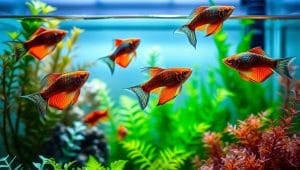
Regulating Temperature, pH, and Water Hardness
Maintain consistent water temperature between 72-78°F using a reliable heater. Avoid fluctuations exceeding 2 degrees daily to prevent stress.
Your aquarium should maintain higher pH levels (7.5-8.5) and water hardness (20-30 KH). These conditions mirror their natural mineral-rich habitats.
Regular testing keeps your water parameters stable. Monitor pH, ammonia, nitrate, and nitrite levels weekly for optimal health.
Selecting the Right Tank Equipment
Your equipment selection directly impacts the health and happiness of your underwater community. The right tools create a stable environment where your aquatic pets can thrive without constant intervention.
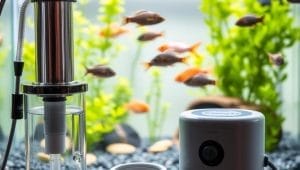
Effective Filtration Systems and Aquarium Heaters
A robust filtration system serves as your aquarium’s life support. Choose a filter that processes the entire tank volume at least four times hourly. This maintains excellent water quality for your active swimmers.
Power filters and external canister models provide triple-stage filtration. They remove debris while beneficial bacteria break down harmful toxins. Supplemental sponge filters enhance biological filtration and create gentle water movement.
Your aquarium heater ensures consistent tropical temperatures unless your room stays warm year-round. Select a reliable heater with thermostat control to prevent dangerous fluctuations.
Calculate heater wattage using 2.5-5 watts per gallon. Larger setups over 50 gallons benefit from two smaller units placed on opposite sides. This eliminates cold spots throughout your tank.
An air pump with bubbler increases oxygen levels while promoting healthy circulation. Your aquatic community will display natural behaviors in these optimal conditions.
Molly Fish Diet and Feeding Tips
A well-planned nutrition strategy transforms your aquarium experience from basic maintenance to true enjoyment. Your aquatic pets’ vibrant colors and active behaviors depend heavily on proper feeding practices.
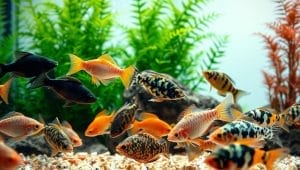
Crafting a Balanced Omnivore Diet
Your pets thrive on variety. They naturally prefer plant-based foods but need protein supplements too. Start with high-quality flakes containing spirulina for essential algae nutrition.
Supplement their diet with blanched vegetables like zucchini and spinach. These provide fiber and mimic natural grazing behaviors. Consider specialized gel foods for complete nutrition.
Occasional protein treats keep your mollies healthy and engaged. Offer frozen brine shrimp or bloodworms as exciting enrichment. These snacks stimulate natural hunting instincts.
Managing Feeding Habits and Portion Control
Feed small portions one to three times daily. Offer only what your fish can consume within two minutes. This prevents waste and maintains water quality.
Watch for signs of overfeeding. Long waste strings indicate portion adjustments are needed. Variety prevents nutritional deficiencies and keeps meals interesting.
Always thaw frozen food properly at room temperature. Never use microwaves as they destroy nutrients. Discard uneaten portions to maintain tank cleanliness.
Exploring Different Molly Fish Species
Your aquarium’s personality truly shines through when you select the perfect aquatic companions. The Poecilia genus offers approximately 39 distinct species, though most popular aquarium types result from selective breeding.
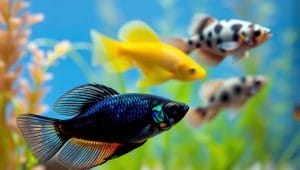
Identifying Key Variations and Colors
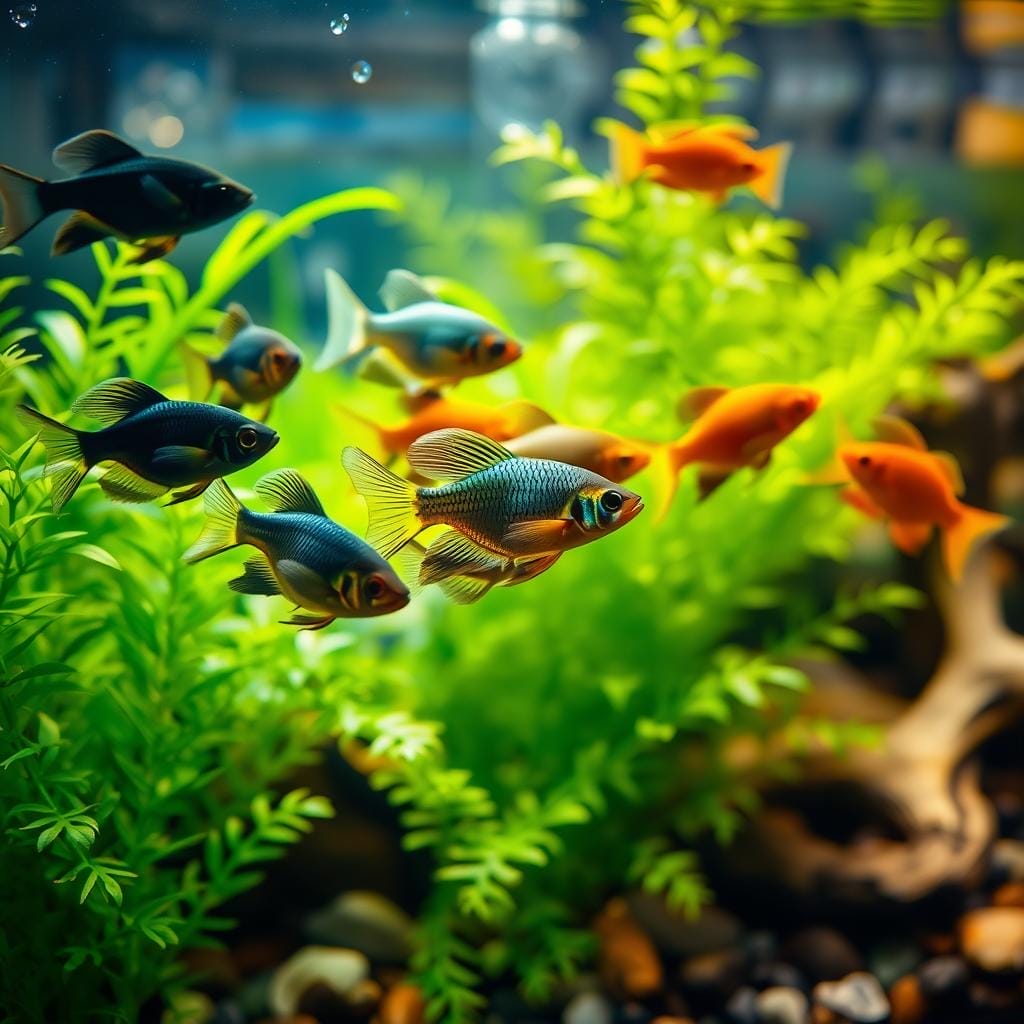
You’ll discover an incredible range of colors and forms among these fascinating creatures. While wild molly fish typically display silvery-gray hues, captive breeding has produced vibrant gold, black, white, and dalmatian patterns.
The impressive sailfin molly features a dramatically enlarged dorsal fin that stretches toward the tail. These adult swimmers reach 5-6 inches, requiring extra tank space.
Balloon varieties showcase a rounded, compact body shape from selective breeding. Lyretail types display beautiful forked tails with elongated rays. Each variation brings unique charm to your aquatic community.
Understanding Male and Female Characteristics
You can easily distinguish genders by examining the anal fin. Males develop a pointed gonopodium for reproduction, while females display a broad, fan-shaped fin.
Females typically grow slightly larger than males across all species. Maintaining optimal conditions ensures your pets display their most vibrant colors throughout their lives.
Molly Fish Breeding and Fry Rearing
Breeding success with these popular livebearers comes down to understanding their natural reproductive behaviors and creating safe conditions. You’ll find the process happens remarkably easily, often without any special intervention from you.
Setting Up a Dedicated Breeding Tank
Your breeding setup benefits from a separate environment where you can control conditions. Maintain slightly warmer temperatures around 78°F for optimal results.
The ideal ratio is two to three females for every male. This prevents individual females from becoming exhausted by constant attention. Watch for the rounded belly that develops over the 35-45 day gestation period.
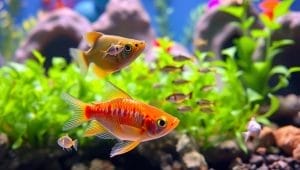
Tips for Ensuring Fry Survival
Your biggest challenge in breeding is protecting vulnerable fry from hungry adults. When birth approaches, consider moving the female to a breeding box.
Unlike egg-laying species, your females give birth to fully-formed, free-swimming fry. A first-time mother might produce just a handful, while experienced ones can give birth to 50-100 babies.
Dense planting creates essential hiding spaces where fry can shelter. Feed baby mollies several times throughout the day with appropriately sized foods. For comprehensive molly fish care guidance, explore our detailed resources.
Choosing Compatible Tankmates
The success of your aquatic environment depends greatly on choosing the right neighbors for your swimmers. Building a harmonious community requires understanding each species’ temperament and needs.
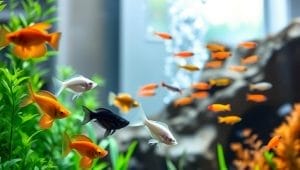
You’ll be pleased to discover that these livebearers are naturally peaceful and thrive alongside other friendly species. They do best with companions of similar size who share their preference for stable water conditions.
Establishing a Peaceful Community Environment
Your mollies are social creatures by nature, needing the company of their own kind to feel secure. Maintain a group of at least four, with larger groups being even better for their wellbeing. When keeping a school, aim for one male per three females to prevent stress.
Excellent tankmates include platys, swordtails, cory catfish, danios, and tetras. These species share similar temperaments and environmental preferences. Avoid housing your active swimmers with very small invertebrates like cherry shrimp, as adults may view them as food.
Steer clear of aggressive or predatory species such as Tiger Barbs or cichlids. Your mollies’ curious nature means they may nibble on long-finned, slow-moving companions. Always introduce new arrivals gradually while monitoring water parameters carefully.
Remember that sufficient space prevents territorial disputes and maintains water quality. For comprehensive guidance on creating the perfect aquatic community, explore our detailed molly fish care resources.
Maintaining a Clean and Healthy Aquarium
Keeping your underwater world sparkling clean is simpler than you might imagine with the right weekly habits. Consistent maintenance prevents problems before they start and keeps your aquatic pets vibrant.
Routine Water Changes and Regular Testing
Perform partial water changes of 25-35% weekly. This removes waste without harming beneficial bacteria. Never replace all water at once.
Also Read: Common Aquarium Problems and How to Fix Them
Test water parameters regularly with a reliable kit. Check pH, ammonia, nitrite, and nitrate levels. Stable conditions prevent stress and disease.
Remove uneaten food daily using a fine mesh net. Decomposing food quickly affects water quality. Your consistent attention maintains ideal aquarium health.
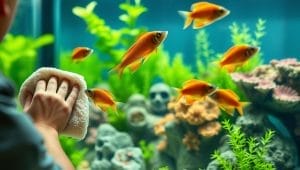
Effective Cleaning and Upkeep Practices
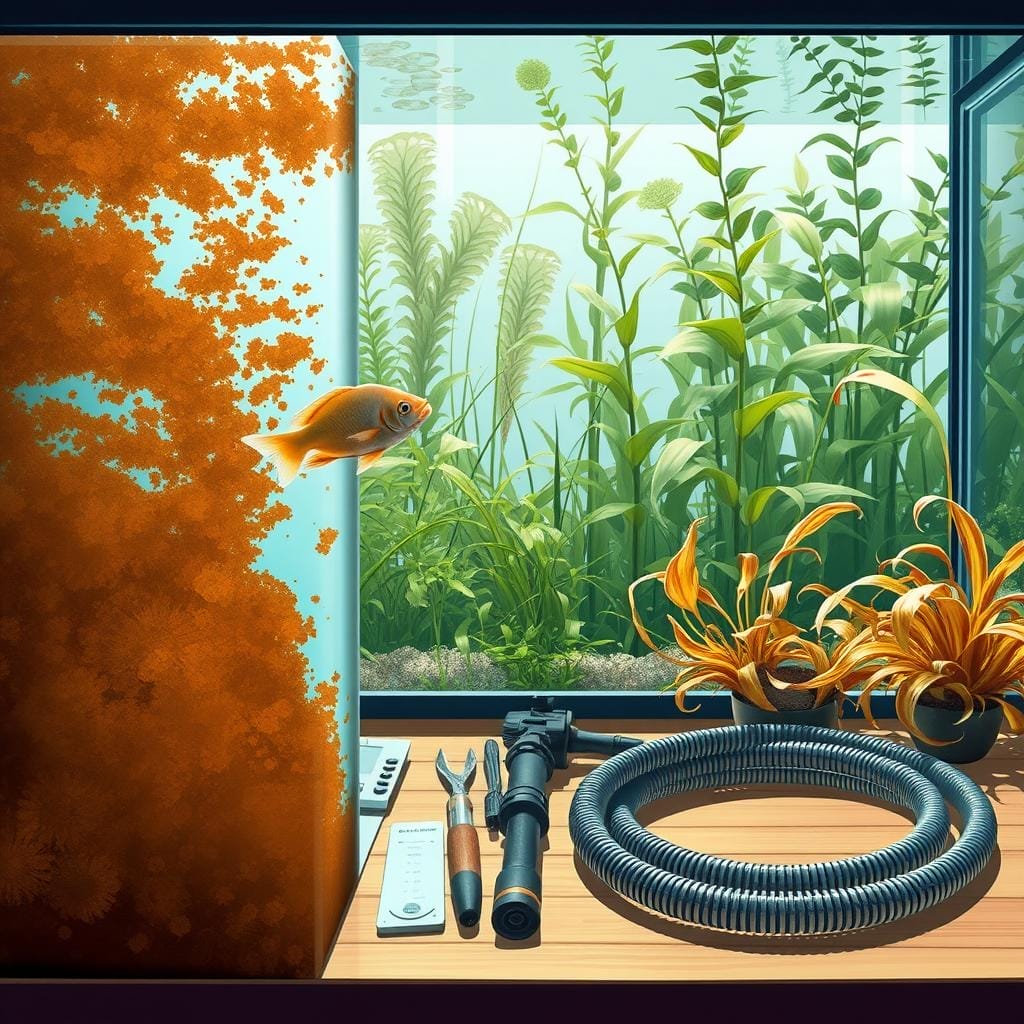
Schedule a thorough tank cleaning monthly. Gently vacuum substrate and wipe glass surfaces. Check equipment function during this routine.
Your live plants need regular trimming too. Remove dead leaves and thin overgrown areas. Arrange plants around the perimeter for open swimming space.
Maintain consistent lighting for 8-12 hours each day. This supports plant growth and prevents algae. For comprehensive guidance on maintaining optimal aquarium conditions, explore our detailed resources.
Remember that stable water parameters are your best defense against illness. Your regular care creates a thriving environment where your aquatic community flourishes.
Final Recommendations for a Thriving Aquarium
The true measure of your aquarium success comes from understanding how all the care elements work together harmoniously. Your long-term enjoyment depends on paying attention to water hardness and mineral content, which significantly affects your pets’ health and longevity.
If you have naturally soft tap water, consider adding supplements to increase essential minerals. Many fancy varieties benefit from careful salt additions, but always research your specific species first. Monitor changes gradually to avoid stress.
With proper attention, your aquatic companions can live 3-5 years. Watch for clear eyes, intact fins, and active swimming patterns as signs of good health. Contact a veterinarian if you notice any warning signs like color changes or decreased appetite.
Your thriving freshwater aquarium results from combining appropriate tank size, stable water parameters, quality foods, and consistent maintenance. For comprehensive guidance on creating optimal aquarium conditions, explore our detailed resources. Your dedication will be rewarded with a vibrant, healthy aquatic community.
FAQ
What is the ideal tank size for a group of mollies?
A 20-gallon aquarium is a great starting point for a small group. These active swimmers appreciate plenty of space, and a larger tank, like a 30 or 40-gallon, makes maintaining stable water parameters much easier for you.
Can I keep mollies in a freshwater aquarium without adding salt?
While many sailfin and other types do well in slightly brackish conditions, most common varieties thrive in standard freshwater. The key is consistent, high-quality water with the correct hardness. Always research the specific needs of your species.
How often do mollies give birth, and what should I do with the fry?
Females can give birth approximately every 60 days. If you want the young to survive, provide lots of live plants for hiding or use a separate breeding tank. Fry can be fed powdered foods or freshly hatched brine shrimp.
What are the best foods for a healthy molly fish diet?
These omnivores need variety! Offer a high-quality flake or pellet as a staple, supplemented with blanched vegetables like zucchini and live or frozen treats such as brine shrimp or bloodworms for optimal health.
Are mollies good for a community tank?
Absolutely! They are generally peaceful and make excellent community members. Good tankmates include other livebearers like platies, peaceful tetras, and Corydoras catfish. Avoid aggressive species that might nip their fins.
What water temperature do they require?
A reliable aquarium heater is essential to maintain a stable temperature between 72°F and 78°F (22°C to 26°C). Sudden fluctuations can stress your pets, leading to health issues.
How can I tell the difference between male and female mollies?
Males are typically smaller and have a modified anal fin called a gonopodium, which is pointed and used for mating. Females are larger, especially when pregnant, and have a fan-shaped anal fin.
Aquarium maintenanceAquarium water qualityAquatic petsFish Tank HealthFish Tank Set-UpFreshwater aquariumLivebearer Fish SpeciesMolly Fish CareTropical Fish Care
Hi, I'm Millie a passionate fish enthusiast and blogger. I loves learning about all kinds of aquatic creatures, from tropical fish to stingrays.