
Rasbora Care Guide: How to Care for Your Rasbora
 Millie Douglas
Updated on: December 1, 2025 .
11 min read
Millie Douglas
Updated on: December 1, 2025 .
11 min read
Have you ever wondered if a truly stunning aquarium could also be surprisingly simple to maintain?
Welcome! You are about to discover how these small, shimmering fish can bring vibrant life to your tank without demanding complex expertise. Their peaceful nature and dazzling colors make them a joy to watch.
This guide is your friendly companion. We will walk you through creating a perfect home for your new aquatic friends. You will learn about their ideal water conditions, diet, and social needs.
Many hobbyists find their requirements to be quite manageable. This easy care approach is perfect for beginners yet still rewarding for experts. You can achieve a thriving underwater community.
Let’s get started on your journey to a happy, healthy aquarium. We will break everything down into clear, simple steps for your success.
Understanding Rasbora Species and Their Unique Appeal
You’ll be delighted by the incredible diversity among different rasbora varieties. Each fish species offers unique colors and patterns that bring dynamic movement to your tank.
Distinctive Features and Behavior
What makes these fish species so special is their striking black wedge pattern. This mark starts at the mid-belly and extends toward the tail. It creates beautiful contrast against planted backgrounds.
You’ll notice rasboras are social, peaceful fish. They prefer swimming in the middle to upper tank portions. This makes them perfect for community setups.
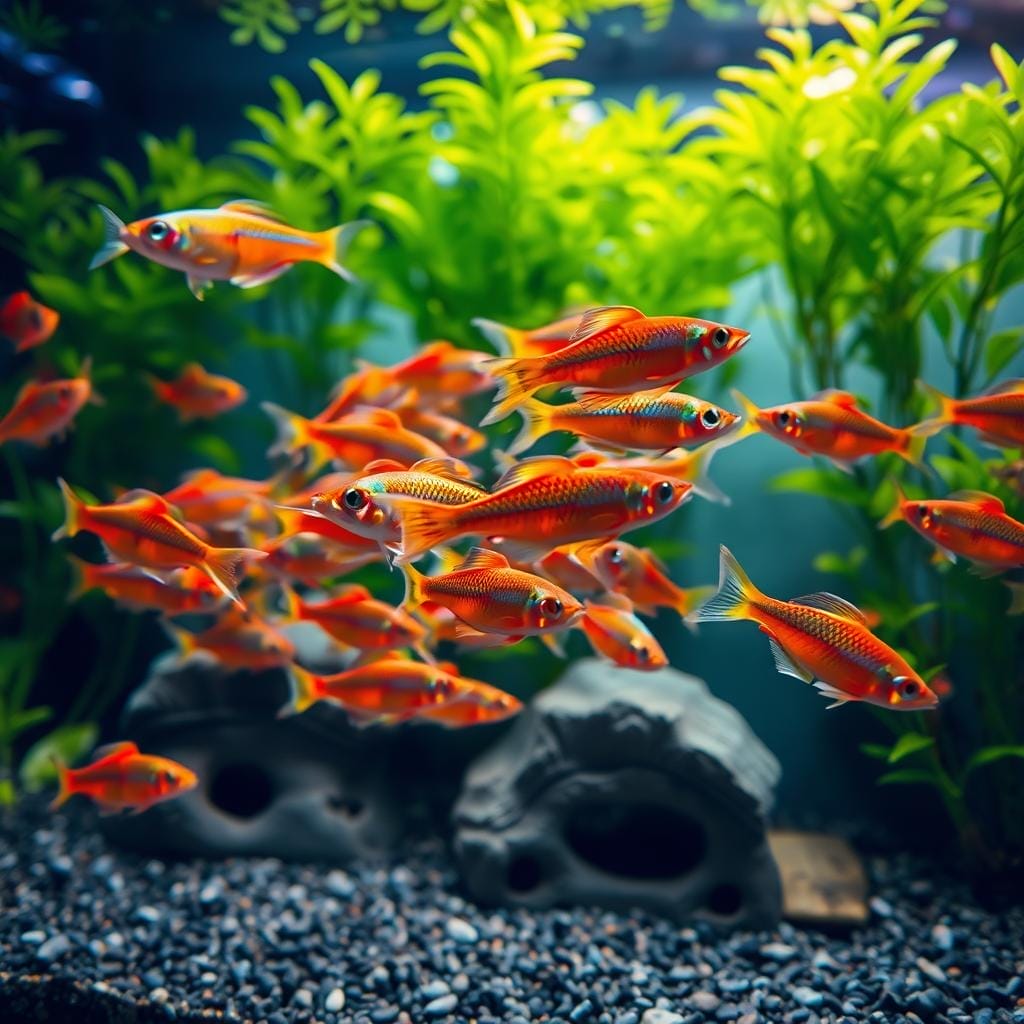
These species are schooling fish. You should keep at least 6-10 together for security. Larger groups of 20 or more create spectacular displays of natural behavior.
Popular Rasbora Varieties
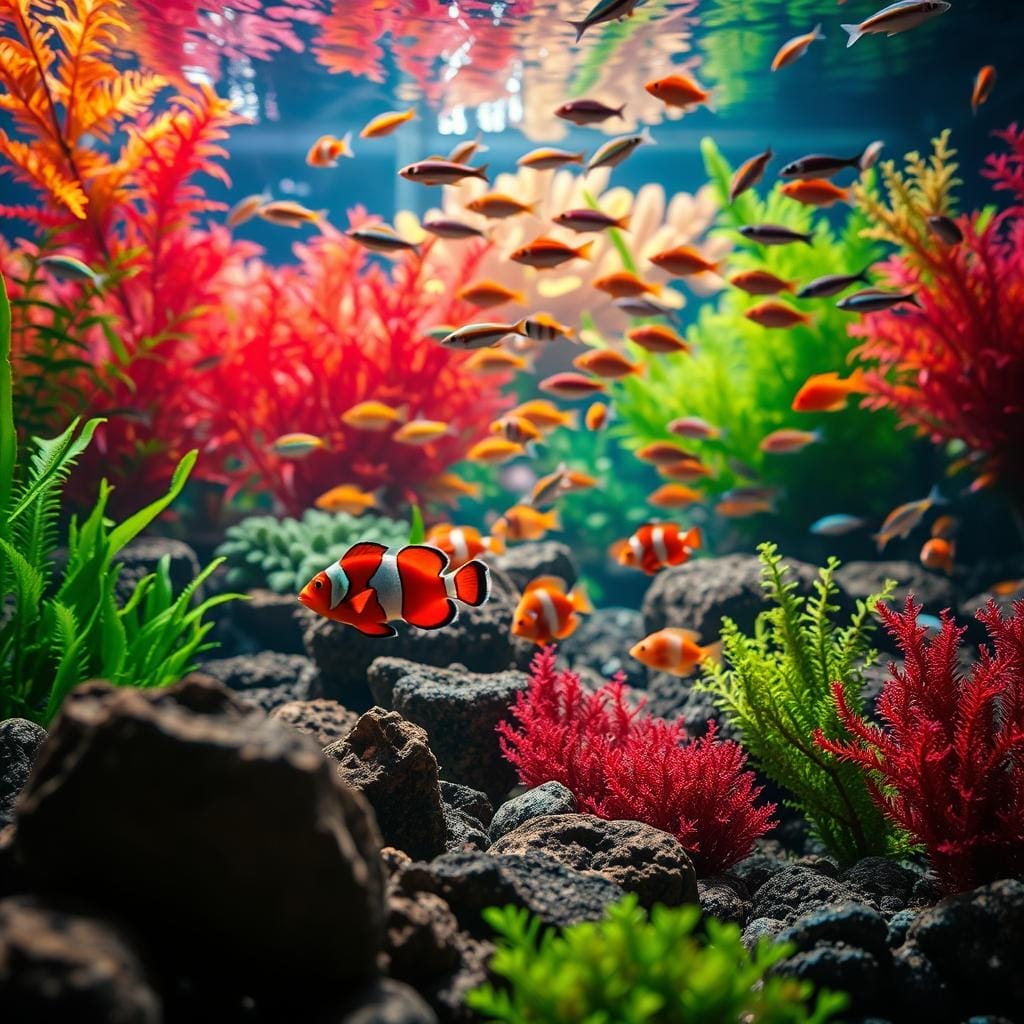
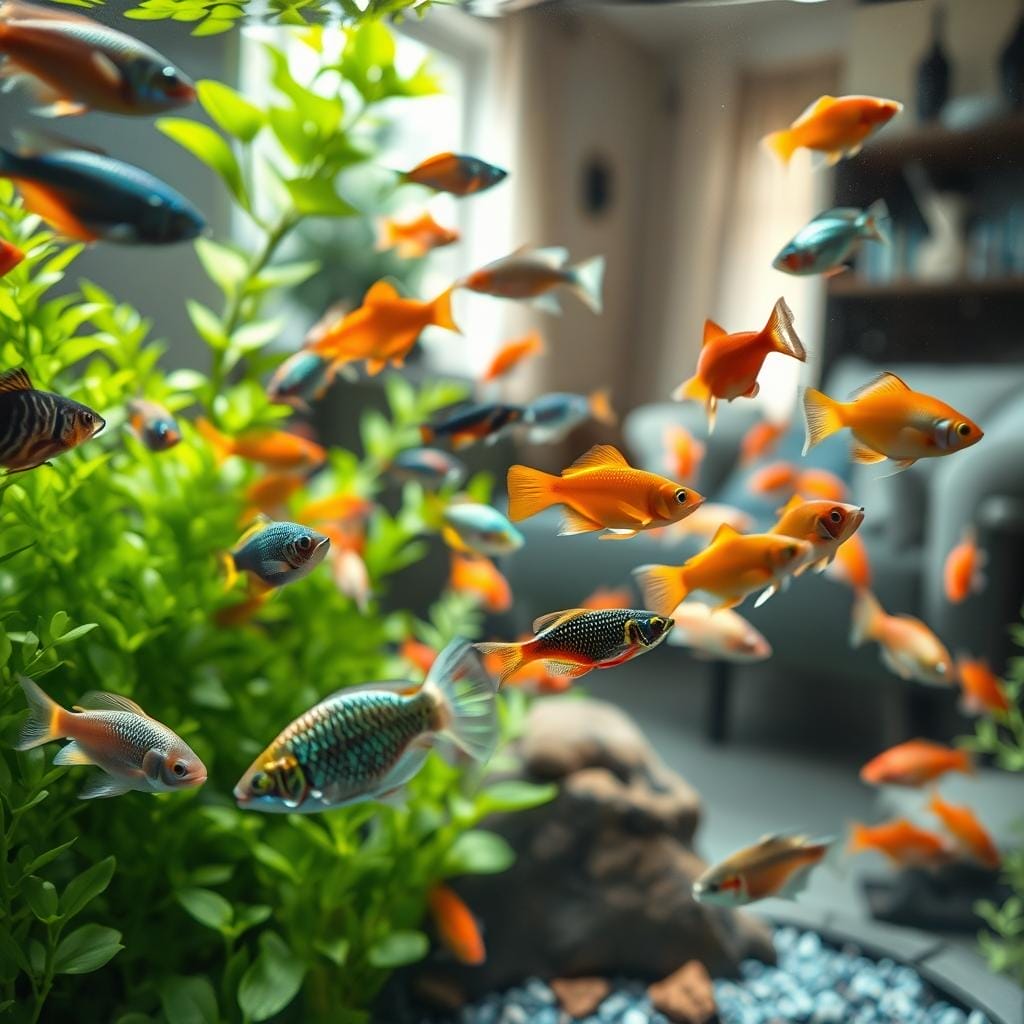
The most popular varieties include Harlequin Rasboras with pinkish-brown tones. Lambchop Rasboras feature brighter orange hues. Tiny Phoenix rasboras display stunning deep red body colors.
Males tend to be more slender with brighter colors than females. The distinctive black wedge appears more rounded in males. Females often show more angular patterns.
Each species brings its own charm to your aquatic community. Their vibrant colors and peaceful nature make them wonderful additions to any tank.
Setting Up the Perfect Aquarium Environment
Getting your aquarium environment just right is key to your fish’s happiness and health. A proper setup ensures they’ll thrive and display their natural behaviors.
Start with choosing the right tank dimensions. Your fish will appreciate having room to swim freely in their new home.
Optimal Tank Size and Filtration
A 10-gallon aquarium works well for a small group of six fish. However, providing more space allows for better swimming and natural behavior.
For filtration, a hang-on-back filter is an excellent choice. It’s easy to maintain and provides gentle water movement.
Avoid powerful filters that create strong currents. These fish prefer calmer waters similar to their natural habitat.
Ideal Water Parameters and Temperature
Maintaining proper water parameters is essential for your fish’s well-being. Aim for a temperature around 76°F, with a comfortable range of 73-82°F.
Keep the pH between 6.0 and 7.5, with 7.2 being ideal. Water hardness should stay soft, up to 12 dGH.
Tap water works perfectly when treated with a dechlorinator. This removes chlorine and makes it safe for your aquarium.
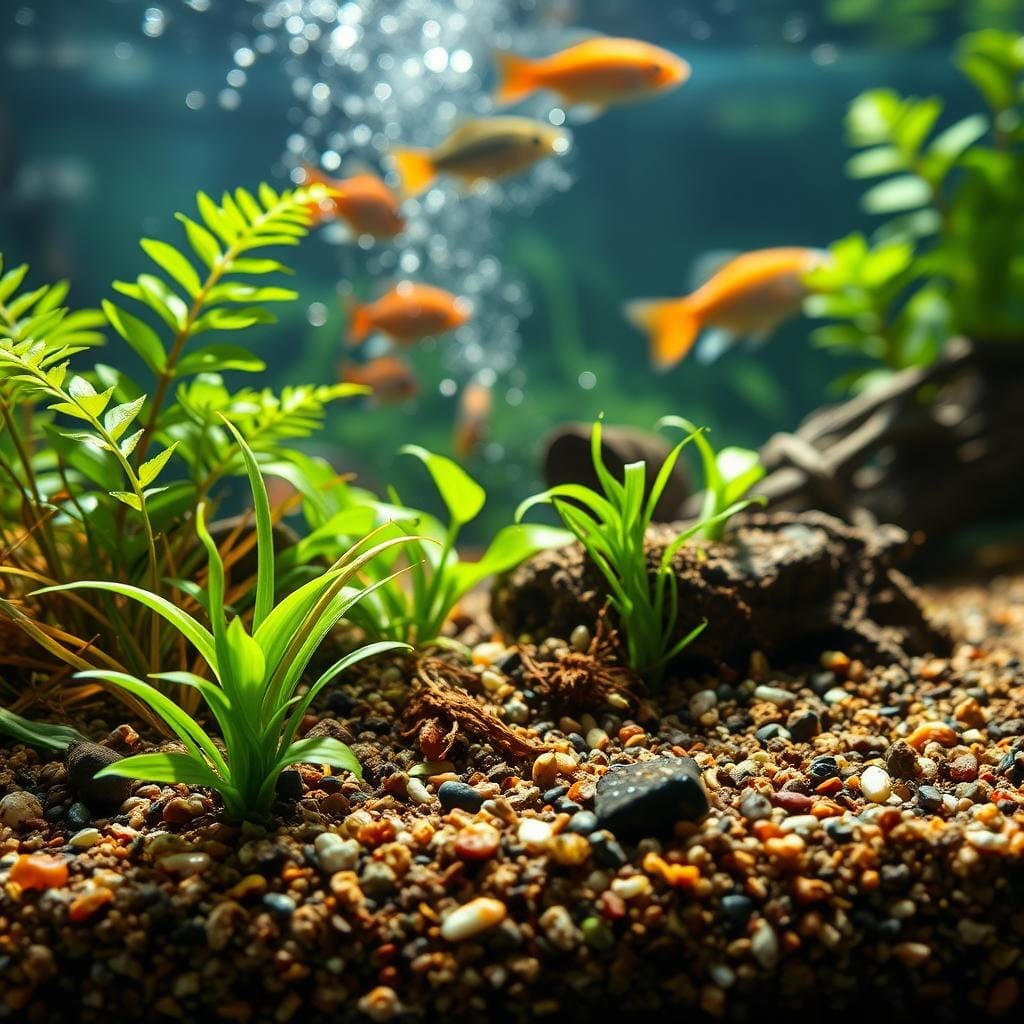
Use gravel substrate to create a natural foundation. It also supports live plant growth for a healthier environment.
rasbora care guide: Creating a Safe and Healthy Aquarium
Transforming your aquarium into a natural paradise begins with choosing the right living elements. Your fish will thrive when their environment feels like home.
Designing a Natural Habitat with Live Plants
Real plants make all the difference in your aquarium setup. They create a vibrant backdrop that makes your fish’s colors pop beautifully.
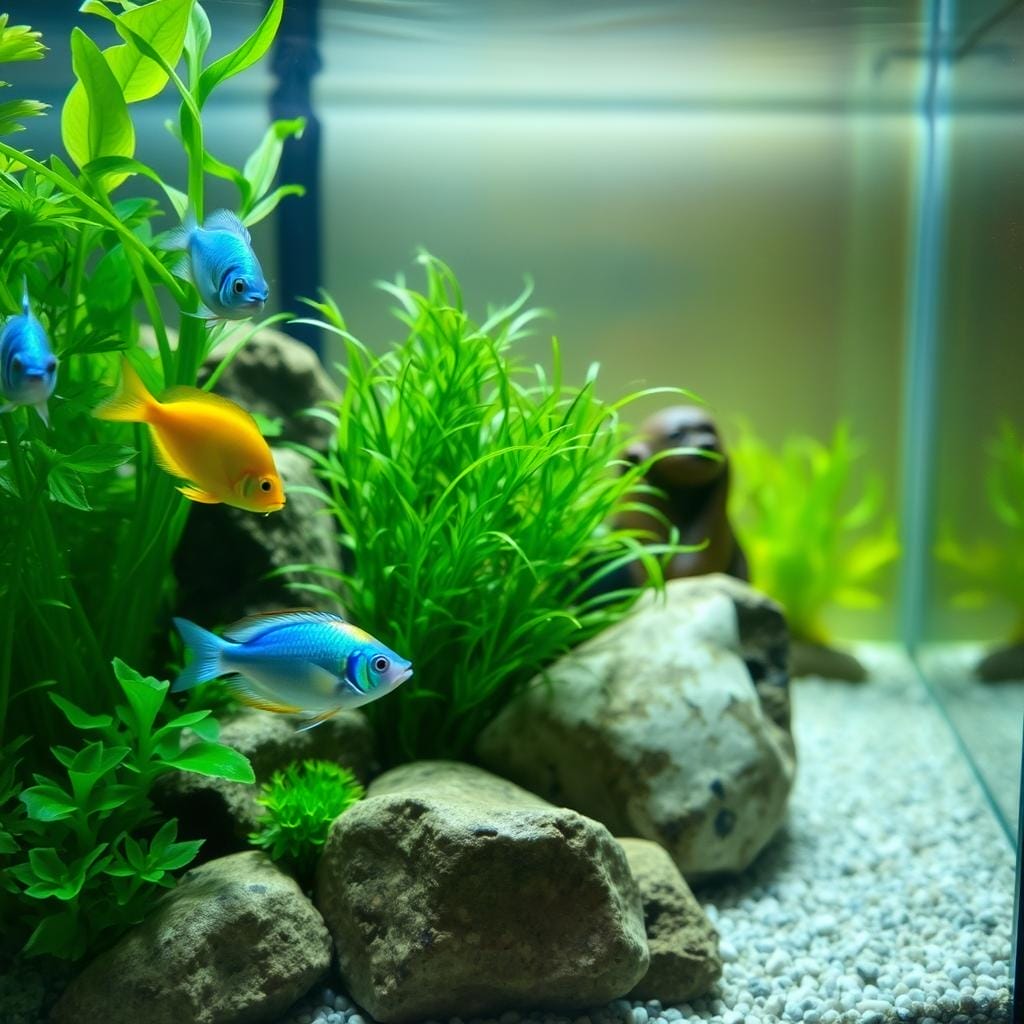
Choose species like Cryptocoryne that grow naturally alongside these fish. These plants provide the perfect balance of cover and swimming space.
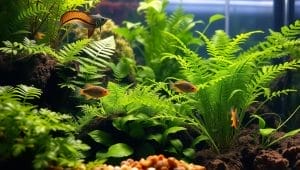
Floating plants with long roots work wonderfully. They filter light and create the subdued lighting your fish prefer.
Add natural elements like driftwood and leaf litter. These recreate the peaceful forest stream environment your aquatic friends come from.
A dark substrate mimics the leaf-covered bottoms of natural blackwater streams. It also makes your fish’s bright colors stand out dramatically.
Remember to keep lighting gentle rather than bright. This reduces stress and encourages natural behaviors in your aquarium community.
Feeding and Nutrition Essentials for Rasboras
Proper nutrition brings out the best in your aquatic pets. A balanced diet keeps them active and colorful. You’ll find these fish are quite adaptable eaters.
They thrive on variety. Mixing different food types ensures they get all necessary nutrients. This approach supports their overall health and vitality.
Choosing the Right Live Foods
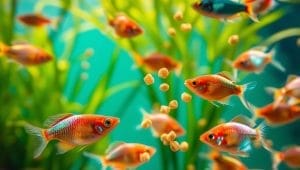
Live foods mimic their natural diet perfectly. Your fish will show increased activity when offered these treats. They provide essential proteins for growth.
Excellent options include daphnia and mosquito larvae. These small creatures are perfect for their size. You can culture them at home or purchase from suppliers.
Balancing Commercial and Natural Diets
High-quality flake food makes a great staple. It contains balanced nutrition for daily feeding. Supplement with frozen or freeze-dried options for variety.
Rotate between different food types weekly. This prevents nutritional gaps. Your fish will enjoy the changing menu.
Supplementing with Baby Brine Shrimp and Infusoria
Baby brine shrimp are protein-packed treats. They’re especially valuable for breeding conditioning. The small size makes them perfect for all life stages.
For newly hatched fry, infusoria works wonderfully. These microscopic organisms provide essential first foods. They’re easy to culture in small containers.
Remember to feed small amounts multiple times daily. This matches their natural grazing behavior. It also helps maintain clean water conditions.
Breeding and Raising Rasboras
Witnessing new life emerge in your aquarium brings a special kind of joy. While breeding these fish presents a challenge, the reward of raising a new generation is immense. Success hinges on a dedicated setup and close attention to detail.
Setting Up a Breeding Tank
Your first step is preparing a separate 5 to 10-gallon breeding tank. Equip it with a gentle sponge filter to protect delicate eggs. Fill the tank with very soft, acidic water and maintain a warm temperature between 76-80°F.
Add broad-leafed plants like Cryptocorynes or Java moss. These leaves provide the perfect surface for females to deposit their eggs. For a deeper dive into the process, explore our a basic guide to rasbora breeding.
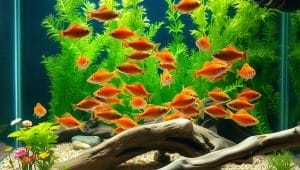
Condition your potential breeders with live foods for several weeks. Introduce a pair or a small group with two males for each female in the evening. You will often see spawning begin the next morning.
Fry Care and Progressive Feeding
After a fascinating courtship dance, females will lay eggs on the underside of leaves. It is crucial to remove the adult fish within hours after spawning to protect the eggs.
The eggs will hatch in about 24 hours. The tiny fry will remain attached to the leaves for another day. Once they are free-swimming, they need microscopic food like live infusoria for their first week or two.
This specialized feeding is essential, as even baby brine shrimp are initially too large. With patience, you can watch the fry grow into beautiful adults over several months.
Building a Peaceful Community Tank
One of the most rewarding aspects of keeping these fish is designing a harmonious community aquarium. Your aquatic friends will thrive when surrounded by compatible species that share their peaceful nature.
Creating this balanced environment requires thoughtful planning. You’ll want to consider which fish occupy different water levels and how they interact.
Compatible Tank Mates for Rasboras
Your rasboras will flourish alongside other gentle community fish. Excellent choices include neon tetras and cardinal tetras, which add brilliant color accents.
Peaceful bottom dwellers like panda Corydoras make perfect companions. They clean the substrate while your rasboras swim above them.
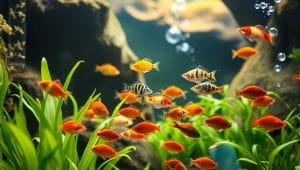
You can safely keep dwarf shrimp like cherry shrimp in the same aquarium. Provide Java moss where baby shrimp can hide for extra protection.
Remember to avoid large or aggressive species that might see your small fish as food. Stick with similarly-sized, calm tank mates for best results.
Creating Zones for Different Species
The secret to a successful community lies in vertical zoning. Design your aquarium with distinct areas for different swimming preferences.
Your rasboras will claim the middle water column. Add surface dwellers like hatchetfish to utilize the top area efficiently.
This zoning approach reduces competition and stress. Every species gets their own space while creating a dynamic, fully-utilized display.
Maintain schools of 8-10 rasboras minimum for their security and natural behavior. Your community aquarium will become a thriving, peaceful underwater world.
Essential Maintenance for Long-Term Aquarium Health
Keeping your aquarium thriving long-term requires consistent, simple maintenance habits. Your aquatic friends depend on stable water conditions to stay healthy and vibrant.
Also Read: Common Aquarium Problems and How to Fix Them
Establishing a regular routine makes this process easy and effective. You’ll find that small, frequent tasks prevent larger problems from developing.

Regular Water Changes and Filter Care
Weekly water changes are your most important task. Replace 20-25% of your tank volume with temperature-matched, dechlorinated water.
Your filter acts as the heart of your aquarium’s health system. Clean or replace media according to manufacturer recommendations while preserving beneficial bacteria.
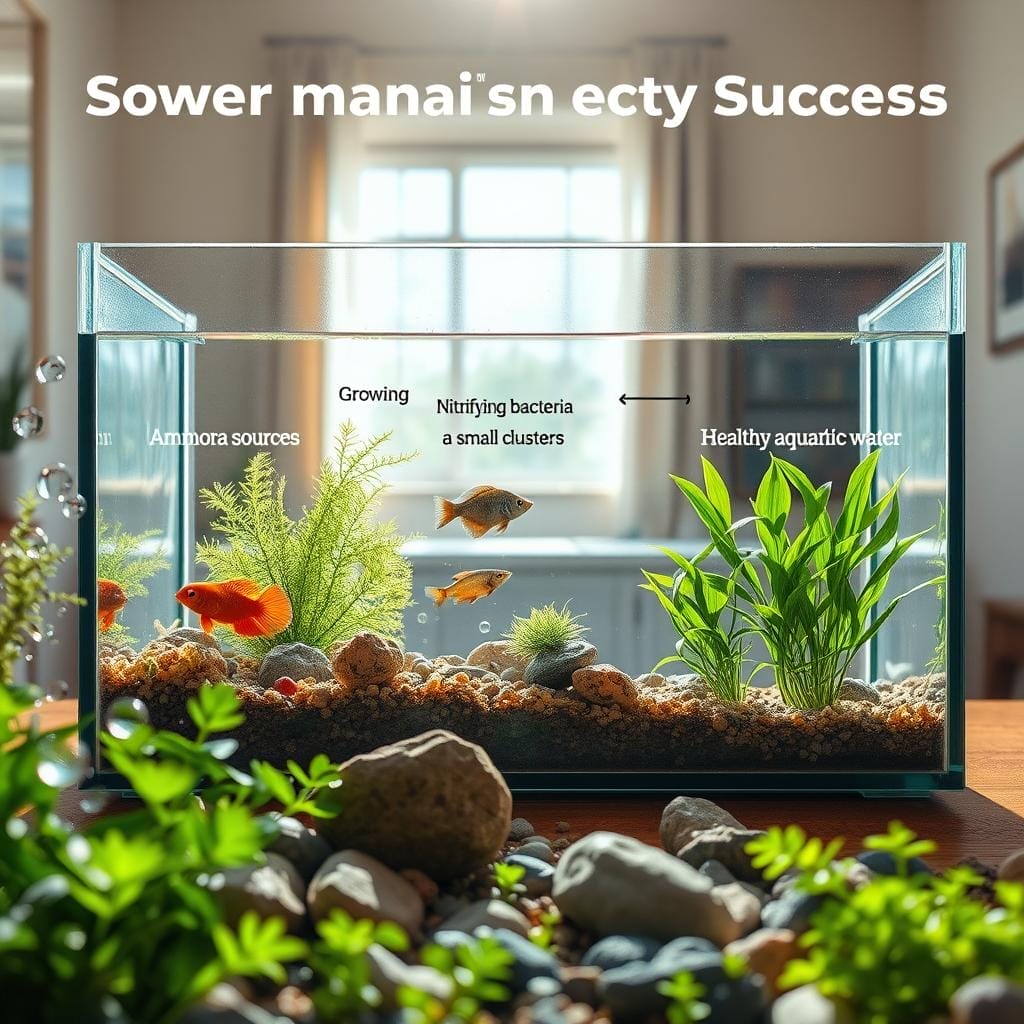
Never add fish to a newly set-up tank. Your aquarium must be fully cycled first, which typically takes 4-6 weeks.
Monitoring Water Quality and Parameters
Test your water weekly for these key parameters:
- pH levels (aim for 6.0-7.5)
- Ammonia and nitrite (should be zero)
- Nitrate levels (keep below 20 ppm)
- Water hardness and temperature
Sudden swings in water parameters can stress your fish. Make adjustments gradually when needed.
Keep a maintenance log to track your results. This helps you spot patterns and catch issues early. For comprehensive guidance, consult this detailed rasbora care resource.
Consistent care with smaller, frequent maintenance is much better than sporadic large interventions. Stability is key to your aquatic community’s long-term health and happiness.
Final Reflections on Protecting and Enjoying Your Rasboras
The shimmering school of fish gliding through your tank represents the success of your efforts. You’ve created a beautiful home where they can thrive for up to six years.
Your harlequin rasboras and other species will reward your attention with vibrant colors and peaceful schooling. They adapt beautifully to various setups, even living happily with shrimp.
Remember that consistent water conditions, good nutrition, and proper group size are key. These hardy fish are forgiving, making them perfect for newcomers. Yet their interesting behavior keeps experienced hobbyists engaged.
For ongoing support, our beginner-friendly guide to rasboras offers additional insights. Most importantly, take time to simply enjoy your aquatic world. Watching your fish move through the plants is the ultimate reward.
FAQ
What is the ideal tank size for a small school of rasboras?
A 10-gallon aquarium is a great starting point for a small group. However, a 20-gallon long tank is even better as it provides more horizontal swimming space, which these active fish truly appreciate. More space helps reduce stress and promotes natural behavior.
Can I keep rasboras with other fish species like tetras?
A> Absolutely! They are excellent community tank residents. Peaceful companions like neon tetras, dwarf gouramis, and corydoras catfish make wonderful tank mates. Just ensure all species have similar water parameter requirements for a harmonious environment.
What are the best live foods to feed my fish?
They thrive on a varied diet. Baby brine shrimp are a fantastic, nutrient-rich option. Other great live foods include daphnia and micro worms. These choices encourage natural foraging behavior and support vibrant colors and health.
How do I encourage my rasboras to breed?
Setting up a separate breeding tank with soft, slightly acidic water and fine-leaved plants like Java moss is key. Condition the males and females with high-quality live foods. After spawning, the adults should be removed to protect the eggs from being eaten.
What water parameters are critical for their long-term health?
Maintaining stable conditions is vital. They prefer slightly soft, acidic water with a temperature between 73°F and 80°F. Regular testing for ammonia, nitrite, and nitrate, along with consistent partial water changes, will keep your aquarium’s environment safe and healthy.
Are live plants necessary in their aquarium?
While not strictly necessary, live plants are highly beneficial. They offer shelter, reduce stress, and help maintain good water quality by absorbing nitrates. Plants like Anubias and Cryptocoryne are easy to care for and create a beautiful, natural habitat for your shrimp and fish.
Hi, I'm Millie a passionate fish enthusiast and blogger. I loves learning about all kinds of aquatic creatures, from tropical fish to stingrays.