

Improve Your Cycling: Strategies for Speeding Up
 Millie Douglas
Updated on: December 1, 2025 .
14 min read
Millie Douglas
Updated on: December 1, 2025 .
14 min read
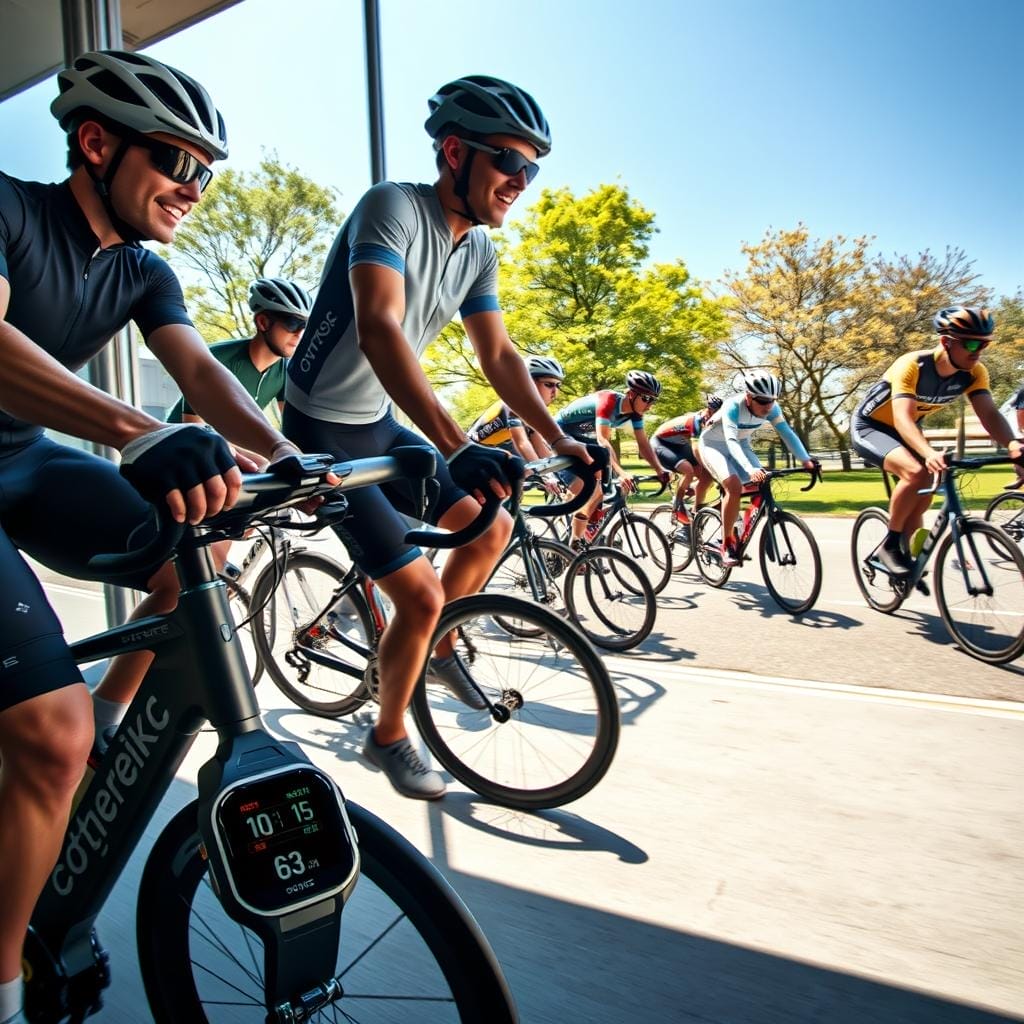
What if the secret to a faster cycling speed isn’t just about pushing harder on the pedals?
For many riders, chasing a better average speed can feel frustrating. Data from platforms like Strava shows the average male cyclist rides around 12.7 mph, while the average female cyclist averages 11 mph. Seeing these numbers might make you wonder how to bridge the gap.
The good news is that boosting your performance on the bike is absolutely achievable. It’s not solely about raw power. As experts like former champion Joss Lowden explain, it’s about working smarter. This means focusing on how you deliver power, your technique, and even your gear.
This guide is designed to show you the way. We’ll break down the key factors that influence your pace. You’ll get practical tips used by seasoned cyclists.
Our goal is to help you make the most of your time on the road. Small, smart changes can lead to big speed gains. Let’s get started on your journey to a faster, more efficient ride.
Understanding Your Average Speed & Performance Benchmarks
Accurate measurement of your riding performance provides the foundation for growth. Before chasing higher numbers, you need to know your baseline. This helps you set realistic goals and track meaningful progress over time.
Many cyclists use apps like Strava or bike computers to monitor their stats. These tools track your maximum, current, and average speed throughout each ride. They give you clear data about your current capabilities.
Benchmarking with Bike Computers and Apps
Understanding what’s realistic for your experience level is crucial. A beginner might average around 10 mph, while consistent training can push you toward 15-16 mph. Professional riders hitting 20+ mph represent years of dedicated work.
Use Strava’s segment filters to compare yourself with riders of similar age and weight. This gives you a fair yardstick for measuring improvement. Focus on your personal growth rather than comparing yourself to experts.
Evaluating Environmental and Terrain Factors
Your average pace varies significantly based on conditions. Headwinds, hills, and wet weather naturally slow you down. Even the quality of the road surface affects your rolling resistance.
Smooth asphalt allows faster speed than rough pavement. A hilly road will lower your average compared to flat terrain. Recognizing these factors helps you understand daily variations in your performance.
Track your progress over weeks and months rather than focusing on single rides. This approach shows your true improvement despite changing conditions.
Essential Techniques for Speeding Up Cycling
Developing essential cycling skills isn’t just about physical strength—it’s about intelligent movement. The way you handle your bike can conserve energy and maintain momentum throughout your ride.
Learning to read the road ahead helps you avoid unnecessary braking. Every time you brake, you waste energy that could carry you forward. Smart timing at intersections lets you maintain flow instead of stopping and restarting.

Confident cornering is another crucial technique. When you trust your turning abilities, you’ll brake less and carry more speed through curves. This saves energy for when you really need it.
On rolling terrain, use downhill momentum to your advantage. A faster descent carries you partway up the next climb with less effort. Sometimes, adopting an aerodynamic tuck position is smarter than pedaling on long descents.
Push harder when conditions are challenging—like uphill sections or headwinds—and recover when it’s easier. This strategic approach optimizes your energy expenditure. With consistent practice, these skills become second nature, making each ride a bit more efficient.
Optimizing Bike Handling and Aerodynamics
Did you know that your body creates most of the wind resistance you face while riding? About 75% of drag comes from you rather than your bike. This means simple adjustments to your position can deliver bigger speed gains than expensive equipment upgrades.
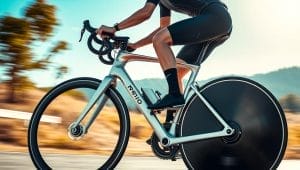
Once you exceed 10 mph, wind becomes your biggest challenge. The key is reducing your front profile by getting low and streamlined. Think of it like a tortoise tucking into its shell for protection.
Adopting an Aero Position for Reduced Wind Resistance
The ideal riding position involves bending forward with your elbows tucked in at right angles. This creates a more aerodynamic profile that slices through the wind efficiently. Keep your back flat and head slightly tucked for maximum effect.
You might be surprised to learn that riding on the hoods with bent elbows can be more aerodynamic than using the drop position. However, the drop provides better control during fast descents. Choose based on your terrain and needs.
A slightly higher handlebar setup might actually improve your speed. Why? Because comfort helps you maintain good form longer. If you’re experiencing hip pain, raising your bars can open your hip angle and reduce discomfort.
These small changes to your bike setup and body posture can reduce wind resistance by up to 20%. That means significant improvements without spending any money. Focus on finding that sweet spot between aerodynamics and sustainable comfort.
Effective Interval and HIIT Training Methods
What if you could dramatically boost your riding performance with workouts that take less time than your typical training sessions? High-intensity interval training (HIIT) offers exactly this advantage. These powerful sessions push your body to adapt quickly, building both endurance and speed efficiently.

Short-Burst HIIT for Increased Endurance
Research reveals that just two minutes of sprint interval training can improve mitochondrial function as effectively as 30 minutes of moderate exercise. This means your cells’ energy powerhouses become more efficient. A 2018 study found that 30 seconds of max effort followed by recovery delivers remarkable benefits.
These short bursts recruit fast-twitch muscle fibers needed for intense movements. The result? More power when you need it most. This approach is perfect for busy schedules while delivering significant endurance gains.
Interval Techniques for Consistent Speed Gains
Structured interval sessions begin with a 15-20 minute warm-up. Then try cycling for two minutes at 2-3 mph above your normal pace. Recover for five minutes while keeping your legs moving. Repeat this pattern three to four times.
“Fartlek training” makes intervals more engaging. Choose environmental markers like road signs as sprint targets. Pedal hard until you reach them, then ease off. This playful approach builds speed naturally.
Expert Joss Lowden recommends “over/unders” where you ride hard for two minutes, then draft behind a friend. This technique develops consistent power output. Balance these intense sessions with longer endurance rides for optimal training benefits without overtraining.
Strength and Plyometric Training for Cyclists
Your legs are the engine of your bike, and strength training is the key to unlocking their full potential. Building muscular power allows you to do more work with less perceived effort on every ride. This means you can push harder during intense efforts and maintain your pace for longer.

Building Lower Body Power through Targeted Exercises
Focus your gym sessions on your quads, glutes, hamstrings, and calves. These are the primary muscles that generate pedaling force. Essential movements like squats, deadlifts, lunges, and hip thrusts are incredibly effective.
If you’re new to this type of training, begin with bodyweight exercises to master your form. Once you feel confident, gradually add resistance. This safe approach builds a solid foundation of strength.
To teach your muscles to produce power even when tired, try drop sets. After your final rep with a heavy weight, immediately reduce the load and squeeze out a few more repetitions. This technique builds incredible mental and physical endurance.
Don’t forget your core! A stable midsection is the link that transfers energy from your body to the pedals. Without it, you’ll lose efficiency and feel fatigued sooner. Exercises like planks and decline push-ups are excellent for core stabilization.
Plyometric or “jump” training develops explosive strength. Movements like jump squats and split jumps train your muscles to fire rapidly. This helps you accelerate quickly and power up steep climbs with more confidence.
Remember, the goal is neuromuscular efficiency. This means your brain and muscles work together better to deliver force. The result is a smoother, more powerful pedal stroke that makes your riding truly impressive.
Enhancing Bike Maintenance and Equipment Efficiency
Many riders overlook the significant speed gains available through proper bike maintenance. Your equipment choices can make a real difference in how efficiently you move down the road. Small adjustments to your setup and regular upkeep can save you valuable energy on every ride.

Let’s explore how smart equipment choices and maintenance routines can help you ride faster with less effort. These improvements work together to reduce rolling resistance and mechanical drag.
Selecting Fast-Rolling Tires and Maintaining Your Chain
Upgrading to high-quality tires is one of the most cost-effective ways to boost your performance. The right tires for your road conditions can dramatically reduce rolling resistance. You’ll notice the difference immediately when you switch to faster rubber.
Check your tire pressure before every ride. Proper inflation balances speed, comfort, and puncture protection. Too-soft tires create more drag, while rock-hard tires can’t absorb road vibrations efficiently.
Tubeless systems can offer efficiency gains by eliminating tube-tire friction. Many modern bikes come tubeless-ready for this reason. The setup saves you time and hassle while improving your ride quality.
Your chain deserves regular attention too. A clean, well-lubricated chain reduces friction significantly. Chain waxing provides even greater efficiency for those willing to invest the time. This simple maintenance task preserves your power transfer.
Basic upkeep like truing wheels and adjusting brakes prevents unnecessary drag. Well-maintained equipment ensures every watt you produce translates to forward motion. Your bike will feel smoother and more responsive when everything works properly.
Navigating Terrain and Environmental Challenges
The terrain and weather around you offer opportunities to work smarter, not just harder. Learning to use environmental factors to your advantage can significantly boost your average speed with less effort.

Drafting Tactics and Wind Navigation
Riding with other riders provides a powerful drafting effect. When you position yourself closely behind another cyclist, you can save up to 40% of the energy needed to ride at the front.
Expert Joss Lowden recommends specific positioning techniques. In crosswinds, move slightly to the sheltered side of the rider ahead. Share turns leading the group to distribute effort efficiently.
Cycling clubs organize group rides at various speeds, helping you find compatible partners. This social support system encourages consistent improvement while making your time on the road more enjoyable.
Smart Route Planning for Optimal Conditions
Strategic route selection makes a huge difference in your performance. Check weather forecasts and plan to ride into headwinds while you’re fresh. Save tailwinds for your return journey when fatigue sets in.
Lowden suggests thinking like a sailor “tacking” against the wind. Plot routes that use crosswinds effectively while minimizing direct headwind resistance. This approach maintains better average speed throughout your ride.
Balance your route choices between wide, fast roads and technical lanes. While A-roads allow steady pacing, smaller roads develop crucial bike handling skills. Both types of terrain contribute to your overall growth as a cyclist.
Using Technology and Data to Measure Progress
Modern cycling technology offers powerful tools to help you understand your performance. These devices give you real-time feedback during your rides, helping you maintain consistent effort.

Leveraging Power Meters and Cycling Apps
Your bike computer becomes your personal coach on every ride. It shows your current and average speeds, alerting you when your pace begins to drop. This awareness helps you make conscious decisions to maintain intensity.
Power meters provide the most accurate data for measuring effort. They help you pace intervals correctly and track fitness improvements over time. Just seeing the numbers displayed can subconsciously encourage you to increase your tempo.
Also Read: Common Aquarium Problems and How to Fix Them
Apps like Strava offer fantastic benchmarking features. You can compare your current performance against your past rides on specific segments. The Live feature tells you if you’re ahead of your personal best during the ride itself.
Indoor training with smart trainers creates controlled environments for effective sessions. Apps like Zwift provide motivation and structured workouts without weather or traffic concerns. This approach ensures you’re training at the right intensities.
Tracking your data over weeks reveals meaningful trends that daily variations might hide. This long-term perspective keeps you motivated and focused on steady progress toward your goals.
Planning Nutrition, Hydration, and Recovery for Speed
Your body’s fuel and recovery plan are just as important as your training for achieving faster rides. Proper nutrition gives you the energy you need to maintain your pace throughout each session.
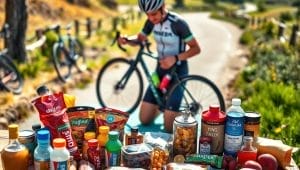
Calculate your carbohydrate needs based on ride intensity. A moderate effort might require 60g per hour, while intense sessions could need 90g. Most energy bars provide 20-25g per serving.
Hydration is equally crucial. Even a 2% loss in body water reduces efficiency. Sipping carbohydrate sports drinks from the start can spare up to 50% of muscle glycogen in the first hour alone.
Time your rides to finish before meals for optimal recovery. Your body absorbs nutrients best immediately after training. This simple timing strategy maximizes your refueling window.
Don’t forget B vitamins for energy production. Load up on whole grains and dark-green vegetables. For more detailed cycling nutrition guidance, explore our specialized resources.
Recovery techniques matter too. Compression gear and foam rolling can reduce next-day soreness by 30%. Save static stretching for after your ride—dynamic warm-ups work better beforehand.
A proper cool-down stretch helps maintain flexibility. Try the Step and Bend or Figure-Four stretch to target key muscle groups. Consistent recovery practices keep you ready for your next ride.
These nutrition and recovery strategies provide the sustained energy you need for consistent performance improvements. Your body will thank you with better results over time.
Wrapping Up: Next Steps for Faster Rides
Your journey to faster rides combines smart training with technical skills. Remember that improvement comes from consistent practice rather than sudden breakthroughs. Focus on developing a smooth pedaling style and maintaining an efficient cadence around 80-90 rpm.
Pay attention to your gear selection and avoid cross-chaining for better power transfer. Monitor your energy levels as early indicators of overtraining needs. Try occasional off-road riding to boost your bike handling skills and balance.
Hill repetitions build climbing strength when practiced regularly. Choose climbs that take a few minutes and repeat them until you notice improvements. These small, consistent efforts lead to significant speed gains over time.
For a systematic approach, consider following a structured training plan that balances intensity with recovery. Celebrate each small victory as you watch your average pace improve. Your dedication to these techniques will transform your riding experience.
FAQ
What’s the quickest way to increase my mph on the bike?
Focus on a combination of interval training and improving your aerodynamics. High-Intensity Interval Training (HIIT) sessions, like short bursts of high effort followed by recovery, build power and endurance. At the same time, practicing a more aerodynamic position on your road bike, such as dropping your elbows and bending your back, can significantly reduce wind resistance, making it easier to maintain higher speeds with the same energy output.
How often should I do strength training to ride faster?
Aim for two sessions per week that target your lower body and core. Exercises like squats and lunges build the muscle power needed for stronger pedal strokes. This off-the-bike work directly translates to more speed and better performance on your rides, helping you push a bigger gear or sustain a faster cadence for longer periods.
Can my bike’s setup really affect my average speed?
Absolutely. Simple maintenance like keeping your chain clean and lubricated reduces friction, while choosing fast-rolling tires with lower resistance makes a noticeable difference. Ensuring your bike is properly fitted to your body also improves power transfer and comfort, allowing you to put more energy into moving forward instead of fighting an inefficient position.
How can I maintain a faster pace into a headwind?
Drafting behind another rider or a group is the most effective tactic, as it can save a tremendous amount of energy. If you’re riding alone, get into a more aerodynamic position by bending your elbows and lowering your torso. Shifting to a slightly harder gear can also help you maintain momentum and power through the resistance more effectively than spinning a very easy gear.
What role does nutrition play in improving my cycling performance?
Proper fueling is crucial for speed. Eating a balanced meal a few hours before your ride and consuming easily digestible carbohydrates during longer efforts provides the energy your muscles need. Staying hydrated is equally important, as even slight dehydration can lead to a significant drop in power and overall performance, making it harder to sustain your target pace.
Aerodynamic positionCycling improvementCycling performanceCycling speedCycling techniquesHill climbingInterval workoutsSpeed training
Hi, I'm Millie a passionate fish enthusiast and blogger. I loves learning about all kinds of aquatic creatures, from tropical fish to stingrays.