
Discover the Fascinating World of Hatchetfish
 Millie Douglas
Updated on: September 3, 2024 .
10 min read
Millie Douglas
Updated on: September 3, 2024 .
10 min read

Welcome to the captivating world of hatchetfish! These fascinating creatures, also known as freshwater hatchetfish, are a popular choice among hobbyists looking to add a unique touch to their home aquariums. With their distinctive body shape, shimmering coloration, and graceful movements, hatchetfish make a delightful addition to any tropical fish collection.

What are Hatchetfish?
Hatchetfish, known for their distinct body shape resembling a hatchet, are fascinating creatures that inhabit the depths of the ocean where light is scarce.
Their unique adaptations allow them to navigate in low-light environments with ease, making them well-suited for survival in such conditions. Despite being small in size, hatchetfish play crucial roles in marine ecosystems as both predators and prey.
These fish have evolved specialized features such as bioluminescent organs that help them attract prey or communicate with other members of their species in the dark depths of the ocean.
Their flattened bodies and silver-colored scales not only aid in camouflage but also contribute to their efficient movement through water.
In addition to their physical characteristics, hatchetfish exhibit interesting behaviors such as vertical migration patterns, where they move up towards the surface at night to feed on plankton and descend to deeper waters during the day to avoid predators. This behavior is essential for maintaining balance within the marine food chain.
Studying hatchetfish provides valuable insights into how organisms adapt to extreme environments and thrive in challenging conditions. Their significance in marine ecosystems highlights the interconnectedness of all living organisms and underscores the importance of preserving biodiversity in our oceans.
Natural History
Exploring the natural history of hatchetfish unveils a plethora of fascinating characteristics and behaviors that make them stand out in the freshwater fish world. Hatchetfish are known for their unique bioluminescent properties, which allow them to emit a soft, eerie glow that helps them navigate their dimly lit habitats. They also exhibit an interesting breeding behavior where the male hatchetfish carries the eggs in a specialized pouch until they hatch. In addition to caring for mystery snails, hatchetfish have also been observed displaying elaborate courtship rituals, making them a truly captivating species to study in the wild.
Belonging to the Gasteropelecidae family, these unique species are renowned for their peculiar body shape that closely resembles a hatchet, hence their common name.
The scientific designation Gasteropelecus sternicla underscores the distinctiveness of these fish. Typically inhabiting shallower waters near the surface, hatchetfish showcase vibrant coloration and intricate markings, captivating hobbyists and aquarists alike.
In their native habitats across Central America, hatchetfish primarily subsist on zooplankton and small aquatic organisms found in proximity to the water’s surface.
Their anatomical adaptations, particularly their pectoral fins and anal fins, facilitate graceful gliding through the water, highlighting their elegance and agility.
These adaptations not only aid in their locomotion but also contribute to their unique hunting techniques and evasive maneuvers against potential predators.
Moreover, hatchetfish are known for their social behavior within their shoals, exhibiting intricate communication patterns and cooperative strategies for foraging and protection.
Their ability to swiftly change directions while swimming adds to their charm and allure as captivating inhabitants of freshwater ecosystems.
Studying the natural history of hatchetfish provides valuable insights into the intricate dynamics of aquatic life and underscores the importance of preserving diverse habitats to ensure the survival of such remarkable species.
Habitat
Hatchetfish, known for inhabiting freshwater environments such as rivers, streams, and flooded forests, typically seek shelter in calm waters with abundant vegetation. These fish have a preference for subdued lighting and are often spotted in the deeper regions of water bodies, closer to the water’s surface.
Their unique physical characteristics, such as their flattened bodies and upward-facing eyes, aid them in navigating through densely vegetated areas where they can find food and protection from predators.
Despite their small size, hatchetfish play a significant role in the ecosystem by serving as both predator and prey in the aquatic food chain. Observing these fascinating creatures in their natural habitats can provide valuable insights into the delicate balance of freshwater ecosystems and the interdependence of species within them.
Size
Hatchetfish, found in various species, are predominantly recognized for their petite stature and characteristic hatchet-shaped bodies. Their distinctive physique allows them to gracefully maneuver just above the water’s surface, assisting them in evading predators effectively.
Known for their tranquil demeanor, hatchetfish have become a favored choice for community tanks due to their ability to peacefully cohabit with a variety of other fish species.
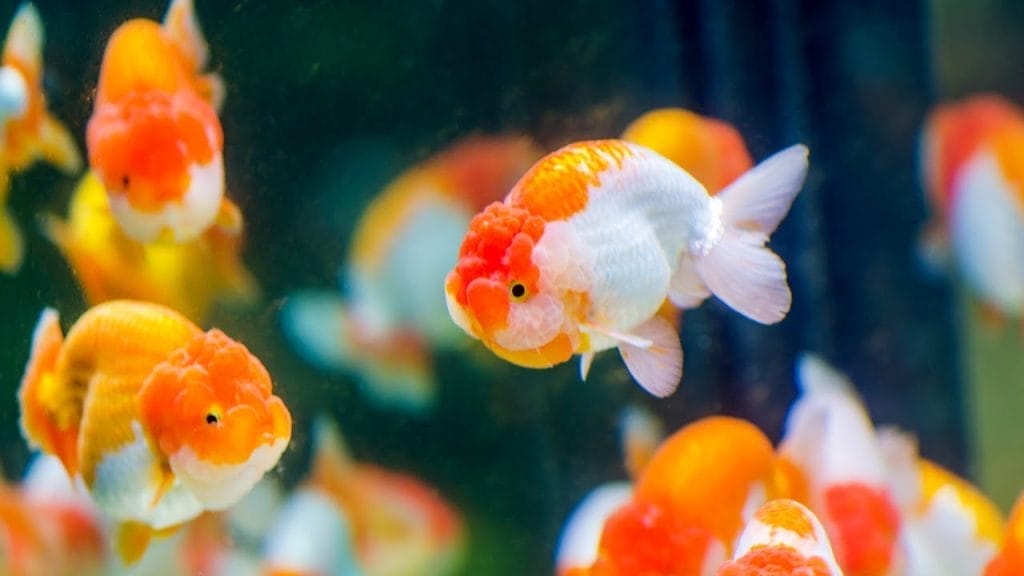
Also Read: Discover the World of Goldfish
Aquarists who opt to keep hatchetfish must ensure the installation of a secure lid on the aquarium. This precaution is essential to prevent these fragile creatures from accidentally leaping out of their aquatic habitat.
Additionally, providing a well-balanced diet rich in small insects and aquatic invertebrates is crucial for maintaining the health and vitality of hatchetfish. Regular water quality checks and ensuring suitable tank conditions are also vital aspects of caring for these unique and captivating fish species.
Origin and Distribution
Hatchetfish, known for their unique body shape resembling an axe, originate from tropical and subtropical regions across the globe. Their flattened bodies are a remarkable adaptation that helps them navigate surfaces, particularly in regions such as South America, Africa, Southeast Asia, and Central America.
These fascinating fish species can be found in various aquatic environments, ranging from rivers to deep-sea habitats, showcasing their versatility in distribution.
One of the remarkable features of hatchetfish is their bioluminescence, which serves multiple purposes including attracting prey and communication within their species. This glowing ability not only aids in hunting but also plays a crucial role in mating rituals and territorial displays.
Due to their distinctive appearance and behavior, hatchetfish have become popular among aquarists as unique additions to freshwater tanks. However, they require specific care due to their sensitivity to water conditions and lighting.
Providing a well-balanced diet and maintaining suitable tank parameters are essential for keeping these captivating fish healthy and thriving in captivity.
In their natural habitats, hatchetfish play important roles in aquatic ecosystems by controlling insect populations and serving as prey for larger predators.
Their ability to inhabit diverse environments highlights their adaptability and evolutionary success as a species. Further research on these intriguing fish can provide valuable insights into underwater ecosystems and the importance of preserving biodiversity in our oceans and waterways.
Colors and Markings
Hatchetfish, known for their residence in freshwater habitats, showcase a captivating spectrum of colors that range from shimmering silvers to golden tones, occasionally displaying iridescent highlights.
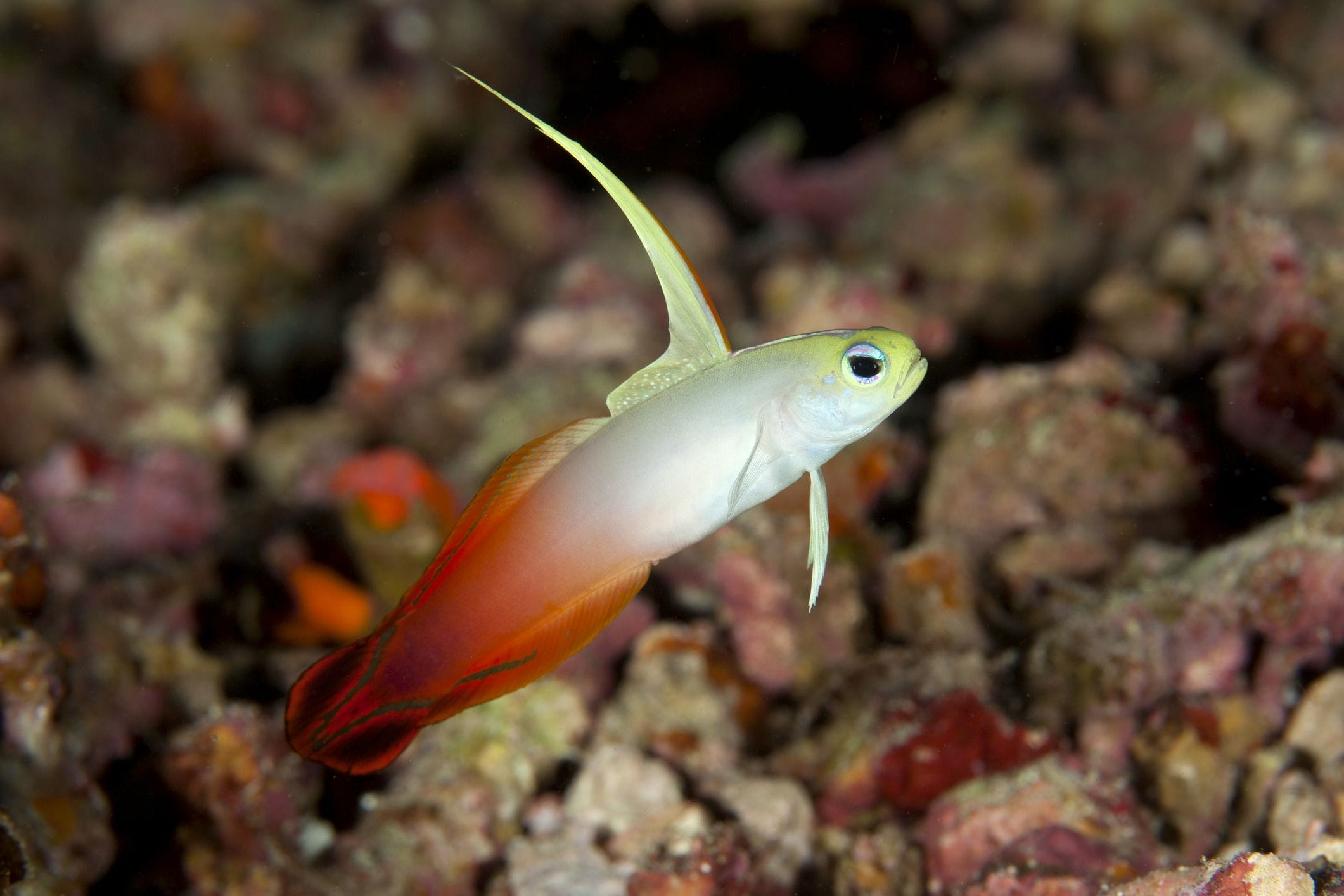
Also Read: Purple Firefish Goby Care Tips and Tricks
Some species of hatchetfish feature distinctive patterns such as spots or stripes, which aid in blending into their natural surroundings for camouflage purposes.
These color variations can signify stages of maturity or serve as a means to attract potential mates, all while acting as a defense mechanism against predators.
Understanding the significance behind these colors and markings plays a crucial role in distinguishing between various species of hatchetfish, whether observed in the wild or within home aquariums.
This knowledge provides enthusiasts and aquarists with valuable insights into the behavior and characteristics of these intriguing aquatic creatures.
By recognizing and appreciating the visual cues displayed by hatchetfish, individuals can deepen their understanding and appreciation for these unique fish species.
Breeding the Hatchetfish
Breeding unique freshwater fish involves creating a specialized tank with floating plants to facilitate egg deposition. External fertilization requires safeguarding the eggs from adult fish to ensure survival.
After hatching, the fry depend on microscopic organisms for nourishment before progressing to larger prey. It is essential to monitor water quality and maintain optimal temperature levels throughout the breeding process to support successful reproduction.
Additionally, providing adequate hiding spots and suitable tank conditions, such as proper filtration and water parameters, can enhance breeding success.
Observing breeding behaviors and adjusting feeding schedules based on the fish’s needs are also vital steps in ensuring a healthy breeding environment.
Furthermore, conducting regular water changes and maintaining a balanced diet for both adult fish and fry contribute to the overall well-being of the breeding population.
By closely monitoring all aspects of the breeding process and making necessary adjustments, breeders can increase their chances of successfully reproducing these unique freshwater fish species.

How to Set Up an Aquarium for Hatchetfish
If you’re considering adding hatchetfish to your aquarium, it’s important to create the ideal habitat for these delicate species. Setting up an aquarium that mimics their natural environment is crucial for their health and wellbeing. Here are some key factors to consider when setting up an aquarium for hatchetfish:
Tankmates
Hatchetfish are peaceful freshwater fish, making them compatible with various species in a community tank. However, it’s essential to choose tankmates that share similar water and habitat requirements. Here are some suitable tankmates for hatchetfish:
- Species of hatchetfish: To provide a closer look at the hatchetfish family, the common hatchetfish (genus argyropelecus) is a popular choice due to its calm nature and compatibility with other tropical fish species.
- Freshwater fish: Many species of tetras, rasboras, and guppies can coexist harmoniously with hatchetfish, creating a vibrant and diverse aquarium.
- Genus Argyropelecus species: Some species of the genus argyropelecus may also be suitable tankmates for hatchetfish, given their comparable size, water temperature, and peaceful temperament.
- Tropical fish: Various tropical fish species, such as angelfish, gouramis, and swordtails, can cohabit peacefully with hatchetfish, adding color and diversity to the aquarium.
- Freshwater shrimp: Shrimp, such as amano shrimp or cherry shrimp, can make interesting companions for hatchetfish, provided the aquarium has ample hiding spots and plants for the shrimp to thrive.
Diet and Feeding Habits
Hatchetfish have unique feeding habits, primarily targeting prey that reside near the surface of the water. Their diet mainly consists of zooplankton, small insects, and other tiny organisms. Here are some key points to consider when feeding hatchet fish:
- In the wild, hatchet fish feed on prey, such as small insects and zooplankton, that reside near the water’s surface.
- In a home aquarium, they can be fed a variety of food, including flake foods, freeze-dried or frozen daphnia, Brine shrimp , or bloodworms, to replicate their natural diet and ensure proper nutrition.
- It’s important to observe the feeding habits of hatchet fish closely, as they prefer to feed from the surface of the water. Providing floating or slowly sinking food will allow them to feed comfortably.
- Hatchetfish are known for their impressive jumping abilities, so it’s essential to ensure a secure lid or cover to prevent accidental escapes during feeding time.

Frequently Asked Questions
What do hatchetfish eat in their natural habitat?
In their natural habitat, hatchet fish primarily feed on insects, small crustaceans, and zooplankton. Their diet consists of live foods like fruit flies and mosquito larvae. Providing a varied diet in captivity is essential to maintain their health and vibrant colors.

Conclusion
In conclusion, setting up an aquarium for hatchet fish involves considerations like choosing suitable tankmates and providing a proper diet. Ensuring a harmonious environment with compatible fish species and offering a varied diet will contribute to the well-being of your hatchet fish.
By mimicking their natural habitat and meeting their dietary needs, you can create a thriving ecosystem in your aquarium. Take the time to research and understand the specific requirements of hatchetfish to set up a successful and enjoyable aquatic environment for these unique fish.
Hi, I'm Millie a passionate fish enthusiast and blogger. I loves learning about all kinds of aquatic creatures, from tropical fish to stingrays.