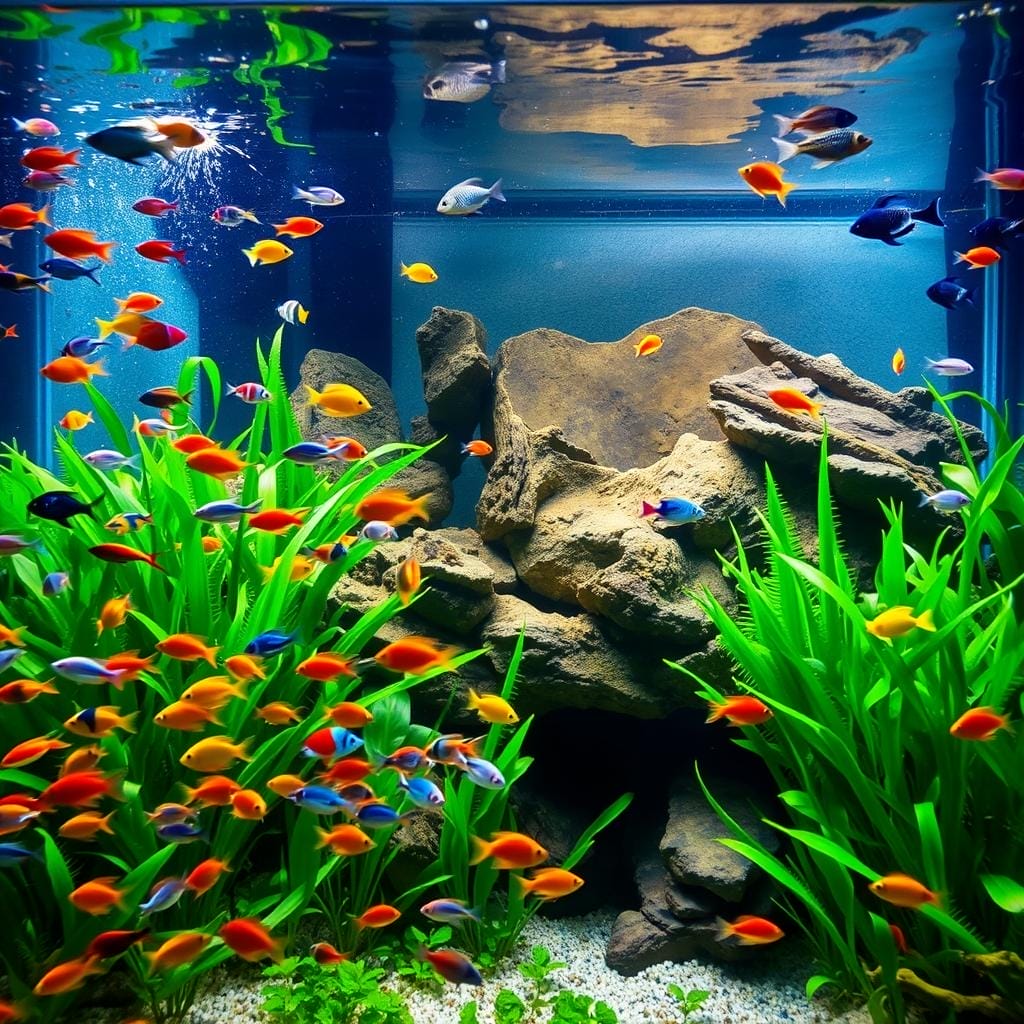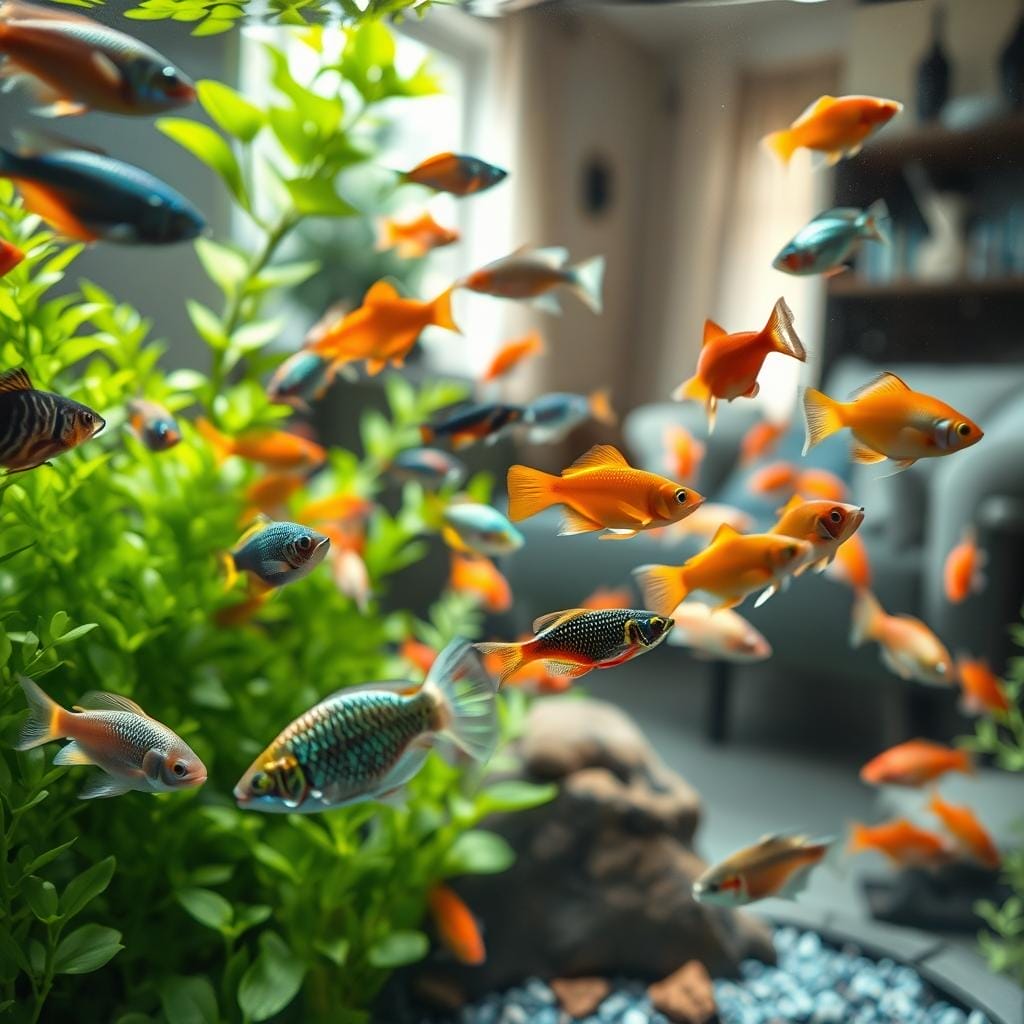

Tropical Fish Care: Tips for Your Aquarium Success
 Millie Douglas
Updated on: December 1, 2025 .
15 min read
Millie Douglas
Updated on: December 1, 2025 .
15 min read
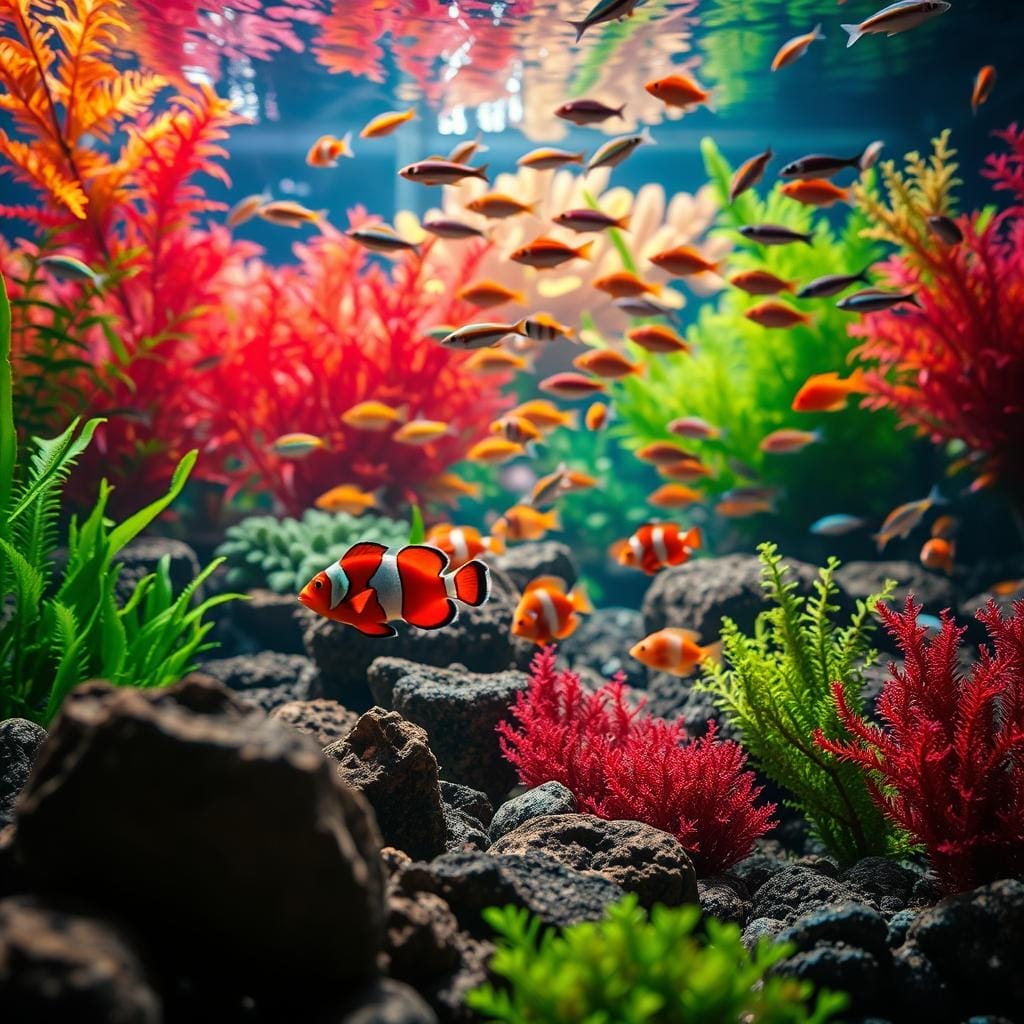
Have you ever wondered if creating a vibrant, healthy underwater world in your home is simpler than it seems?
Welcome to the rewarding hobby of keeping tropical fish. You are about to start an amazing journey. This guide will show you how to set up your first aquarium with confidence.
We break everything into easy steps. You will learn how to choose the right aquatic pets for your experience level. We cover creating the perfect habitat and maintaining excellent water quality.
Our goal is to make care feel manageable and fun. With the right knowledge, you can build a stunning display. It will bring beauty and calm to your space for years.
Let’s dive in together. You can become a successful keeper who provides the best life for these fascinating creatures. Your success starts right here.
Understanding Tropical Fish: The Basics for Aquarium Success
Before selecting your new underwater companions, it’s essential to grasp what makes tropical species unique. These captivating creatures originate from warm equatorial waters, which means they need consistent heat to thrive in your home environment.
Key Characteristics of Tropical Fish
Your aquarium’s temperature should stay between 75-80°F for most species. Some varieties prefer slightly warmer conditions. Understanding these temperature needs is crucial for their health and vitality.
Different fish species vary dramatically in size, temperament, and care requirements. Some are peaceful community dwellers while others need more specific conditions. Recognizing these differences helps you create a harmonious tank.
Exploring Varieties and Colors
You’ll discover an incredible wide variety of shapes, patterns, and brilliant colors among these aquatic pets. From electric blues to vibrant reds, nature’s palette is truly spectacular. Each species displays unique visual characteristics.
These stunning colors serve important purposes in the wild. They help with mating displays, camouflage from predators, and establishing social hierarchies. By understanding these natural behaviors, you can better appreciate your fishes’ fascinating displays.
Best Tropical Fish for Beginners
The perfect starter fish will help build your confidence while creating a beautiful underwater display. Beginning with species known for their resilience and adaptability ensures your first aquarium experience remains positive and rewarding.
Popular Species Like Betta Fish and Neon Tetras
Betta fish stand out as stunning choices that reach 3-4 inches. These vibrant creatures need warm water between 78-82°F to thrive. Remember to keep only one male per tank to prevent aggression.
Neon tetras bring brilliant color with their electric blue stripes and red accents. At just 1.5 inches, they flourish in small schools within heated aquariums. Their small size makes them perfect for compact setups.
Guppies offer incredible variety and reach up to 2 inches. They adapt well to different conditions and accept most foods. Separate males and females to manage population growth.
Danios provide energetic movement and tolerate cooler temperatures than most tropical species. These peaceful fish do best in groups of four to six individuals.
Why These Fish Are Ideal for New Aquarists
These species offer easy care requirements that forgive minor mistakes. They adapt quickly to new environments and don’t demand precise water parameters. This flexibility helps you learn without overwhelming pressure.
Your chosen fish species reward you with active behavior and colorful displays. Their manageable size and peaceful nature create harmonious community tanks. Starting with these beginner-friendly options sets you up for long-term success.
Selecting the Ideal Aquarium Setup
Your aquarium’s success depends heavily on selecting the right habitat components before introducing any inhabitants. Proper planning creates a stable environment where your aquatic pets can thrive.
Choosing the Right Tank Size and Heater
Selecting the correct tank size is your first critical decision. Always plan for your fish’s adult dimensions, not their juvenile store appearance. Many aquatic species grow significantly larger than they initially appear.
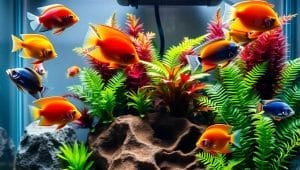
A larger aquarium offers more stable water conditions. Bigger volumes are more forgiving of minor chemistry fluctuations. This makes maintenance easier for beginners.
Your heating system is equally important. Tropical species require consistent warm temperatures to stay healthy. Invest in a reliable heater that can maintain stable conditions.
Consider keeping a backup heater on hand, especially in colder climates. Temperature fluctuations can stress your aquatic pets. A quality thermometer lets you monitor conditions daily.
Place your setup away from windows and vents. These can cause temperature swings that challenge your heating system. A tight-fitting lid prevents evaporation and keeps jumpers safely inside.
By carefully planning your tropical aquarium from the start, you create a foundation for long-term success. Your thoughtful setup decisions will reward you with healthy, vibrant aquatic companions.
Water Quality and Aquarium Maintenance
Beyond temperature and tank size lies the most critical component for long-term aquarium health. Your water quality determines everything from your pets’ coloration to their lifespan. Maintaining excellent conditions prevents stress and disease while promoting natural behaviors.
Importance of Filtration and Regular Cleaning
Your filtration system works tirelessly as your tank’s silent guardian. It removes waste, excess food, and harmful chemicals constantly. Choose a filter rated for your aquarium size and maintain it regularly.
Beginner-friendly species tolerate various parameters, but consistency matters most. Test your water weekly for ammonia, nitrite, nitrate, and pH levels. This early detection prevents problems before they affect your aquatic pets.
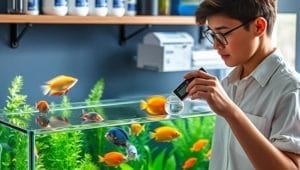
Perform partial water changes of 20-25% weekly. This simple task removes toxins while replenishing essential minerals. Your commitment to this routine creates a stable environment where your pets thrive.
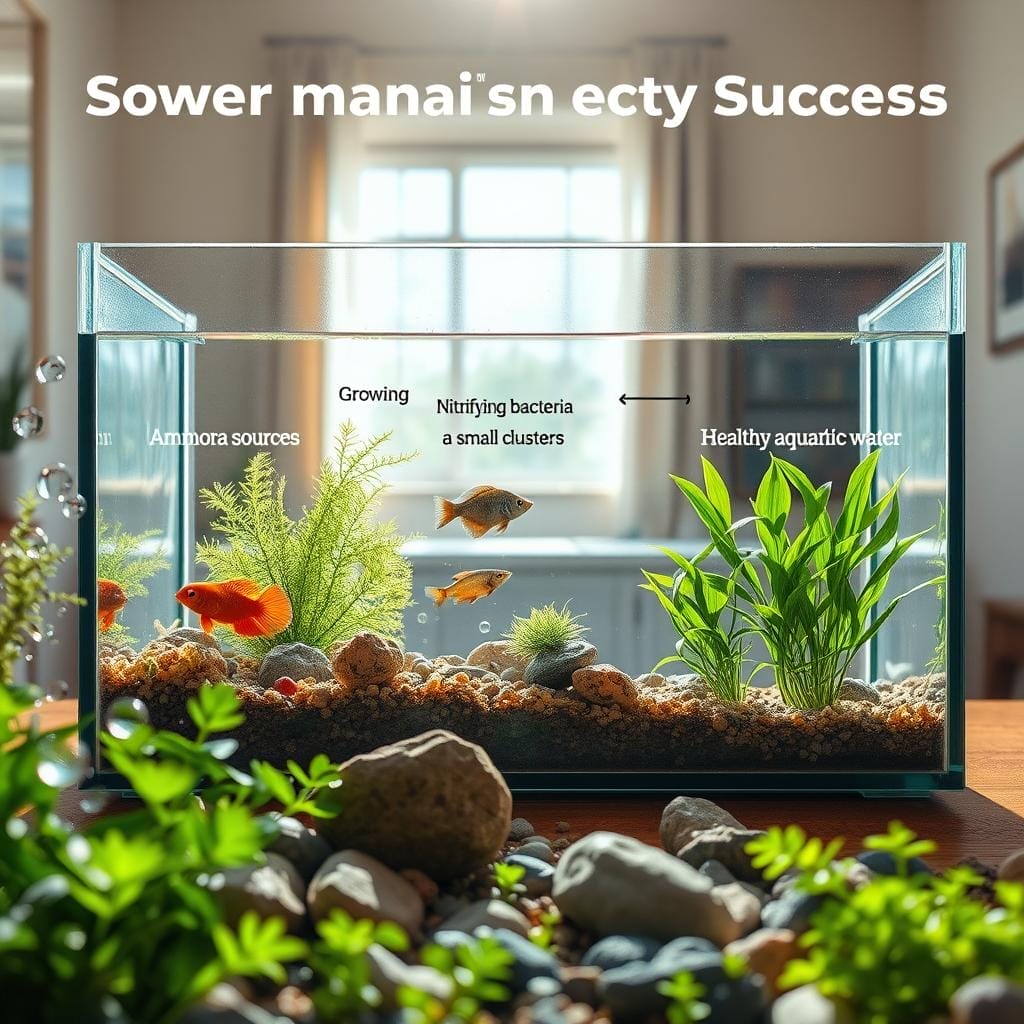
Avoid overstocking your aquarium and add new inhabitants gradually. This allows your beneficial bacteria to process increased waste properly. Proper feeding habits also reduce maintenance demands significantly.
By establishing consistent care habits, you create a habitat where your fish display vibrant colors and active behaviors. Your attention to water quality represents the foundation of successful aquarium keeping for all species.
Feeding Your Tropical Fish Right
Understanding your fish’s dietary needs ensures they thrive in their aquatic home. Proper feeding habits prevent common problems while keeping your pets healthy and vibrant.
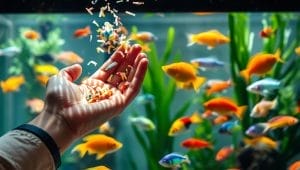
Overfeeding is the most frequent mistake new keepers make. It leads to water quality issues and health problems. Remember: less is often better than more when it comes to fish food.
Follow this simple rule: offer only what your aquatic pets can consume in 2-3 minutes. Watch to ensure everyone gets their share. Remove any uneaten food promptly to maintain clean water.
High-quality commercial flakes or pellets provide balanced nutrition for most species. These products simplify feeding while meeting nutritional requirements.
Your betta requires special attention during meals. These beautiful creatures tend to overeat. Stick to just a few pellets per feeding, offering meals once or twice daily.
Enhance their diet with occasional treats like:
- Frozen brine shrimp
- Freeze-dried bloodworms
- Blanched vegetables
You’ll notice increased activity and brighter colors when feeding appropriate amounts. Consistent, nutritious meals create thriving aquatic companions that bring joy to your home.
By developing good habits from the start, you prevent obesity and maintain excellent water conditions. Your careful attention to feeding supports long-term aquarium success.
Choosing Compatible Tank Mates for a Peaceful Community
The secret to a thriving aquarium lies in selecting compatible species that create a peaceful community. Your careful planning ensures all inhabitants get along well and reduce stress in your underwater world.
Mixing Different Fish Species Wisely
Your success with community fish depends on matching temperaments and sizes. Choose tank mates that occupy different water levels to minimize competition.
Bettas get along well with small, fast-swimming companions like tetras and rasboras. Avoid pairing them with fin-nippers that might cause conflict.
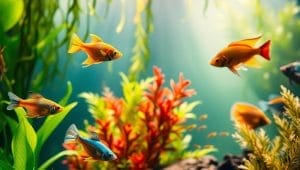
Schooling species like neon tetras thrive in groups and make excellent community fish. They coexist peacefully with guppies and corydoras catfish when given proper space.
Research each species’ behavior before introducing new tank mates. Your peaceful community will flourish when all inhabitants have similar requirements and compatible personalities.
For detailed guidance on creating harmonious combinations, explore our comprehensive freshwater fish compatibility guide. This resource helps you build the perfect balanced aquarium where every species gets along.
Creative Aquascaping and Tank Decorations
Your tank’s decorations do more than just look pretty—they create essential habitats for your aquatic pets. When you design with purpose, you build both beauty and functionality into your underwater world.
Also Read: Common Aquarium Problems and How to Fix Them
Different species have unique habitat preferences. Neon and cardinal tetras enjoy varied décor and plants, while Pearl Gouramis prefer heavily planted environments. Bottom dwellers like cories need open substrate for foraging, plus caves for shelter.
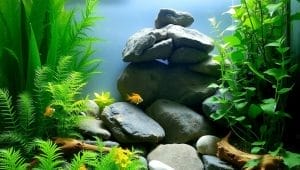
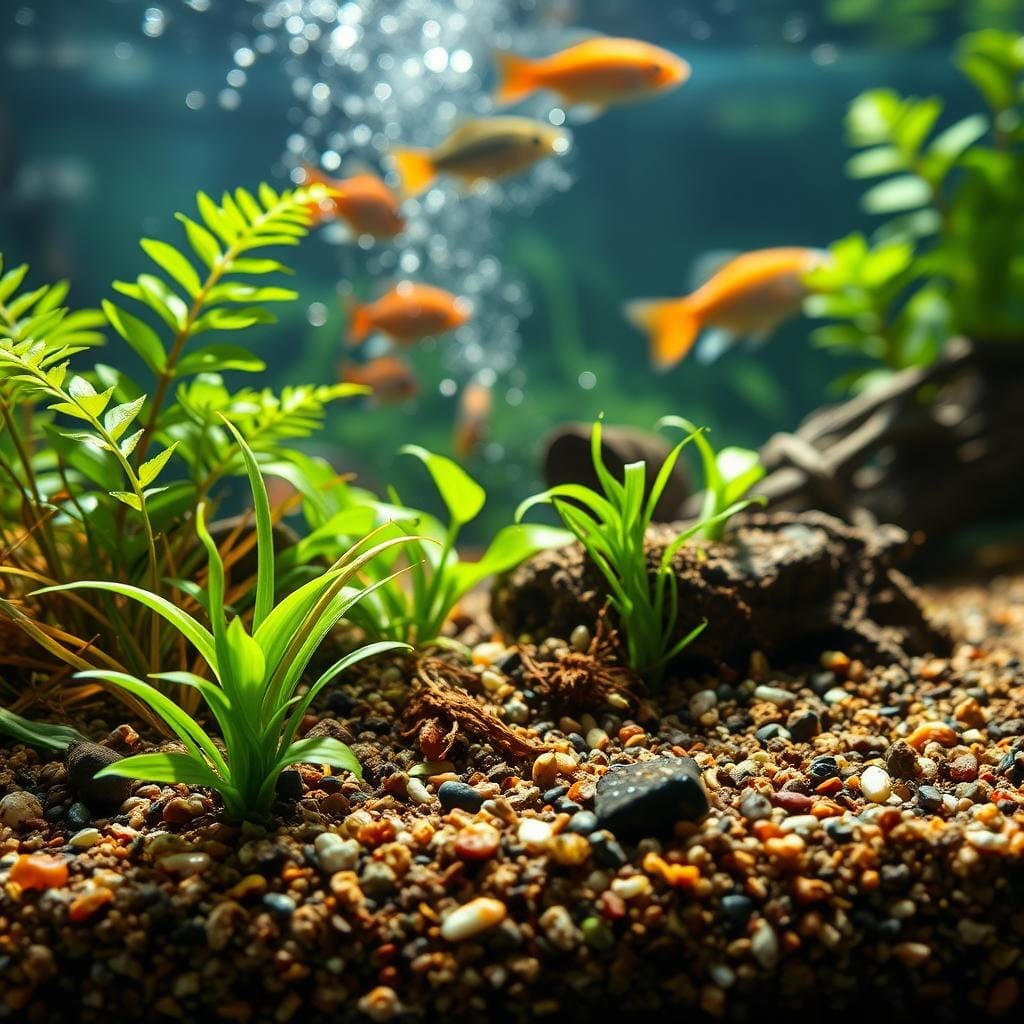
You’ll enhance your fish’s vibrant colors by choosing backgrounds that contrast with their natural pattern. Bright specimens look most striking against dark substrates and complementary décor arrangements.
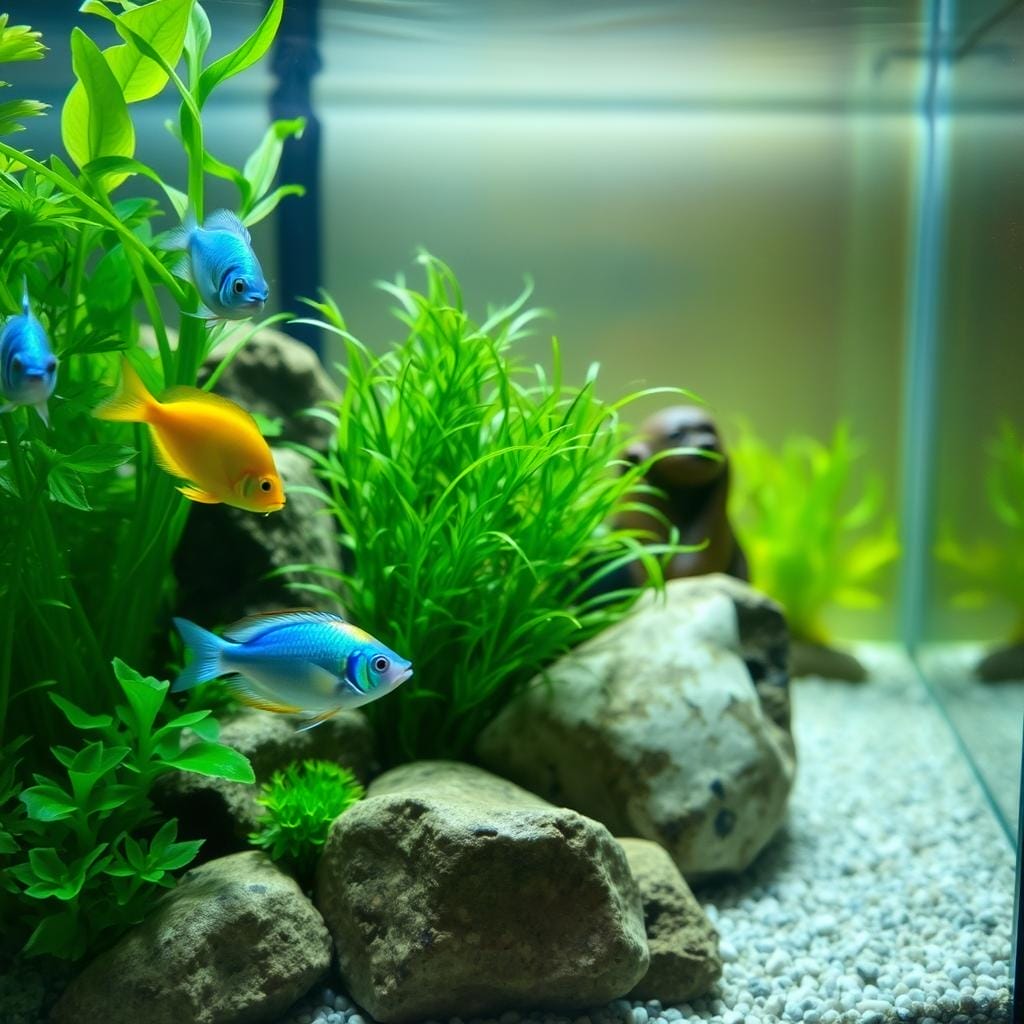
Creative aquascaping reduces stress by providing hiding spots and territorial boundaries. Shy species feel secure with planted areas for retreat, while aggressive fish benefit from visual barriers that minimize conflict.
By exploring different aquascaping styles, you can create a healthier environment where your tropical fish display natural behaviors. Your thoughtful design choices make the tank both visually stunning and functionally perfect for its inhabitants.
Recognizing Signs of Stress and Disease in Tropical Fish
Spotting early warning signs can make all the difference between a minor issue and a serious health problem. Your daily observations help you catch concerns before they escalate.
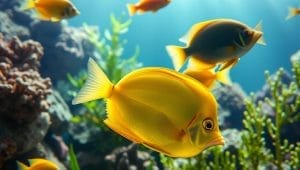
Watch for physical changes like clamped fins, faded colors, or unusual spots on the body. Behavioral shifts such as constant hiding or gasping at the surface also signal trouble.
Identifying Common Health Issues
Your aquatic pets may show distress through torn fins, cloudy eyes, or bloating. Sometimes natural changes like breeding coloration can be mistaken for disease.
Red coloration around gills or the body often indicates inflammation. Understanding these signals helps you respond appropriately to your pet’s needs.
Tips to Prevent Overfeeding and Water Issues
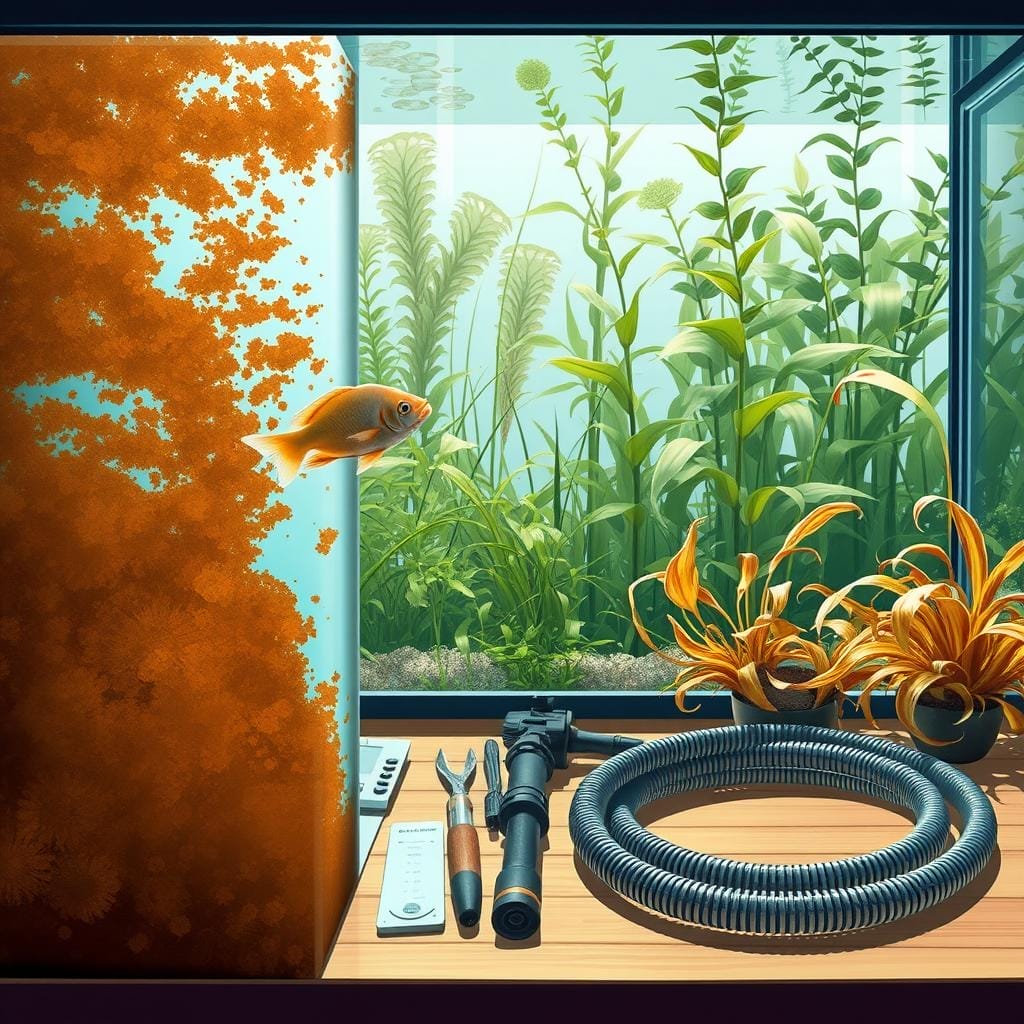
Most health problems stem from poor water conditions. Maintaining excellent quality and consistent temperatures is your best defense against disease.
Prevent overfeeding to avoid digestive problems and water contamination. Healthy specimens are active during meals, while sick ones often ignore food.
By establishing good habits, you create an environment where minor issues don’t become major concerns. Your careful attention helps prevent aquarium fish stress and keeps your tank thriving.
Expert Care Tips for Tropical Fish
Elevating your fishkeeping expertise involves adopting professional habits that prevent common pitfalls. These advanced techniques ensure your aquatic pets thrive for years to come.
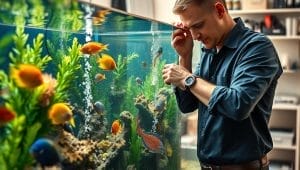
Make research your first step before adding any new species. Check compatibility, adult size, and specific requirements to avoid problems later. This habit transforms you into a more successful keeper.
Resist the temptation to overstock your tank. Remember that more inhabitants isn’t always better. Overcrowding leads to stress, aggression, and water quality issues that harm your community.
Build your aquarium population gradually over weeks or months. Add new fish a few at a time. This allows your biological filtration to adjust properly to increased waste.
Always keep backup equipment ready, especially in colder climates. A second heater prevents temperature emergencies if your primary one fails. Regular equipment checks catch problems before they become crises.
Quarantine new arrivals in a separate tank for 2-4 weeks. This simple step prevents disease introduction to your established community. Your dedication to these practices ensures long-term success.
By following these expert strategies, you create an environment where all your tropical freshwater fish thrive. Consistent care brings years of enjoyment from your beautiful underwater world.
Seasonal Adjustments for a Thriving Aquarium
Your aquarium doesn’t exist in isolation—seasonal shifts in your home environment require proactive care strategies. As outdoor conditions change, your tank needs thoughtful adjustments to maintain stable conditions.
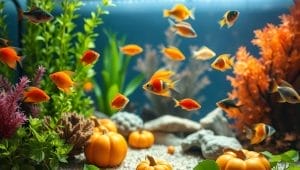
Summer brings warmer room temperatures that can overheat your aquatic environment. You might need to use fans or adjust your air conditioning to prevent excessive warmth. Monitor your thermometer closely during heat waves.
Winter presents different challenges with colder ambient air. Your heater works harder to maintain proper temperatures. Keep a backup heater ready, especially in cold climates where power outages are more likely.
Prepare for emergencies with battery-powered air pumps and insulating materials. These simple tools can maintain your tank during temporary power losses. Your preparedness ensures your fish stay comfortable.
Adjust feeding schedules as temperatures fluctuate. Warmer water increases metabolism, while cooler conditions slow digestion. Watch your fish’s appetite to guide portion sizes.
Winter heating systems increase evaporation rates significantly. You’ll need more frequent water top-offs with dechlorinated water. This maintains proper levels and mineral balance.
By staying aware of seasonal factors, you create year-round stability for your aquatic companions. Your proactive approach ensures your tropical fish thrive regardless of external conditions.
Understanding the Behavior and Social Dynamics of Tropical Fish
Observing your aquarium’s social life reveals fascinating insights into how fish interact and communicate. Many species are naturally social creatures that feel most secure when kept in groups.
You’ll notice confident behavior and vibrant colors when your pets are with their own kind. This social pattern enhances their quality of life significantly.
Schooling Behaviors and Interaction Patterns
Your schooling fish like tetras and danios need groups of at least six individuals. They swim together in coordinated patterns that create beautiful, flowing movement.
When you watch carefully, you’ll recognize individual personalities and social hierarchies. Males often display their best colors to attract attention or establish dominance.
Some species like bettas are naturally solitary and territorial. Others like corydoras thrive in groups where they interact naturally.
Your fish’s body language tells you about their social dynamics. Fins held high indicate confidence, while clamped fins suggest stress.
Keeping appropriate group sizes reduces aggression and stress. This ensures schooling species form natural hierarchies without concentrating aggression on individuals.
By understanding these behavior patterns, you create compatible communities. Natural interactions enhance each fish’s quality of life in your aquarium.
Advanced Techniques for Aquarium Success
Taking your aquarium skills to the next level involves understanding the fascinating world of fish reproduction and gender differences. This knowledge helps you manage your aquatic community more effectively and opens up new possibilities in your hobby.
Breeding Insights and Gender Identification
You can easily distinguish male and female fish once you know what to look for. Males typically display brighter colors and longer fins than females. Their body shape is often slimmer and more streamlined.
Live-bearing species like guppies and mollies breed readily in home aquariums. Female guppies have rounder bellies while males show more vibrant colors. Male mollies develop an elongated anal fin called a gonopodium.
Your ability to identify genders becomes crucial for population control. A single female can produce dozens of babies every few weeks. Separating males and females prevents unexpected overcrowding.
Watch for breeding behaviors like chasing and fin-spreading. Males may develop red tints to their fins when ready to breed. Understanding these signs helps you manage reproduction effectively.
By mastering gender identification, you gain greater control over your aquarium’s future. This advanced skill enhances your enjoyment while ensuring a healthy, balanced community.
Wrapping Up Your Aquarium Journey Successfully
Your journey into creating a thriving aquatic world is now well underway. You have learned the essentials, from choosing hardy species to mastering water quality. With consistent care, your pets can enjoy long, healthy lives.
Many popular fish like guppies and bettas live for 2-5 years. Some species can thrive for over a decade. Your dedication is the key to their longevity.
Success comes from simple, regular habits. Stick to a feeding schedule and perform weekly water changes. Daily observation lets you spot small issues early.
This rewarding hobby brings years of relaxation and beauty. As your confidence grows, you might explore new challenges. You can even learn how to move a fish tank for future changes.
You have built a solid foundation for a beautiful, healthy aquarium. Your commitment ensures a wonderful experience for both you and your aquatic companions.
FAQ
What are the most important things to consider when choosing my first aquarium species?
Focus on peaceful community fish that are known for their easy care and hardiness. Look for species that get along well with others and can thrive in a stable water quality environment. Popular choices for beginners include neon tetras and danios, which are best kept in groups and adapt well to life in a tropical aquarium.
How do I ensure different varieties in my tank get along well?
Research is key! Always check the temperament, adult size, and preferred water parameters of any new species before adding them. Peaceful community fish like guppies and certain tetras generally make excellent tank mates. Avoid mixing fin-nippers with long-finned species like betta fish to prevent stress and injury.
What is the ideal tank size for a small school of colorful species?
A good starting point is a 20-gallon aquarium. This size provides ample swimming space and allows for stable water conditions, which is crucial for the health of your aquatic pets. It can comfortably house a small school of neon tetras or a community of smaller peaceful fishes. Remember, a larger volume of water is always easier to maintain than a small one.
How often should I feed my aquatic pets, and what is the best fish food?
Most species do well with being fed small amounts once or twice a day. Offer only what they can consume in about two minutes to prevent overfeeding, which pollutes the water. A high-quality flake or micro-pellet food is suitable for many community fish. For optimal health and vibrant colors, you can supplement their diet with occasional frozen or live foods.
Can I keep a betta fish with other tank mates?
It is possible, but you must choose its companions very carefully. Male bettas, in particular, can be territorial. They often get along best with very peaceful, fast-moving, and non-flashy bottom-dwellers like Corydoras catfish. Never house two male bettas together, and always have a backup plan in case the community doesn’t work out.
What are the signs of stress I should watch for in my aquarium?
Common signs include loss of appetite, hiding constantly, rapid gill movement, rubbing against decorations (flashing), or clamped fins. Changes in color pattern can also indicate a problem. These symptoms often point to issues with water quality, incompatible tank mates, or disease, so it’s important to investigate promptly.
Aquarium maintenanceAquarium successFish tank tipsFreshwater fish careTank water qualityTropical Fish Care
Hi, I'm Millie a passionate fish enthusiast and blogger. I loves learning about all kinds of aquatic creatures, from tropical fish to stingrays.