
Your Dream Aquarium on a Budget: cheap tank ideas Inside
 Millie Douglas
Updated on: December 1, 2025 .
13 min read
Millie Douglas
Updated on: December 1, 2025 .
13 min read
Have you ever looked at a stunning aquatic setup and thought, “I could never afford that”? Many people believe creating a beautiful underwater world requires deep pockets. But what if that’s just a common misconception?
The truth is, building an amazing aquatic environment often comes down to smart planning and creativity rather than expensive equipment. You can absolutely create a thriving habitat that brings you daily joy without straining your budget.
This guide will show you how professional aquarists maximize their resources. We’ll explore practical strategies that work in real-world applications. You’ll discover specific species recommendations and DIY solutions that save money.
Whether you’re new to this wonderful hobby or looking to expand your collection, these approaches will empower you. You’ll learn to build a sustainable, beautiful aquatic environment that fits comfortably within your means.
Let’s begin your journey toward creating the aquatic setup you’ve always wanted. Your dream aquarium is closer than you think!
Unlocking Affordable Creativity in Aquarium Design
Smart aquarium design starts with understanding exactly what you want to achieve. Taking time to plan prevents expensive mistakes and ensures every purchase serves a purpose.
Understanding Your Aquarium Needs
Before spending any money, clarify your goals for this aquatic project. Do you want a lush planted display, a breeding setup, or a simple community environment?
Your specific needs will determine the right equipment and species choices. This thoughtful approach is the best way to build a sustainable setup that brings you joy.
Exploring Nano and Compact Tank Inspirations
Small fish tanks between 5-20 gallons offer wonderful opportunities for creativity. They require less water, smaller equipment, and fit perfectly in limited spaces.
Even with compact dimensions, your design options are virtually endless. You can create minimalist aquascapes or vibrant shrimp colonies that become stunning focal points.
Consider your available space and maintenance time when choosing your aquarium size. The right fit will make your hobby more enjoyable and cost-effective long-term.
Innovative cheap tank ideas for Your Underwater Haven
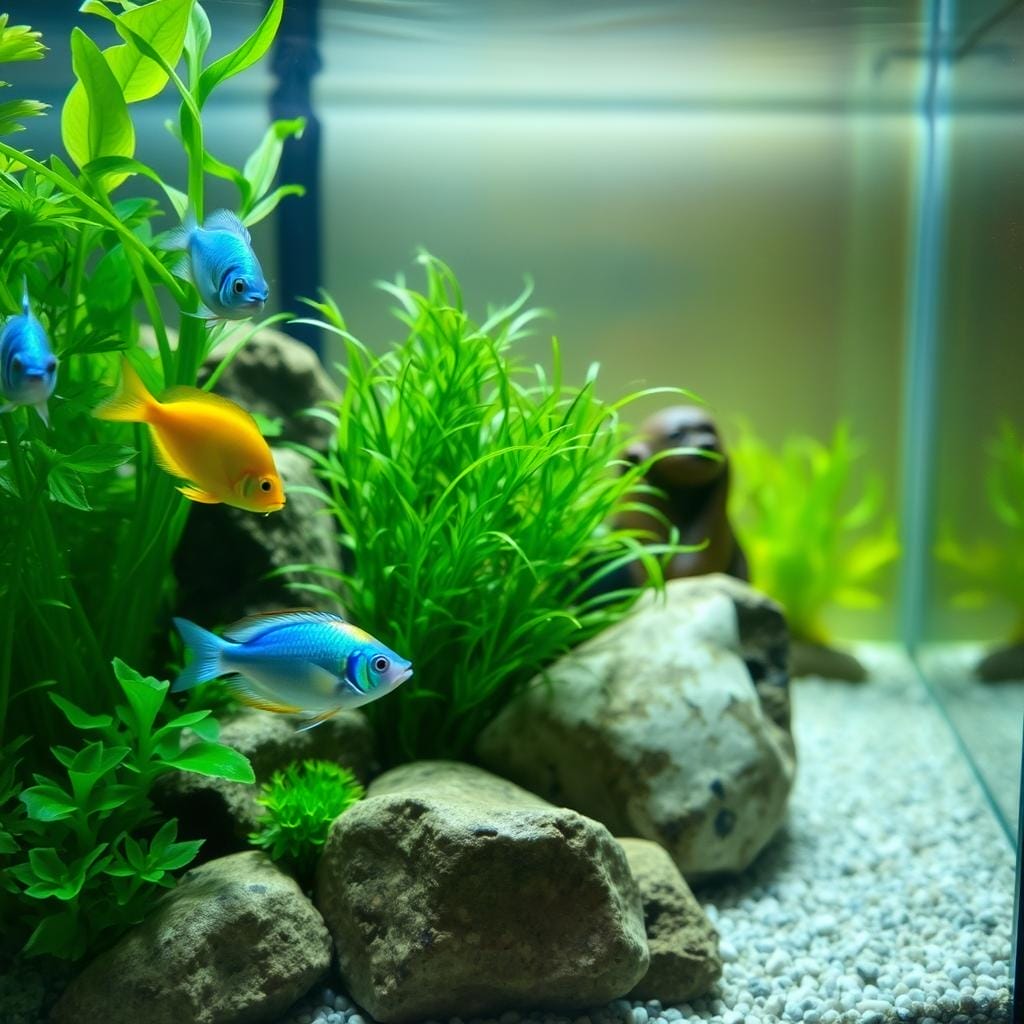
You can achieve professional-looking aquascapes by focusing on smart material choices and DIY solutions. The key is planning your design before making any purchases.
Budget-Smart Aquascaping Techniques
Start by browsing online for aquascape inspiration that fits your vision. Sketch your design and create a detailed shopping list to avoid impulse buys.
When setting up your hardscape, arrange rocks and driftwood in the dry aquarium first. This establishes the foundation of your design. Using consistent types of wood and stone creates a cohesive, natural appearance.
This approach saves you time and money by getting the structure right before adding water. Your investment goes toward healthy plants and quality livestock instead of expensive decorations.
DIY Options and Material Alternatives
You don’t need specialized aquarium furniture for your setup. A sturdy table or shelf can support your aquatic environment if it handles the weight.
Substrate choices extend beyond pet store products. Properly prepared sand, dirt, and stones from alternative sources work well for many plants and fish.
DIY projects open creative possibilities where ingenuity replaces costly purchases. Building backgrounds or crafting decorations lets you personalize your underwater world while staying within budget.
Budget-Friendly Aquascapes and Planted Tank Inspirations
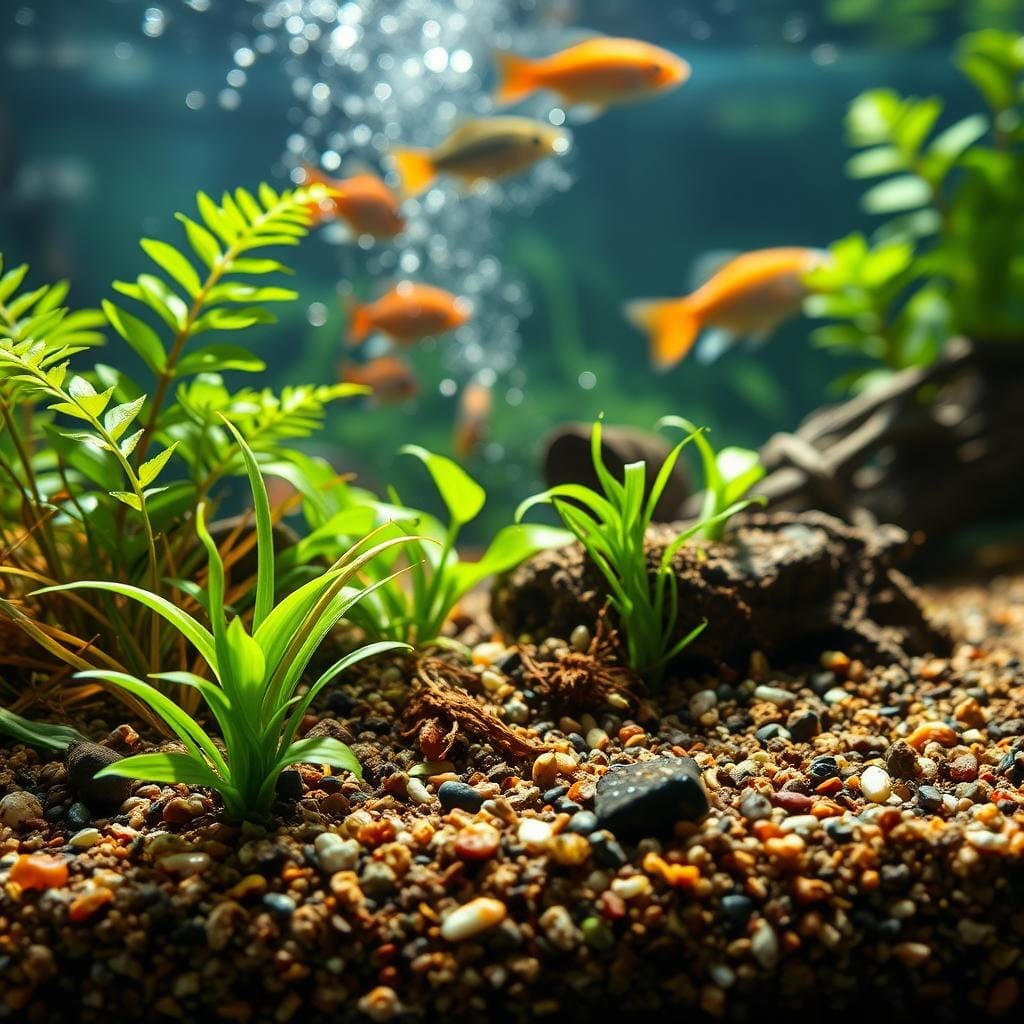
Your journey into planted aquariums becomes rewarding when you approach it with a clear vision and practical steps. Starting with a smaller setup between 5-20 gallons lets you experiment without overwhelming costs. This size requires fewer plants and less equipment while still creating stunning visual impact.
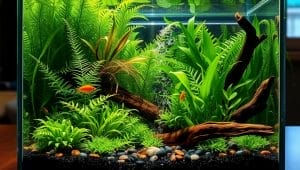
The magic happens when you combine natural elements thoughtfully. Using rocks and driftwood as your foundation creates depth and character. Live plants then transform your aquarium into a living ecosystem that evolves beautifully over time.
Step-by-Step Aquascape Planning
Begin by sketching your design on paper before purchasing materials. This prevents buying unnecessary items and ensures every element serves a purpose. Consider your substrate depth and where each plant species will thrive.
Place shorter plants toward the front and taller varieties in the back for optimal visibility. This simple technique gives your planted tank professional depth without complex arrangements. Choose beginner-friendly plants that grow well without expensive fertilizers or special lighting.
Instead of buying many plants initially, purchase just one or two of each species. Learn propagation techniques to multiply your collection naturally. This patience saves money while creating a mature look as your plants fill in the space.
Keep your tank clean by adding natural helpers like amano shrimp or nerite snails. These creatures control algae growth without chemical treatments. Your planted tank becomes a self-maintaining ecosystem that brings daily joy.
Centerpiece Tanks: Focal Points Without Overinflating Costs
A centerpiece tank highlights one special fish that becomes the undeniable focal point of your aquatic world. This approach creates stunning visual impact while keeping your budget manageable. You’ll focus your resources on creating the perfect environment for your star performer.
Choosing the Perfect Spotlight Species
Selecting the right centerpiece fish is crucial for your success. For smaller aquariums holding 5-20 gallons, choose species that reach a maximum of 3 inches in length. This ensures your featured fish has adequate swimming space to thrive.
Betta fish make excellent beginner choices with their incredible hardiness and stunning color varieties. Their semi-aggressive nature means they often do best as solitary “wet pets” in a simple 5-gallon setup with a gentle sponge filter and heater.
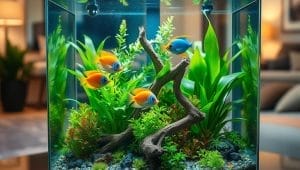
Smaller gourami species offer wonderful alternatives to bettas. Honey gouramis and sparkling gouramis have peaceful temperaments that work beautifully in community setups. Their unique blimp-like bodies and bold personalities create captivating focal points.
Minimal Decor for Maximum Impact
Keeping decorations simple actually enhances your centerpiece tank’s appeal. A few carefully placed plants and a basic hardscape create an elegant backdrop without visual clutter. This approach ensures your featured fish remains the clear star of the show.
Of course, you can keep your centerpiece fish alone to simplify maintenance and reduce costs. This minimalist approach lets you invest in quality equipment and proper care for your single spectacular species. Your aquarium becomes a living work of art centered around one magnificent fish.
Creating Engaging Shrimp and Nano Species Setups
Discover the fascinating world of nano species and shrimp colonies. These small-scale environments offer immense enjoyment and visual appeal.
They provide a unique perspective on aquatic life. You can observe intricate behaviors up close.
Neocaridina Shrimp Care and Compatibility
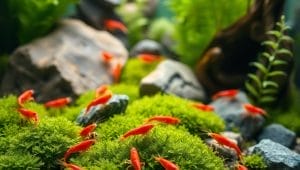
It’s important to know that most fish view dwarf shrimp as food. This includes popular choices like bettas and gouramis.
For their safety, a dedicated shrimp-only aquarium is the best approach. A 10 or 20-gallon setup is perfect for a thriving colony.
If you’re new to shrimp, start with hardy Neocaridina varieties. Our red cherry shrimp beginner’s guide is a great resource.
These shrimp are forgiving and adapt to a wide range of water conditions. They don’t even need a heater, thriving at room temperature.
Your key to success is patience. Allow your new tanks to mature fully before adding shrimp.
A seasoned aquarium has beneficial biofilm and microfauna. Healthy plants and some algae growth are positive signs.
This natural environment provides a constant food source. Your shrimp will graze happily, displaying their vibrant colors and active swarming behavior.
Creating this specialized habitat is incredibly rewarding. You’ll be captivated by the non-stop activity of these captivating species.
Shell Dweller and Compact Cichlid Tank Concepts
Witnessing the industrious nature of shell dweller cichlids transforms a simple aquarium into a dynamic underwater neighborhood. If you’ve never kept African cichlids, you’re in for a delightful surprise.
Species like Neolamprologus multifasciatus and N. similis bring big personality to a modest 20-gallon long setup. Their unique breeding habits and constant redecorating provide endless fascination.
Designing Ideal Habitats for Shell Dwellers
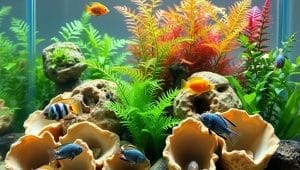
Creating a perfect home for these little architects is straightforward and affordable. Your focus is on replicating their natural lakebed environment.
Start with a deep layer of fine aragonite sand. This soft substrate allows your fish to dig and burrow to their heart’s content. It’s a key part of their natural behavior.
You’ll need to add a few essential elements to keep your colony happy:
- Tall rocks placed to break lines of sight, reducing territorial disputes.
- At least 3-4 extra-large escargot shells per adult fish for hiding and breeding.
- A stable water quality maintained with regular partial changes.
You won’t spend a lot on food for these fish. They thrive on crushed flakes, nano pellets, and frozen treats like bloodworms.
The ultimate reward is seeing a cloud of tiny fry emerge near the shells. This proves you’ve created an ideal environment. For more inspiration on compact setups, explore our guide on small aquarium ideas.
Make sure your tank is dedicated solely to this captivating species. This specialization is the secret to their thriving success and your viewing pleasure.
Smart Buying Tips for Affordable Aquarium Equipment
Smart shopping strategies can transform your aquarium budget, allowing you to acquire premium gear without the premium price tag. The right approach lets you build a beautiful setup while keeping costs manageable.
Connecting with experienced enthusiasts opens doors to incredible opportunities. Fellow hobbyists often upgrade their equipment and happily pass along quality items at friendly prices.
Finding Quality Used Tanks and Gear
Purchasing pre-owned equipment is one of the smartest ways to stretch your budget. Always inspect each piece carefully before committing to any purchase.
Check glass tanks for hairline cracks and ensure silicone seals remain intact. Test electrical components like heaters and filter units to verify they function properly.

Your local pet store often runs seasonal sales that offer significant savings. Building relationships with staff at your favorite place means you’ll hear about upcoming discounts first.
Online forums and aquarium clubs host swap meets where you can find amazing deals. This way of shopping connects you with a couple of knowledgeable people who share your passion for the hobby.
Also Read: Common Aquarium Problems and How to Fix Them
DIY Maintenance and Cost-Cutting Solutions
Make sure to choose beginner-friendly fish and plants that thrive with simple care. This type of approach reduces long-term maintenance expenses significantly.
Hardy species require less specialized equipment and fewer supplements. You’ll save money on fertilizers, CO2 systems, and complex lighting setups.
Creating your own filter media and learning plant propagation techniques cuts ongoing costs dramatically. The aquarium community generously shares knowledge and resources to help newcomers succeed beautifully.
Alternative Tank Solutions: Upcycling and Unconventional Ideas
When functionality matters more than appearance, unconventional containers can become surprisingly effective aquatic homes. You might discover that everyday items serve your aquarium needs perfectly.
Exploring Safe Plastic and Totes for Frag Tanks
Rubbermaid totes and food-grade plastic bins offer excellent alternatives to traditional glass tanks. These containers work wonderfully for breeding projects, quarantine systems, and coral propagation.
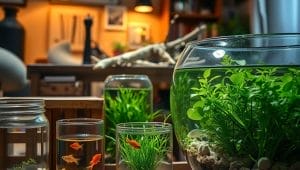
Safety is your top priority when choosing plastic containers. Always select food-grade plastics marked with recycling codes 1, 2, 4, or 5. This ensures no harmful chemicals leach into your water over time.
These versatile containers come in various sizes and are virtually unbreakable. They cost just a fraction of traditional aquarium setups. The money you save can be redirected toward better lighting or higher-quality livestock.
You can create effective filtration using simple sponge filters. Basic sand or substrate works perfectly for establishing beneficial bacteria colonies. While plastic totes may not suit your living room display, they’re ideal for fish rooms or garage setups.
For more inspiration on creative aquatic solutions, explore our guide to aquarium and fish pond ideas. This approach lets you build multiple systems affordably.
Energy-Efficient Setups: Intelligent Investments to Reduce Bills
Energy efficiency in aquarium keeping is about making intelligent choices that benefit both your wallet and your aquatic environment. Your setup can thrive beautifully while consuming significantly less electricity than you might expect.
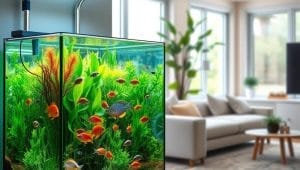
Leveraging LED Lighting and Smart Timers
Modern LED lighting has transformed how we illuminate our aquatic worlds. These energy-efficient options use far less electricity than traditional fluorescent bulbs while providing excellent spectrum for plant growth.
Adding a simple timer to your lighting system is one of the easiest ways to save energy. It ensures consistent light periods that your plants need while preventing excessive exposure that encourages algae growth.
Strategic placement of your aquarium makes a real difference in operating costs. Position your setup in a location with stable room temperature to reduce your heater’s workload over time.
Matching your livestock to your local water chemistry is another smart approach. Choose fish and plant species that naturally thrive in your tap water parameters. This eliminates the need for expensive ongoing chemical treatments beyond basic dechlorinator.
Your filter, heater, and other equipment run continuously, so selecting energy-efficient models during initial setup pays long-term dividends. Plants contribute to energy efficiency by producing oxygen naturally, reducing the need for constant air pump operation.
Of course, considering the total energy footprint of your entire setup during planning ensures sustainable operation. Sometimes spending slightly more upfront on efficient equipment saves substantially more money throughout your aquarium’s lifetime.
Parting Insights for Crafting a Sustainable Dream Aquarium
Your journey to a beautiful underwater world is built on patience and smart choices. You’ve learned that a thriving aquarium comes from understanding your fish and plants.
Starting with a clear vision for your fish tank sets you up for success. Choose hardy species that match your local water conditions. This approach saves money and stress.
Your planted tank will flourish with simple care. Regular observation helps you catch issues like algae early. Place your setup where you can enjoy it daily.
Connecting with other people in the hobby is invaluable. Your local pet store and online forums are great resources. You can find support and even DIY aquarium stand plans there.
Look back at your progress with pride. Each healthy plant and happy fish proves your growing skill. This rewarding hobby brings a piece of nature into your home.
FAQ
What are the best low-cost materials for aquarium substrate?
Pool filter sand and certain types of inert, fine gravel are excellent, budget-friendly substrate options. They provide a natural look and are safe for most fish and plants. Just make sure to rinse any sand thoroughly before adding it to your tank to keep the water clear.
Can I use regular rocks and driftwood from nature in my setup?
Yes, you can! Collecting rocks and driftwood can be a great way to save money. However, it’s crucial to clean and sterilize them properly to avoid introducing harmful contaminants. Boiling wood and scrubbing rocks is a safe method to prepare them for your aquascape.
How do I prevent algae in a planted tank without expensive equipment?
Balancing light and nutrients is key. Use a simple timer for your LED lights to ensure a consistent photoperiod of 6-8 hours. Introducing live plants that grow quickly, like hornwort or anacharis, will naturally compete with algae for resources, helping to keep it under control.
Are small aquariums or nano tanks easier to maintain on a budget?
Nano tanks can be more affordable upfront for the tank itself and require less substrate and decor. However, they need very stable water conditions, which can require diligent care. A slightly larger aquarium, like a 20-gallon, can sometimes be more forgiving for beginners.
What are some good fish species for a low-maintenance, cost-effective aquarium?
Hardy species like zebra danios, white cloud mountain minnows, and certain livebearers like guppies are fantastic choices. For a smaller setup, a colony of colorful Neocaridina shrimp or a pair of shell-dwelling cichlids can be incredibly engaging and economical.
Where is the best place to find affordable aquarium equipment?
Check local classifieds, aquarium club forums, and reputable online marketplaces for quality used gear. Many hobbyists upgrade their equipment and sell their fully functional filters and heaters for a fraction of the original cost. Always inspect used items before purchasing.
Hi, I'm Millie a passionate fish enthusiast and blogger. I loves learning about all kinds of aquatic creatures, from tropical fish to stingrays.