
Your Guide to Keeping Colorful Tropical Fish Healthy
 Millie Douglas
Updated on: December 1, 2025 .
18 min read
Millie Douglas
Updated on: December 1, 2025 .
18 min read
Have you ever wondered if the most stunning aquarium inhabitants are also the most difficult to keep healthy? Many new hobbyists believe that vibrant beauty must come with complex care, but that’s a myth we’re excited to bust.
Welcome to your personal guide. We’re here to walk with you, offering clear, supportive advice. Our goal is to make creating a thriving underwater environment in your home both achievable and deeply rewarding.
You’ll discover that success isn’t about having a green thumb. It’s about understanding a few key principles. From water quality to proper nutrition, we break it all down into simple, manageable steps.
This resource is designed for everyone. Whether you’re planning your very first tank or looking to enhance an existing setup, you’ll find the confidence you need right here. Let’s begin your journey toward a vibrant, healthy aquatic world.
Starting with Aquarium Essentials
Your success in creating a beautiful aquatic environment starts with understanding the essential equipment choices. Getting these fundamentals right ensures your pets thrive from day one.
Selecting Your Aquarium Tank and Location
Choosing the correct tank size is your first critical decision. Different species need vastly different space requirements. Guppies do well in 10-20 gallons, while Discus need 75 gallons or more for a group.
Your tank’s location matters a lot for stability. Avoid direct sunlight and high-traffic areas. These can cause temperature swings and stress your aquatic friends.
Remember that larger aquariums are often easier to maintain. They provide more water volume to dilute waste and keep parameters stable.
Essential Filtration and Heating Tips
Proper filtration keeps your water crystal clear and healthy. Sponge filters work well for gentle flow, while canister systems handle larger setups efficiently.
Heating equipment maintains the warm temperatures tropical species require. Match your heater wattage to your tank size for consistent warmth.
Investing in quality equipment from the start saves you time and money. It gives your pets the stable environment they need to flourish.
Establishing a Healthy Tank Environment
The secret to long-term success with your aquarium lies in creating consistent, healthy water conditions. While equipment gets you started, maintaining stability is what keeps your aquatic pets thriving.
Think of your tank’s water as the foundation of your entire setup. When parameters stay steady, your inhabitants feel secure and display their best behaviors.
Water Quality and pH Balance
Different species have specific preferences that affect their wellbeing. Guppies enjoy harder water with pH above 7.0, while Discus and German Blue Rams prefer warmer temperatures around 84-86°F.
Understanding these needs helps you create the ideal environment. Stable conditions prevent stress and support vibrant health.

Routine Maintenance Practices
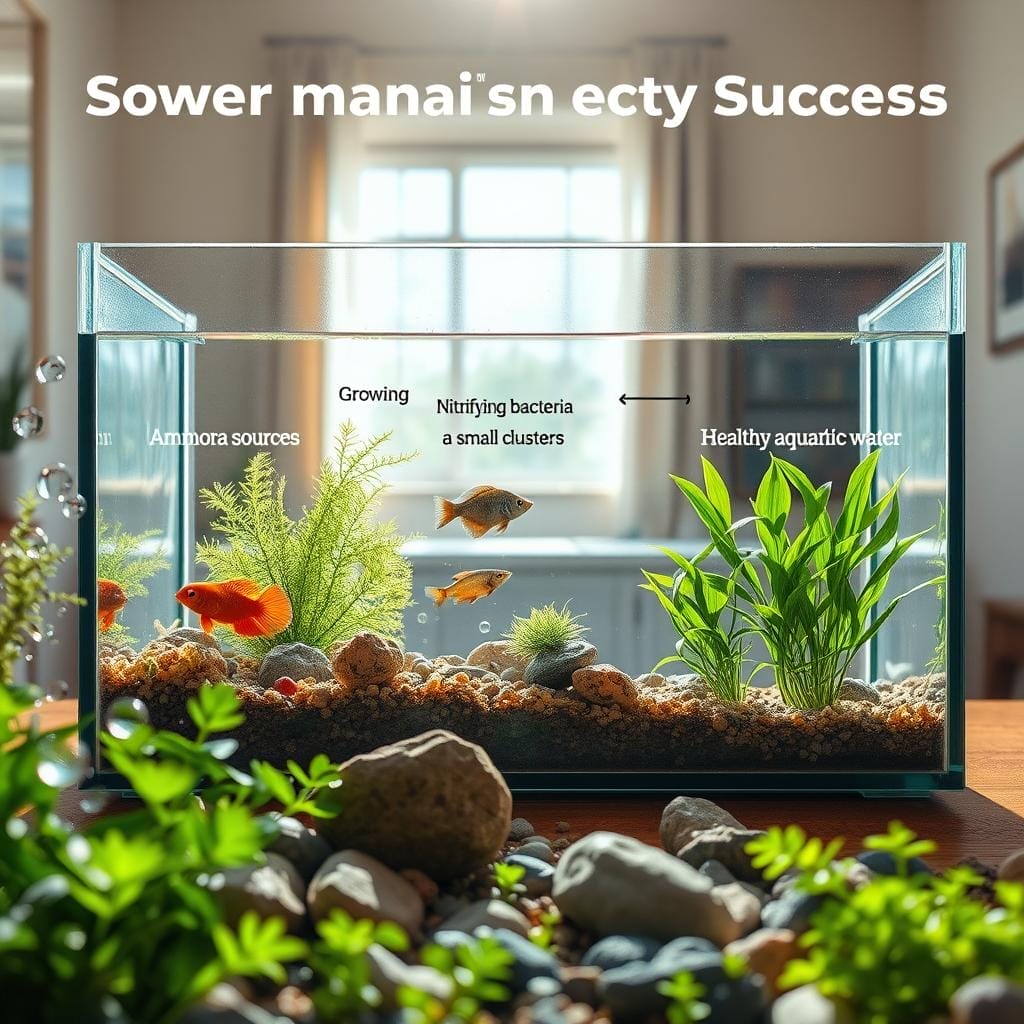
Your weekly care should include testing key parameters. Simple test kits make checking pH, ammonia, and nitrate levels quick and straightforward.
Regular partial water changes of 20-30% remove waste and replenish minerals. This routine becomes second nature over time.
Your attention to water quality pays off beautifully. You’ll see your aquatic friends displaying energetic swimming and brilliant colors when their environment remains stable.
Investing time in proper maintenance now prevents problems later. Consistent care keeps your aquarium looking spectacular and your pets healthy.
How to Choose Your Colorful Tropical Fish
Choosing the right inhabitants for your tank is one of the most exciting and important decisions you’ll make. This process requires thoughtful planning to ensure all your aquatic pets thrive together.
Evaluating Fish Size and Compatibility
Understanding adult sizes prevents future problems. Guppies stay around 2 inches, while Discus can reach 5-7 inches. Your tank space must accommodate their full growth.
Consider each species’ natural behavior for harmony. Peaceful cherry barbs work well in community setups. Avoid mixing fin-nippers with long-finned varieties like guppies.
Schooling species need groups of 6-10 individuals. Cardinal tetras thrive when kept in proper numbers. Solitary fish require different planning.
Understanding Specific Care Requirements
Match species with similar temperature needs for success. German Blue Rams prefer warmer water around 84°F. Boesemani rainbowfish males grow to 4 inches and have specific requirements.
Your experience level matters when selecting pets. Beginner-friendly species build confidence before tackling demanding types. Research each creature’s unique needs thoroughly.
Your care routine simplifies when choosing compatible species. Similar feeding habits and maintenance needs create stability. This thoughtful approach ensures your aquatic community flourishes.
Setting the Foundation with Key Water Parameters
Your aquarium’s long-term health depends on mastering a few key water parameters. Think of these as the invisible foundation that supports every swim and every shimmering scale. Getting them right creates a stable world where your aquatic pets can truly flourish.
Optimal Temperature Range
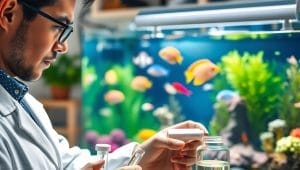
Each species has a specific temperature sweet spot. This is where they display vibrant health and strong immune systems. For example, Discus and German Blue Rams thrive in warmer water around 84-86°F.
Your heater must maintain a consistent temperature within this preferred range. A reliable thermometer helps you monitor for any daily fluctuations. Stable warmth is far more important than chasing a perfect number.
Monitoring pH, Hardness, and Clarity
pH levels significantly impact well-being. Some creatures prefer acidic water, while others, like Guppies, do best with a pH above 7.0. Your water’s hardness also affects coloration and breeding success.
You should always test your tap water’s baseline parameters first. This helps you select ideal freshwater species that naturally match your local conditions. Include water clarity in your routine checks, as cloudiness can signal a problem needing attention.
Remember, consistency is your ultimate goal. Avoid sudden changes to keep stress levels low and allow your beautiful aquarium community to thrive.
Creating a Balanced Diet for Your Fish
What you feed your aquatic pets plays a crucial role in their overall health and vitality. A proper nutritional plan supports strong immune systems and brings out their best appearance. Your feeding routine becomes the daily foundation for their wellbeing.
Selecting Nutrient-Rich Foods
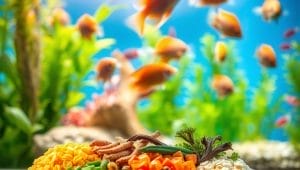
Different species have unique dietary preferences. Guppies thrive on nano pellets and spirulina flakes, while Cardinal tetras need tropical flake food supplemented with frozen bloodworms. Discus require high-quality cichlid pellets and meaty foods.
Offer a varied menu that matches natural feeding habits. Carnivorous species benefit from protein-rich options like brine shrimp. Omnivores need both animal and plant-based nutrition.
Your feeding schedule matters greatly. Most aquatic pets do best with small meals once or twice daily. This approach prevents overfeeding and maintains water quality.
Watch your pets during mealtime to ensure everyone eats well. Changes in appetite can signal health issues needing attention. Quality nutrition pays off in vibrant health and even breeding success.
Invest in premium foods to see your pets truly flourish. The right diet enhances natural beauty and supports long, active lives in your aquarium community.
Exploring a World of Freshwater Varieties
Your journey into freshwater varieties reveals a global selection of aquatic life perfect for any experience level. The freshwater aquarium hobby offers countless species from around the world, ranging from common pets available at major stores to rare exotic specimens.
You’ll be amazed by the incredible variety of freshwater fish available today. Species from every continent offer unique patterns and behaviors that can transform your tank. This diversity means you can always find new additions that complement your existing community.
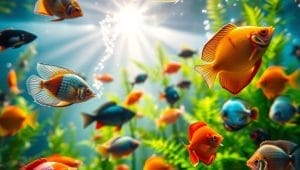
Your exploration shows that freshwater options provide better value than saltwater species while still offering stunning visual appeal. They are typically less expensive, less prone to serious disease, and easier to care for. This makes them ideal for both beginners and experienced aquarists.
Your options span the globe, including South American tetras and cichlids, African lake species, and Asian bettas and gouramis. Each region offers distinctive characteristics that can inspire themed aquariums. You might showcase species from specific continents or mix varieties from different parts of the world.
This incredible selection ensures there’s always something new to discover in the freshwater aquarium world. Your tank can become a living showcase of global biodiversity right in your home.
Showcasing Popular Species: Guppies, Tetras & More
Exploring specific popular species helps you understand what makes each one a fantastic choice for your home aquarium. These particular types are beloved for their beauty, hardiness, and fascinating behaviors.
They offer a wonderful introduction to the hobby while providing lasting enjoyment.
Unique Characteristics of Guppies
You’ll find guppies are perfect starter fish. The males display spectacular colors in varieties like mosaic and tuxedo. Females have a more subdued appearance but are essential for breeding.
A trio of one male and two females can quickly populate your tank. These livebearers produce new fry every 30 days with minimal effort on your part.
Cardinal Tetra and Other Colorful Varieties
You’ll love cardinal tetras for their brilliant full-length red stripe. This distinguishes them from neon tetras, where the red only covers the back half of the body.
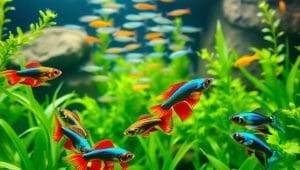
Your neon tetra school creates a mesmerizing effect. Their glowing blue horizontal stripes and red tails weave beautifully through plants.
Provide dense planting for both of these species. This gives guppy fry hiding spots and makes shy tetras feel secure. Your success comes from stable water and quality food that enhances their natural beauty.
Understanding Fish Behavior and Social Dynamics
Understanding the social dynamics between different species is key to creating a peaceful and thriving aquatic environment. Your observations of how your pets interact will guide you toward building a balanced community.
Each aquatic creature has its own personality and social needs. Recognizing these patterns helps you prevent conflicts and support natural behaviors.
Recognizing Aggressive vs. Peaceful Temperaments
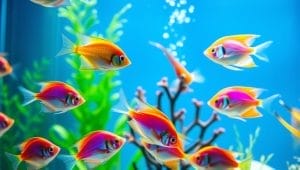
You’ll notice that fish personalities vary greatly. Peaceful species like guppies and cherry barbs coexist well in community settings. They show mild-mannered behavior that makes them excellent tank mates.
Also Read: Common Aquarium Problems and How to Fix Them
Some species have more aggressive natures. Bettas often display territorial behavior, while certain cichlids become protective during spawning. Watch for chasing or fin nipping as signs of incompatibility.
Your research before adding new pets prevents stressful situations. Knowing each species’ temperament ensures harmonious relationships in your aquatic home.
Creating a Harmonious Community Tank
Schooling fish like cardinal tetras and Boesemani rainbowfish feel most secure in groups. Keeping them in proper numbers reduces stress and encourages natural schooling behavior.
Your community thrives when you match species with similar size and temperament. Provide plenty of hiding spots with plants and decorations. These visual barriers help establish territories and reduce conflicts.
Even within the same species, individual personalities can vary. Always monitor new introductions closely and have a backup plan if needed. Your attentive care creates the foundation for a peaceful underwater world.
Enhancing the Habitat with Aquatic Plants
Adding live plants to your aquarium does more than just improve its looks. They create a living, breathing ecosystem that supports your aquatic pets in amazing ways. Your plants offer shelter for shy creatures and safe spawning sites for breeding pairs.
They also act as a natural filter, improving water quality by absorbing harmful nutrients. This creates a healthier environment for everyone in the tank.
Choosing the Right Plant Species
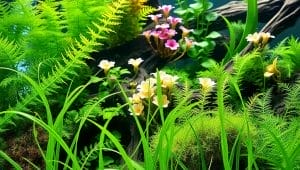
Your plant selection should match your setup and routine. Beginner-friendly species like java fern and anubias are fantastic choices. They require minimal care and adapt to a lot of different conditions.
Dense plants, such as water sprite, provide excellent cover for guppy fry. Species like cardinal tetras appreciate a heavily planted tank with plenty of hiding spots. Floating plants are great for pets that prefer subdued lighting.
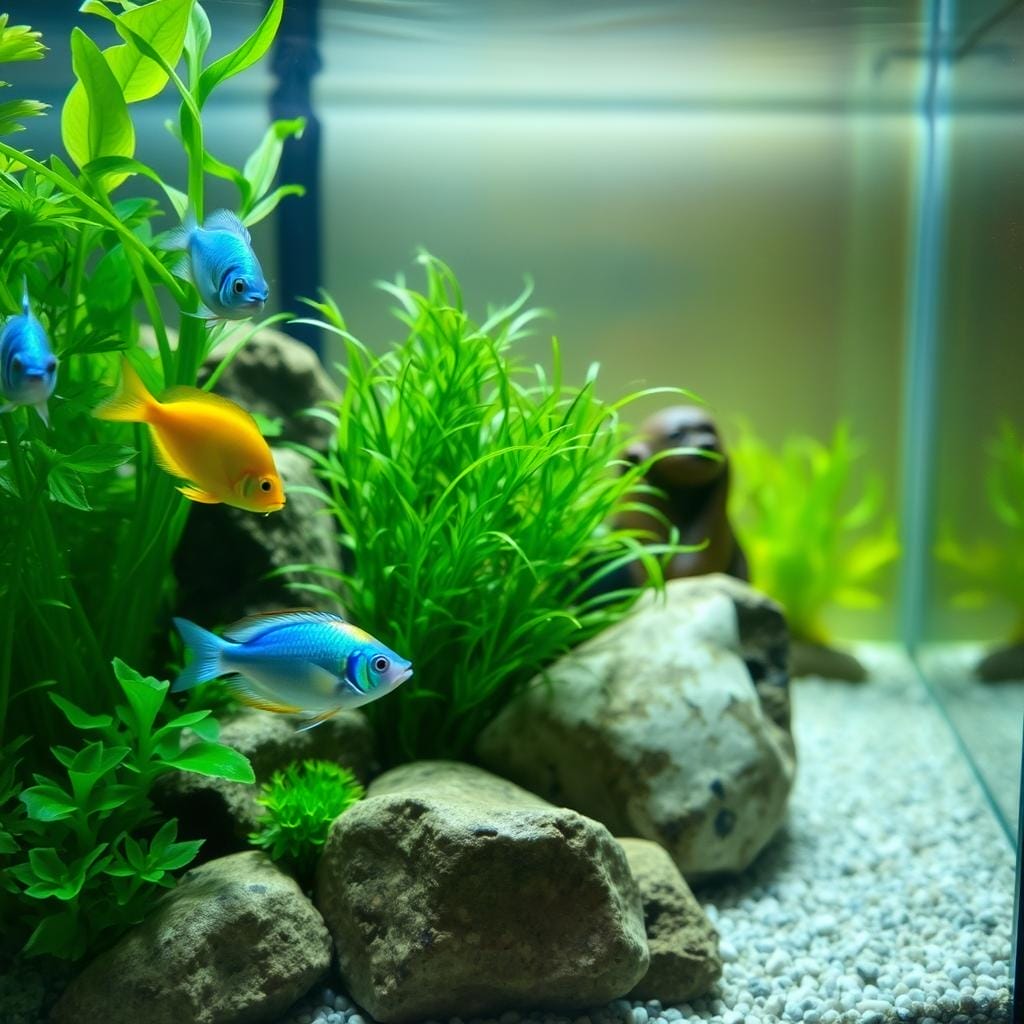
Even some cichlids, like the Electric Blue Acara, can thrive with the right aquatic plants. Your goal is to create a natural habitat where your fish feel secure. This encourages them to display their best colors and behaviors.
While a planted tank needs occasional trimming, the benefits are immense. For a great starting point, explore this guide to aquatic plant basics. You will love the vibrant, natural world you can create.
Caring for Specialized Species: Cichlids, Discus & Ram
When you’re ready to take your aquarium skills to the next level, specialized species offer incredible rewards for your dedication. These remarkable creatures require more specific care but repay you with extraordinary beauty and fascinating behaviors.
Special Requirements for Discus Fish
Discus are often called the “king of the aquarium” for good reason. These stunning creatures need warm water between 84-86°F and pristine water conditions. You’ll want to keep them in groups of at least six in a 75-gallon tank or larger.
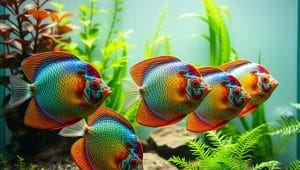
Your commitment to frequent water changes and high-quality feeding is essential. These cichlids display vibrant colors like brilliant turquoise and pigeon blood when cared for properly.
Best Practices for Cichlid and Ram Care
German Blue Rams bring spectacular color variety in a compact size. A pair thrives in a 20-gallon community setup. They prefer the same warm temperatures as discus.
You should know that rams may become territorial during breeding but are generally peaceful. Possible tank mates include cardinal tetras and Sterbai cory catfish.
Success with these specialized species requires patience and attention to detail. Your willingness to maintain stable, warm conditions will be rewarded with healthy, vibrant aquatic pets.
Tips for Breeding and Rearing Healthy Fry
Watching new life emerge in your aquarium brings one of the most rewarding experiences in the hobby. Many species breed readily when you provide the right conditions, making this an exciting extension of your aquatic journey.
Your breeding setup should include plenty of plants or spawning mops. These provide safe spots for egg-laying species and hiding places for livebearer fry. Dense vegetation protects newborns from adult fish.
Establishing Optimal Breeding Conditions
Condition your breeding pairs with high-quality foods like frozen bloodworms. This nutritional boost triggers spawning behavior and produces healthier offspring. Your success depends on understanding each species’ reproductive style—whether livebearers, egg-scatterers, or nest-builders.
You’ll notice courtship behaviors signaling imminent spawning. Males often display intensified colors, build bubble nests, or become territorial. Separate breeding pairs when necessary to protect eggs and fry.
Prepare special foods like infusoria or baby brine shrimp for newborns. These tiny particles are essential for fry survival. For comprehensive guidance, explore these breeding aquarium fish basics.
Your observation and patience will be rewarded with healthy new generations thriving in your care.
Maintaining the Right Light and Temperature
Creating the perfect environment for your aquatic pets involves mastering two invisible yet powerful elements: light and temperature. These factors work together to support natural behaviors and vibrant health in your underwater community.
You’ll want to balance lighting intensity with your species’ preferences. Many inhabitants display their best appearance under moderate illumination rather than intense light. A consistent schedule of 8-10 hours daily mimics natural cycles and prevents algae issues.
Stable warmth is absolutely critical for health. Your reliable heater, sized for your tank volume, maintains consistent temperatures that support strong immune systems. Avoid direct sunlight that causes dangerous fluctuations.
Your choice of modern LED systems can enhance specific colors in your pets. Different spectrum bulbs bring out reds, blues, or create natural-looking effects. Consider timers with gradual transitions between light and dark periods.
Observing your community under different lighting conditions reveals fascinating color variations and behaviors. For detailed guidance, explore this resource on how to balance aquarium lighting properly.
Troubleshooting Common Aquarium Challenges
Even the most carefully maintained aquarium can face a few common challenges. Viewing these moments as learning opportunities helps you build confidence. With the right approach, you can quickly restore balance to your aquatic environment.
Dealing with Algae Overgrowth
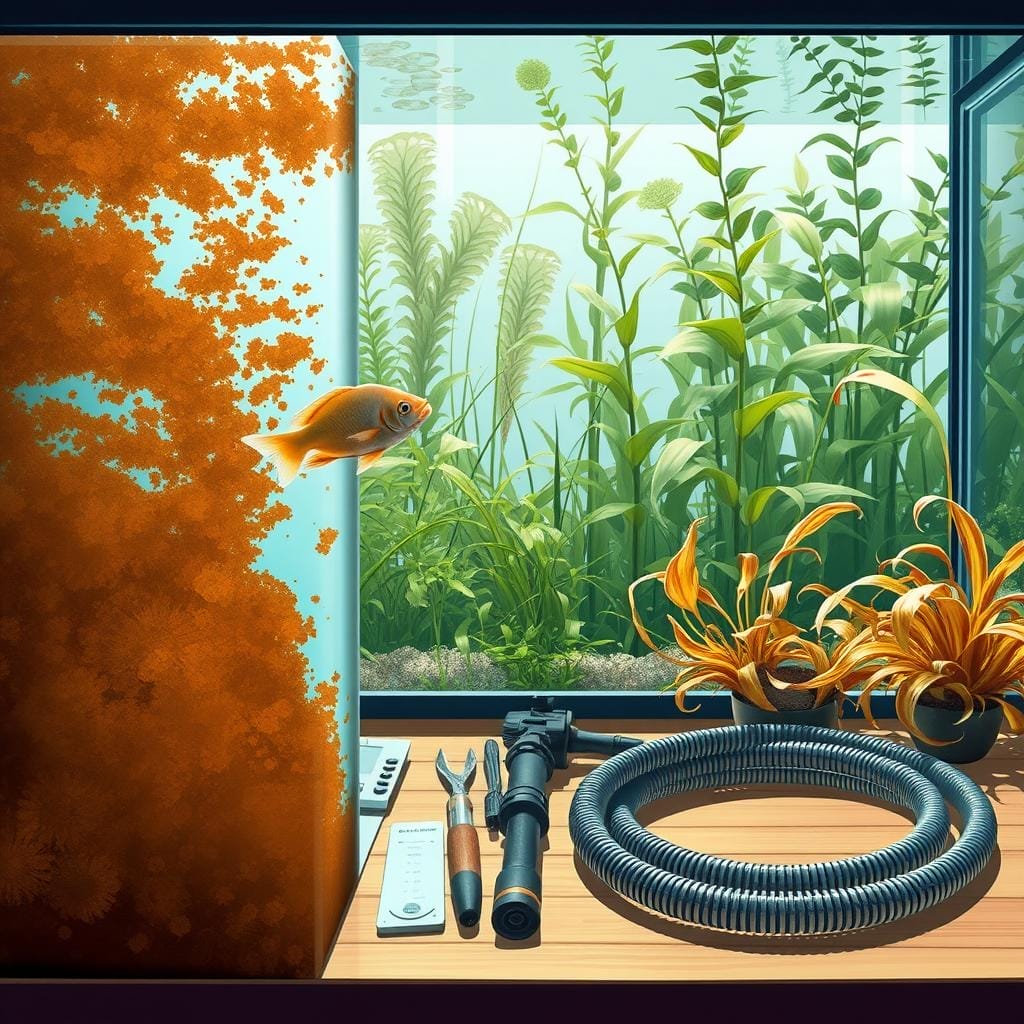
Algae growth is a natural part of any tank’s ecosystem. You can manage it by adjusting your lighting duration and performing regular water changes. These steps reduce excess nutrients that fuel algae blooms.
Consider adding helpful algae-eating species to your community. American Flagfish and Bristlenose Plecos provide natural cleaning services. They derive essential nutrition from algae, creating a helpful balance.
Addressing Disease and Stress in Fish
Your first line of defense against disease is excellent water quality. Most health problems stem from poor tank conditions. Consistent care and efficient filtration are your best prevention tools.
Watch for early warning signs like clamped fins or loss of appetite. These changes can signal stress or the onset of illness. Sensitive species, like loaches and Powder Blue Dwarf Gouramis, are quick to show distress.
Always quarantine new arrivals to protect your established community. Keeping basic medications on hand allows for prompt treatment of common issues. Your proactive efforts keep immune systems strong and your pets healthy.
Upgrading Equipment for a Superior Tank Setup
The right equipment upgrades can transform your aquarium experience from routine maintenance to effortless enjoyment. Modern technology offers solutions that simplify care while creating optimal conditions for your aquatic community.
Investing in advanced systems pays off through better water quality and enhanced visual appeal. Your pets will thrive in an environment supported by reliable, efficient equipment.
Innovative Filtration and Lighting Systems
Today’s filtration options provide comprehensive water purification. Canister filters offer superior mechanical, biological, and chemical filtration for larger setups. They operate quietly while handling substantial waste loads.
Modern LED lighting systems bring multiple benefits to your aquarium. They consume less energy while offering customizable color spectrums. Many include programmable features like sunrise and sunset simulations.
Consider these advantages when upgrading your tanks and equipment:
- Programmable equipment like automatic feeders maintain consistency during vacations
- Adjustable flow rates let you customize water movement for different species
- UV sterilizers provide extra protection against algae and disease
- Smart monitors track water parameters continuously for peace of mind
Quality equipment represents a smart long-term investment. It performs reliably while making your aquarium care more enjoyable. Your aquatic pets will benefit from the stable, healthy environment these upgrades create.
Designing a Visually Stunning Aquarium Display
Transforming your aquarium into a living work of art begins with thoughtful design principles that showcase your aquatic pets at their best. Your layout choices directly impact both aesthetics and the wellbeing of your inhabitants.
Creative Layout and Decoration Ideas
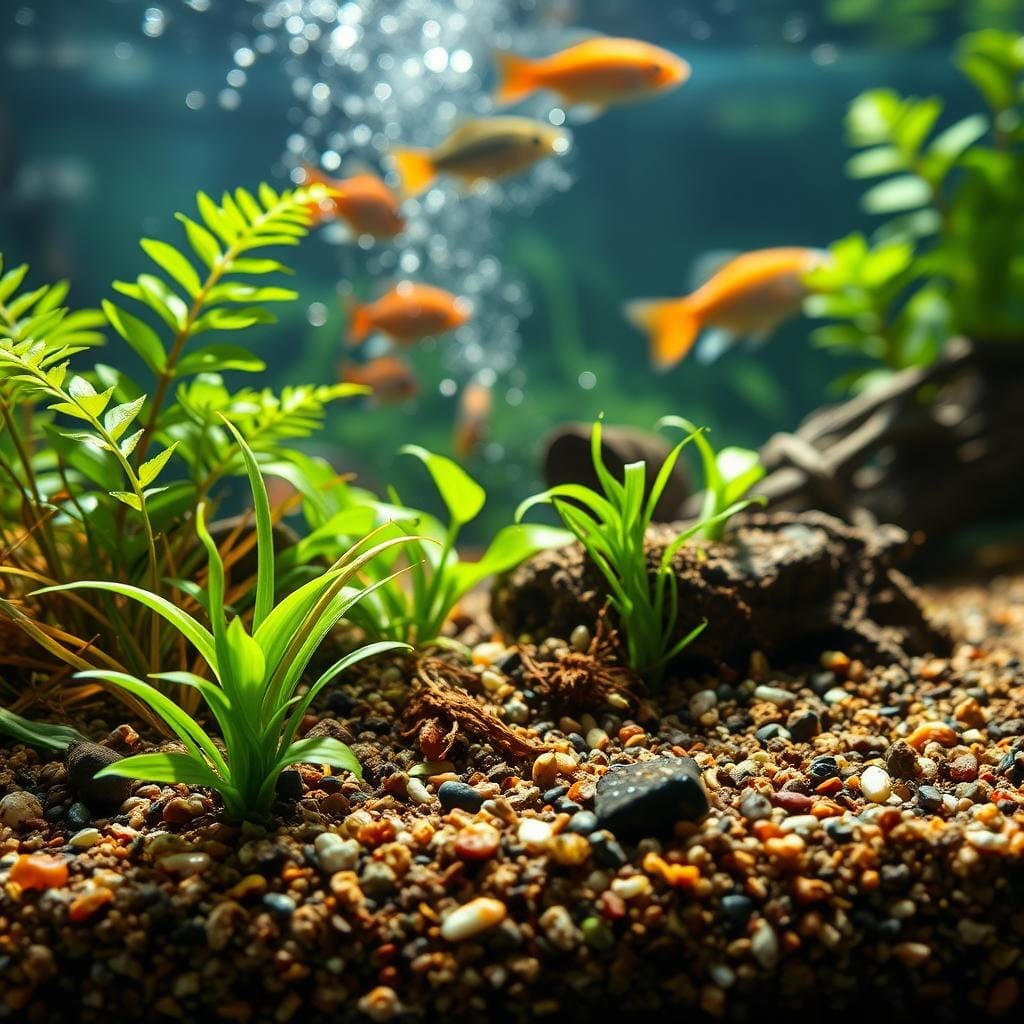
You’ll create breathtaking displays by choosing dark substrates. These make vibrant body colors pop dramatically against the background. Your aquascaping should follow the rule of thirds for natural-looking arrangements.
Position rocks, driftwood, and plants strategically to create focal points. Malaysian driftwood and dragon stone add natural beauty while providing essential territories. Arrange taller elements in back, transitioning to shorter ones in front.
Utilizing Lighting to Enhance Vibrant Colors
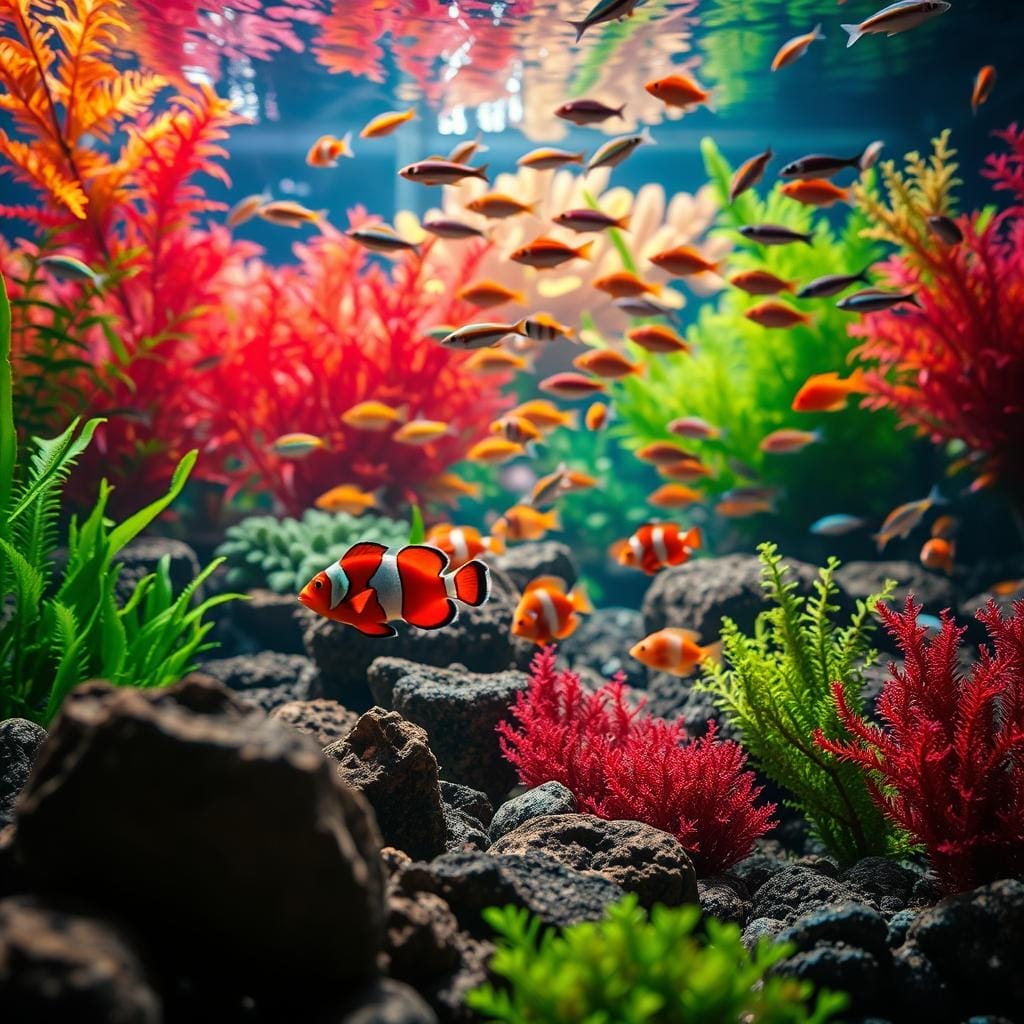
Proper lighting placement transforms your tank from ordinary to extraordinary. It brings out electric blues, fiery reds, and shimmering golds in your fish. Your color choices should complement rather than compete with natural coloration.
Strategic plant placement and rockwork enhance visual appeal while supporting natural behaviors. A well-designed aquarium looks spectacular and creates a healthy environment. Your attention to design details pays off in stunning results.
Reflecting on Your Vibrant Aquarium Journey
Your dedication to proper care has transformed what many people think is difficult into an enjoyable daily routine. The thriving aquatic life in your home stands as proof of your commitment.
Many people believe keeping tropical fish requires complex skills. But with the right guide, you’ve discovered it becomes second nature over time. Your consistent attention to detail makes all the difference.
You should feel confident moving forward with your aquatic pets. This rewarding hobby offers endless learning opportunities. Your fish will display brilliant colors and natural behaviors for years to come.
Remember that your journey is unique. Each time you apply these care principles, your aquarium becomes more vibrant. Trust this guide and enjoy the beautiful world you’ve created in your home.
FAQ
What is the best aquarium size for a beginner?
A 20-gallon tank is a great starting point. It offers more stable water conditions than smaller tanks, giving you more room for error as you learn. This size provides adequate space for a small community of peaceful species.
How many freshwater fish can I safely add to my tank?
A common guideline is one inch of adult fish per gallon of water. However, you must consider the full-grown size and behavior of each species. Always research their needs and avoid overcrowding to ensure a healthy environment.
Can I keep different types of fish together?
Yes, but compatibility is key. You’ll want to group species with similar temperaments and water parameter needs. For example, peaceful schooling fish like neon tetras often thrive with other calm community tank mates like dwarf gourami.
What should I feed my tropical aquarium fish?
A varied diet is essential for health and vibrant colors. Offer a high-quality flake or pellet food as a staple, supplemented with frozen or live foods like brine shrimp. Research the specific diet for your species, as some are herbivores while others need more protein.
How often should I perform water changes?
A good routine is to change 10-25% of the water every week. This helps remove waste and replenish essential minerals, keeping your water parameters stable and your aquatic pets healthy.
Why are my fish’s colors not very bright?
Dull colors can be a sign of stress, often due to poor water quality, an inadequate diet, or insufficient lighting. Test your water, ensure you’re feeding a nutrient-rich diet, and provide appropriate light to help their natural patterns shine.
Are aquatic plants necessary in a freshwater aquarium?
A> While not strictly necessary, live plants are highly beneficial. They help absorb harmful nitrates, provide oxygen, and offer shelter for your fish, which reduces stress and creates a more natural, beautiful display.
Hi, I'm Millie a passionate fish enthusiast and blogger. I loves learning about all kinds of aquatic creatures, from tropical fish to stingrays.