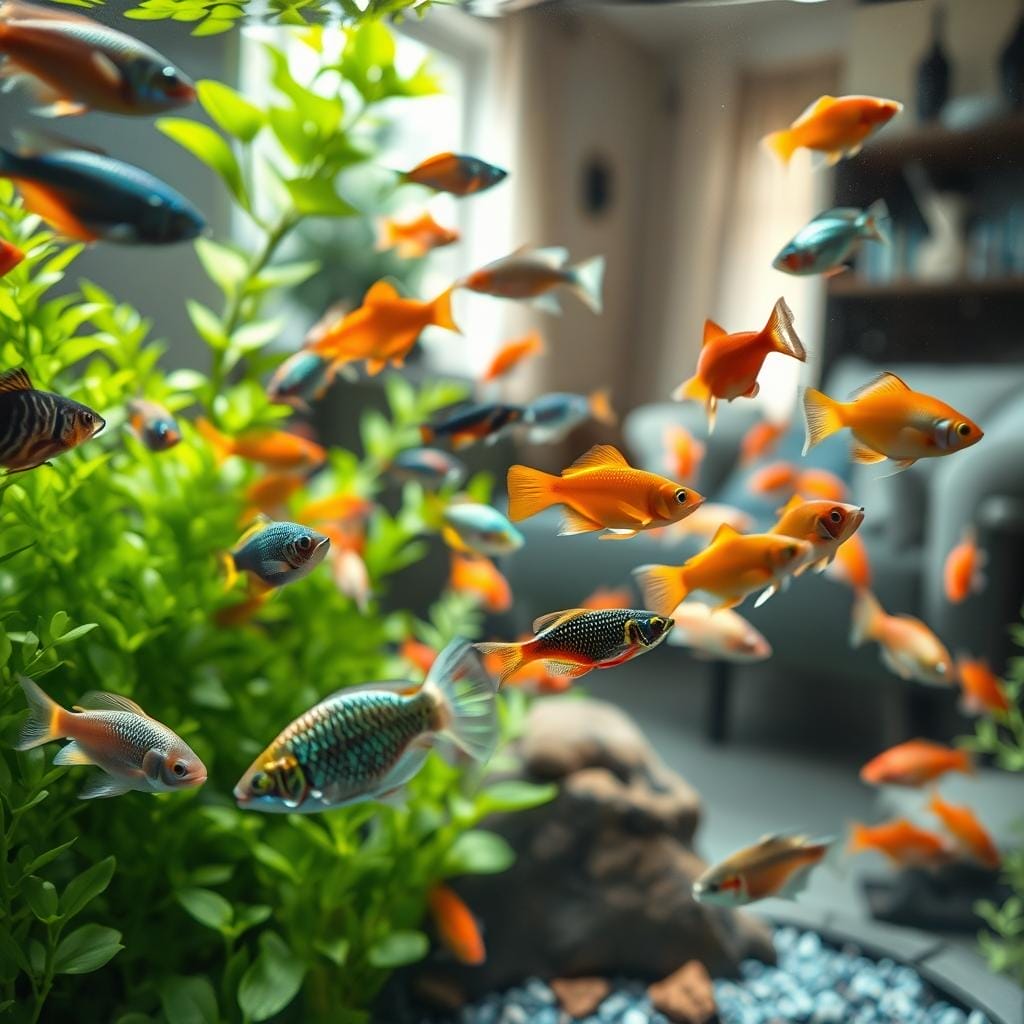

Understanding Fish Communication: Tips for Aquarium Owners
 Millie Douglas
Updated on: December 1, 2025 .
15 min read
Millie Douglas
Updated on: December 1, 2025 .
15 min read
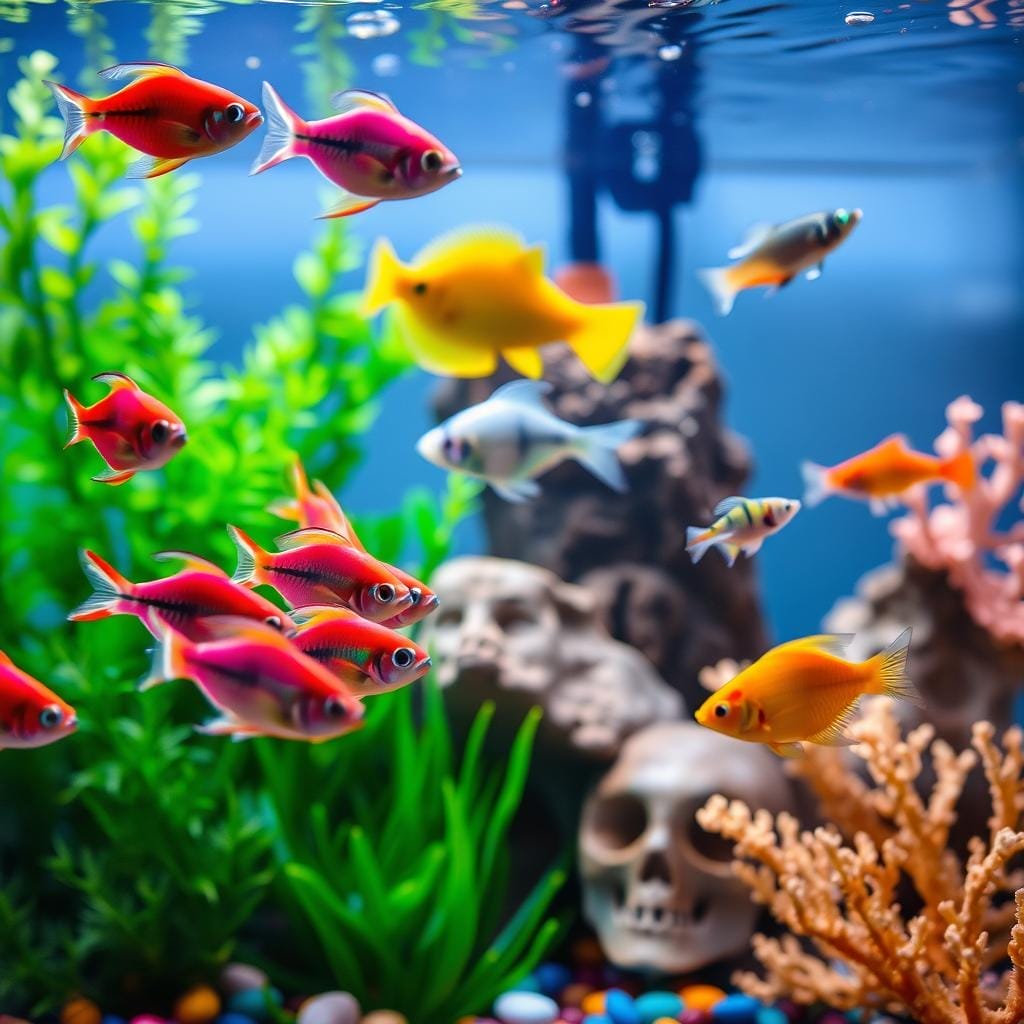
Have you ever looked into your peaceful aquarium and wondered if your aquatic pets are truly as silent as they seem?
Beneath the water’s calm surface, a hidden world of complex interaction is happening. According to researcher Aaron Rice from Cornell University, the underwater environment is alive with sound. Your pets use a variety of signals, from clicks and grunts to visual displays, to interact with each other.
This fascinating exchange of information is not just noise. It’s how these animals establish territory, find mates, and warn their group about potential dangers. Understanding this secret language is the key to unlocking a happier, healthier home for your underwater friends.
This guide will provide you with practical insights. You’ll learn how to apply this knowledge to create an environment that supports their natural behaviors. Whether you’re new to the hobby or a seasoned enthusiast, you’ll gain the confidence to provide exceptional care.
Introduction to Fish Communication
Your aquarium is more than just a beautiful display; it’s a bustling hub of constant, silent conversation. At its core, this interaction happens when one animal produces a signal that influences another’s behavior. These signals are specialized traits, evolved to share vital information.
This constant exchange is crucial for your tank’s inhabitants. It helps them form social groups, establish territories, and find mates. Recognizing these interactions is the first step toward reducing stress and promoting wellbeing in your aquatic community.
The Importance of Underwater Communication
Understanding how your pets interact allows you to become a more attentive caregiver. You’ll start to see why certain species school together or why some become territorial. This knowledge empowers you to make better choices about tank mates and decorations.
How Sound Shapes Aquatic Relationships
Sound plays a uniquely powerful role underwater. It travels faster and farther in water than in air, allowing animals to detect signals from great distances. This is why some species rely heavily on acoustic cues for courtship and warnings.
By appreciating how sound shapes relationships, you gain insight into the natural behaviors of the species you keep. This understanding is key to creating a habitat that supports their innate way of life.
Fundamentals of Aquatic Signaling Modalities
Your tank’s inhabitants possess remarkable abilities to communicate through methods that work completely differently from land animals. The underwater environment creates unique opportunities for sharing information that terrestrial creatures simply don’t have access to.
Water’s physical properties dramatically affect how signals travel. Sound moves about five times faster underwater than in air, making acoustic communication incredibly efficient for your aquatic pets.
Acoustic, Visual, Chemical, and Electrical Channels
Your aquarium residents use four main channels to connect with each other. Each method has distinct advantages depending on the situation and environment.
Acoustic signals travel rapidly through water, allowing instant communication across your entire tank. Many species produce sounds using specialized organs for courtship or warnings.
Visual displays include colorful patterns and specific body movements. These work best in clear water during close-range interactions like feeding or territorial behavior.
Chemical signaling involves releasing special molecules called pheromones. Other animals detect these with highly sensitive receptors, making water quality crucial for this channel.
Some specialized species even use electrical fields for navigation and social interaction. This method works perfectly in murky conditions where vision is limited.
Understanding these diverse modalities helps you create an environment that supports all your pets’ natural communication needs.
Evolutionary and Biological Roots
Long before modern technology revealed the secrets of underwater life, early naturalists had already glimpsed the complex social world beneath the waves. The story of how we came to understand aquatic signaling stretches across centuries of observation and discovery.
Historical Insights from Aristotle to Modern Research
Ancient Greek philosopher Aristotle first documented that aquatic animals could produce sounds over two thousand years ago. Traditional fishing communities passed down knowledge about these vocalizations through generations, providing early evidence that scientists would later confirm.
For a long time, people assumed the underwater world was mostly silent. The real breakthrough came in the 1930s when acoustic monitoring technology first allowed researchers to record aquatic sounds.
World War Two brought unexpected benefits to this field when submarine detection technology was adapted for peaceful purposes. Scientists gained powerful new tools to study different species in their natural habitats.
Modern researchers like Aaron Rice at Cornell University in New York have used advanced hydrophones to reveal an underwater soundscape far richer than anyone imagined. These studies show that vocal signaling is an ancient adaptation refined over millions of years.
Understanding this historical context helps you appreciate that when you observe your aquarium inhabitants interacting, you’re witnessing behaviors with deep evolutionary roots. The evidence confirms these animals are far more sophisticated than most people realize.
Acoustic Communication in Fish
The quiet world of your tank hides a symphony of underwater sounds waiting to be discovered. Many species use creative methods to produce distinctive noises that serve important social functions.
Mechanisms of Sound Production
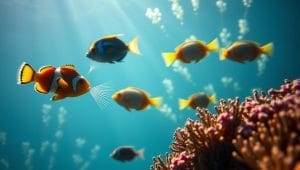
Your aquatic pets use remarkably creative mechanisms for sound production. Many species vibrate their swim bladder like a drum, while others rub specialized bones together.
Some even use their pectoral fins to create distinctive sounds. The tiny Danionella cerebrum holds the record for the loudest sound relative to body size.
Examples from Notable Species
Toadfish are famous for their acoustic abilities. Males sing elaborate courtship songs that sound like boat whistles to attract females to their nests.
Herring have one of the most unusual methods. They actually communicate by releasing bubbles from their digestive tracts.
Bigeye species produce specific clicking sounds that help maintain school structure. Male elephant fish grunt and moan to attract mates during breeding season.
Understanding these mechanisms helps you recognize that occasional clicks or pops from your tank aren’t equipment malfunctions. They’re actually your pets talking to each other.
Understanding Swim Bladder Function and Sound Production
Did you know that many of your aquarium residents have a built-in musical instrument that helps them talk to each other? This remarkable organ, called the swim bladder, serves dual purposes in your pets’ daily lives.
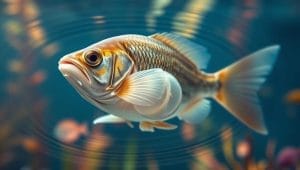
While its primary job is buoyancy control, evolution has turned the swim bladder into a versatile tool for acoustic interaction. Understanding how this works will help you appreciate the sophisticated ways your aquatic friends connect.
Swim Bladder’s Role in Acoustic Signaling
The swim bladder acts like a natural resonating chamber. When specialized muscles around this gas-filled organ contract rapidly, they create vibrations that travel through the water as clear sounds.
This amplification system is incredibly efficient. Even small muscular movements can produce surprisingly loud noises that carry across your entire tank. Different species have developed unique methods for using their swim bladder.
Some pets vibrate the bladder walls directly, while others use striking mechanisms. The tiny Danionella cerebrum provides a fascinating example – it uses cartilage to hit the bladder like a drumstick.
The size and shape of this organ directly influence the sounds your pets can make. Larger species typically produce deeper tones, while smaller ones create higher-pitched noises.
When health issues affect the swim bladder, it can impact your pets’ ability to interact effectively. Bacterial infections or pressure changes might temporarily silence their natural acoustic abilities.
Remember that not all aquatic pets have swim bladders. Bottom-dwelling species often use alternative methods like rubbing fin spines together. This diversity shows the incredible adaptability of underwater life.
Predators, Noise, and Ecological Constraints>
Your aquarium’s peaceful appearance can be deceiving when it comes to the challenges your aquatic pets face in their daily interactions. In nature, animals must balance the need to connect with others against the risks of attracting unwanted attention.
Impact of Ambient Noise and Predator Cues
Loud environments create significant obstacles for underwater signaling. Research shows that bottlenose dolphins locate up to 80% of their meals simply by listening for vocal species.
This creates a dangerous dilemma. Your pets must choose between social interaction and safety. Studies demonstrate that silver perch immediately quiet their mating choruses when they detect dolphin whistles nearby.
Gulf toadfish reduce their calling activity by half when hearing low-frequency pops from hunting dolphins. Your aquarium equipment can create similar masking effects that disrupt natural behaviors.
Fish Adaptations for Survival in Dynamic Environments
Your aquatic companions have developed clever strategies to cope with these challenges. They might increase their call volume in noisy conditions, similar to humans speaking louder in crowded rooms.
This response, known as the Lombard effect, helps signals cut through background interference. Some species change their calling times to avoid noisy periods altogether.
Carp hearing studies reveal how flowing rivers mask sounds more heavily than calm ponds. Understanding these adaptations helps you create a tank environment that supports natural interaction patterns.
Visual, Chemical, and Electrical Signaling in Aquatic Life
Beyond the sounds you might hear, your aquarium residents use a fascinating array of visual, chemical, and electrical signals to interact. These methods work together to create a complex social network right in your tank.
Each type of signal has unique advantages depending on your water conditions and the species you keep. Understanding these diverse channels helps you appreciate the full spectrum of your pets’ social lives.
The Role of Visual Signals in Aquatic Behavior
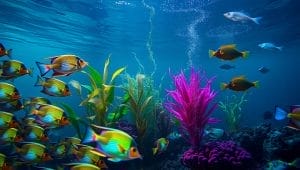
In clear water environments, visual displays become incredibly important. You’ll notice your pets using color changes, specific body postures, and movement patterns to send messages.
Male animals often develop brighter colors during breeding season to attract females. This is why your male guppies or bettas might appear more vibrant when courting potential mates.
Some species even use polarized light patterns that are invisible to human eyes. These sophisticated visual signals work best when your water quality supports good visibility.
Insights into Chemical and Electrical Communication
Chemical signaling happens constantly through special molecules called pheromones. Your pets release these through urine and gills, conveying information about their identity and status.
Maintaining excellent water quality is essential because polluted water can interfere with chemical detection. Your animals rely on sensitive receptors to “read” these important messages.
Some specialized species use electrical fields for navigation and social interaction. Weakly electric animals generate constant discharges that work perfectly in murky conditions where visual signals would fail.
Electric eels provide a remarkable example with three pairs of organs that produce electricity. This shows the incredible diversity of communication in aquatic animals across different environments.
Also Read: Common Aquarium Problems and How to Fix Them
Aquarium Environment: Creating the Perfect Soundscape
The acoustic environment you create around your tank plays a crucial role in your aquatic pets’ social lives. Your aquarium’s soundscape combines all vibrations and sounds that affect your animals’ ability to interact naturally.
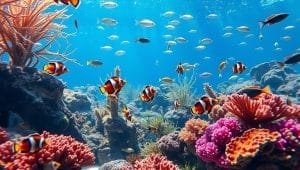
Excessive noise can mask the important signals your pets exchange. Imagine trying to talk in a loud restaurant—this is what your animals experience when equipment hums too loudly.
Common sources of aquarium noise include filters, pumps, and heaters. External sounds from televisions or foot traffic also travel through water. Research using hydrophones shows that even faint vibrations become amplified underwater.
Different species come from natural habitats with varying noise levels. Animals from calm ponds need quieter conditions than those from flowing rivers. Matching your tank’s soundscape to their native environment reduces stress significantly.
Creating the perfect soundscape doesn’t mean complete silence. Some background sound is natural and beneficial. The key is minimizing unnecessary noise that interferes with acoustic communication.
By thoughtfully managing your aquarium’s sonic environment, you show the same care researchers use when studying underwater sound recordings in wild habitats. This attention helps your aquatic community thrive in healthy water conditions.
Tips to Optimize Your Aquarium for Natural Communication
Managing your tank’s acoustic environment is one of the most overlooked aspects of creating a thriving aquatic habitat. Simple adjustments can significantly enhance your pets’ ability to interact naturally.
Setting Up a Noise-Managed Habitat
Start by choosing the right location for your setup. Place your aquarium away from televisions, stereos, and high-traffic areas. This thoughtful placement reduces stress on your aquatic companions.
Sound travels about five times faster in water than in air. Noises that seem minor to you can be quite disruptive underwater. Investing in quality, low-noise equipment makes a big difference.
Consider the natural habitats your species come from. Animals from calm ponds need quieter conditions than river species. Matching their native environment supports better interaction.
Use vibration-dampening materials under equipment. Foam pads or rubber mats prevent vibrations from amplifying through hard surfaces. This creates a more peaceful space for your pets.
Regular maintenance keeps equipment running quietly. Worn parts create unnecessary noise that interferes with natural behaviors. A well-maintained setup supports healthier social connections.
Pay attention to distance when arranging your equipment. Place noisy items away from areas where your animals congregate. This gives them quiet zones for natural interaction.
Expert Techniques to Enhance Fish Communication
You can become an expert at fostering natural interactions in your aquarium by applying a few advanced techniques. The key is observing how your aquatic pets use different methods in various situations.
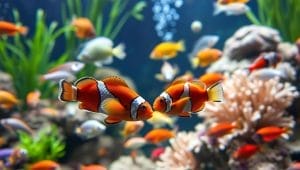
Multimodal communication makes signals more effective. Your pets might rely on visual displays for territory but use sound for courtship. Understanding these patterns helps you support their needs.
Practical Advice for Aquarium Owners
Here are simple steps to create an ideal environment for natural interaction:
- Research your species. Learn if your pets rely more on visual, acoustic, or chemical signals. This knowledge helps you optimize their habitat perfectly.
- Create environmental variety. Include open areas for visual displays and structured spaces with plants for closer-range interaction. This supports all their communication channels.
- Observe at different times. Many animals change strategies based on lighting. They might communicate using visual cues by day and switch to other methods at night.
- Watch feeding time closely. This is a prime example of multimodal interaction. You’ll see positioning, movement, and sometimes sounds used to establish order.
- Introduce new pets gradually. Give them time to learn the unique signals of their tankmates. Different individuals may have slightly different way of interacting.
By paying attention to these details, you support a harmonious community. Healthy, comfortable animals interact more freely. Research into fascinating fish sounds continues to reveal how complex their social lives truly are.
Case Studies: Success Stories and Research Insights
Real-world studies provide compelling evidence that your aquarium inhabitants possess sophisticated survival strategies. These research projects reveal how aquatic life adapts to environmental challenges.

Notable Examples from Research Studies
Cornell University in New York conducted groundbreaking research using advanced hydrophones. Scientists documented thousands of species producing sounds previously unknown to science.
One fascinating study showed Gulf toadfish reducing their calling rates by 50% when hearing dolphin foraging sounds. This demonstrates clear predator avoidance behavior.
Research on silver perch revealed they decrease chorus loudness by 9 decibels during dolphin whistle playbacks. This immediate response shows how species modify their behavior for safety.
Masking studies on common carp showed dramatic differences between quiet and noisy habitats. These animals experienced severe hearing threshold shifts in river environments compared to calm waters.
Studies examining bottlenose dolphin diets found up to 80% consists of sound-producing species. This provides strong evidence that predators actively listen for acoustic cues to locate prey.
Research on reef and catfish species shows long-term exposure to noise drives evolutionary changes. Animals in noisier habitats develop different communication strategies than their quieter-water relatives.
These case studies give you real-world evidence supporting the practical advice in this guide. The research shows how actual species respond to predators, noise, and environmental changes.
Closing Thoughts on Elevating Your Aquarium Experience
Your newfound knowledge about aquatic interactions empowers you to create a habitat where natural behaviors can truly flourish. You’ve moved from basic maintenance to informed stewardship of a living ecosystem.
The time you invest in understanding these complex signals pays off daily. You’ll notice behaviors you previously missed and make adjustments that genuinely improve your pets’ quality of life.
Remember that research continues to reveal new aspects of how species interact. On one hand, you know excessive noises can cause stress. On the other hand, you have practical techniques to create a quieter, communication-friendly environment.
Whether you maintain a peaceful community tank or vibrant reef setup, these principles apply across all aquatic habitats. Your aquarium becomes a window into fascinating underwater conversations happening right before your eyes.
FAQ
Can my aquarium pets really hear and make noises?
Yes, absolutely! Many species have excellent hearing and produce sounds. They use their swim bladder, a special air-filled organ, to create pops, grunts, and drumming sounds. This is a vital part of how they interact with their environment and each other.
How can I tell if the sounds in my tank are normal?
It’s all about context. Occasional clicking or popping during feeding or social interaction is usually healthy. Constant, frantic noise could signal stress from a predator (like a nearby cat) or poor water quality. Observing their behavior along with the sounds gives you the best clues.
What’s the easiest way to support natural communication in my setup?
Focus on reducing stressful noise. Place your aquarium away from loud appliances like televisions or speakers. Using a background filter provides gentle, consistent ambient sound that can mask sudden, jarring noises from your home, helping your aquatic friends feel more secure.
Do all types use sound the same way?
Not at all! Methods vary widely. For example, some catfish create stridulation sounds by rubbing bones together, while croakers use their swim bladder like a drum. Researching the specific signaling methods of the animals you keep will help you understand their unique behaviors.
How does water quality affect their ability to communicate?
Clean, well-maintained water is crucial. Murky or chemically unbalanced water can block visual signals and distort acoustic information. Keeping your habitat pristine ensures signals travel clearly, which is essential for finding mates and avoiding danger.
Aquarium Species InteractionAquatic Communication SignalsFish Behavior InsightsMarine Life CommunicationTeleost Communication
Hi, I'm Millie a passionate fish enthusiast and blogger. I loves learning about all kinds of aquatic creatures, from tropical fish to stingrays.