
Choosing the Right Foreground Plants for Your Aquarium
 Millie Douglas
Updated on: December 1, 2025 .
14 min read
Millie Douglas
Updated on: December 1, 2025 .
14 min read
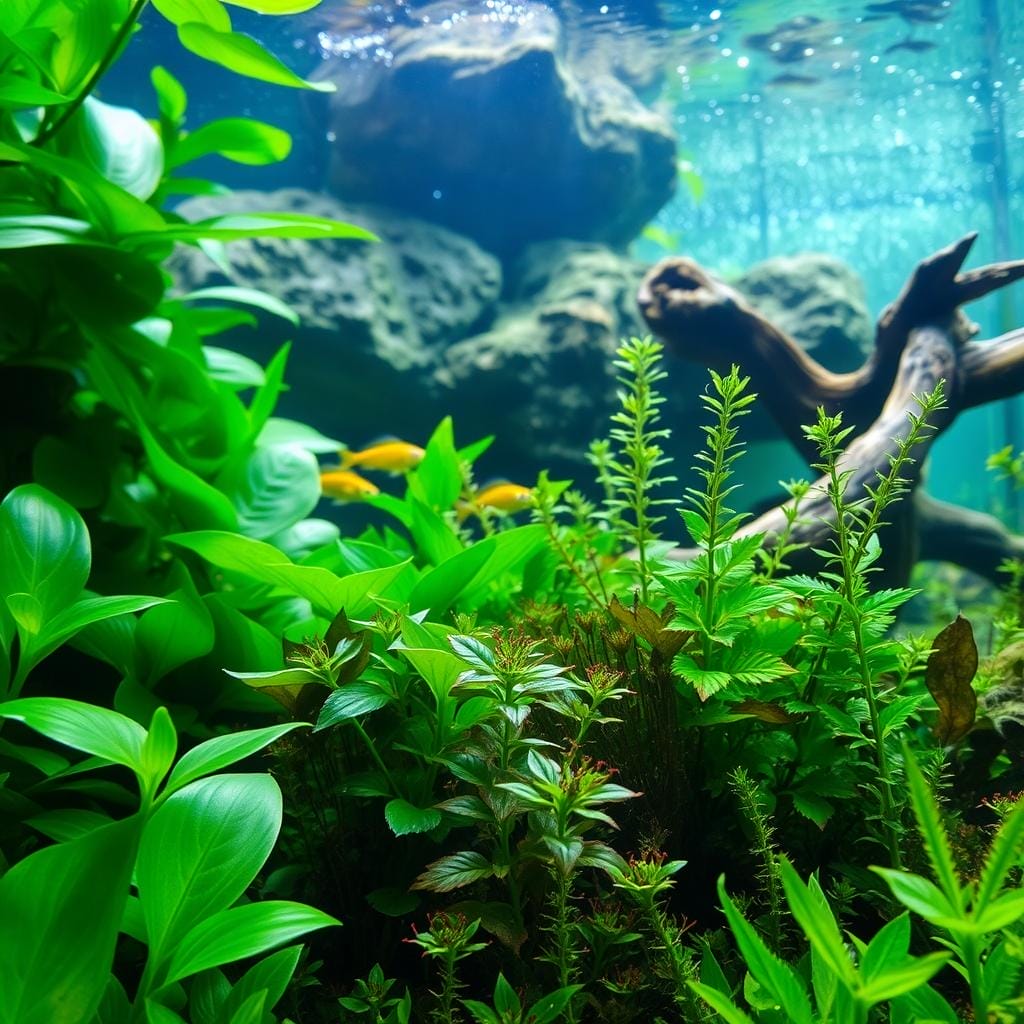
Have you ever looked at a stunning underwater landscape and wondered how it achieves such incredible depth and beauty? The secret often lies at the very base of the tank.
These low-growing species, a favorite in the aquarium hobby, are the foundation of a breathtaking aquascape. They create lush, green carpets that make your tank look professionally designed. It’s a simple addition that delivers a powerful visual impact.
Whether you’re new to the hobby or a seasoned expert, selecting the perfect foreground specimens is a crucial step. The right choice will transform your aquatic environment into a living work of art. This guide will give you the confidence to create the gorgeous planted tank you’ve been dreaming of.
Understanding the Role of Foreground Plants in Aquarium Aesthetics
Creating that professional aquascape look is easier than you think when you apply simple layering principles. Think of your tank like stadium seating – shorter specimens up front, taller ones in back.
Carpeting Effects and Visual Impact
This “bleacher-style” arrangement ensures every beautiful element remains visible. The low-growing carpet creates amazing depth that makes even small tanks appear more spacious.
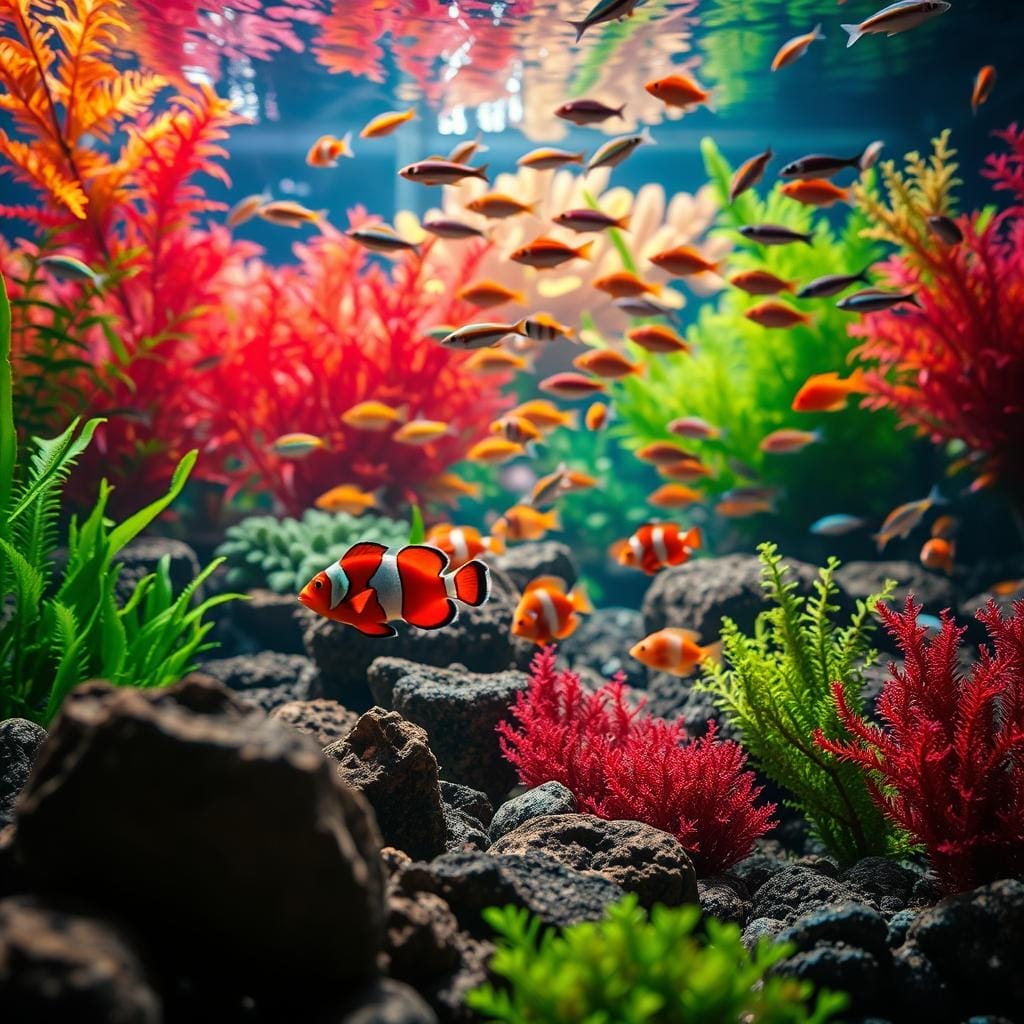
Your aquascape gains a natural, established appearance that mimics wild riverbeds. The lush green carpet of leaves provides stunning contrast against hardscape elements like rocks and driftwood.
Enhancing Fish Behavior and Tank Depth
Your aquatic pets will thrive with proper foreground coverage. They gain shelter, spawning areas, and natural foraging grounds that encourage active behaviors.
This strategic placement helps frame your entire layout, drawing the eye naturally through the tank. Even beginners can achieve this professional aesthetic by understanding how these elements work together.
The right foreground choices transform your aquarium into a living work of art. You’ll create an environment where both beauty and functionality harmoniously coexist.
Identifying Popular Types of Aquarium Foreground Plants
Discovering the perfect ground cover options opens up a world of creative possibilities for your underwater landscape. You’ll find several categories that work beautifully in the front of your tank.
Cryptocoryne Varieties and Grass-Like Options
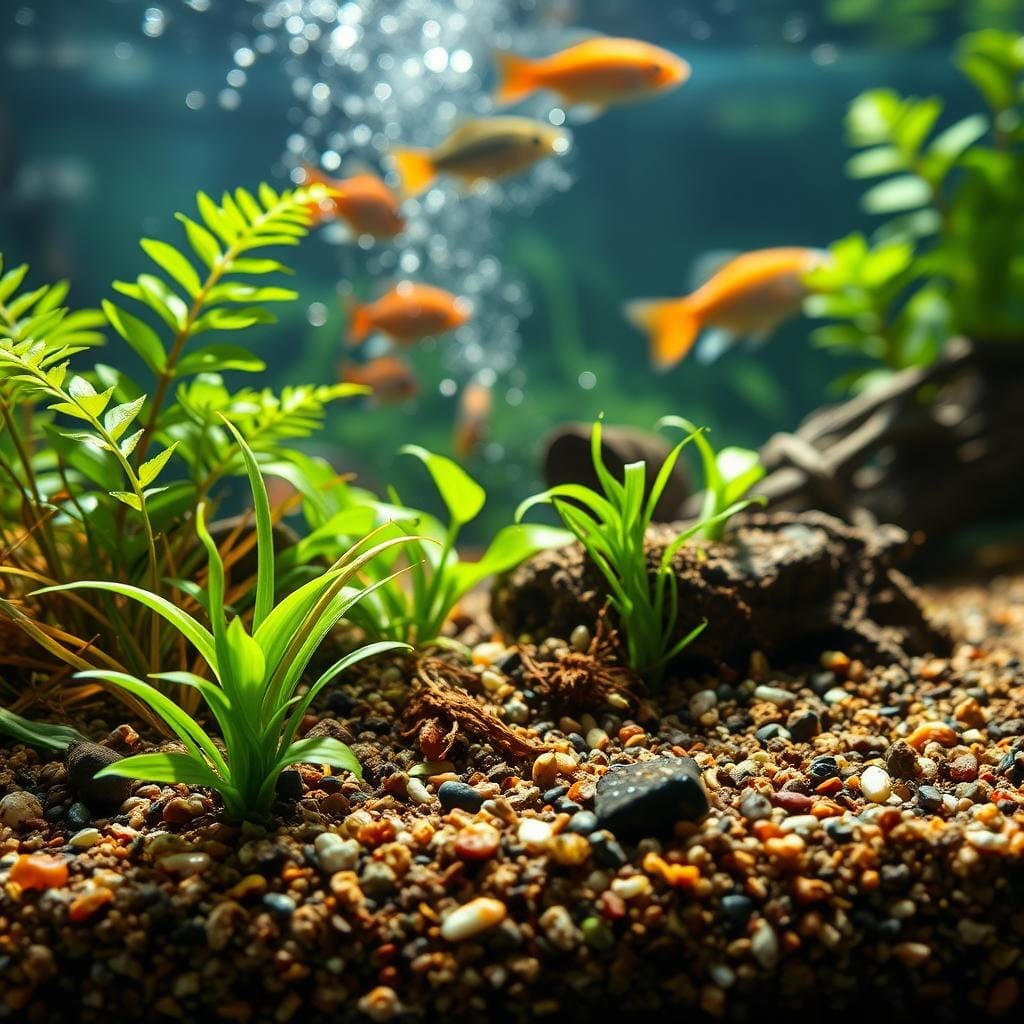
Cryptocoryne species are excellent choices for beginners. They grow slowly and need little trimming. Cryptocoryne parva and C. lucens stay short and handle low light well.
Grass-like options create beautiful lawn effects. Dwarf hairgrass has thin, needle-like leaves that spread across your substrate. Micro sword plants have slightly wider leaves and work in small clumps.
Dwarf chain sword spreads quickly with wider blades. It fills space faster than many other species. These choices give you that lush carpet look you want.
Epiphytes and Mosses for Natural Appeal
Epiphyte plants attach to hardscape instead of needing substrate. Anubias nana petite is very popular and forgiving. It’s perfect for rocks or driftwood in your setup.
If you want something unique, try bucephalandra species. They offer gorgeous leaf colors and textures. This adds visual interest to your aquarium’s front area.
Each type has its own growth pattern and appearance. Mix different species for a natural, varied look. You can find many of these excellent live aquarium plants to start your project.
Benefits of Integrating Green Carpeting in Your Aquascape
Beyond their stunning appearance, carpeting species offer practical advantages that elevate your entire aquarium experience. These low-growing wonders create a dense mat of tiny leaves that completely covers your substrate.
You’ll appreciate how these specimens help stabilize your tank floor. They prevent substrate shifting during water changes or when your fish decide to dig around. This creates a more stable environment for your entire setup.
Your smaller aquatic friends will thrive with the protection carpeting provides. Baby fish and shrimp gain safe hiding spots where they can grow without stress. The dense growth offers perfect shelter from larger tank mates.
These living carpets also contribute to healthier water conditions. They absorb excess nutrients that might otherwise fuel algae growth. This natural filtration helps maintain crystal-clear water in your foreground aquarium.
Your bottom-dwelling creatures will love the natural foraging opportunities. Shrimp and small fish can graze throughout the day among the dense foliage. This encourages natural behaviors and keeps your pets active and healthy.
When fully established, your carpet creates a beautiful foundation. It makes other elements like rocks and taller specimens stand out dramatically. The complete coverage adds a sense of maturity that’s hard to achieve otherwise.
You’ll find that a well-maintained carpet transforms your tank into a professional-looking aquascape. The lush green mat provides the perfect base for your creative vision to shine.
Selection Criteria for the Perfect Aquarium Plant Mix
The key to a thriving aquatic environment lies in carefully selecting compatible species that work well together. Your plant selection process should consider several important factors that determine long-term success.
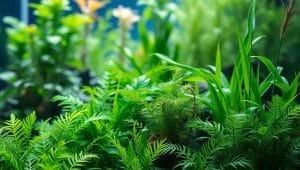
Light, Nutrient, and Growth Requirements
Your lighting setup plays a crucial role in your plant selection. Some species thrive in low light conditions, while others need medium to high intensity to look their best. Matching your choices to your current equipment prevents frustration.
Consider nutrient needs when planning your aquarium plant mix. Certain varieties do well with just water column fertilizers. Others require root tabs or enriched substrate for optimal growth.
Growth rates significantly impact your maintenance routine. Fast-growing species need frequent trimming, while slow growers require less attention. Mixing different growth speeds can work, but demands consistent care.
Your experience level matters in the selection process. Starting with easier care plants builds confidence before tackling more demanding species. This thoughtful approach ensures your aquatic garden flourishes.
Don’t forget to consider your fish and other livestock during plant selection. Some species may uproot delicate varieties, while others coexist peacefully. A harmonious mix creates a balanced ecosystem where everything thrives together.
Pricing Tiers and Value for Aquarium Plant Enthusiasts
You can create a stunning underwater garden at any price point with the right knowledge of plant value tiers. The market offers excellent options whether you’re starting small or investing in premium varieties.
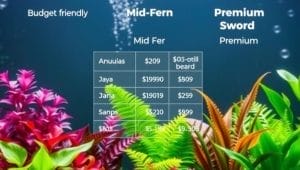
Budget-Friendly Choices from $6.99 to $7.99
Starting your collection is surprisingly affordable. Cryptocoryne Green Gecko often sells at price $6.99, while many quality varieties hover around price $7.99.
When you shop for starter options, you’ll find multiple formats at this price point. Pot-grown specimens and tissue culture cups both offer great value. Alternanthera Reineckii Mini starts from just $4.99.
Premium Selections and Investment Pieces
For experienced hobbyists, premium products deliver exceptional quality. Tissue culture varieties like Cryptocoryne Parva command price $19.99 but offer pest-free assurance.
You can view rare finds like Cryptocoryne Sindoor at price $29.99 for unique textures. Watch for sales where regular price $19.99 drops to sale price $9.99. This lets you acquire premium quality without stretching your budget.
Smart shopping means balancing immediate costs with long-term value. Each price tier offers distinct advantages for different stages of your aquascaping journey.
Expert Tips for Planting and Caring for Foreground Plants
Proper planting techniques make all the difference between a struggling carpet and a thriving underwater lawn. Your approach from the very beginning sets the stage for long-term success.
Effective Planting Techniques and Substrate Tips
When you bring home a new specimen from a pot, gently separate individual stem sections from the rock wool. This gives each plant room to spread its roots. Use aquascaping tweezers to firmly anchor them in your substrate.
Always bury the roots but keep the crown exposed above the substrate. Covering the crown can cause rot. Push stem varieties deep at a slight angle for better anchoring.
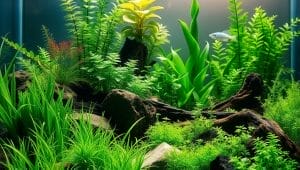
For tissue culture options, rinse off the sterile gel with water before planting. You can place the entire cup in one spot or cut it into small squares for wider coverage.
Nutrient Management and Propagation Methods
Your aquatic specimens need nutrients from both the water column and substrate. Use liquid fertilizers during water changes and root tabs for underground feeding.
Propagation is simple with most stem varieties. When they grow too tall, trim the top half and replant the cuttings. This quickly expands your plants foreground coverage.
Keep your water parameters stable during the first few weeks. This helps your new additions establish strong roots before focusing on growth.
Maintenance Essentials for a Thriving Aquascape
Keeping your underwater garden looking its best is easier than you might think. A little regular attention goes a long way in preserving that lush, carpeted effect you’ve worked so hard to create.
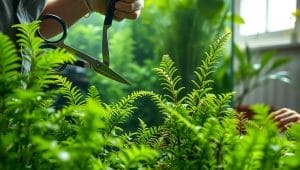
Pruning, Trimming, and Routine Upkeep
Think of your carpeting species like a lawn. They need an occasional trim to stay dense and healthy. Using sharp aquascaping scissors, you can give them a neat haircut when they get too tall.
Proper light management is crucial for this care. Under low light, your plant can become leggy. Medium to high intensity helps them stay compact.
Most enthusiasts in the aquarium hobby recommend trimming every two to four weeks. This simple routine maintains that professional, dense look. It’s a key part of ongoing care.
After trimming, quickly remove the floating leaves and clippings. A small fish net or your aquarium siphon works perfectly. This prevents decay and keeps your water crystal clear.
Pay close attention to your plant’s leaves. Yellowing or slow growth are signs it might need more nutrients or adjusted lighting. This observation is a smart part of the aquarium hobby.
Your weekly care routine can be surprisingly quick. Many people find that just 15-20 minutes is enough to keep everything pristine. Consistent light schedules and water changes make all the difference.
This regular attention ensures your leaves remain vibrant and your entire aquascape thrives. It’s a rewarding part of the journey that keeps your tank beautiful.
Leveraging Tissue Culture and Epiphyte Techniques
Modern aquarium techniques have opened up incredible new possibilities for creating pristine, pest-free environments. Tissue culture offers a revolutionary approach, giving you complete peace of mind.
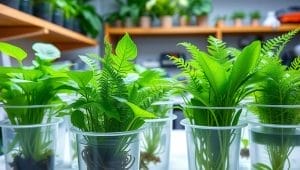
When you choose tissue culture, you receive your specimens in sterile laboratory cups. This advanced culture method ensures you never introduce snails or algae into your tank. You get multiple tiny plantlets in each cup, offering far greater value than traditional pots.
Epiphyte varieties like anubias and bucephalandra work beautifully with these modern methods. They have a unique horizontal stem called a rhizome. Remember, you must never bury this rhizome or the plant may die.
You can easily attach these epiphyte specimens to driftwood or rocks. A small dab of super glue gel on the roots holds them securely. This technique lets you build stunning vertical gardens and creative arrangements.
Also Read: Common Aquarium Problems and How to Fix Them
- Pest-free assurance for even sensitive shrimp
- Creative freedom to design unique hardscape layouts
- Quick adaptation to your tank’s water conditions
- Direct nutrient absorption from the water column
While tissue culture specimens start small, they often grow faster than pot-grown options. This modern approach has truly transformed the hobby, making rare species more accessible while maintaining top quality.
Incorporating Rarer Species like Bucephalandra and Anubias
When you’re ready to add distinctive character to your aquarium, rarer species offer unparalleled beauty. These unique specimens create focal points that make your tank truly stand out.
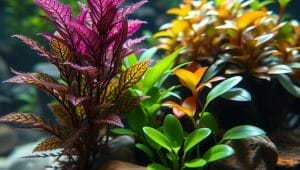
Anubias nana petite remains incredibly small, making it perfect for front areas. This versatile species thrives in almost any lighting condition. Its thick, rounded leaves create lovely contrast against grass-like varieties.
You’ll discover that bucephalandra plants showcase stunning colors from deep greens to blues. These rarer bucephalandra varieties feature unique textures that add visual interest. The oblong leaves of certain types catch light beautifully.
Proper planting ensures success with these epiphyte species. Push the rhizome and roots into the substrate, then gently pull upward until the rhizome rests on top. Only the roots should remain buried beneath.
These slow-growing species require patience but reward you with years of beauty. For more detailed guidance on selecting unique aquarium specimens, explore our rare aquarium plants guide.
Top Product Picks for Aquarium Hobbyists
Your journey to a stunning aquascape gets much easier when you start with proven performers that have earned their reputation. These reliable choices give you the confidence to create beautiful results from day one.
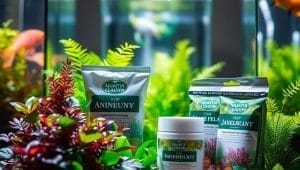
Highly Rated Plants and Supplier Insights
Beginner-friendly options like Cryptocoryne parva and anubias nana petite are excellent starting points. They’re forgiving and create beautiful carpets with minimal fuss.
When selecting your aquatic specimens, choose suppliers who offer guarantees and clear care instructions. Quality products arrive in excellent condition, ready for your tank.
Many enthusiasts recommend mixed selections rather than single species. This approach creates natural variety in your aquascape. You can view our top sellers for inspiration.
Where to Shop and What to Look For
Reputable shops provide both potted and tissue culture formats. This flexibility lets you choose based on your preferences and budget.
Before purchasing, check supplier blog resources for planting guides and troubleshooting tips. Detailed photos help you view exactly what you’re getting.
Starter packages make wonderful gift options for fellow hobbyists. Gift certificates are perfect for birthdays or holidays too. These thoughtful gift ideas support your friends’ aquatic journeys.
Maximizing Your Aquascape with Layered Planting Techniques
Imagine your aquarium as a beautifully staged theater production, where every performer gets their moment in the spotlight. This thoughtful arrangement creates visual harmony that makes your entire aquascape come alive.
Designing with Midground and Background Plants
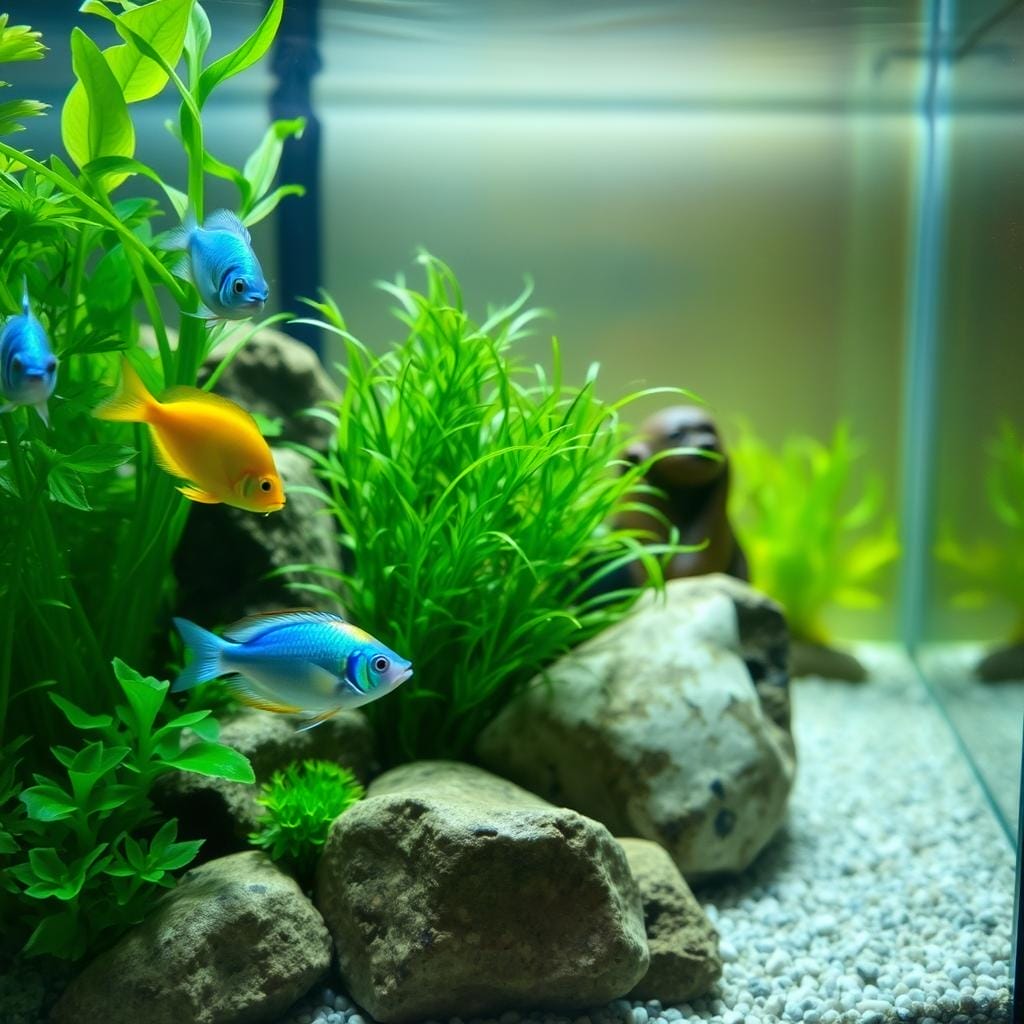
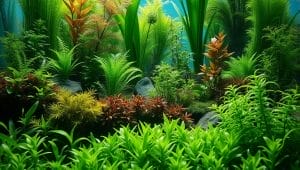
Your shortest specimens belong up front, while medium-height varieties fill the middle section. Taller background plants create a lush backdrop against the rear glass.
This bleacher-style arrangement ensures every element remains visible from your viewing angle. Cryptocoryne lucens works beautifully as a transition species between layers.
Chain sword varieties offer incredible versatility across your layout. You can use dwarf types in front and regular chain sword further back.
Your background plants should frame the entire composition without overwhelming smaller specimens. They draw the eye naturally through your carefully planned layers.
The lucens variety provides that perfect intermediate height for seamless blending. It helps your foreground carpet flow gracefully into taller background sections.
When selecting background plants, choose species that complement rather than compete. Think of them as supporting actors that enhance your main features.
Final Reflections on Creating a Vibrant Aquarium Environment
The journey of creating your perfect foreground display is one of patience, learning, and ultimately, incredible satisfaction. You now have the knowledge to build a stunning centerpiece that will transform your space.
Remember that matching species to your setup matters more than chasing trends. If you love dense carpets, dwarf baby tears create that professional look but need high light and CO2. For a similar appearance with easier care, Monte Carlo offers a great alternative.
This hobby thrives on experimentation. Don’t fear trying different combinations in your aquarium. Mini varieties work beautifully in smaller tanks, maintaining proportion while delivering the same aesthetic impact.
Your success comes down to choosing wisely, maintaining consistency, and allowing time for growth. Whether starting with easy options or challenging yourself with baby tears, watching your underwater world evolve is deeply rewarding. The transformation from bare substrate to lush carpet represents one of the most satisfying achievements in the aquarium hobby.
FAQ
What are the easiest foreground plants for a beginner?
For a low-maintenance start, we recommend Anubias Nana or some Cryptocoryne varieties. These species are hardy, adapt to various light levels, and don’t require high-tech setups, making them perfect for your first aquascape.
How do I create a carpeting effect in my tank?
Achieving a lush green carpet often requires plants like Dwarf Baby Tears. You’ll need consistent light and proper nutrients in your substrate. Regular trimming encourages these species to spread horizontally, creating that beautiful, dense carpet you’re aiming for.
What’s the benefit of buying tissue culture plants?
Tissue culture offers significant advantages. These plants are grown in sterile labs, so they are free from pests, algae, and pesticides. This gives your aquarium a clean, healthy start and helps prevent common issues that can come with potted plants.
Can I attach plants like Bucephalandra to hardscape?
Absolutely! Bucephalandra and Anubias are epiphytes, meaning they shouldn’t be buried in substrate. You can easily attach them to driftwood or rocks using super glue gel or thread. Their roots will eventually anchor them naturally.
How much should I budget for quality foreground plants?
A> You can find excellent options at various price points. Budget-friendly choices start around .99, while rarer species like certain Bucephalandra may be investment pieces. A good mix often provides the best value for creating a dynamic aquascape.
What’s the best way to care for my new aquarium plants?
Success starts with understanding each plant’s needs. Provide appropriate light, supplement with liquid fertilizers if needed, and perform regular maintenance like pruning. Always research the specific care requirements for each species in your selection to ensure they thrive.
Hi, I'm Millie a passionate fish enthusiast and blogger. I loves learning about all kinds of aquatic creatures, from tropical fish to stingrays.