
Explore Top Public Aquariums: A Traveler’s Guide
 Millie Douglas
Updated on: December 1, 2025 .
16 min read
Millie Douglas
Updated on: December 1, 2025 .
16 min read
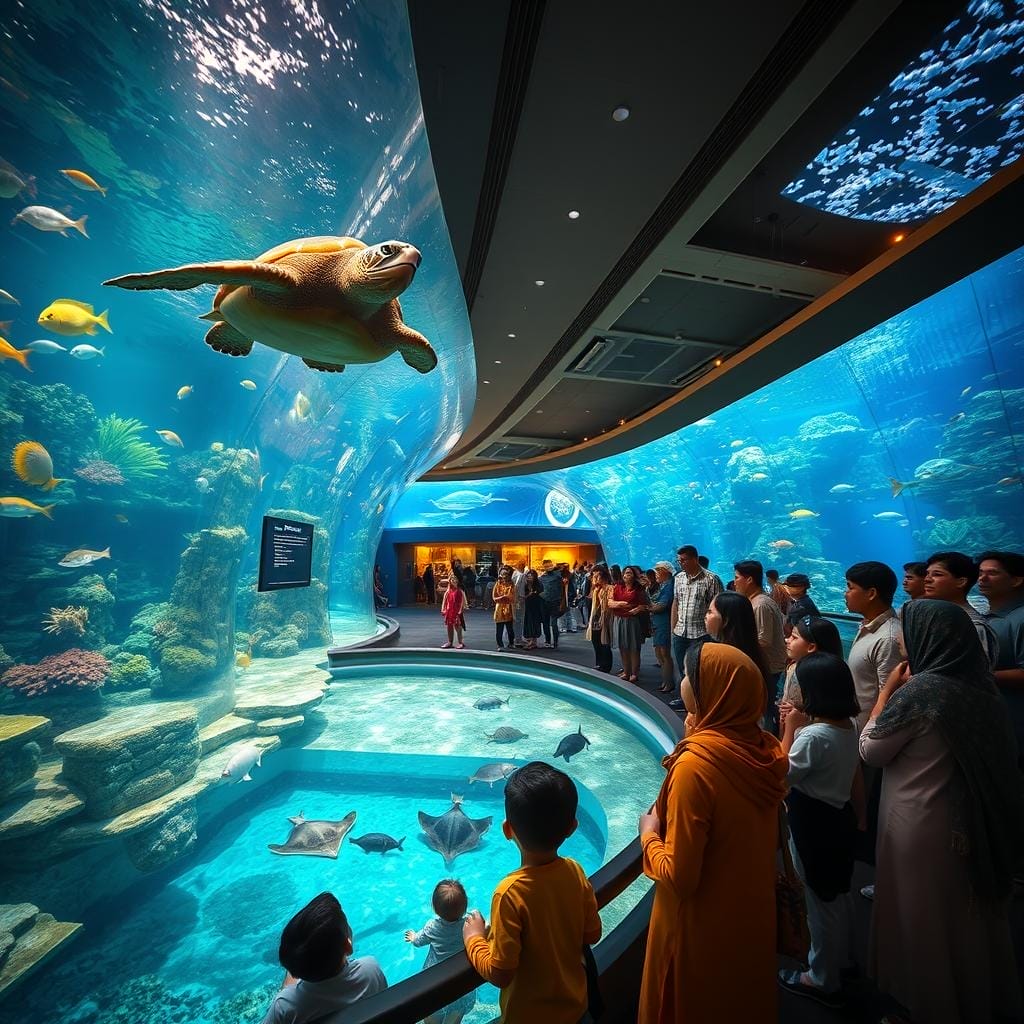
Imagine standing face-to-face with a gentle whale shark or watching colorful tropical fish dance around coral reefs. These incredible experiences await you at aquatic centers across the country. We’re here to guide you through the most amazing underwater adventures available today.
Did you know that over 183 million people explore these facilities each year? That’s three times more than the number of recreational anglers in the United States. With 240 AZA-accredited institutions worldwide, you have countless opportunities to discover marine life up close.
The Georgia Aquarium alone holds over 11 million gallons of water. But size isn’t everything. We’ll show you how to identify quality facilities that prioritize animal care and conservation. Your visit supports important work protecting endangered species.
These centers have evolved from simple fish displays into premier destinations combining education, entertainment, and scientific research. You’ll learn what makes each location special and how to plan visits that create lasting memories. Get ready to dive into a world of wonder!
Overview of Public Aquariums as Premier Destinations
From humble beginnings as simple fish displays to today’s spectacular underwater worlds, aquatic facilities have undergone an incredible transformation. These public aquariums now stand as premier destinations that blend beauty, learning, and wonder into unforgettable experiences for you.
History and Evolution of Aquarium Experiences
The journey began in 1853 London with the world’s first public exhibition. Early displays focused mainly on game fish from local hatcheries.
Today’s facilities serve four important purposes. They offer aesthetic beauty, deep education, wonderful entertainment, and scientific value. This evolution connects you emotionally to natural history and conservation needs.
Unique Attractions and Exhibit Highlights
You’ll encounter amazing animals through innovative exhibits. Walk-through tunnels let fish swim overhead while interactive pools allow gentle contact with marine life.
Behind-the-scenes tours reveal how caretakers maintain these complex habitats. Each visit supports vital conservation work protecting endangered species.
Public Aquariums – Accredited by AZA
When planning your next underwater adventure, there’s one symbol that guarantees quality and care: the AZA accreditation logo. This mark from the Association of Zoos and Aquariums tells you that you’re choosing a facility committed to excellence.
What AZA Accreditation Means for Visitors
You can feel confident knowing that AZA-accredited institutions meet the highest standards. The Association of Zoos and Aquariums carefully evaluates each facility through rigorous inspections.
Experts assess animal welfare, veterinary care, and operational excellence. This ensures that creatures receive proper habitats and species-appropriate care.
Choosing accredited zoos and aquariums means your visit supports ethical practices. There are currently 240 AZA-accredited facilities worldwide as of September 2025.
Your ticket purchase directly contributes to conservation efforts. These zoos and aquariums provide environments where animals thrive while offering you an unforgettable experience.
Look for the AZA logo when selecting your destination. It’s your assurance that you’re supporting facilities dedicated to animal wellbeing and conservation success.
A Comprehensive Service Directory for Aquarium Travelers
Planning your aquatic adventures just got simpler with our comprehensive directory. You’ll find this resource incredibly useful whether traveling across the country or exploring locally.

We’ve organized this helpful list to make searching by location effortless. You can quickly find quality facilities near any destination using the AZA’s zip code feature.
This tool ensures you never miss an opportunity to visit exceptional marine centers. The directory includes both famous destinations and hidden gems in smaller cities.
Some locations operate as stand-alone centers focused entirely on aquatic life. Others connect to academic research centers or botanical gardens, offering you more to explore.
You’ll appreciate having access to the complete alphabetical list of 240 accredited institutions. This allows you to research multiple public aquariums across different regions.
Each destination offers unique exhibits worth adding to your travel itinerary. Our directory makes discovering these amazing aquariums straightforward and enjoyable.
You can confidently plan visits to multiple public aquariums knowing each meets high standards. This comprehensive guide turns complex planning into simple, exciting preparation for your next underwater journey.
Top Rated U.S. Public Aquariums and Their Highlights
Your journey to America’s most spectacular underwater worlds begins with two standout destinations. These facilities represent the pinnacle of aquatic exhibits and conservation leadership.
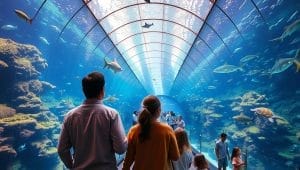
Georgia Aquarium Spotlight
The Georgia Aquarium holds the impressive title of largest aquarium in the United States. With over 11 million gallons of water, this massive facility creates unforgettable encounters.
You’ll marvel at whale sharks, beluga whales, and manta rays in enormous viewing tunnels. The scale of these exhibits creates truly awe-inspiring moments that stay with you long after your visit.
This exceptional facility maintains AZA accreditation through March 2029. Your support helps fund vital conservation programs worldwide.
Highlights from Monterey Bay Aquarium
California’s Monterey Bay Aquarium combines stunning exhibits with groundbreaking research. Their world-leading institute monitors ocean changes and environmental threats.
You can experience the famous kelp forest, sea otter habitat, and mesmerizing jellyfish galleries. Each display showcases why this bay aquarium ranks among the most innovative globally.
Accredited through March 2028, your visit supports larger conservation outreach programs. These top-rated public aquariums demonstrate how entertainment and science create meaningful change.
Navigating the Directory: Tips and Tools
Your adventure planning becomes effortless when you know how to navigate the directory effectively. We’ve designed our search system to help you find perfect destinations quickly and easily.
Search and Filter Options by Location
You’ll love how simple it is to find marine centers near your travel destinations. Our location-based search lets you filter by zip code, state, or region.
This powerful tool helps you discover amazing facilities you might not have known existed. You can also search for specific features like touch tanks or penguin exhibits.
The complete alphabetical list includes all 240 accredited institutions. This makes comparing different locations straightforward and enjoyable.
Reciprocal Admissions and Membership Benefits
Here’s an incredible money-saving tip for your travels. If you’re a member of your local AZA-accredited facility, you may qualify for reciprocal admission.
The Association of Zoos Reciprocal Admissions Program could save you hundreds of dollars. Many participating zoos and aquariums across the country honor each other’s memberships.
Always check the program details before traveling. This benefit maximizes your membership value throughout the year.
Combined facilities offer both terrestrial and aquatic exhibits. This gives you even more value for each visit to these wonderful destinations.
Understanding the Conservation Mandate of Aquariums
Behind every beautiful exhibit lies a deeper mission: securing the future of aquatic ecosystems through dedicated conservation efforts. The World Association of Zoos and Aquariums defines this work as securing species populations in natural habitats for the long term.
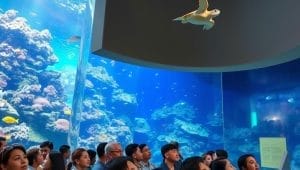
Research, Conservation Outreach, and Policy Initiatives
Your support enables vital research and policy development. These facilities collaborate with universities and government agencies to address urgent threats facing aquatic ecosystems.
Many public aquariums actively restore degraded local habitats. The National Aquarium in Baltimore and Shedd Aquarium in Chicago install floating wetlands to clean water and create fish habitat.
Educational Missions and Community Impact
Educational programs at these centers are proven to increase conservation awareness. You’ll find targeted programs for school groups, teachers, and families both on-site and in local schools.
Broad-based community support makes these institutions important places for public engagement. They translate complex conservation biology into accessible messages that inspire action.
Your visit helps build the public and political support needed to protect marine life effectively. Every ticket purchase contributes to this meaningful work with animals and their habitats.
Experiential Value: Visitor Motivations and Wellbeing
Your time spent observing marine creatures provides more than just visual entertainment—it nourishes your mind and spirit in measurable ways. The experience connects you with nature in profound ways that benefit your overall wellbeing.
Emotional Connections with Marine Life
When you watch a sea otter play or a ray glide gracefully, you’re building important emotional bonds. These personal connections to animals make you more likely to value and protect natural environments.
Empathy for marine life develops through these meaningful interactions. Children especially benefit from these experiences in our modern world where nature encounters are rare.

Health and Relaxation Benefits from Visiting Aquariums
You’ll be pleased to know that visiting these facilities offers genuine health advantages. Research shows that watching fish can lower blood pressure and reduce anxiety.
Studies confirm the calming effect of aquarium visits improves mood and provides relaxation. The biodiversity in these public aquariums genuinely influences your psychological wellbeing.
Your next visit to one of these amazing aquariums can become a therapeutic experience. Take your time connecting with the creatures—it’s good for your health.
Success Stories and Special Exhibits
The most memorable moments at marine centers often come from hands-on encounters with special ambassador creatures. These experiences create powerful connections that transform how you view marine conservation.
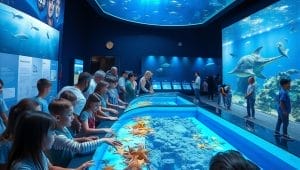
Interactive Displays and Ambassador Animals
You’ll find incredible opportunities to interact with specially trained animals at many quality facilities. These ambassador creatures help you understand species you might never encounter in the wild.
Touch tanks, penguin feedings, and diver presentations offer real-time learning. Educators explain behaviors and conservation needs while you observe these amazing animals up close.
The sawfish conservation story shows how powerful these exhibits can be. Since the 1930s, when the John G. Shedd Aquarium first displayed public a Smalltooth Sawfish, millions have connected with these endangered fish.
Your interactions create emotional bonds that static displays cannot achieve. These experiences make conservation messages more memorable and meaningful for you.
Also Read: Common Aquarium Problems and How to Fix Them
Many facilities share their conservation success stories through these interactive programs. Ambassador animals serve as important advocates for protecting wild habitats.
When creatures are properly displayed public with care, they inspire you to support conservation efforts. Your participation in these programs creates lasting impact beyond your visit.
The Role of Public Aquariums in Supporting Fish Conservation
Behind the beautiful exhibits you enjoy lies a powerful engine for protecting the world’s most vulnerable fish populations. These institutions have become essential partners in global conservation efforts.
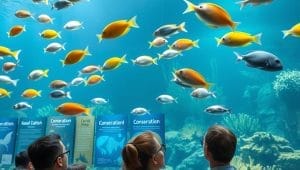
The Association of Zoos and Aquariums created the Saving Animals from Extinction (SAFE) program in 2014. This initiative combines visitor support with expert resources to protect threatened species.
Initiatives for Rare and Endangered Fish
Sharks and rays were chosen as the first focus group for good reason. These animals face alarming population declines and need immediate coordinated help.
Your visit supports collaborations with organizations like the Wildlife Conservation Society and Shark Trust. Together, they use their large audiences to boost awareness and action for marine life protection.
Innovative breeding programs for endangered fish like sawfish ensure genetic diversity. This conservation biology work creates potential for future reintroduction efforts.
Research conducted at these facilities directly benefits wild populations. Scientists study animals in controlled settings to develop better protection strategies.
When you visit, ask staff about their conservation initiatives. They love sharing how your support helps save endangered fish worldwide.
Planning Your Visit: Practical Advice for Aquarium Tourism
Smart preparation transforms a simple aquarium trip into an unforgettable educational journey. With over 183 million annual visitors to these wonderful destinations, knowing a few key tips will make your experience smoother and more enjoyable.

Best Visiting Practices and Peak Hours
You’ll enjoy the most peaceful experience during weekday mornings when crowds are smaller. This timing gives you quality moments with exhibits and educational staff.
Plan for 2-4 hours depending on the facility size. Arrive early to catch morning feeding demonstrations and animal presentations that often occur during these hours.
Ticketing Information and Facilities Overview
We strongly recommend buying tickets online in advance. Many locations offer discounted pre-purchased tickets and timed entry helps manage visitor flow efficiently.
Some centers combine zoo and aquarium exhibits, giving you incredible value. Stand-alone aquatic centers provide focused marine experiences—check before visiting to set expectations.
You’ll find excellent amenities like cafes, gift shops, and accessibility features. These make visits comfortable for families and visitors with different needs.
Always check each facility’s website for special events and behind-the-scenes tours. These opportunities can enhance your visit beyond the standard admission experience.
Public Aquariums as Cultural and Scientific Hubs
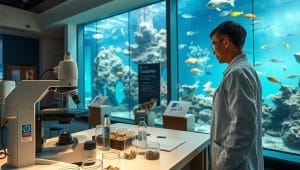
These institutions have evolved into dynamic centers that bridge the gap between scientific discovery and public understanding. You’ll find they serve dual roles as both research powerhouses and community gathering spaces.
Scientific Research Contributions
You might be surprised to learn that many facilities operate serious research institutes. The Monterey Bay Aquarium Research Institute leads deep-ocean studies using advanced technology.
They monitor climate change impacts and environmental threats. Your visit supports this vital conservation biology work.
Inspirational stories like Dr. Eugenie Clark’s show how these places spark scientific careers. Her childhood aquarium visit led to becoming a world-renowned shark expert.
Cultural Impact and Community Engagement
These destinations serve as cultural hubs in their communities. They host events and collaborate with schools to make science accessible.
You’ll appreciate how they constantly evaluate educational programs. Staff use surveys to improve how they engage visitors.
Your experience becomes more meaningful when you understand the research happening behind the scenes. Explore scientist profiles on facility websites before your next visit.
Diverse Aquarium Facilities Across the United States
America’s coastline-to-coastline diversity creates spectacular aquatic centers reflecting unique regional ecosystems. You’ll discover how each area showcases local marine environments through specialized exhibits.
The East Coast offers incredible variety from Baltimore’s National Aquarium to New York’s aquatic wonders. These facilities highlight Atlantic species and coastal conservation efforts.
Regional Highlights: East Coast, West Coast, and Beyond
West Coast treasures include the famous Monterey Bay Aquarium with its kelp forests. You’ll also find excellent sea life aquarium experiences in Seattle and Long Beach.
Midwestern gems like Chicago’s John G. Shedd Aquarium showcase Great Lakes species. The Tennessee Aquarium in Chattanooga features amazing river habitats.
Unique Facility Features and Local Attractions
North Carolina boasts multiple facilities including Pine Knoll Shores. Many centers combine with botanical gardens or natural history museums.
You can find quality marine centers across all fifty states. Each offers distinct experiences matching local environments.
Smaller cities host remarkable facilities too. These often partner with universities as marine science center research hubs.
Innovative Exhibits and Digital Engagement Trends
Your next aquarium visit might include virtual reality adventures alongside traditional exhibits. Technology is creating exciting new ways for you to connect with underwater worlds.
Digital Displays and Interactive Technologies
You can now experience marine environments through augmented reality and interactive touchscreens. These tools bring sea life stories to vivid life right before your eyes.
Shark Cams let you watch these amazing animals in real-time from anywhere. This technology extends your experience beyond your actual visit.
Many facilities combine live exhibits with cutting-edge digital kiosks. You can dive deeper into topics that interest you most.
Virtual reality experiences allow you to swim with whales or explore coral reefs. These create unforgettable educational moments that stay with you.
You can also engage with public aquariums online through live webcams and virtual tours. This makes learning accessible even when you cannot visit in person.
The combination of seeing live animals and using interactive technology creates the most comprehensive experience. Your visit to these aquariums becomes both entertaining and educational.
Looking Ahead: Future Trends and Challenges in Aquarium Management
The path forward for marine exhibits involves navigating delicate balances between education, conservation, and animal wellbeing. You’ll see these institutions evolving to meet new expectations while maintaining their core missions.
Emerging Conservation Challenges
You should know that marine centers face important decisions ahead. They must balance animal welfare with educational goals while addressing changing public expectations.
We want to be honest about the tensions these facilities navigate. They carefully weigh the educational value of displaying species against welfare concerns. Every animal’s needs must be fully met.
You’ll see these institutions moving toward more field-based conservation. The World Zoo and Aquarium Conservation Strategy calls for action-driven approaches. Facilities will become active participants in protecting wild populations.
Climate change impacts marine ecosystems dramatically. These centers increasingly serve as genetic reservoirs for threatened species. They conduct vital research on warming oceans and habitat loss.
The Association of Zoos and Aquariums encourages stronger connections between captive animals and wild conservation. Integrated species plans ensure every animal contributes meaningfully to saving their species.
You can support facilities that prioritize transparency and staff expertise. Your patronage of quality zoos aquariums shapes the future of the entire community. Choose institutions that demonstrate measurable conservation impacts.
Wrap-Up Insights and Final Reflections
With this comprehensive guide now complete, you’re equipped to make informed choices that support ethical animal care and environmental stewardship. Your visits to public aquariums become powerful contributions to conservation when you choose AZA-accredited facilities.
The Association of Zoos and Aquariums accreditation ensures your support goes toward meaningful work. These zoos aquariums blend education, research, and animal welfare in ways that create lasting impact.
You now understand how these remarkable aquariums serve as conservation hubs. Your experiences at quality public aquariums forge emotional connections that inspire lifelong environmental advocacy.
Remember that the Association of Zoos and Aquariums logo guides you to exceptional destinations. Your patronage of these wonderful zoos aquariums supports creatures and habitats worldwide.
Carry this knowledge forward as you explore amazing aquariums across the country. Each visit becomes an opportunity to learn, connect, and contribute to protecting our aquatic world.
FAQ
What does AZA accreditation mean for an aquarium?
AZA accreditation by the Association of Zoos and Aquariums is a prestigious mark of quality. It means the facility meets the highest standards for animal care, veterinary programs, conservation efforts, and visitor safety. Choosing an AZA-accredited institution like the Monterey Bay Aquarium or the Shedd Aquarium ensures your visit supports exceptional animal welfare and science-based education.
Are there benefits to having a membership at an aquarium?
Absolutely! Membership often includes unlimited annual admission, discounts at gift shops and cafes, and exclusive event invitations. Many facilities, like the Tennessee Aquarium or the Georgia Aquarium, also participate in reciprocal programs, offering discounts or free entry to other AZA-accredited zoos and aquariums across the United States, which adds tremendous value for frequent travelers.
How do aquariums contribute to marine conservation?
These centers are vital hubs for conservation. They fund and conduct research on endangered species, like sea turtles and coral reefs, and run breeding programs for animals like the sea otter. Facilities such as the New York Aquarium and the North Carolina Aquarium at Pine Knoll Shores also engage in policy initiatives and public outreach to protect marine ecosystems, making your visit a direct contribution to these important efforts.
What are the best times to visit to avoid crowds?
For a more peaceful experience, plan your visit for weekday mornings right when the facility opens. School holidays and weekends, especially afternoons, are typically the busiest. Checking the online calendar for the specific aquarium, such as the Ripley’s Aquarium or the San Antonio Aquarium, can also help you avoid special event days and ensure a more relaxed exploration of the exhibits.
Can I expect to see interactive exhibits?
Yes, modern aquariums heavily feature interactive and digital displays. You might find touch tanks with stingrays, virtual reality experiences, or digital kiosks that provide in-depth information about marine life. The Marine Science Center in Kansas City and other leading facilities are constantly innovating with new technologies to create engaging, hands-on learning adventures for all ages.
What should I look for in a top-rated aquarium?
Look for a diverse range of well-maintained habitats, a clear commitment to conservation and education, and positive visitor reviews about animal wellbeing. Top-rated destinations like the Georgia Aquarium and the Monterey Bay Aquarium are known for their spectacular exhibit highlights, such as massive ocean tanks or captivating jellyfish displays, which offer an unforgettable and educational day out.
Aquarium tourismBest aquarium experiencesMarine life explorationTop public aquariumsTraveler's guide
Hi, I'm Millie a passionate fish enthusiast and blogger. I loves learning about all kinds of aquatic creatures, from tropical fish to stingrays.