
Tetra Fish Care: Simple Steps to a Healthy Aquarium
 Millie Douglas
Updated on: December 1, 2025 .
14 min read
Millie Douglas
Updated on: December 1, 2025 .
14 min read
Have you ever wondered if a truly vibrant and healthy underwater world is simpler to create than you’ve been led to believe?
Many think a thriving home for aquatic life requires complex science. The truth is far more encouraging. With the right guidance, anyone can build a beautiful, stable environment. Your journey to a stunning tank starts here.
Welcome to the rewarding world of keeping these small, shimmering swimmers. We will walk you through every essential step. You will learn how to select the perfect setup and maintain ideal water conditions.
This guide transforms what seems complicated into clear, manageable actions. Whether you are new to the hobby or seeking to enhance your skills, our supportive advice is for you. Your success hinges on understanding the unique needs of these lively creatures.
By following these straightforward steps, you will create a secure habitat. Your pets will reward you with their dazzling colors and active, playful nature. Let’s begin this exciting adventure together.
Understanding the Unique Needs of Tetra Fish
The dazzling beauty of your aquarium begins with understanding its stars. Getting to know their origins and preferences makes creating a perfect home much easier. This knowledge is your foundation for success.
Overview of Popular Tetra Species
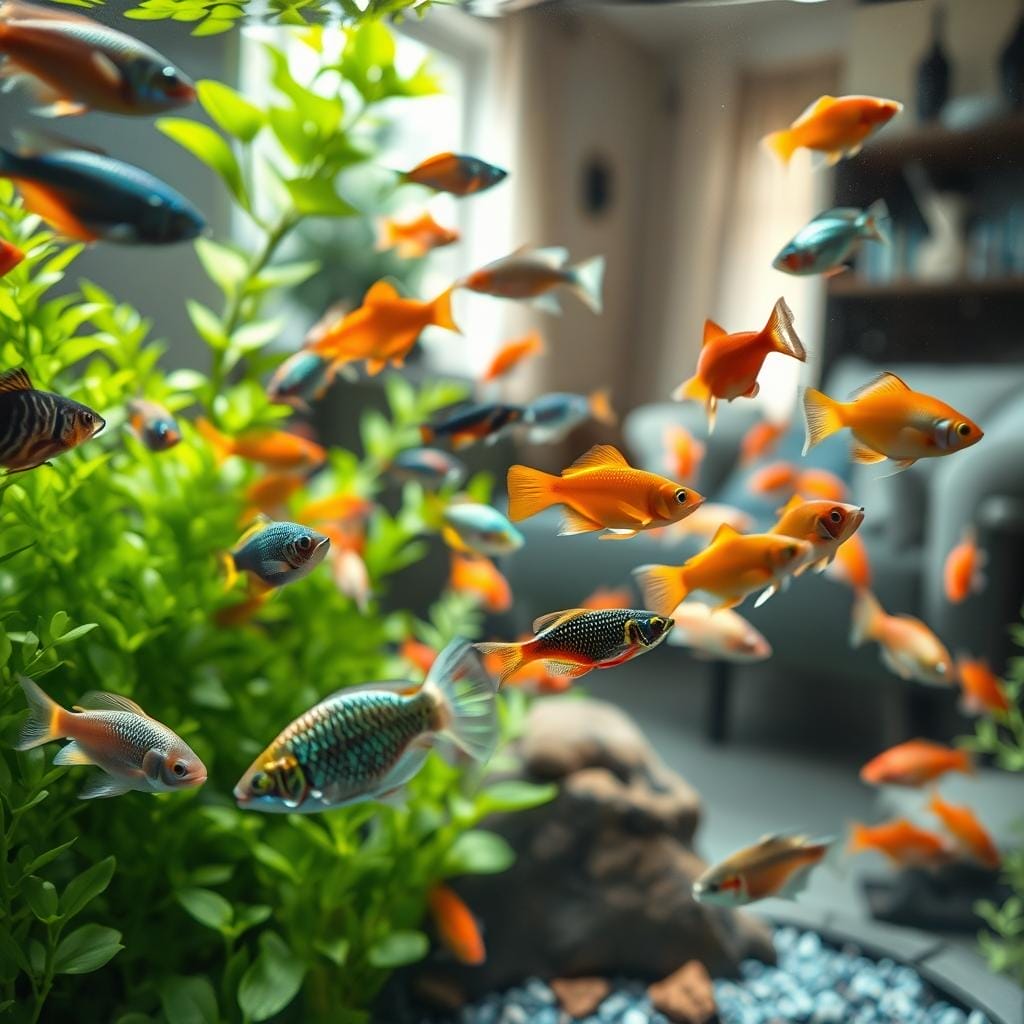
You have an amazing variety of shimmering swimmers to choose from. Each type brings its own unique colors and personality to brighten your tank.
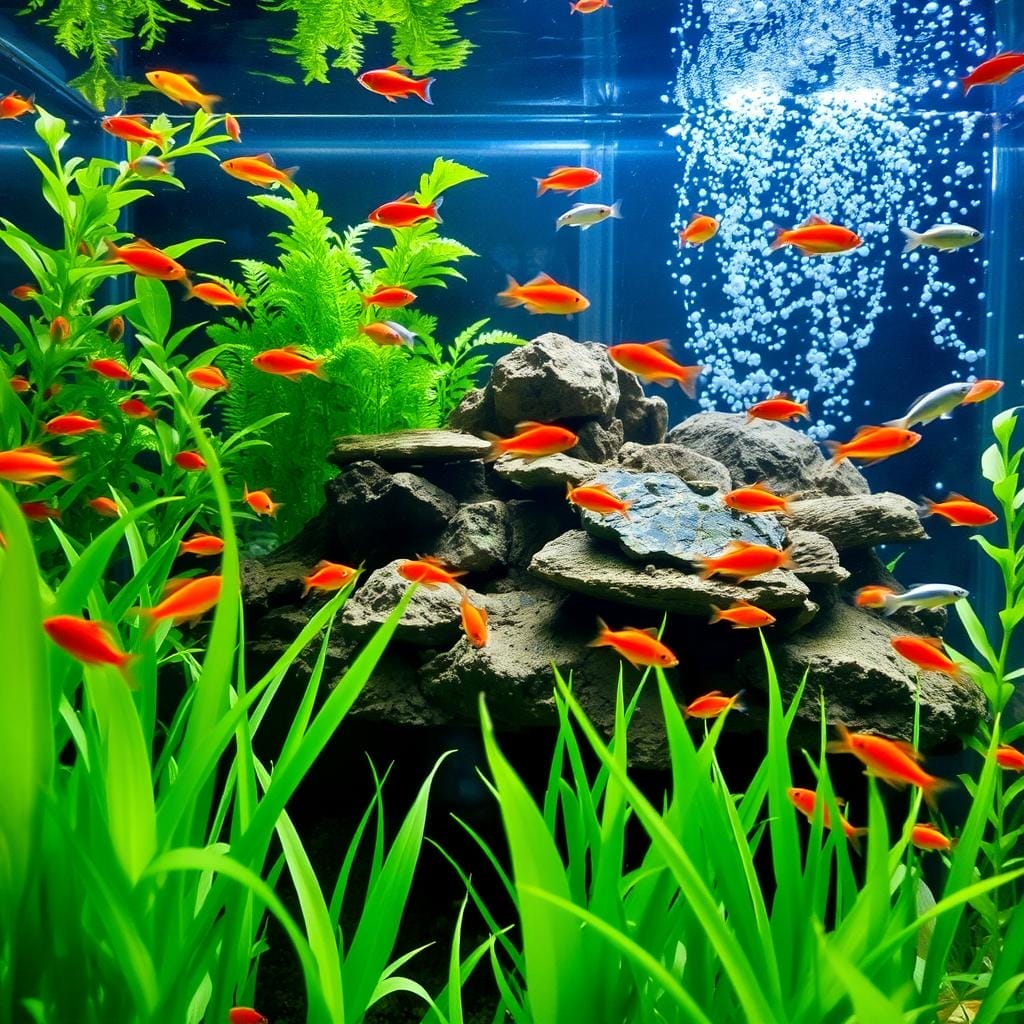
Among the most popular species are the brilliant neon tetras. They feature an electric blue stripe with a red accent. The stunning cardinal tetras display a full-length red stripe. Petite green neon varieties glow with an iridescent turquoise light.
These small, peaceful fish generally stay under two inches. Their quiet nature makes them wonderful community tank residents.
Natural Habitat and Behavior
Your aquatic pets originate from the fascinating Amazon basin. They naturally inhabit blackwater streams under dense vegetation and fallen leaves.
This shaded habitat explains why they thrive in tanks with low light and hiding spots. Understanding that they are schooling fish by nature is crucial. They are most active and comfortable when kept in groups.
You will see them actively swimming in the middle to lower water levels. As omnivorous creatures, they need a mix of plant-based and protein-rich foods for optimal health.
Setting Up the Ideal Aquarium Environment
Creating a secure and beautiful home for your shimmering swimmers is an exciting and achievable goal. A well-planned aquarium provides the foundation for their health and happiness. Let’s build that perfect environment together, step by step.
Choosing the Right Tank and Substrate
Your first decision is selecting the correct tank. For small species like neons, start with a minimum 10-gallon size. A 20-gallon aquarium is even better for water stability and swimming space.
A simple rule helps: provide one gallon of water for every inch of a fully grown tetra. This ensures each fish has ample room. Always use a secure lid to keep your pets safe inside their home.
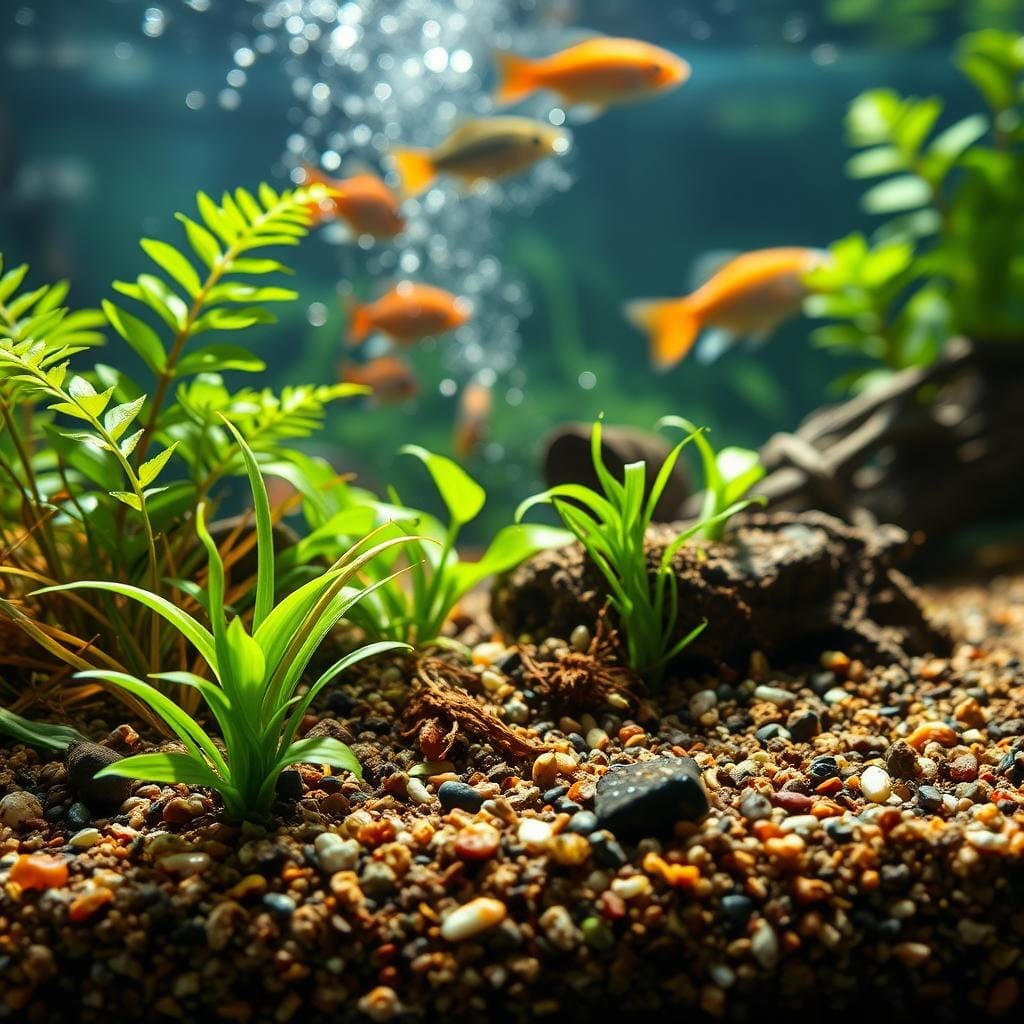
Next, focus on the foundation. A dark-colored substrate makes those brilliant colors pop. Aim for a layer about one to two inches deep.
You will need roughly one and a half pounds of substrate for each gallon of water in your tank. Rinse it well before adding to keep the water clear.
Selecting Plants, Driftwood, and Hiding Spots
These lively creatures thrive when they feel secure. Adding decorations creates essential hiding spots and reduces stress.
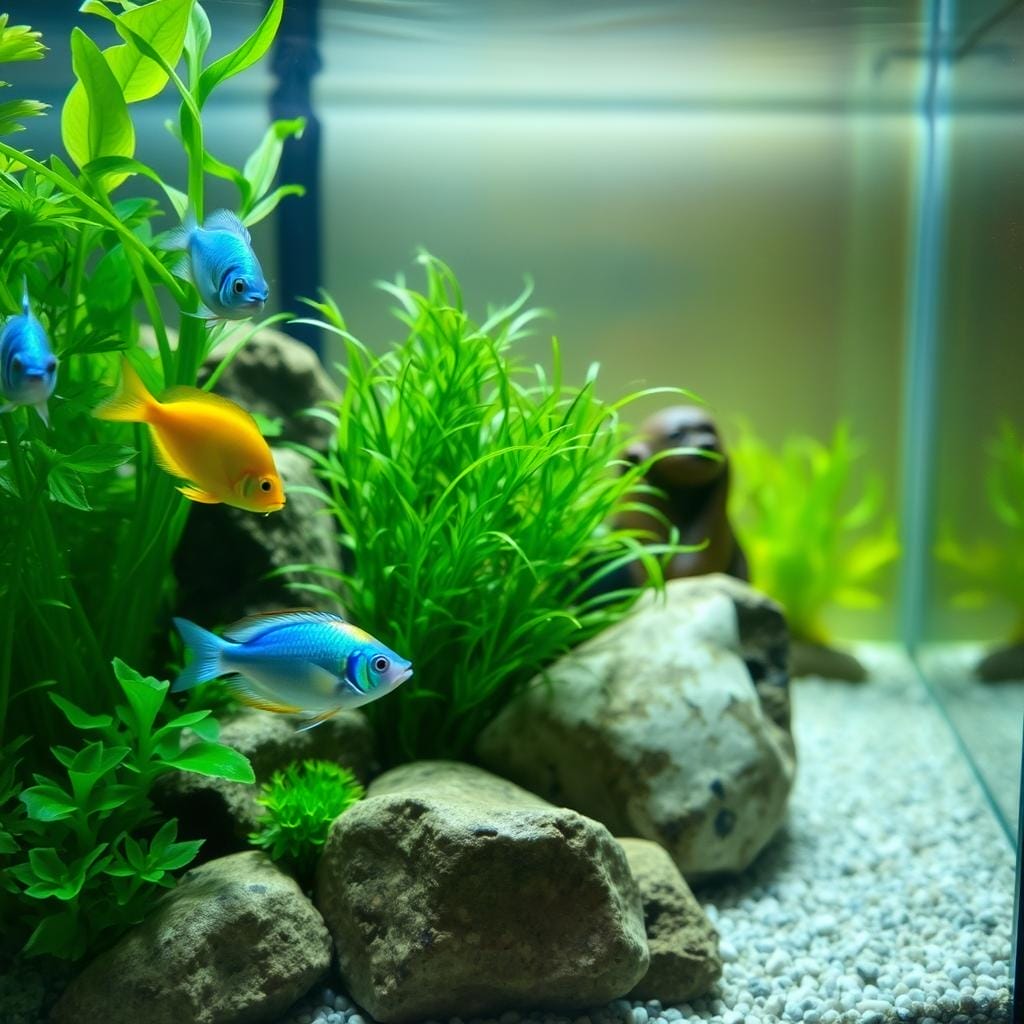
Live plants, pieces of driftwood, and smooth rocks build a natural sanctuary. This setup encourages playful behavior and makes your aquarium stunning.
Floating plants are excellent for creating shaded areas. They mimic the natural forest streams your pets love. Your swimmers will appreciate these cozy hiding places.
Water Parameters for a Healthy Aquarium
The true secret to a thriving aquatic environment lies in the invisible chemistry of the water itself. Maintaining stable water parameters is your most important task. Getting this right prevents most common problems before they even start.
Temperature and pH Requirements
Your shimmering swimmers thrive in warm water between 72-82°F. It’s crucial to keep temperature changes within 2 degrees in a single day. Sudden shifts can cause stress.
The ideal pH range for most species is 6.8 to 7.8. Some, like the green neon, are quite hardy. For the best results, aim for soft, slightly acidic water with a pH not exceeding 7.0. This mimics their natural habitat.
Water hardness is another key factor. Keep it between 2 to 10 dGH for optimal conditions. Your goal is to create a comfortable and familiar environment.
Testing Methods and Regular Monitoring
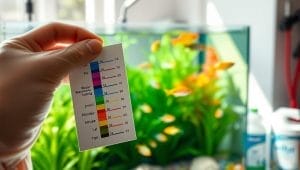
You can’t manage what you don’t measure. A quality aquarium test kit lets you check key parameters quickly. Regular testing gives you the information needed to catch issues early.
Your target levels are simple: ammonia and nitrite must always be at 0 ppm. Nitrates should be kept low. These numbers confirm your tank’s biological filter is working perfectly. Consistent monitoring is the key to long-term success, especially for species with specific needs like the cardinal tetra.
By staying on top of these simple checks, you build a foundation of health and vitality for your entire aquarium community.
Proper Filtration and Equipment Essentials
Think of your filtration system as the lungs of your aquarium, constantly refreshing and purifying the environment. The right equipment creates a stable foundation where your aquatic community can truly thrive.
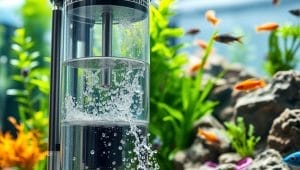
Your setup needs reliable tools that work together seamlessly. This ensures clean, oxygen-rich water and consistent temperature control.
Mechanical, Biological, and Chemical Filtration
A quality filter performs three essential jobs. Mechanical filtration traps physical debris like uneaten food and waste. Biological filtration uses beneficial bacteria to break down harmful toxins.
Chemical filtration removes dissolved impurities through media like activated carbon. Power filters and external canister units combine all three methods efficiently.
Choose a unit that processes your tank volume at least four times hourly. For a 20-gallon aquarium, select a filter rated for 80 gallons per hour minimum.
When deciding between sizes, always choose the larger option. This provides extra cleaning power for clearer water.
Since small swimmers prefer gentle currents, add a pre-filter sponge to the intake. This reduces flow strength and prevents accidents.
Your heater is equally important for temperature stability. Calculate wattage at 2.5-5 watts per gallon of water. A thermostat ensures precise control within the ideal range.
Larger setups benefit from two smaller heaters placed opposite each other. This prevents cold spots and ensures even warmth throughout your aquarium.
Tetra Fish Care: Feeding and Nutrition
Feeding your aquatic pets is one of the most rewarding parts of aquarium ownership. Watching them eagerly swim to the surface brings joy and connection. Getting their nutrition right ensures they stay vibrant and active for years.
Providing a Balanced Diet
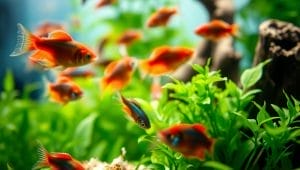
Your swimmers thrive on variety. Rotate between different foods throughout the week rather than offering the same food every day. This approach mimics their natural eating patterns.
A healthy diet includes high-quality flakes, small pellets, and frozen options. Treat them occasionally to frozen bloodworms or brine shrimp. These special foods help enhance their natural colors.
Always thaw frozen items in tank water first. Never use a microwave, as it destroys nutrients.
Scheduling and Portioning Feedings
Feed small amounts once or twice per day. Morning and evening sessions work well. Offer only what your pets can consume within two minutes.
Remove any uneaten food promptly. This prevents water quality issues. Following this simple routine keeps your aquarium clean and your pets healthy.
Your consistent feeding schedule builds trust and strengthens your bond with these beautiful creatures.
Grouping and Social Behavior of Tetras
Understanding how your pets interact with each other transforms your aquarium from a collection of individuals into a thriving community. These shimmering swimmers are naturally social creatures that find comfort and security in numbers.
Optimal School Size and Tankmates
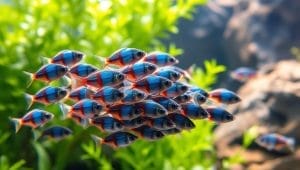
Your aquatic companions thrive when kept in proper groups. Start with at least six individuals of the same fish species to create a healthy dynamic. Larger schooling fish communities of ten or more display breathtaking synchronized swimming.
For balanced social dynamics, maintain a ratio of two to three females for every one male. This reduces territorial behavior and keeps everyone peaceful. Your neon tetras coexist beautifully with many other peaceful fish species.
Excellent tank mates include danios, rasboras, and dwarf gourami. Bottom-dwelling companions like cory catfish and shrimp occupy different water levels. They won’t compete with your active swimmers.
Preventing Aggression and Pairing Issues
Always keep your schooling fish in odd-numbered groups like five, seven, or nine. This simple trick prevents pairing behavior that can lead to aggression. Even numbers encourage couples to form and defend territory.
Choose tank mates carefully. Avoid larger, aggressive fish species that might intimidate your community. Neon varieties should never share space with bettas, as their active nature stresses solitary fish.
Adult dwarf shrimp usually coexist safely, though baby shrimp might become occasional snacks. For detailed guidance on creating harmonious aquatic communities, explore this comprehensive tetra care resource.
Routine Cleaning and Maintenance Practices
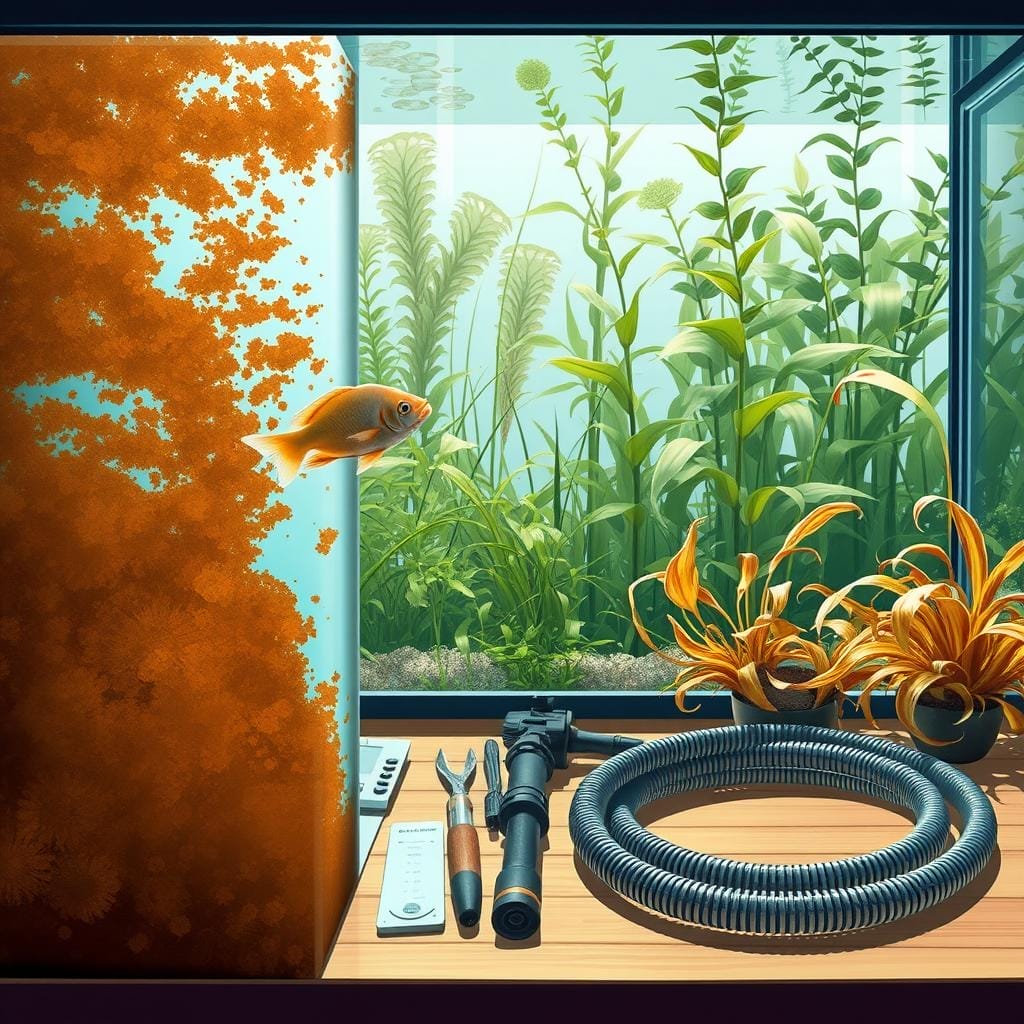
Regular upkeep transforms aquarium ownership from a chore into a rewarding ritual. Establishing a consistent schedule keeps your aquatic environment pristine and your swimmers healthy. This simple routine prevents problems before they start.
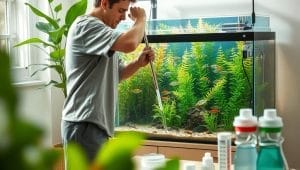
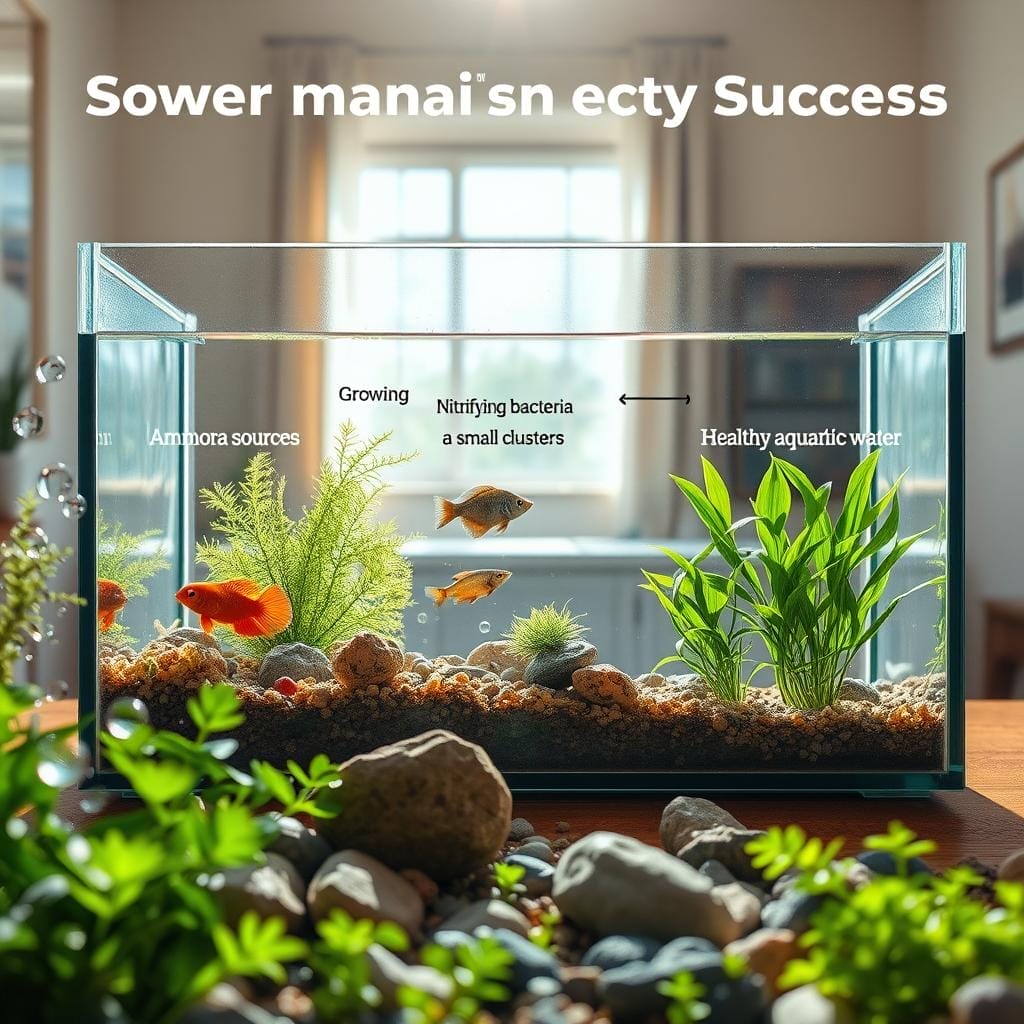
Your maintenance success begins with understanding the balance of your ecosystem. Beneficial bacteria work constantly to process waste and maintain water quality. Gentle, regular care supports their important work.
Water Change Guidelines
Perform partial water changes of 10-25% every two to four weeks. This refreshes your tank without disrupting the beneficial bacteria colony. Never replace all the water at once.
Always treat new water with a quality conditioner before adding it to your aquarium. This removes chlorine, chloramines, and heavy metals. Match the temperature and salinity to avoid shocking your pets.
Also Read: Common Aquarium Problems and How to Fix Them
When introducing new additions to your established habitat, test water parameters weekly for two months. If levels remain stable, you can reduce testing to monthly. Consistent monitoring ensures everyone stays healthy.
Your filter media needs gentle attention too. Rinse it in old tank water during changes, or replace it monthly. Never use tap water, bleach, or chemicals that harm beneficial bacteria.
For comprehensive guidance on maintaining optimal conditions, consult this detailed aquarium care resource. Your consistent efforts create a stable, beautiful environment that thrives for years.
Breeding and Reproduction Tips for Tetras
Witnessing new life emerge in your aquarium offers one of the most rewarding experiences for dedicated hobbyists. Successfully raising young requires careful preparation and specific conditions. Your patience and attention to detail will be richly rewarded.
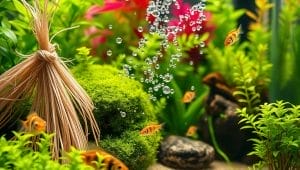
Creating the perfect breeding environment starts with a dedicated setup. You’ll need a separate 10-gallon tank seasoned with blackwater conditions. Use reverse osmosis water with catappa leaves to achieve very low pH levels.
Creating a Suitable Breeding Environment
Your breeding success depends heavily on light management. The eggs are extremely sensitive and require complete darkness for the first five days. This protection gives them the best chance for healthy development.
Build a protective barrier using plastic craft mesh elevated 3-4 inches above the tank bottom. Place java moss on top as spawning sites. This system allows eggs to fall through to safety while preventing adults from eating them.
Condition your breeding pair in a separate tank for several weeks. Feed them heavily with live foods to encourage egg development in the female. When she appears swollen with eggs, introduce her with at least one male to the spawning tank in the evening.
By morning, the adults should have released their eggs throughout the java moss. Remove them immediately to protect the developing eggs. Maintain darkness until the fry become free-swimming.
Feed the tiny fry microscopic foods like infusoria multiple times daily. As they grow, transition to baby brine shrimp. Your careful attention during these early stages ensures strong, healthy development.
Troubleshooting Common Health Issues
Your watchful eye is your first line of defense in keeping your aquatic community thriving. Spotting small changes early makes a huge difference. Quick action can often prevent a minor issue from becoming a major problem.
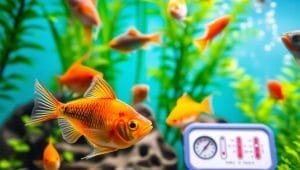
A vibrant, active swimmer with a bright stripe and intact fins is a picture of good health. They should eat eagerly and swim with the group. Any deviation from this norm warrants your attention.
Common signs of stress or disease include lethargy, loss of color, or unusual spots on the body. A swimmer that isolates itself or rubs against objects needs help.
Identifying Signs of Stress and Disease
Several ailments can affect your pets. Knowing what to look for helps you respond correctly.
- Ich appears as tiny white spots, like salt grains, on the body, fins, and tail. It is treatable with specific medications.
- Neon tetra disease is a serious parasitic condition. It causes fading color and cysts. There is no cure, so prevention is critical.
- False neon tetra disease looks similar but can be treated with antibiotics. A correct diagnosis is essential.
Other issues like fin rot or bloating also benefit from early detection. Excellent care and stable water conditions are your best tools for preventing common tetra diseases.
Guidance on Seeking Veterinary Care
Sometimes, professional help is needed. Contact an aquatic veterinarian if symptoms are severe or persistent.
Watch for rapid breathing, bulging eyes, or lumps. A loss of appetite for more than a day is also a red flag.
Your proactive approach to their well-being ensures your shimmering companions stay happy and vibrant for years to come.
Final Steps for a Thriving Tetra Habitat
With all the essential knowledge now in your hands, you’re ready to enjoy the long-term rewards of your efforts. Your shimmering companions can live 2-4 years in a well-maintained aquarium, with some reaching 8 years through exceptional attention.
Consistency remains your greatest tool for success. Stable water parameters, regular maintenance, and varied nutrition create the foundation for a healthy habitat. Your thriving underwater world becomes more than just a tank—it’s a living ecosystem that brings daily beauty to your home.
By choosing captive-bred neon tetras and supporting responsible practices, you contribute to conservation efforts. Keep observing your aquatic pets daily to understand their behavior and spot changes early.
Your journey doesn’t end here—it’s an ongoing adventure of discovery and refinement. Welcome to the rewarding world where your dedication creates a vibrant underwater environment that flourishes for years to come.
FAQ
What is the ideal group size for neon tetras?
You should keep at least six of these schooling fish together, but a group of ten or more is even better. A larger school helps them feel secure and reduces stress, allowing their vibrant colors and natural behaviors to shine.
How often should I perform water changes in my neon tetra tank?
A good rule is to change 25-30% of the water every week. This helps maintain stable water parameters and removes waste, keeping the environment clean and your pets healthy.
What are the best tank mates for neon tetras?
Excellent companions are other small, non-aggressive fish like harlequin rasboras, dwarf corydoras, and small shrimp. Avoid larger or fin-nipping species that might see your neons as food or bother them.
What do neon tetras eat?
They thrive on a varied diet. You can offer high-quality micro-pellets or flakes as a staple. For optimal health, supplement their meals with treats like brine shrimp, daphnia, or bloodworms a few times a week.
What water temperature do neon tetras need?
They prefer a tropical range between 70°F and 81°F (21°C to 27°C). Using an aquarium heater is essential to keep the temperature stable within this range, as fluctuations can cause stress.
How can I tell if my neon tetra is sick?
Watch for signs like a loss of color, clamped fins, lethargy, or spots on the body. Early detection is key, so observing your group daily will help you spot any changes in their health quickly.
Can neon tetras live with live plants?
Absolutely! Live plants are highly recommended. They provide hiding spots, improve water quality, and mimic the natural habitat of these beautiful species, making your aquarium feel more like home.
Hi, I'm Millie a passionate fish enthusiast and blogger. I loves learning about all kinds of aquatic creatures, from tropical fish to stingrays.