
Tropical Fish Diseases: Symptoms, Treatment, and Prevention
 Millie Douglas
Updated on: December 1, 2025 .
13 min read
Millie Douglas
Updated on: December 1, 2025 .
13 min read
Have you ever worried that your beautiful underwater pets might be trying to tell you they’re unwell, but you just don’t know how to listen?
It’s a common concern for anyone who loves their home aquarium. Spotting the early signs of a health issue can feel challenging. But what if you could learn to recognize those subtle clues with confidence?
This guide is here to be your supportive partner. We will walk you through identifying common problems, understanding their causes, and taking clear, effective action. Our goal is to help you create a thriving environment where your aquatic friends can flourish.
You’ll discover that with the right knowledge, most health scares are preventable. We combine expert advice with simple, practical steps you can use right away. Whether you’re facing a current problem or building a strong prevention plan, you’re in the right place to become a more confident and successful caretaker.
Introduction to Tropical Fish Diseases
Your underwater ecosystem relies on balance, and when that balance shifts, your pets may show signs of distress. Understanding these health challenges begins with seeing your tank as a complete living system.
Overview of Aquarium Health
Most health issues in your tank stem from preventable causes. Stress, overcrowding, and poor water conditions often trigger problems. The good news is you have significant control over these factors.
Various pathogens can affect your aquatic community. Bacteria, viruses, fungi, and parasites each require different approaches. Early detection makes treatment much more effective.
Small environmental changes can have big impacts. Even minor temperature shifts or water quality fluctuations can weaken immune systems. Your attentive care creates conditions that support wellness.
With consistent monitoring and proper management, you can minimize risks. Catching issues early gives your pets the best chance for recovery. You’re building a foundation for long-term health and happiness in your aquatic home.
Essential Aquarium Setup and Water Quality Tips
Your aquarium’s foundation for health begins with the water your pets live in every day. Think of it as the air they breathe—clean, stable conditions support strong immune systems and prevent stress.

Optimal Water Parameters
Monitoring your water’s chemical balance is crucial. High ammonia levels can damage gills, making it hard for your aquatic friends to breathe properly.
Even with good oxygen in the tank, poor water quality can cause distress. Regular testing helps you catch problems early.
Keep temperature consistent within your species’ preferred range. Sudden changes weaken defenses against illness.
Best Practices for Filtration and Maintenance
Your filter is the heart of your aquarium ecosystem. It removes waste and supports beneficial bacteria that control ammonia.
Small weekly water changes work better than large monthly ones. Always prepare new water by dechlorinating and matching the temperature first.
This gentle approach maintains quality without shocking your pets. You’re building a stable environment where life can flourish.
Understanding Stress and Its Role in Disease Outbreaks
Did you know that many aquarium health issues can be traced back to one primary factor? Chronic stress weakens your pets’ immune systems, making them vulnerable to illness. Think of it as the gateway through which disease enters your underwater world.
Common problems like overcrowding or aggressive tank mates create constant anxiety. Even a simple move to a new home is a major event for your aquatic companions. Gentle handling and a calm, dark environment during transport are vital for their well-being.
Your tank’s design plays a huge role. Choosing the right size gives your fish space to thrive, not just survive. They need secure hiding spots to feel safe. A regular day-night light cycle is also essential, providing restful darkness.
Stability is your best tool. Sudden changes in temperature or water chemistry are significant stressors. By maintaining a consistent environment, you build a strong foundation for health. Learning about preventing fish stress is a powerful step toward a happier, healthier aquarium.
Recognizing Tropical Fish Diseases and Their Symptoms
Spotting the first subtle signs of illness can make all the difference for your aquatic pets. Daily observation helps you learn their normal patterns. This knowledge becomes your early warning system.
Watch for physical changes on your pet’s body. Look for unusual white spots, discolored skin, or frayed fins. Any swelling or protruding scales needs immediate attention.

Pay special attention to gills since respiratory issues often appear first. Rapid movement or flared covers signal trouble. Visible damage to gill tissues affects breathing.
Behavior changes can reveal disease before physical symptoms show. Watch for scratching against decorations or unusual hiding. Refusing food or lethargic swimming are red flags.
White spots covering the body and fins typically indicate ich. Whitened, deteriorating fin edges suggest fin rot. Both need prompt treatment.
Severe swelling with pinecone-like scales points to serious internal problems. This advanced condition requires veterinary care. Early detection gives the best recovery chances.
Remember that many health challenges start subtly. Your observation skills are valuable for catching issues when treatment works best. You’re building confidence as a caring owner.
Diagnosis and Management of Tropical Fish Diseases
You’ve spotted concerning symptoms—now what? The next steps you take can determine your fish’s recovery path. Accurate identification is crucial because many health issues share similar signs.

Identifying Key Symptoms
When you notice problems, careful observation becomes your most valuable tool. Many conditions look alike at first glance. Using the wrong approach can delay recovery.
Isolating sick individuals in a separate tank prevents spread to healthy companions. This gives you space for focused care. It also protects your main aquarium population.
Consultation with Aquatic Veterinarians
Professional guidance provides invaluable support for complex cases. Veterinary experts have diagnostic tools like microscopic examination. They can identify specific pathogens accurately.
Remember that online information is educational rather than a substitute for professional diagnosis. Some parasitic infections require treating your entire system, not just affected fish.
Partnering with qualified professionals ensures your aquatic friends receive the best care possible. Your careful observation combined with expert knowledge creates the ideal recovery environment.
How to Treat Common Bacterial and Viral Infections
When your aquatic companion shows signs of a bacterial issue, knowing the right treatment approach can make all the difference in their recovery. Many bacterial problems start after injuries or when stress weakens their natural defenses.
Treatment Options Overview
Different bacterial conditions require specific approaches. Fin rot, for example, begins with whitened edges and fraying of the fins. Catching it early improves recovery chances significantly.
Injectable medications or medicated food often work better than water treatments. They deliver therapeutic doses directly to affected tissues. This approach is especially effective for serious conditions.

When to Use Antibiotics
Antibiotics should be used thoughtfully. Before reaching for them, improve water quality and reduce stress factors. Many mild infections resolve once you fix the underlying causes.
For confirmed bacterial problems, professional guidance ensures proper antibiotic selection. A veterinarian can culture the bacteria and test for resistance. This prevents wasting time with ineffective treatments.
Understanding when antibiotics are truly needed helps prevent resistance. Reserve them for serious confirmed infections rather than using them preventatively. Your careful approach protects your pets’ long-term health.
Learning about common aquarium health challenges helps you recognize when professional help is necessary.
Effective Parasite and Fungal Infection Treatments
When fluffy growths or tiny spots appear on your aquatic pets, you’re facing two distinct health challenges. Understanding parasite life cycles is crucial because many treatments only work during specific stages.
White spot disease is one of the most common parasite problems in freshwater setups. Those tiny white spots across your pet’s skin and gills indicate a complex life cycle. Treatment must target free-swimming stages over several days.
Most anti-parasitic medications contain copper or malachite green. These effectively eliminate parasites but can harm sensitive species. For catfish and scaleless varieties, consider temperature elevation combined with frequent water changes.
Strategies for Removing Parasites
Microscopic flukes damage gill tissues and skin surfaces, causing breathing difficulties. They require different medications than those used for white spot disease. Proper identification ensures you choose the right treatment approach.
For stubborn parasite infections, potassium permanganate baths can be highly effective. Always follow dosage instructions carefully to protect your pets while eliminating the problem.
Fungal issues appear as cottony growths, often at injury sites. Treating with antifungal medications while improving water quality supports healing. Learning about fish fungus helps you recognize when specific treatments are needed.
Larger parasites like anchor worms require manual removal with forceps. Treat the wound with antiseptic and monitor weekly. Quarantining new arrivals prevents most parasite introductions to your main aquarium.
Practical Steps for Preventing Fish Diseases
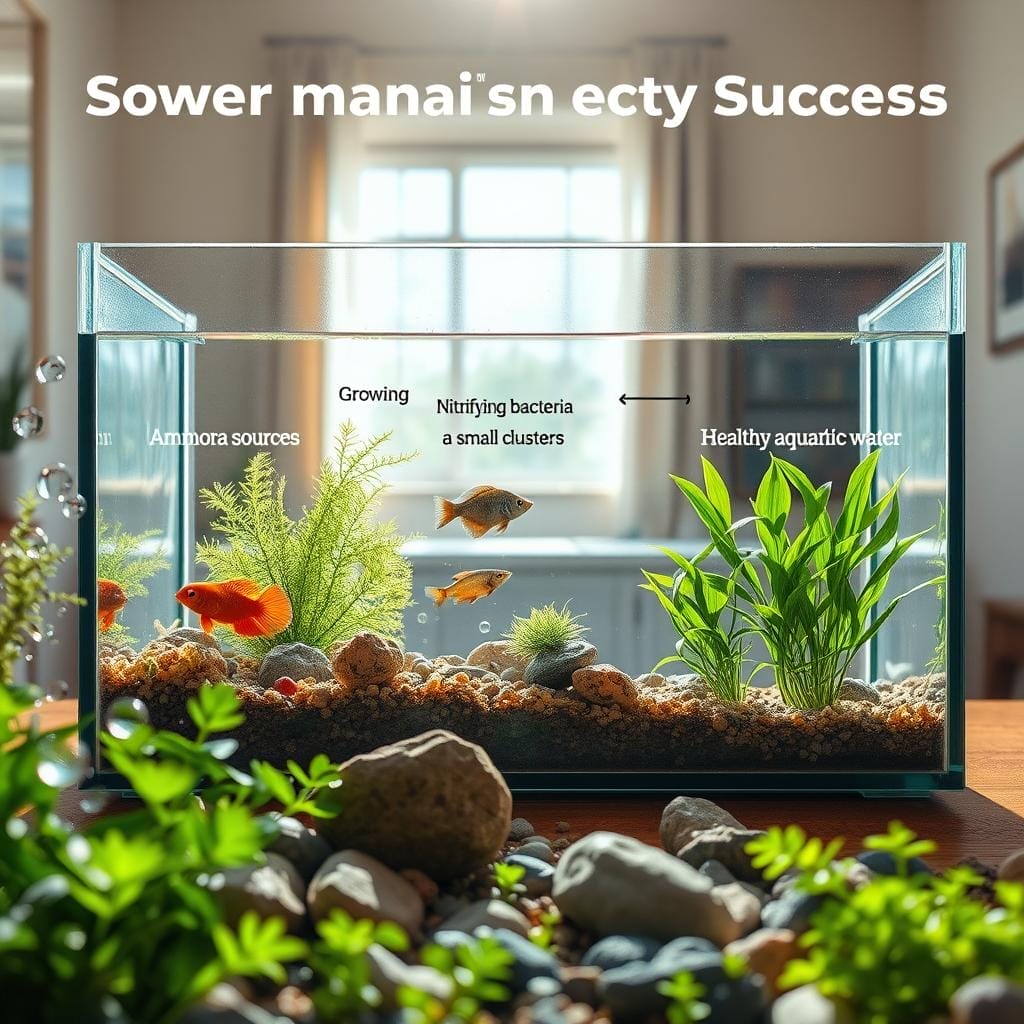
Building a strong prevention plan is your most powerful tool for keeping your aquatic friends healthy and vibrant. Start by cycling your new aquarium completely before adding any inhabitants. This allows beneficial bacteria to establish a stable environment.

Establish a consistent maintenance routine to protect against poor water quality. Weekly water changes of 25-30% work better than large monthly ones. Regular testing helps you catch issues early.
Feed your pets the right amount of appropriate, high-quality food. Overfeeding pollutes your tank and creates toxins. Nutritional deficiencies weaken immune systems.
Always quarantine new arrivals for at least two weeks. This prevents introducing disease to your established community. Aquarium disease prevention starts with careful introductions.
Create a peaceful environment by avoiding overcrowding. Provide hiding spaces and choose compatible tank mates. Maintain stable temperature and lighting conditions.
Plan your stocking based on adult sizes, not juvenile dimensions. Proper acclimation over 30-60 minutes reduces shock. These thoughtful steps build a foundation for long-term wellness.
Nutritional Support and Vitamin Therapies
What if the key to preventing most health challenges in your tank was as simple as choosing the right food? Proper nutrition forms the foundation of wellness for your aquatic companions. Each species has unique dietary needs that support their immune systems.
Also Read: Common Aquarium Problems and How to Fix Them
Varying your pets’ diet ensures they receive a full spectrum of nutrients. Monotonous feeding can lead to deficiency problems. Vitamin C plays a critical role in your fish‘s health.
Deficiency can cause spinal deformities and broken fin rays. You can easily supplement by dissolving vitamin C in water and spraying it on dry food. This simple step supports their body‘s natural defenses.

Overfeeding actively harms your pets by causing obesity. This shortens lifespans and weakens reproductive capacity. Provide adequate quantities of quality food instead.
During treatment or recovery, immune-boosting supplements give their body resources to heal. Products like Dennerle Vital Elixier provide valuable support. They help resist secondary infections.
Research your specific freshwater species‘ nutritional requirements. Herbivores, carnivores, and omnivores all need appropriate diets. This prevents nutritional deficiency disease in your aquarium fish.
Special Cases: Egg Retention, Swim Bladder Disease, and More
Beyond the common infections and parasites, there are specialized conditions that require unique approaches to care. These situations often need your careful observation and sometimes professional help.

Addressing Egg Retention
Female aquatic pets can experience egg retention when they cannot release their eggs. This causes a swollen body cavity and swimming difficulties.
Stress or poor water conditions often trigger this problem. Improving your aquarium environment may help resolve it naturally.
In severe cases, veterinary intervention might be necessary. Surgical removal under anesthesia can save your pet’s life.
Managing Swim Bladder Disorder
Swim bladder issues affect buoyancy control. Affected pets may sink or float abnormally.
This condition can stem from bacterial infection or internal problems. Simple interventions like fasting for 48 hours often help.
Offering thawed peas can relieve constipation-related cases. For bacterial causes, antibiotic treatment may be needed. Learning about swim bladder disease helps you choose the right approach.
Other special conditions include dropsy, where the body swells dramatically. Popeye causes bulging eyes from the head. Papillomas are generally benign growths on the body.
Each requires specific treatment strategies. Always consult a veterinarian for accurate diagnosis and care plans.
Implementing a Holistic Health Plan for Aquarium Care
A truly healthy aquarium is the result of a proactive plan, not just reacting to emergencies. This approach means establishing routines that prevent issues and create an environment where your aquatic community naturally thrives.
Your weekly routine is your first line of defense. Test your water quality to monitor key levels like ammonia and pH. Small, consistent water changes are far better than large, infrequent ones. This stability prevents stress that can affect fish negatively.
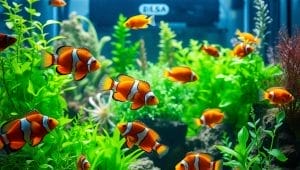
Routine Monitoring and Adjustments
Timing your maintenance tasks is crucial. Avoid changing filter media on the same day as a water change. This protects the beneficial bacteria that maintain your tank‘s balance.
Understand your specific species‘ needs. Adjust feeding schedules and temperature settings to match their requirements. Regular observation of behavior provides early warnings of potential problems.
Keep simple records of your tests and observations. This helps you spot trends and fine-tune your care. For a deeper dive into establishing these successful habits, explore this comprehensive aquarium care guide.
Remember, success comes from consistent, attentive care. You’re building a resilient ecosystem for long-term enjoyment.
Final Thoughts on Maintaining a Healthy Aquarium
Your dedication to learning about aquarium wellness has equipped you with the knowledge to face any challenge. You now understand how to prevent, identify, and address health issues that might affect your aquatic companions.
Remember that success isn’t about avoiding every problem. It’s about creating conditions that minimize risk and responding effectively when needed. Your commitment to water quality, stress reduction, and proper nutrition will prevent most issues.
Each freshwater species has unique needs. Continue learning about your specific aquarium residents to provide specialized care. Don’t hesitate to consult professionals when you need guidance with diagnosis or treatment.
The effort you invest in proper setup and consistent maintenance pays wonderful rewards. You’ll enjoy healthy, vibrant aquatic life that brings years of fulfillment. Every experience builds your confidence as a skilled aquarium keeper.
FAQ
How can I tell if my aquarium water quality is poor?
You might notice cloudy water, an unpleasant odor, or algae overgrowth. Your pets may show signs of stress like gasping at the surface or clamped fins. Testing for high levels of ammonia or nitrite is the most reliable method.
What is the first thing I should do if I see white spots on my pet?
Isolate the affected individual in a separate tank if possible. Then, gradually increase the water temperature to about 80-82°F to speed up the parasite’s life cycle, making medication more effective. Consult a specialist for treatment options like copper-based remedies.
Can I use potassium permanganate in my main tank?
It’s generally safer to use potassium permanganate in a separate treatment bath, not your main aquarium. This strong chemical can harm your biological filter and delicate species. Always follow precise dosing instructions carefully.
How often should I perform water changes to prevent health problems?
A good rule is to change 15-25% of the water every week. This helps remove waste, control nitrate levels, and replenish essential minerals, creating a stable environment that supports strong immune systems.
What does a bacterial infection look like on a freshwater species?
Look for fuzzy growths, red streaks on the fins or body, open sores, or bloating. Fin rot, where the edges of the fins appear ragged and discolored, is a common sign of a bacterial issue often linked to poor water conditions.
My pet seems stressed. How can I reduce its stress?
A> Ensure your tank has plenty of hiding places with plants or decorations. Maintain consistent temperature and water parameters, avoid sudden loud noises, and don’t overcrowd the tank. A calm environment is key to preventing disease outbreaks.
Hi, I'm Millie a passionate fish enthusiast and blogger. I loves learning about all kinds of aquatic creatures, from tropical fish to stingrays.