
Learn the Fishless Cycling Method for Your Aquarium Success
 Millie Douglas
Updated on: December 1, 2025 .
19 min read
Millie Douglas
Updated on: December 1, 2025 .
19 min read
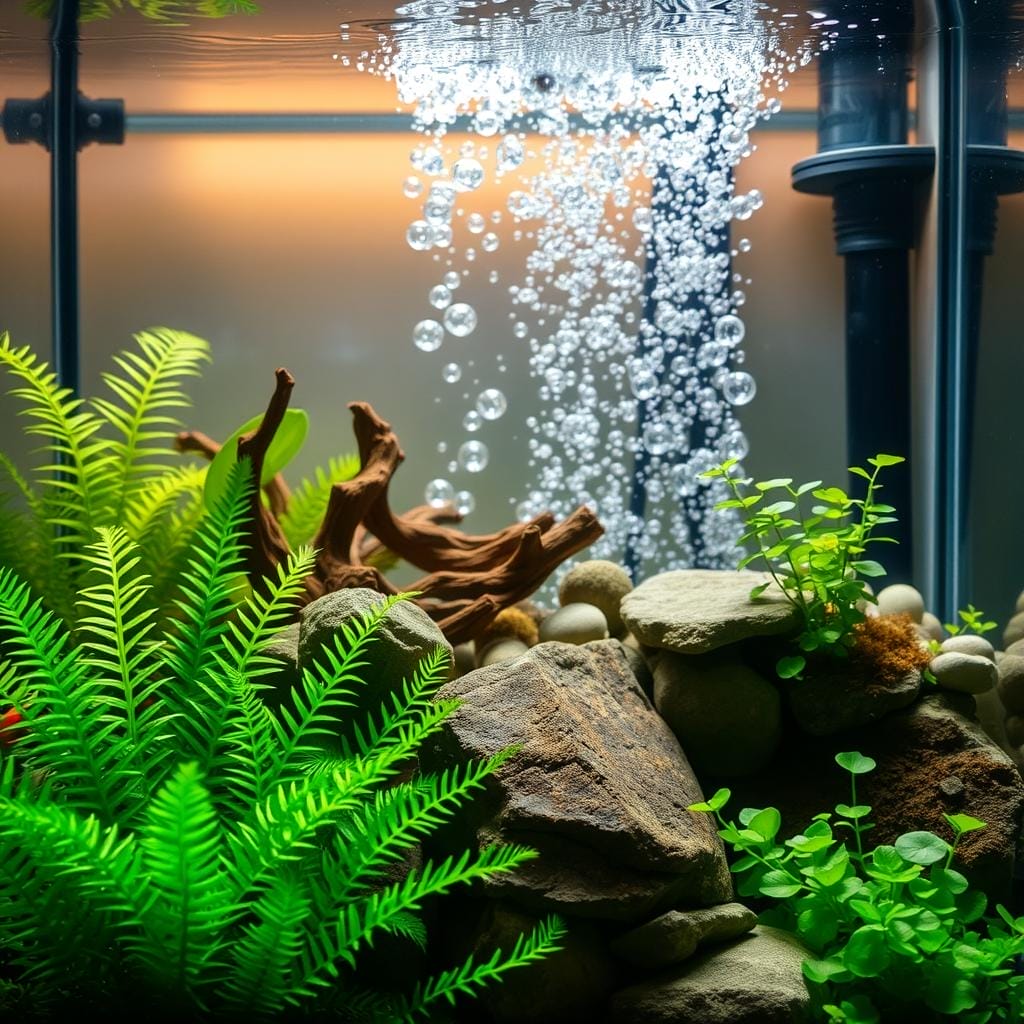
What if you could create a perfect home for your future fish without risking a single life? This powerful question lies at the heart of a smarter way to start your aquarium.
Welcome to your complete guide on preparing a safe, thriving underwater world. You are about to learn a technique that transforms an empty tank into a biologically mature home, ready for healthy fish from day one.
This approach is both compassionate and highly effective. It focuses on building a robust biological foundation before any pets are introduced. The entire process is designed for success and peace of mind.
Whether you’re setting up your first aquarium or are an experienced hobbyist, this guide is for you. We break down the science into simple, manageable steps. Our goal is to give you the confidence to create a stable environment.
This article provides all the information you need to nurture a habitat where your fish can truly flourish. Let’s begin this exciting journey toward a successful tank together!
Introduction to the Fishless Cycling Method
There’s a smarter, kinder way to prepare your tank that puts fish safety first from the very beginning. This approach transforms how you establish your aquarium’s biological foundation.
What Is Fishless Cycling?
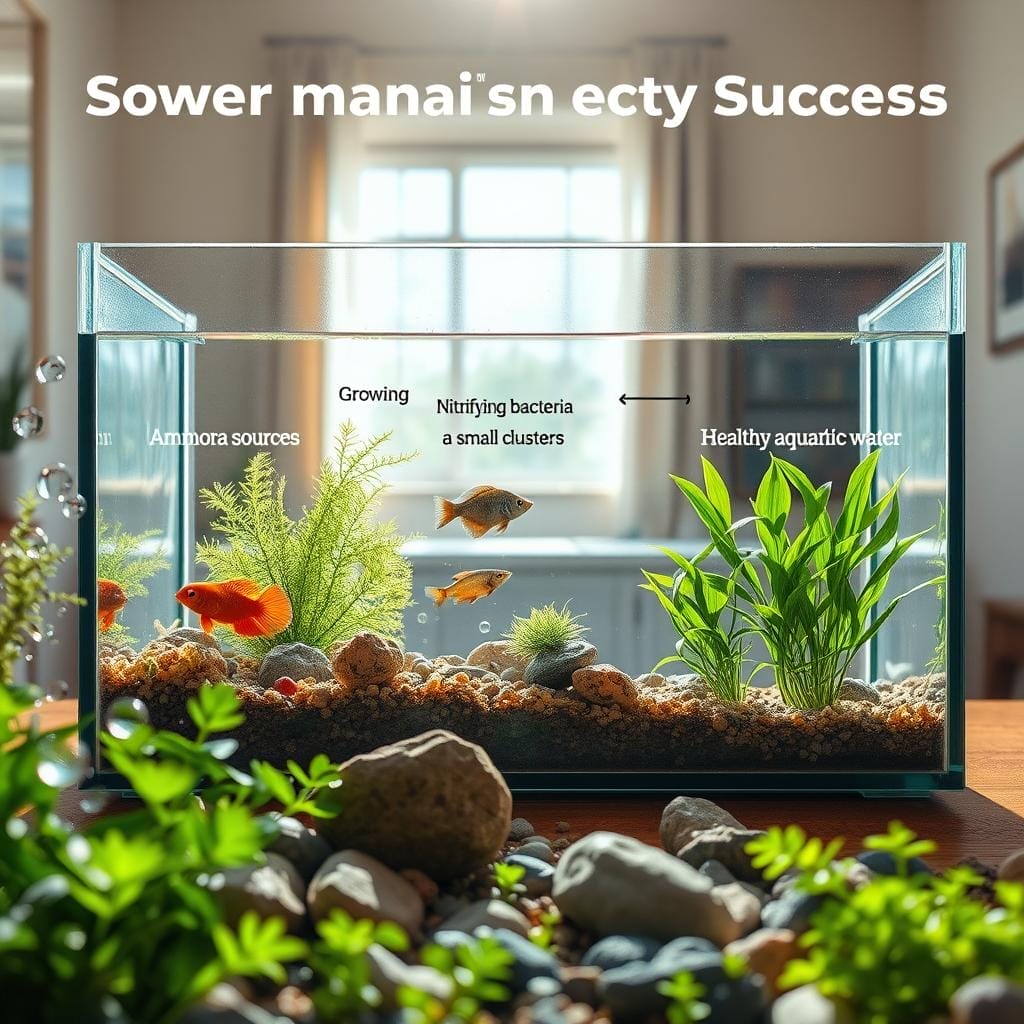
This technique builds your tank’s natural filtration system without using live fish. Instead of relying on fish waste, you add ammonia directly to grow beneficial bacteria.
These microscopic organisms are essential for breaking down harmful substances. They convert toxic ammonia into safer compounds that won’t harm your future pets.
Why Choose This Approach?
Traditional methods often put fish through stressful conditions with high ammonia levels. This humane alternative eliminates that risk entirely.
You maintain complete control over the entire process. This means you can create the perfect environment for bacteria to thrive before introducing any fish.
Your aquarium becomes biologically mature and ready for healthy fish from day one. This gives you peace of mind knowing your pets will enter a safe, stable home.
Why Cycle Your Aquarium: Understanding the Nitrogen Cycle
Creating a safe environment for your aquatic friends starts with understanding nature’s cleaning system. This natural process transforms harmful waste into safer compounds that keep your fish healthy.
The Role of Ammonia, Nitrite, and Nitrate
Your fish produce ammonia as waste through their gills and digestion. Even small amounts of ammonia can harm your pets by damaging their delicate gill tissues.
Beneficial bacteria called Nitrosomonas convert toxic ammonia into nitrite. While less dangerous than ammonia, nitrite still poses risks by reducing oxygen in your fish’s blood.
The cycle continues as Nitrobacter bacteria change nitrite into nitrate. This final compound is much safer and can be removed through regular water changes.
Biological Benefits for Fish Health
A properly cycled tank provides incredible advantages for your aquatic community. Your fish will experience less stress and develop stronger immune systems.
You’ll notice brighter colors and more active behavior in healthy fish. They’ll be better equipped to fight off diseases and live longer, happier lives.
Establishing this biological balance before adding fish ensures immediate protection. Your aquarium becomes a stable home ready for new inhabitants from day one.
The Science Behind Fishless Cycling
At the microscopic level, your aquarium’s success depends on cultivating the right team of beneficial bacteria. These tiny workers create the biological foundation that keeps your future fish safe and healthy.
Your tank relies on two specialized types of bacteria working together. The first group, called Nitrosomonas, converts toxic ammonia into nitrite. Then the second group, Nitrobacter or Nitrospira, transforms nitrite into safer nitrate.
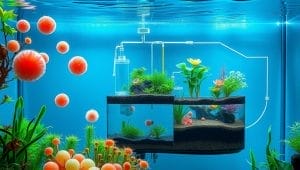
This natural process takes time because these microorganisms grow slowly. Without any help, establishing these colonies can take 30 to 45 days. Saltwater systems often need a bit longer.
Simply setting up your aquarium and turning on the filter won’t start this biological cycle. The bacteria need a food source—specifically, ammonia—to survive and multiply.
During fishless cycling, you provide controlled amounts of ammonia to feed these beneficial bacteria. This builds their population until they can handle waste from your future fish.
The bacteria attach to surfaces throughout your tank, especially in filter media and substrate. There they form biofilm colonies that continuously process waste, creating a stable environment for your aquatic pets.
Fishless Cycling Method: Key Benefits and Considerations
You can build a biologically mature environment without exposing any fish to harmful conditions. This approach puts animal welfare first while creating the perfect home for your future aquatic pets.
The most significant advantage is the complete elimination of risk to living creatures. No fish suffer or die during this preparation phase. You start with a disease-free setup since you’re not introducing livestock that could carry infections.
Time efficiency is another major benefit. Traditional setups can take 30 to 45 days to complete. With this approach, your tank can be ready in as little as 7 days when using quality bacterial supplements.
You’ll avoid the ethical dilemma of what to do with “disposable” hardy fish after the cycle finishes. This lets you stock your aquarium exactly as planned from the beginning.
The process gives you more control over the entire cycle. You can add higher ammonia levels than fish would produce naturally. This helps beneficial bacteria colonies establish more quickly.
Beginners particularly benefit from this method. You won’t need to recognize signs of ammonia poisoning in stressed fish. The hands-on monitoring teaches valuable skills for long-term aquarium maintenance.
The main consideration is the time investment in testing water parameters and adding ammonia sources. However, this active participation helps you understand your tank’s biological processes better.
Setting Up Your Aquarium for a Fishless Cycle
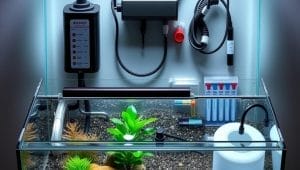
Gathering the right tools makes starting your aquarium journey smooth and predictable. You don’t need specialized equipment to begin this important process. Just a few key items will create the perfect environment for beneficial bacteria to thrive.
Essential Equipment and Water Conditioning
Your basic setup requires a fish tank of your chosen size and a quality filter. The filter provides the primary surface area where bacteria will colonize. Choose one with adequate flow rate for your tank volume.
If you’re keeping tropical fish, add a reliable heater. Bacteria growth works best in stable temperatures between 75-80°F. A thermometer helps you monitor this crucial parameter.
Before adding water, treat it with a conditioner to remove chlorine and chloramines. These chemicals will kill the beneficial bacteria you’re trying to establish. This step is non-negotiable for success.
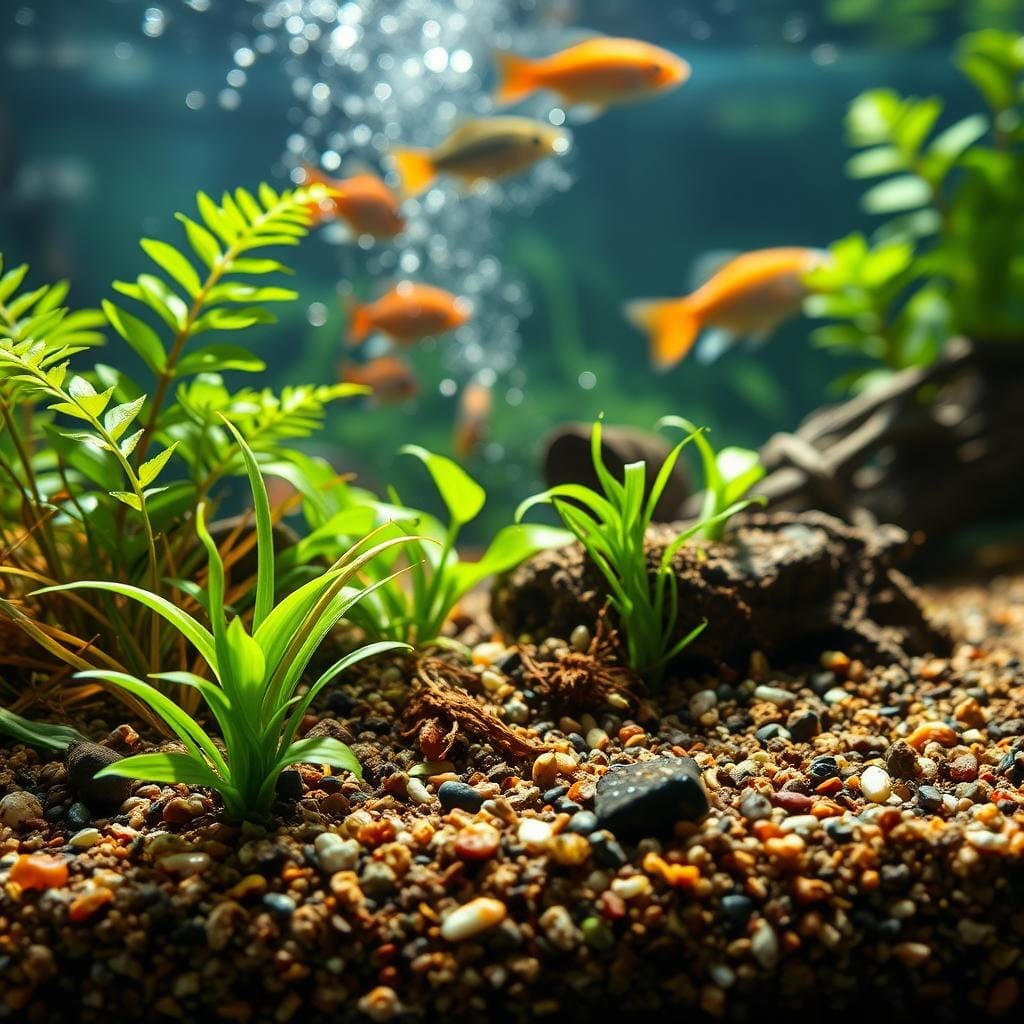
Add your substrate, decorations, and hardscape elements before starting. These surfaces also host beneficial bacteria colonies. For planted tanks, hardy aquatic plants can be added immediately.
You’ll need an ammonia source to feed the bacteria. Options include pure liquid ammonia or fish food. The right equipment and preparation make your setup efficient and effective.
Using Ammonia to Initiate the Cycling Process
Precision dosing with pure ammonia gives you complete command over the cycling timeline. This approach lets you build your tank’s biological foundation with scientific accuracy.
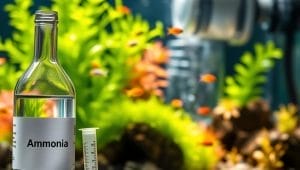
You’ll need a reliable ammonia source and testing equipment to begin. Pure ammonium chloride offers the cleanest, most controlled way to feed your beneficial bacteria.
Step-by-Step Dosage and Testing Guidelines
Start by adding enough ammonia to reach 2-3 ppm in your tank water. DrTim’s Ammonium Chloride makes this easy—just 4 drops per gallon achieves the perfect 2 ppm concentration.
Never exceed 5 ppm, as higher levels can actually slow bacterial growth. Always use aquarium-specific products, since household cleaners contain toxic additives.
After adding ammonia, shake your bacteria bottle well and introduce it to the tank. Test ammonia and nitrite levels the next day using a quality test kit.
If ammonia drops, add a half dose to continue feeding your developing colony. Record your results daily to track progress.
Within 5-7 days using quality supplements, you should see zero ammonia and nitrite readings after 24 hours. This indicates your bacterial team is fully established and ready for fish.
Cycling with Shrimp or Fish Food as a Natural Ammonia Source
Your kitchen pantry might hold the key to kickstarting your aquarium’s biological foundation without specialized products. This organic approach uses everyday items to feed your developing bacterial colonies.
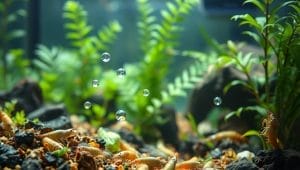
Many hobbyists appreciate this natural method for its simplicity and accessibility. You can begin with items already available at your local grocery store.
Pros and Cons of Organic Methods
Using raw shrimp as your ammonia source provides a continuous food supply for beneficial bacteria. Simply place small chunks in your tank and let nature take its course over several days.
The decomposition process releases ammonia steadily into the water. This creates a realistic simulation of how fish waste would naturally feed your tank’s ecosystem.
However, this approach has significant drawbacks. You cannot measure the exact ammonia levels being produced. Your aquarium will also show visible decaying matter during the process.
Bacterial blooms often turn the water cloudy as organic material breaks down. Some aquarists try using fish food instead, but it contains less protein and produces weaker ammonia levels.
The main advantage remains cost-effectiveness and natural appeal. If you choose this route, products like DrTim’s Waste-Away can accelerate decomposition. Remember to perform a thorough cleaning before adding your future pets.
Leveraging Live Nitrifying Bacteria for Faster Results
Imagine cutting your aquarium preparation time from weeks to just days with a simple bottle solution. This approach gives your tank’s biological foundation an incredible head start.
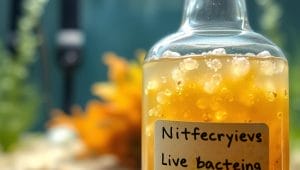
Quality bottled bacteria products contain living colonies ready to work immediately. They eliminate the waiting period for natural colonization.
Also Read: Common Aquarium Problems and How to Fix Them
Product Insights and Application Tips
DrTim’s Aquatics One & Only contains scientifically proven bacterial strains. Fritz Turbo Start is renowned for freshwater applications, while BioSpira serves saltwater needs.
Always shake the bottle vigorously before use. This redistributes settled bacteria for maximum effectiveness.
Add your ammonia source right before or after introducing the bacteria. These living organisms need immediate nourishment to thrive.
The combination of bottled bacteria and controlled ammonia creates a powerful synergy. Your tank can complete the entire process in 5-7 days.
While there’s an upfront cost, the time savings and reliability make this method worthwhile. You’ll enjoy a stable, fish-ready environment much sooner.
Incorporating Live Plants and Natural Substrates in Your Cycle
Live plants bring natural beauty and biological benefits to your tank establishment process. This approach creates a complete ecosystem where nature does most of the work for you.
Your aquarium becomes a living environment from day one. Plants and beneficial bacteria form a powerful partnership that processes waste efficiently.
Plant Selection and Substrate Benefits
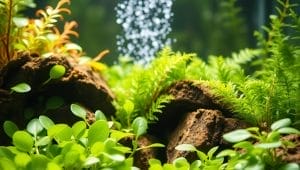
Hardy species like Java fern and Anubias thrive during the establishment phase. These resilient plants handle fluctuating water parameters while consuming ammonia through their roots and leaves.
Using nutrient-rich substrates like Tropical Aquasoil provides multiple advantages. These soils slowly release ammonia as they break down, feeding both your plants and beneficial bacteria.
You have two main approaches for planted tank setup. The dry start method grows plants in humid conditions before flooding. The traditional method begins with a filled tank from day one.
Combining plants with bottled bacteria can complete your cycle in about a week. This gives you biological filtration and natural beauty simultaneously.
Plants actively compete with bacteria for ammonia, often resulting in lower peak levels. Your tank maintains better balance throughout the entire process.
This natural approach mimics how aquatic ecosystems function in the wild. You’ll create a stable environment that’s ready for fish when the cycle finishes.
Water Testing and Monitoring Your Aquarium’s Parameters
Water testing transforms guesswork into certainty, revealing exactly when your aquarium reaches biological maturity. This process gives you scientific proof that your tank is ready for fish.
Choosing the Right Test Kits
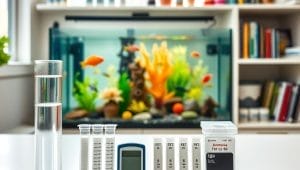
You need a reliable test kit that measures ammonia, nitrite, and nitrate. Liquid test kits like the API Freshwater Master Kit provide accurate results. They’re more precise than test strips.
This comprehensive kit checks all key water parameters. It helps you track your tank‘s progress with confidence.
Frequency and Interpretation of Results
Test your water every 24 hours during the active phase. Monitor ammonia and nitrite levels closely. Record your findings to spot patterns.
Initially, you’ll see high ammonia readings around 2-3 ppm. As bacteria develop, ammonia drops while nitrite rises. Finally, both should read zero.
Your tank is ready when a 2-3 ppm ammonia dose converts to nitrate within 24 hours. Confirm with two consecutive tests showing zero ammonia and zero nitrite.
Seeding Your Tank with Beneficial Bacteria from Mature Systems
Imagine having a ready-made biological team working for your new tank from day one. This approach gives your aquarium an incredible head start by transferring established beneficial bacteria from a mature system.
The most valuable resource for this process comes from filter media in established aquariums. These surfaces host millions of beneficial bacteria that process waste efficiently.
Techniques for Transferring Filter Media
If you have access to a healthy, established aquarium, you can borrow a small piece of their filter media. Simply place it alongside your new filter media in your tank’s filtration system.
Always ensure water parameters match between the source and your new aquarium. Temperature, pH, and salinity should be similar to prevent bacteria shock.
Never replace your new filter media completely. Use both old and new media together for maximum surface area and backup protection. This approach helps your filter tank cycling progress rapidly.
An alternative method involves running a spare filter in an established tank for 2-3 weeks. Then move the entire seeded filter to your new setup when ready.
With proper seeding, your aquarium can complete its biological cycle in just a few days. You’ll see zero ammonia and nitrite readings much faster than starting from scratch.
The key precaution is ensuring your source tank is disease-free. This prevents transferring harmful pathogens along with beneficial bacteria.
Advanced Techniques to Speed Up the Cycling Process
When you’ve mastered the basics, these powerful techniques can cut your preparation time by more than half. You’ll be amazed at how quickly your aquarium can become biologically mature.
Using Enhanced Bacteria Products
Quality bottled bacteria give your tank an incredible head start. Products like DrTim’s Aquatics One & Only contain live colonies ready to work immediately.
Combine these with controlled ammonia dosing for optimal results. This powerful combination can complete your biological cycle in under one week.
Temperature control plays a crucial role in bacterial growth. Maintain your water between 75-80°F to keep beneficial bacteria reproducing at their fastest rate.
Excellent oxygenation through surface agitation or an air stone accelerates the process. These aerobic microorganisms need plenty of oxygen to thrive and multiply quickly.
Keep your pH between 7.0 and 8.0 for optimal conditions. If pH drops too low, bacterial reproduction slows dramatically and your cycle can stall.
For organic approaches using shrimp or fish food, DrTim’s Waste-Away speeds up decomposition. This produces ammonia more quickly to feed your developing bacterial colonies.
Some experienced aquarists create “bacteria farms” by running extra sponge filters in established tanks. This ensures they always have seeded media ready for new setups.
Using fast-acting bacteria products with mature filter media provides the ultimate combination. Under ideal conditions, you could complete your entire process in just 3-5 days.
Troubleshooting Common Cycling Issues
Even the most carefully planned aquarium setup can hit unexpected bumps along the way. Don’t worry—these challenges are normal and completely solvable with the right approach.
Your tank’s biological development might pause or show unusual readings. Understanding how to respond keeps your progress moving forward.
Managing Ammonia and Nitrite Spikes
Sometimes nitrite levels climb too high during the middle phase. When they exceed 5 ppm, they can actually harm the beneficial bacteria you’re trying to grow.
If you notice this problem, stop adding ammonia temporarily. Perform a 50% water change to bring nitrite back to safer levels where bacteria can thrive.
A stalled cycle where ammonia or nitrite won’t drop often indicates a pH problem. Test your water—if pH falls below 6.5, your bacteria cannot function properly.
You’ll need to gently raise pH back to the 7.0-8.0 range. This simple adjustment can get your biological filter working again.
Sometimes the solution is simply patience. Your bacterial population might need more time to grow large enough to handle the ammonia load.
Continue providing small ammonia doses while maintaining proper temperature and oxygenation. Your bacteria will eventually catch up and complete the process.
If problems persist, check for chlorine in your water or consider adding fresh bacteria. These steps usually resolve most common cycling issues.
Managing Ammonia, Nitrite, and Nitrate Levels During the Cycle
Your aquarium’s water parameters tell a powerful story about your biological progress. Understanding this narrative helps you guide your tank toward completion with confidence.
During the first week, expect your ammonia to reach 2-3 ppm and remain elevated. This indicates your first bacterial colony is establishing itself. As these bacteria grow, you’ll see ammonia drop while nitrite levels begin rising.
The nitrite spike typically occurs around days 10-14 in traditional setups. This phase can last longer because nitrite-oxidizing bacteria grow more slowly. Keep both ammonia and nitrite below 5 ppm to avoid inhibiting bacterial growth.
As your cycle completes, both ammonia and nitrite should read zero. Meanwhile, nitrate levels will climb steadily. While less toxic, you should maintain nitrate below 20 ppm for optimal fish health.
Regular water testing is essential throughout this process. If nitrate climbs too high at the end, perform a 30-50% water change before adding fish. This ensures your pets enter a safe environment.
Successfully cycling a new fish tank requires patience and consistent monitoring. Your careful attention to these levels creates the foundation for long-term aquarium success.
Key Tips for Long-Term Aquarium Success Post-Cycle
Your aquarium’s biological foundation is now established, but the journey to a thriving ecosystem continues with careful planning. The exciting moment has arrived when you can finally add fish to your mature environment.
Even with established bacteria colonies, your system has only grown to handle the specific ammonia levels you provided. When you add fish, their waste creates a sudden increase in biological load.
Staggering Fish Additions for a Stable System
The safest approach involves introducing your fish in stages over several weeks. Start with about 25-30% of your planned community. For a tank destined for 20 small fish, begin with just 5-6 individuals.
Wait 1-2 weeks before adding the next group. This gives your beneficial bacteria time to multiply and handle the increased ammonia production. Continue testing water parameters after each addition.
Perform regular water changes of 20-30% weekly to keep nitrate levels below 20 ppm. This maintenance removes accumulated waste while your biological filter adjusts. Your consistent care ensures stability.
In heavily planted aquariums with robust filtration, you might add fish in just two larger batches. Plants help absorb excess nutrients, providing a natural buffer. Regardless of your setup, gradual introduction protects your investment.
Establish a maintenance routine from day one. Regular water changes, proper feeding, and parameter monitoring will keep your new tank thriving. Remember that successful aquarium management is an ongoing commitment to your aquatic pets’ wellbeing.
Wrapping Up Your Fishless Cycling Journey
Congratulations on reaching this exciting milestone in your aquarium journey! You’ve mastered a compassionate approach that protects your future pets while building a strong biological foundation.
Whether you used pure ammonia, live plants, or bottled bacteria, you now have the skills to successfully prepare any fish tank. The information you’ve gained about water testing and bacterial biology will serve you for years.
Your patience during this process demonstrates true dedication to responsible fishkeeping. This commitment will reward you with a beautiful, healthy environment where your fish can thrive.
Remember that completing your cycle is just the beginning. Continue your success with gradual stocking and regular maintenance. For ongoing support, our complete guide to cycling your tank remains available whenever you need it.
Now enjoy the most rewarding part—watching your carefully selected fish explore the safe home you’ve created for them!
FAQ
What is the main goal of this process?
The primary goal is to establish a robust colony of beneficial bacteria in your filter media and substrate before any fish are introduced. This colony will safely convert harmful ammonia into nitrite and then into less harmful nitrate, creating a safe environment for your future aquatic pets.
How long does it typically take to complete?
The timeframe can vary, but you can generally expect the process to take anywhere from two to six weeks. Using products like Tetra SafeStart Plus or Seachem Stability can help speed up the timeline by introducing live nitrifying bacteria directly into your new tank.
Do I need to perform water changes during the cycle?
Typically, you do not need to perform partial water changes unless certain parameters become extremely high. For example, if nitrate levels climb above 80-100 ppm, a water change can help. The main focus is on monitoring ammonia and nitrite levels with a reliable test kit, like the API Freshwater Master Test Kit.
Can I use fish food instead of pure ammonia?
Yes, you can use fish food or a piece of raw shrimp as an organic ammonia source. This method decomposes and releases ammonia over time. However, it can be less precise than using pure ammonium chloride, like Dr. Tim’s Aquatics Ammonium Chloride, and may take slightly longer to show results.
What should my test kit readings show when the cycle is finished?
Your aquarium is ready when your test results show zero ppm of ammonia and zero ppm of nitrite, with the presence of some nitrate. This indicates that your beneficial bacteria are fully established and efficiently processing waste. At this point, you can safely begin adding a few hardy fish to your aquarium.
Is it safe to add live plants during this process?
Absolutely! Adding live plants from a reputable source like Aquarium Co-Op is highly beneficial. Plants absorb ammonia, nitrite, and nitrate as nutrients, which can help stabilize your water parameters and create a more natural, healthy ecosystem for your future fish.
What is the safest way to add fish after the cycle is complete?
The safest approach is to add fish slowly and in small groups. Start with just a few hardy fish, wait a week, and then test your water to ensure ammonia and nitrite levels remain at zero. This staggered introduction allows your bacterial colony to adjust to the increasing bioload without causing dangerous spikes.
Hi, I'm Millie a passionate fish enthusiast and blogger. I loves learning about all kinds of aquatic creatures, from tropical fish to stingrays.