
Swordtail Care: Tips for Healthy Aquarium Fish
 Millie Douglas
Updated on: December 1, 2025 .
13 min read
Millie Douglas
Updated on: December 1, 2025 .
13 min read
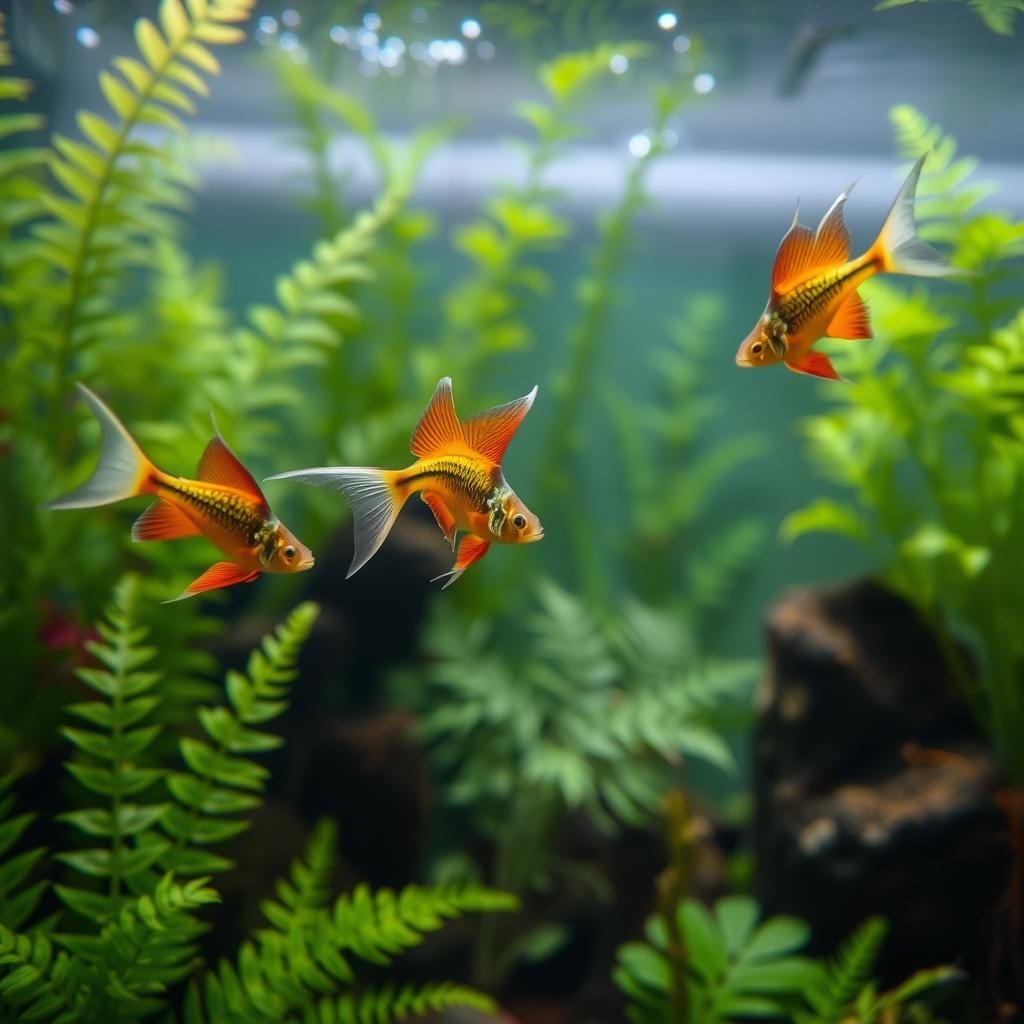
What if you could have a freshwater aquarium that practically takes care of itself, filled with vibrant fish that bring constant movement and color to your home?
Many aquarium enthusiasts discover that swordtails offer exactly this experience. These remarkable fish combine stunning beauty with surprisingly simple maintenance. They’re perfect for both beginners and experienced hobbyists looking to add lively energy to their tanks.
This guide will walk you through everything needed to create a thriving environment. We break down the essentials into manageable steps that anyone can follow. You’ll learn how to set up the perfect home for these active swimmers.
Our approach focuses on making aquarium maintenance accessible and enjoyable. You’ll gain confidence in providing excellent care for this popular species. We’ll help you avoid common mistakes while creating a habitat where your aquatic friends truly flourish.
By the end, you’ll understand exactly what these colorful fish need to stay healthy and active. They can bring years of enjoyment to your freshwater setup with the right knowledge and attention.
Introduction to Swordtail Fish and Their Unique Traits
When you first encounter these remarkable livebearers, their distinctive features immediately capture your attention. Mature males develop that signature sword-like extension on their tails, which gives the species its common name. This characteristic makes them stand out in any freshwater setup.
These fish belong to the Poeciliidae family, making them close relatives of other popular aquarium choices like guppies and platies. Their scientific name is Xiphophorus hellerii, though you might sometimes see variations in spelling. What truly sets them apart is their reproduction method.
Unlike many other fish species that lay eggs, these livebearers give birth to fully-formed babies that swim freely right away. This makes breeding them particularly fascinating to observe. Their adaptability has helped them thrive beyond their native habitats.
Originally from warm streams in Mexico and Central America, these hardy fish have become established worldwide. Their active swimming behavior and constant exploration bring wonderful energy to your aquarium. You’ll find them investigating every corner of their environment with enthusiasm.
The species is considered of Least Concern in the wild, which means they’re not threatened. This resilience contributes to their popularity among aquarium enthusiasts of all experience levels.
Understanding Swordtail Appearance and Natural Habitat
You’ll be amazed by the incredible diversity of colors and fin shapes that selective breeding has produced in these popular aquarium fish. Their appearance tells a fascinating story of adaptation and human intervention.
Distinctive Color Morphs and Fin Structures
The male’s signature sword extension on the lower tail fin gives these fish their name. This striking feature can grow nearly as long as the fish’s entire body. You can easily distinguish males from females by looking for this elongated fin.
Females typically have rounder bodies and lack the dramatic tail extension. They often grow slightly larger, reaching about 6 inches in length. Males display more vibrant colors despite their smaller size.
Selective breeding has created an incredible range of color varieties. Beyond the wild-type olive green with red stripe, you’ll find red wag, pineapple, kohaku, and tuxedo patterns. Fin variations include high fin types with elongated dorsal fins and double swordtails with extensions on both tail edges.
Native Regions and Environmental Adaptability
These fish originate from Mexico and Central America, where they thrive in diverse conditions. Their natural habitat includes shallow streams, rivers, and lagoons up to 5 feet deep.
They adapt remarkably well to different water conditions. Wild populations inhabit both freshwater and brackish environments with varying flow rates. Interestingly, they don’t rely heavily on plants in nature but adapt beautifully to planted aquariums.
This adaptability makes them excellent choices for community tanks. For more detailed guidance on creating the perfect environment, check our comprehensive swordtail care guide.
Setting Up the Ideal Aquarium Environment
The foundation of successful fishkeeping lies in setting up the right environment from day one. Your thoughtful planning now creates a thriving habitat where your aquatic friends can flourish for years to come.
Choosing the Right Tank Size and Layout
Start with a 30-gallon tank or larger for a small group of these active swimmers. This generous size gives your fish the space they need to display natural behaviors and stay healthy. Keeping 3-5 swordtails together works best since they enjoy company.
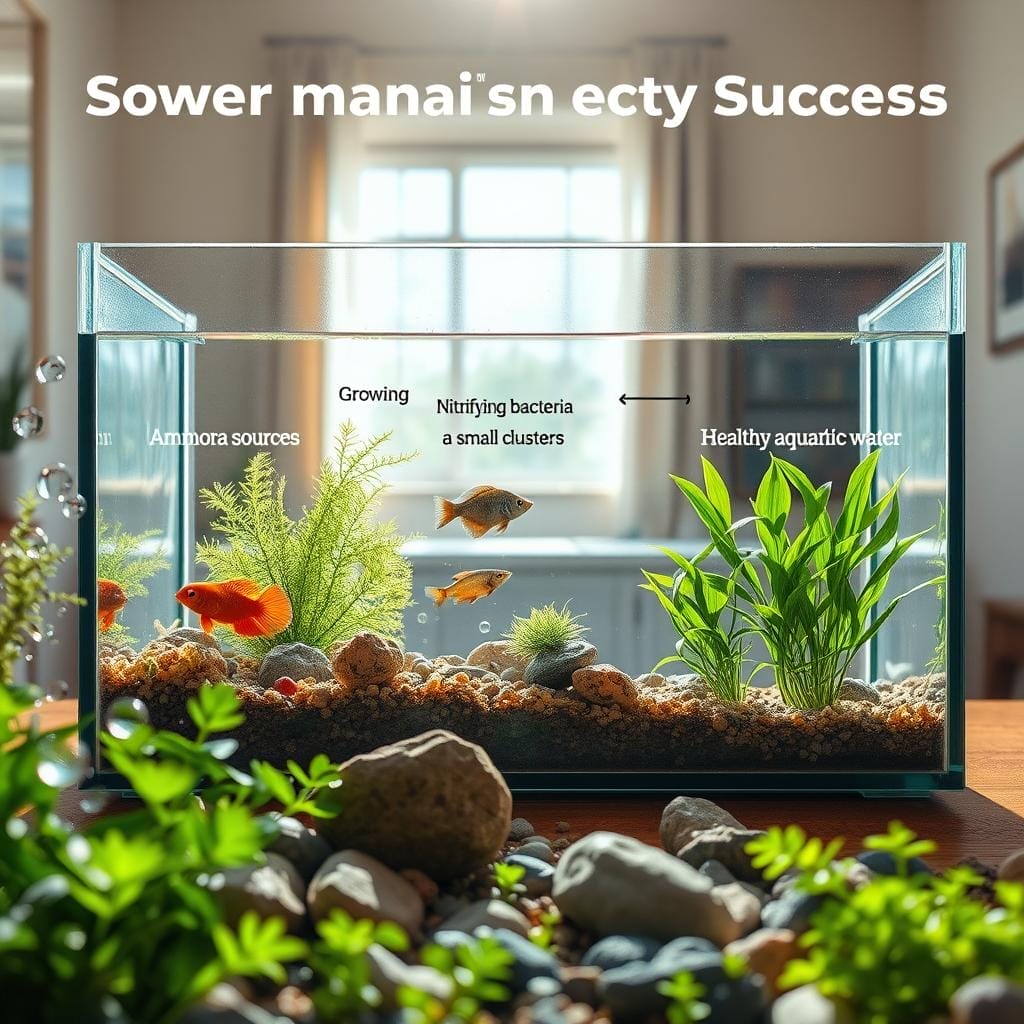
Always ensure your aquarium is fully cycled before introducing any fish. Proper filtration protects them from harmful ammonia spikes. Don’t forget a secure lid—these energetic jumpers can surprise you!
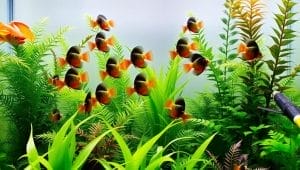
Incorporating Live Plants and Natural Décor
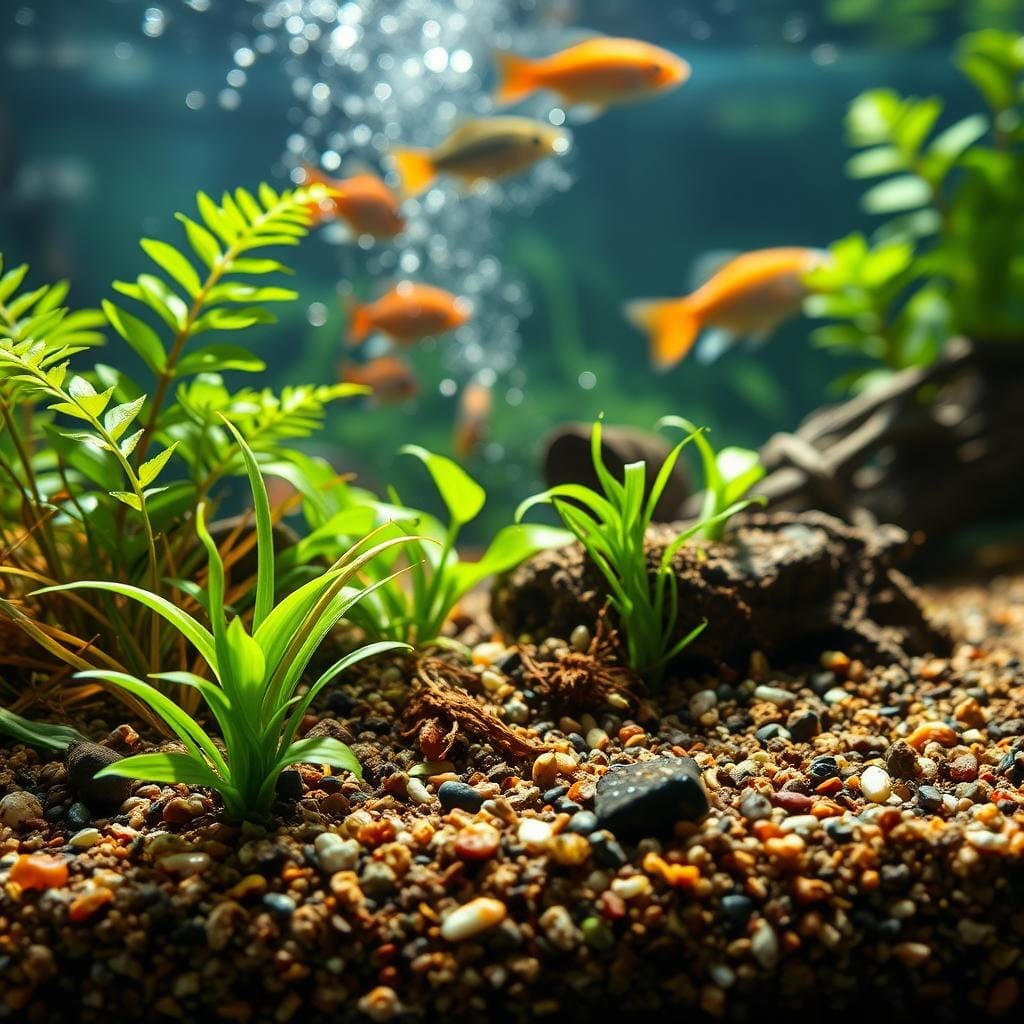
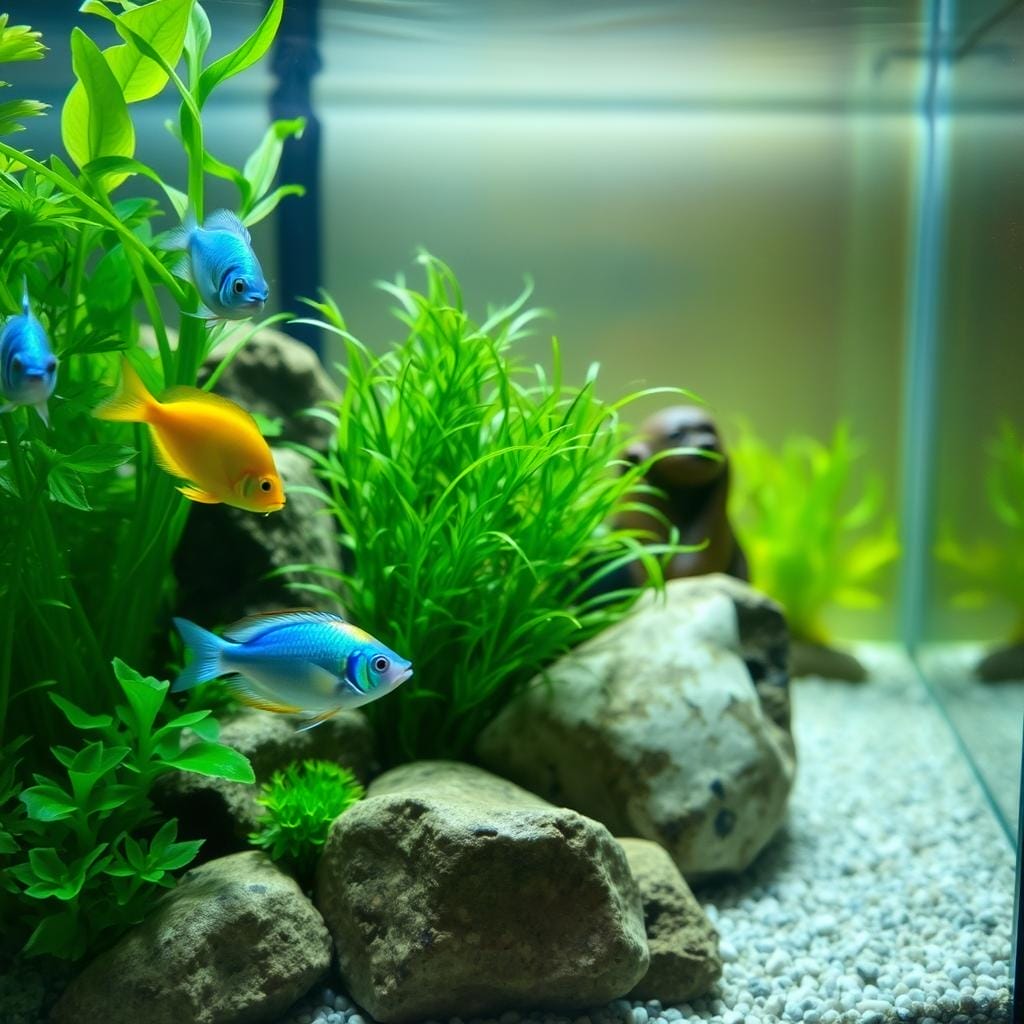
Live plants like Java fern and Anubias create perfect hiding spots while maintaining open swimming areas. Your fish will appreciate the security these natural elements provide. Floating plants with long roots offer excellent cover for any fry.
You can add driftwood or rock formations, but focus on plants for maximum benefit. Substrate choice matters less for swordtails since they prefer middle and upper water levels. Choose based on bottom-dwelling tankmates instead.
This balanced approach creates an aquarium where your community will truly thrive. The right environment makes all the difference in their health and happiness.
Ensuring Optimal Water Quality and Parameters
The quality of your aquarium water directly impacts the health and happiness of every fish in your tank. Consistent monitoring and maintenance create the stable environment your aquatic community needs to thrive.
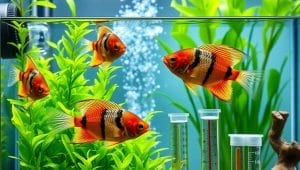
Maintaining pH and Temperature Levels
Your fish flourish in water temperatures between 68-82°F, with the ideal sweet spot around 75-79°F. This comfortable range gives you flexibility with heater settings.
Unlike many tropical species that prefer soft, acidic conditions, these fish thrive in harder water with pH between 7.0 and 8.4. They adapt wonderfully to various water parameters thanks to their hardy nature.
Aim for water hardness between 12-35 dGH. Weekly testing helps you catch any shifts in levels before they become problematic.
Filtration and Routine Water Changes
Strong biological filtration is essential for maintaining stable conditions. Choose a filter that creates moderate flow, mimicking their natural stream habitats.
Plan small weekly water changes of 20-25% to keep quality high. Perform larger monthly changes if tests show elevated ammonia or nitrite levels.
Monitor ammonia and nitrate concentrations closely. High levels cause stress that weakens immune systems. Consistent maintenance prevents these issues.
Expert Swordtail Care: Essential Tips for Aquarium Health
The secret to long-term success with your aquarium lies in developing consistent routines that prevent problems before they start. These adaptable creatures reward regular attention with vibrant health and active behavior.
Best Practices for Daily Maintenance
Your daily routine should include quick visual checks of your aquatic friends. Look for normal swimming patterns and healthy appetites. Early detection of issues saves time and prevents complications.
Consistency creates the stable environment where your community thrives best. Establish regular schedules for feeding and observation. This preventive approach takes less effort than treating problems later.
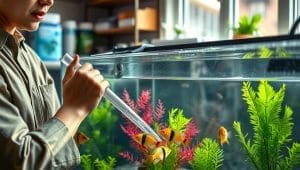
Monitoring Water Conditions and Adjusting Parameters
Invest in a quality test kit to monitor your water conditions accurately. This lets you make informed decisions about necessary adjustments. Regular testing helps maintain optimal levels.
Avoid sudden temperature swings that stress your fish. Though tolerant of various conditions, stability protects their immune systems. Weekly water changes prevent harmful compound buildup.
These simple maintenance tasks pay off with healthier, more vibrant aquatic life. Your consistent care creates an environment where every inhabitant can flourish.
Managing Tankmates and Community Dynamics
Creating a harmonious aquarium community starts with choosing the right companions for your active swimmers. These social fish thrive when surrounded by compatible species that share similar temperaments and environmental needs.
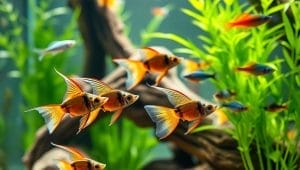
Selecting Compatible Fish Species
You’ll find that other peaceful livebearers like guppies and mollies make excellent tankmates. They share similar water preferences and create a lively, colorful community.
Bottom-dwelling species such as corydoras catfish or bristlenose plecos add wonderful variety. These fish occupy different tank levels without competing for space. Schooling fish like zebra danios and harlequin rasboras also complement your community beautifully.
Preventing Aggression and Stress in the Community
Maintain a ratio of about 4 females to every 1 male to prevent territorial disputes. This balance keeps harmony in your tank and reduces stress for all inhabitants.
Avoid housing your fish with aggressive species or large predators. Similarly, steer clear of overly timid fish that might become stressed by active behavior. Your community will flourish when you choose companions wisely.
Remember that these social creatures should never be kept alone. They need the company of their own kind to feel secure and display natural behaviors.
Optimizing Diet and Feeding Schedules
Proper nutrition transforms your aquarium from a simple habitat into a thriving ecosystem where every fish reaches its full potential. Your feeding strategy directly impacts their health, coloration, and energy levels.
Providing a Balanced Omnivorous Diet
Start with high-quality omnivore flakes or pellets as your foundation. These provide complete nutrition for your active swimmers. Look for color-enhancing formulas if you keep vibrant varieties.
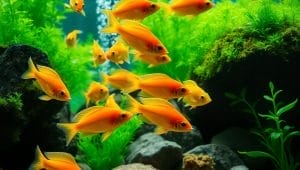
Variety ensures optimal health for your aquatic pets. Include plant-based options like algae wafers and blanched vegetables. This mimics their natural diet in the wild.
Supplementing with Live, Frozen, and Flake Foods
Treat your fish to protein-rich supplements several times weekly. Brine shrimp make an excellent choice that they’ll eagerly consume. Daphnia and bloodworms offer additional nutritional options.
Feed adults 2-3 small meals daily. Offer only what they can eat in two minutes. Remove any uneaten food promptly to maintain water quality.
For growing juveniles, increase protein with extra brine shrimp. This supports their rapid development. Understanding proper aquarium fish nutrition ensures long-term success.
Breeding Swordtails: Strategies for Success
Watching new life emerge in your aquarium brings a special kind of joy that every fishkeeper deserves to experience. These livebearers make breeding surprisingly accessible, even for beginners.
Tips for Spawning and Gravid Spot Observation
You’ll notice your females become noticeably rounder when preparing to give birth. A dark gravid spot near their anal fin becomes more visible as delivery approaches. Mature females can produce fry approximately every 28 days.
The breeding process requires minimal intervention from you. Simply maintain excellent water quality with well-fed males and females together. Nature handles the rest beautifully.
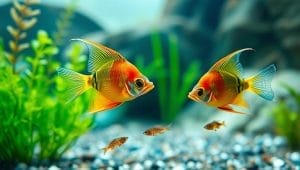
Setting Up a Safe Breeding Environment and Fry Rearing
Adult fish will eat their young, so protection becomes essential. Heavy planting with fine-leaved vegetation gives newborn fry crucial hiding spots. These plants also provide natural food sources.
For controlled breeding, consider a separate tank heated to around 80°F. Remove adults immediately after birth since this species shows no parental care. Newborn fry need specialized powdered food or freshly hatched brine shrimp.
Also Read: Common Aquarium Problems and How to Fix Them
Be prepared for potential population growth. These prolific swordtails can produce up to 50 fry per birth. For comprehensive guidance, explore our detailed breeding swordtails guide.
Enhancing Aquarium Décor for a Thriving Habitat
The right aquarium décor does more than just look pretty—it creates essential hiding spots and natural environments where your fish can truly thrive. Your thoughtful choices transform a simple tank into a secure, stimulating habitat that supports natural behaviors.
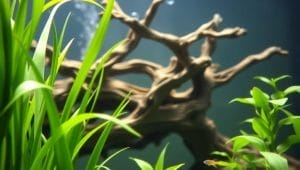
Focus on live plants as your primary design element. They provide excellent coverage while improving water quality. Hardy varieties like Java fern and Anubias work beautifully in most setups.
Creating Safe Hiding Spots with Plants and Driftwood
Floating plants with long roots create perfect retreats for shy fish. They add visual interest to the upper water column where your active swimmers spend most of their time. Carpet plants like dwarf hairgrass offer fry protection while creating a lush appearance.
Natural driftwood serves double duty in your tank. It provides interesting focal points and surfaces for beneficial algae growth. When you anchor plants like Anubias to driftwood, you create movable, natural-looking decorations.
Balance is key when designing your aquarium. Leave open swimming space while providing enough cover for security. The algae that grows naturally on surfaces becomes supplemental food, contributing to a healthy aquatic body.
Remember that plants should take priority over rock caves since your fish prefer upper-level coverage. This approach creates an environment where every inhabitant feels secure and can display their natural behaviors.
Maintaining Health and Preventing Disease in Swordtail Fish
Even the hardiest aquarium residents can face health challenges, but with proper observation and maintenance, you can ensure they stay vibrant and active. Your watchful eye makes all the difference in catching issues early.
Recognizing Common Ailments and Their Symptoms
Ich, or white spot disease, appears as tiny salt-like dots scattered across your fish‘s body. This common parasite spreads quickly through your tank if not addressed promptly.
Fungal infections create fluffy growths around fins and mouths. You might notice these species rubbing against objects when uncomfortable. Temperature swings often trigger health problems.
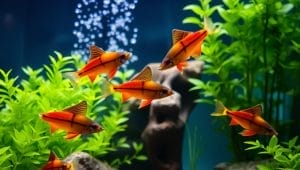
Effective Disease Prevention and Treatment Methods
Stable water conditions are your best defense against illness. Test parameters regularly and perform bi-weekly changes. This prevents stress that weakens immune systems.
When treating ich, quarantine affected fish and use over-the-counter medications. Fungal issues respond well to antibiotics. Always follow package directions carefully.
Your daily observation during feeding time helps spot changes in behavior early. Consistent care creates an environment where your swordtails can thrive without health concerns.
Final Tips for a Thriving Swordtail Aquarium Experience
Your dedication to creating the perfect habitat will be rewarded with years of vibrant activity and natural beauty. These remarkable freshwater fish offer aquarists a wide range of benefits that make them ideal for any community setup.
Remember that success comes down to maintaining stable water parameters and providing proper nutrition. Your groups will thrive when you balance males and females appropriately. The impressive tail fin development in mature specimens adds visual drama to your tanks.
As livebearers, your fish may produce fry regularly. This gives you options for population management or sharing with fellow enthusiasts. Many aquarists find themselves expanding their setups to explore different color varieties.
You’re now equipped to provide excellent care for these active swimmers. Their adaptable nature and forgiving requirements make them perfect for hobbyists at any experience level. Enjoy watching your fish grow to their full length and develop their beautiful body colors.
FAQ
What is the ideal tank size for these fish?
A 20-gallon aquarium is a great starting point for a small group. They are active swimmers, so providing ample space helps reduce stress and supports their health. Larger tanks offer more stability in water parameters, making maintenance easier for you.
How can I tell if my female is pregnant?
Look for a darkening gravid spot near her anal vent and a noticeably swollen abdomen. Females can store sperm, so they may give birth multiple times from a single mating. Providing plenty of plants like java moss offers fry a safe hiding spot after birth.
What are the best foods for a balanced diet?
A high-quality flake or pellet food serves as an excellent staple. To ensure optimal health, supplement their meals with treats like brine shrimp, bloodworms, and blanched vegetables. This variety mimics their natural omnivorous feeding habits.
Are they good for a community setup?
Yes, they are generally peaceful and make wonderful additions to a community aquarium. Ideal tankmates include other livebearers like platies and mollies, as well as calm species such as Corydoras catfish. Avoid keeping them with aggressive fin-nippers.
What water parameters do I need to maintain?
Aim for a temperature between 72°F and 82°F, with a pH level from 7.0 to 8.4. They are adaptable but thrive in stable, hard water conditions. Regular testing and partial water changes are key to keeping your aquatic environment healthy.
Why is the male’s tail so long?
The elongated lower fin, or sword, is a distinctive trait of mature males used primarily for courtship displays to attract females. In a community setting, a longer fin can sometimes make them a target, so monitor for any signs of nipping from other fish.
Aquarium Fish CareAquatic pet careFish health managementFish tank maintenanceFreshwater fish tipsHealthy fish dietSwordtail breedingSwordtail fish careSwordtail tank setup
Hi, I'm Millie a passionate fish enthusiast and blogger. I loves learning about all kinds of aquatic creatures, from tropical fish to stingrays.